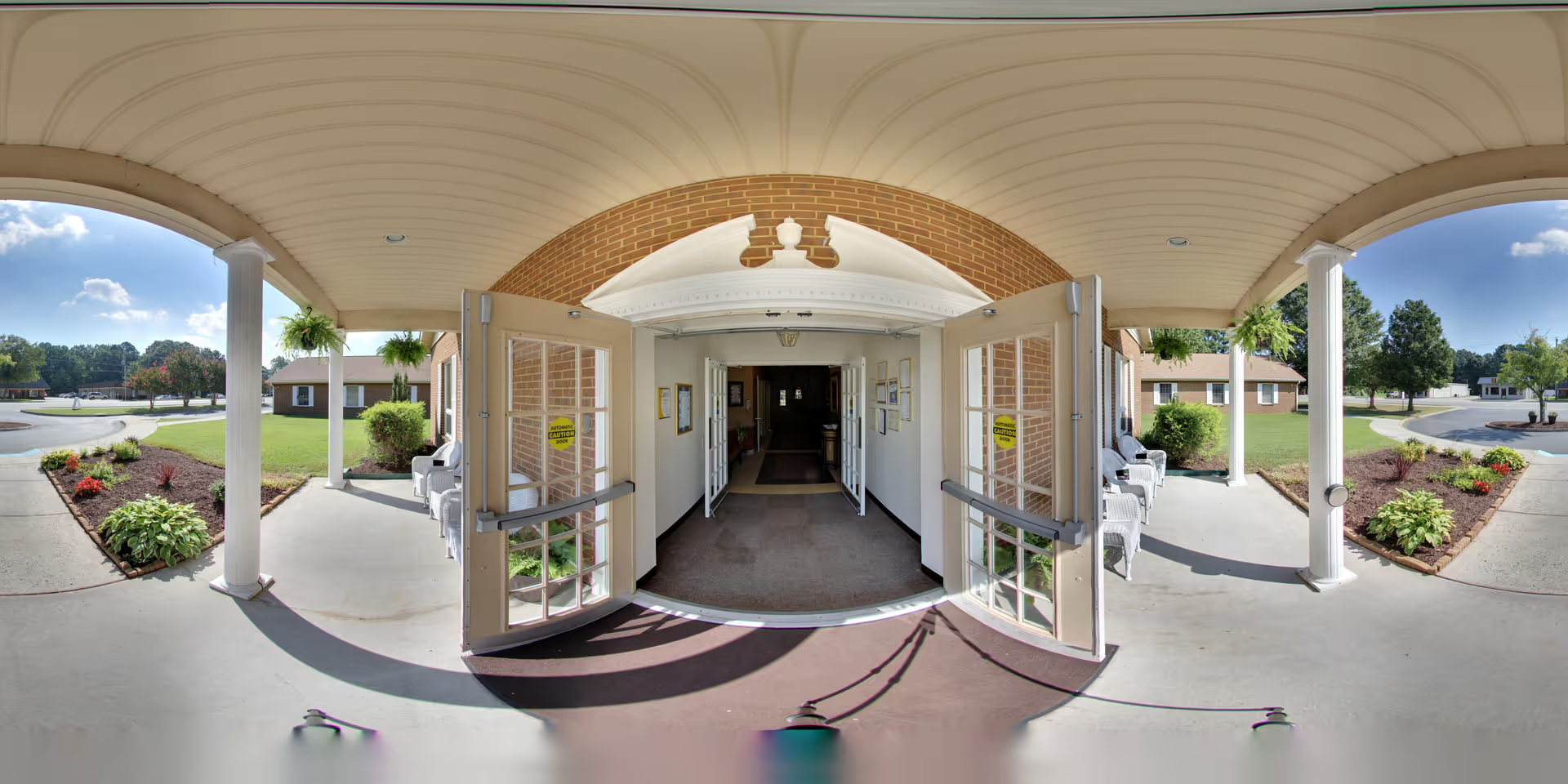
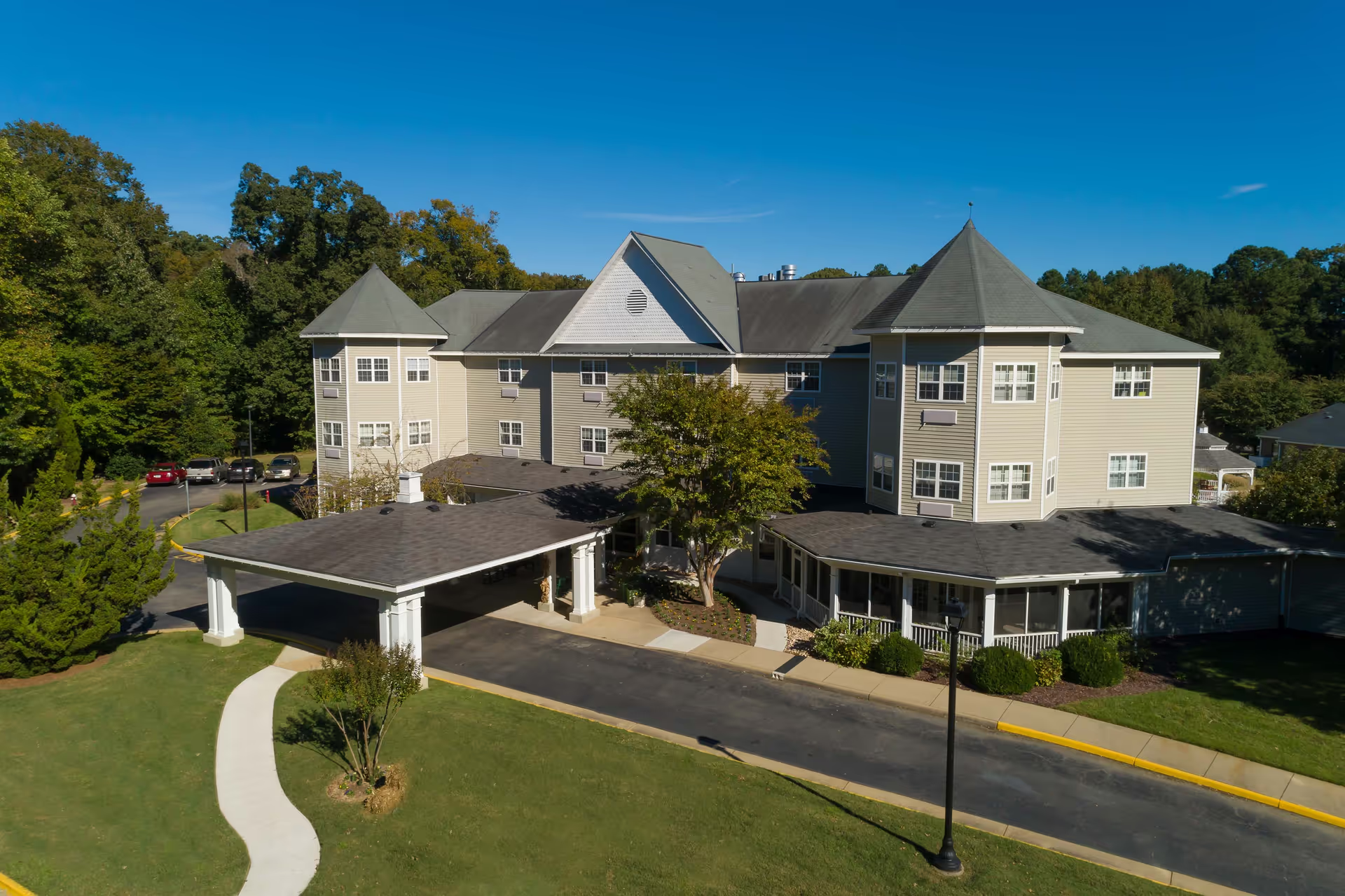
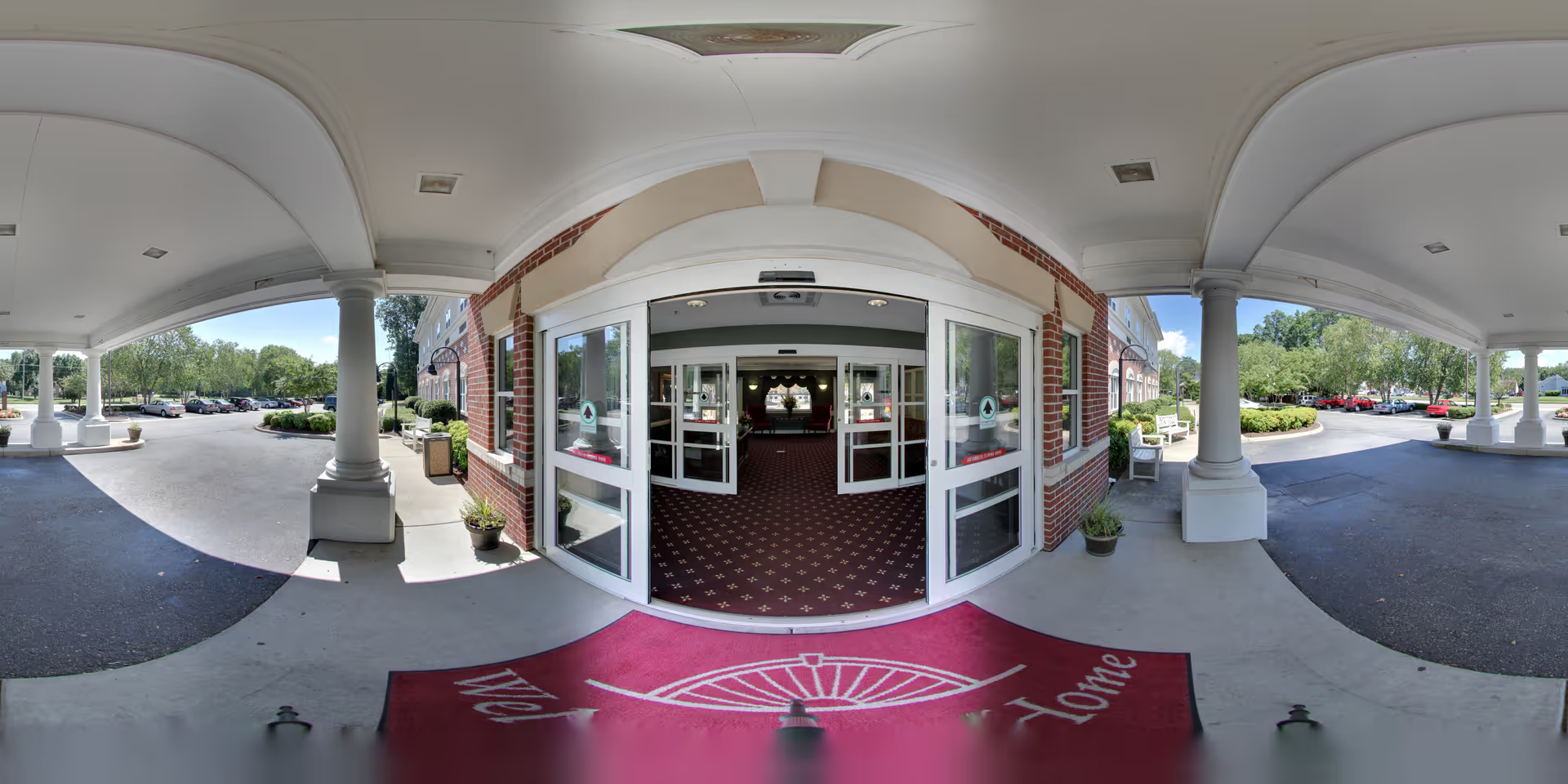
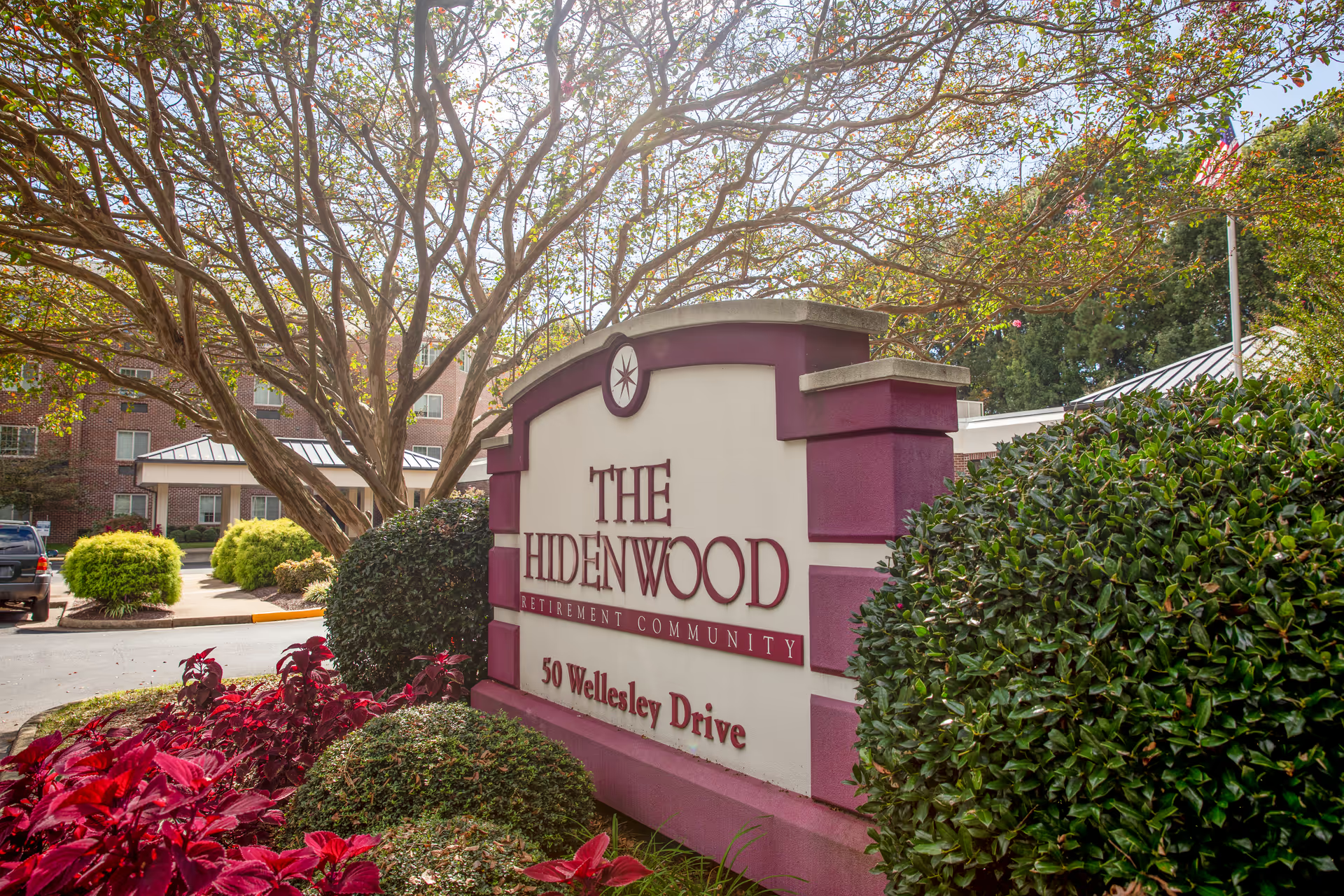
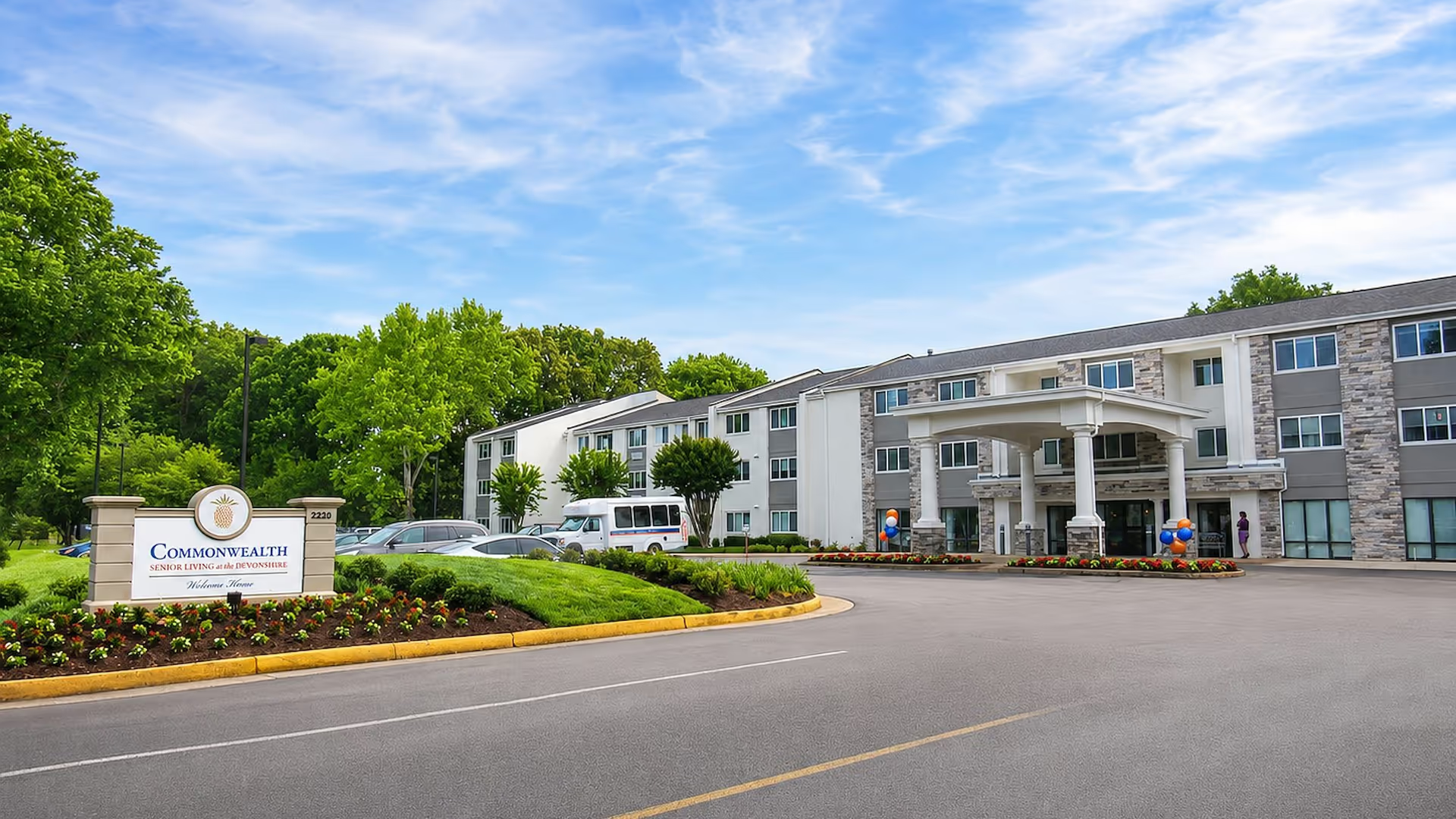
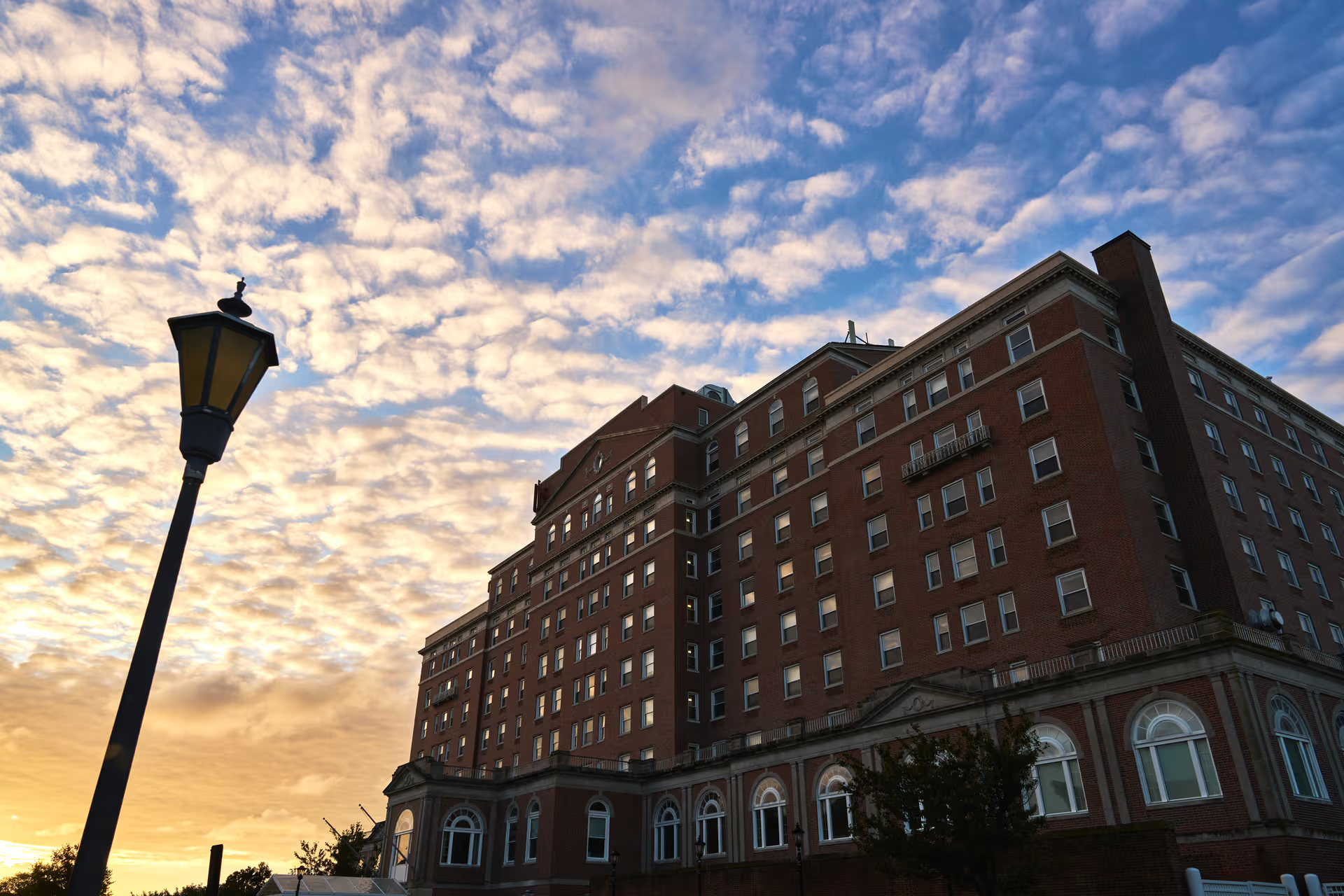
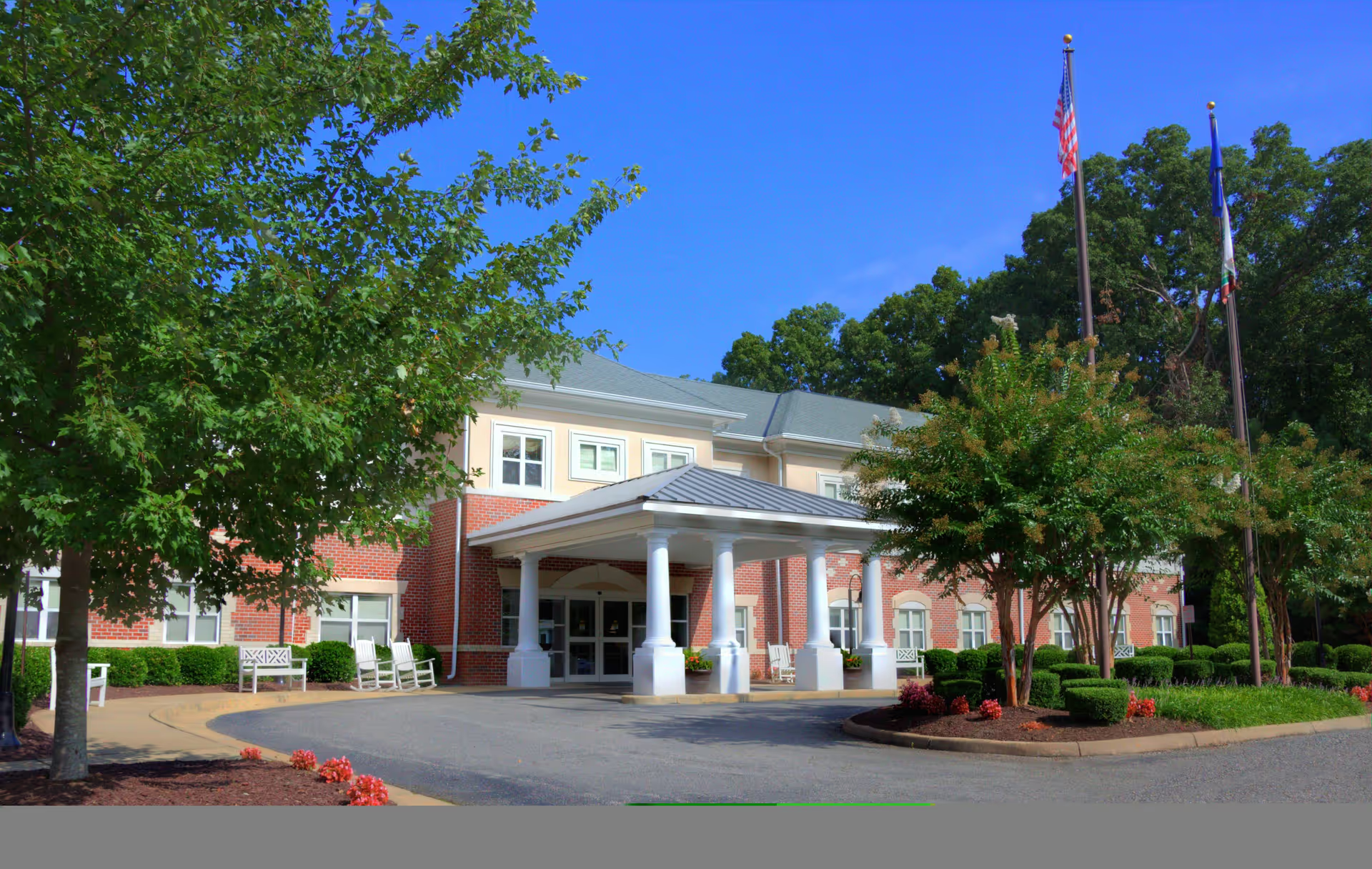
Harmony on the Peninsula presents a mixed picture. The facility's physical environment and amenities receive consistently positive remarks: reviewers describe a clean, updated building with tasteful decor, spacious apartments (many with kitchenettes and in-unit laundry), a theater, library, courtyard, and a bistro-style dining area. Admissions and tour staff are frequently described as helpful and informative, and the community offers respite and hospice-friendly services that some families found valuable during transitions.
Direct-care staff are commonly praised for compassion and engagement. Many accounts highlight caregivers who know residents by name, provide warm interactions, and contribute to a welcoming atmosphere. On-site clinical resources and collaboration with hospice providers were also noted as strengths for residents with escalating needs. At the same time, accounts point to inconsistent clinical and personal-care performance: families reported delays in responding to call buttons, missed or delayed bathing and linen changes, and examples of medication-administration or clinical follow-up problems. These items suggest variability in day-to-day care reliability depending on staffing and shift coverage.
Dining and activities receive both positive and critical comment. The facility's restaurant-style service, variety of menu items, and special treats are praised, and many residents enjoy organized outings, movie nights, crafts, and an active life-enrichment program. However, reviewers also described disorganized meal-service at times and uneven food quality, particularly during staffing shortages or holiday periods. Several families noted that after-dinner engagement and memory-care programming were inconsistent, indicating a gap between recreational potential and consistent delivery for residents with cognitive impairment.
Management and operational patterns are the area of greatest concern. Multiple accounts point to chronic understaffing, frequent turnover—including regional and executive leadership—and weak visibility from managers. These structural issues are associated with low staff morale, reports of unprofessional conduct, slow response to family concerns, and limited follow-through from leadership. There are also isolated but serious allegations relating to leadership misconduct and discrimination; such claims, combined with documented leadership churn, have prompted complaints and, in some cases, regulatory attention according to reviewers.
Taken together, Harmony on the Peninsula offers strong physical amenities and many compassionate frontline caregivers, and it can provide a comfortable, activity-rich setting for residents when staffing and supervision are adequate. The primary operational risks are systemic: inconsistent staffing levels and leadership instability that erode reliability in personal care, medication oversight, sanitation practices, and family communication. Prospective residents and families should weigh the facility's amenities and staff strengths against these consistency and leadership concerns, consider visiting at different times of day and week to assess staffing levels, and ask for written protocols on staffing ratios, memory-care supervision, incident follow-up, and sanitation/linen procedures before making a placement decision.