Gig Harbor Court is frequently described as a smaller, welcoming community where residents are known personally and staff make an effort to connect with them. Families often praise caregivers for being patient, attentive, and supportive, including during hospital stays, recovery, and end-of-life care. Communication with families is commonly described as accessible and helpful. However, experiences are not uniformly positive: one recent family account raised serious concerns about care-plan follow-through in memory care over an extended period, while other comments point to limits in staffing capacity and the facility’s ability to meet some residents’ higher or continuous care needs.
Dining is a prominent strength in many accounts. Residents and families praise the chef, menu choices, flexible dining hours, special meals, and attentive service; some residents also describe gaining weight or eating better after moving in. At the same time, a family member strongly criticized meal quality, so dining experiences appear to vary. Activities include crafts, exercise, bingo, movies, music, happy hours, outings, and family events. Reviews generally portray residents as having regular opportunities to socialize and participate, with transportation available for some outings and appointments.
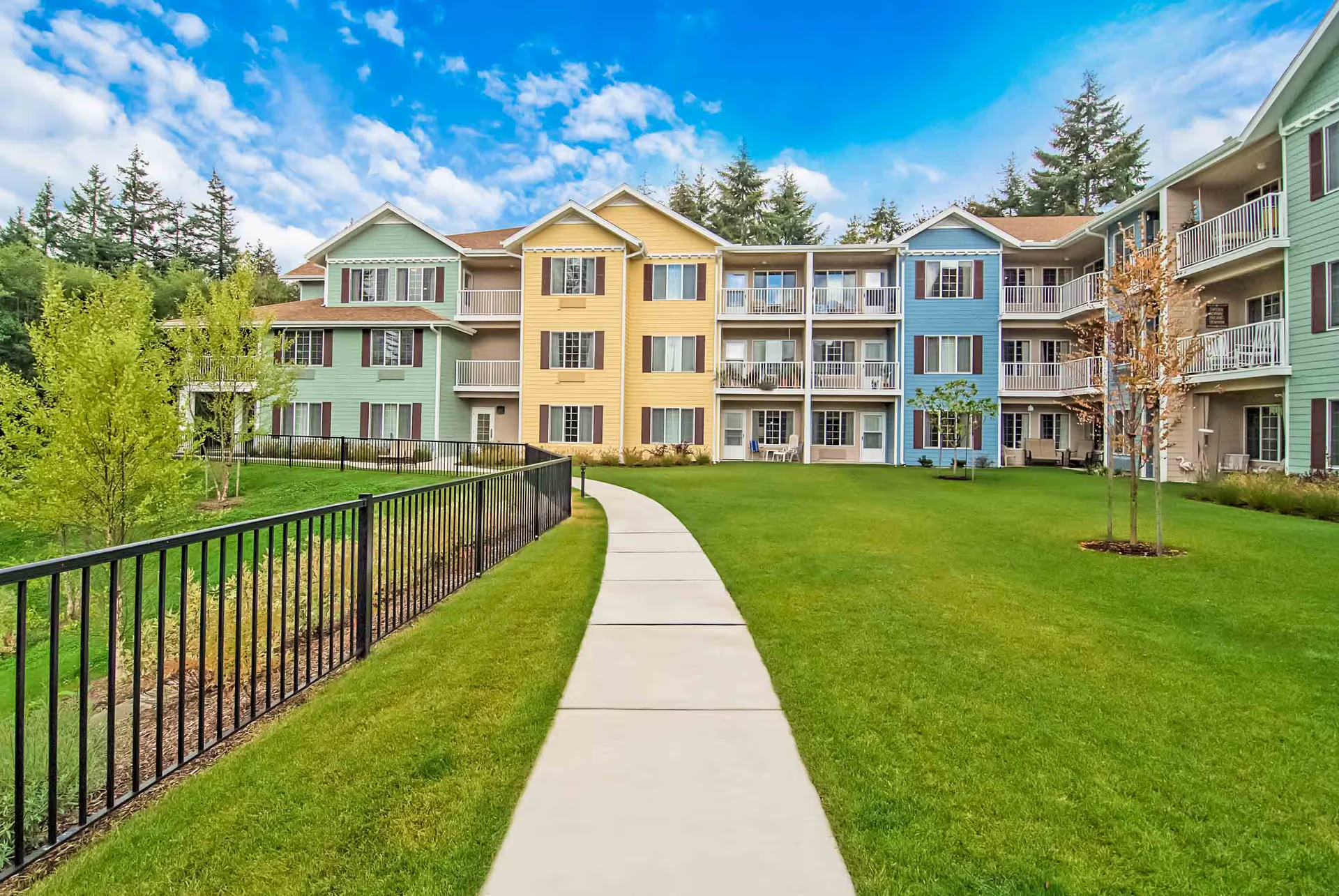
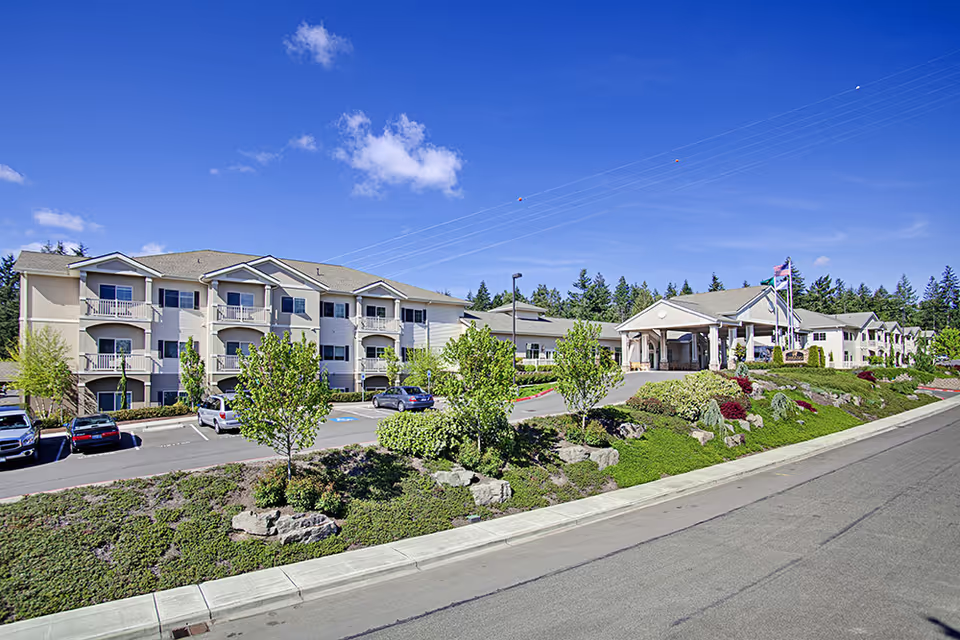
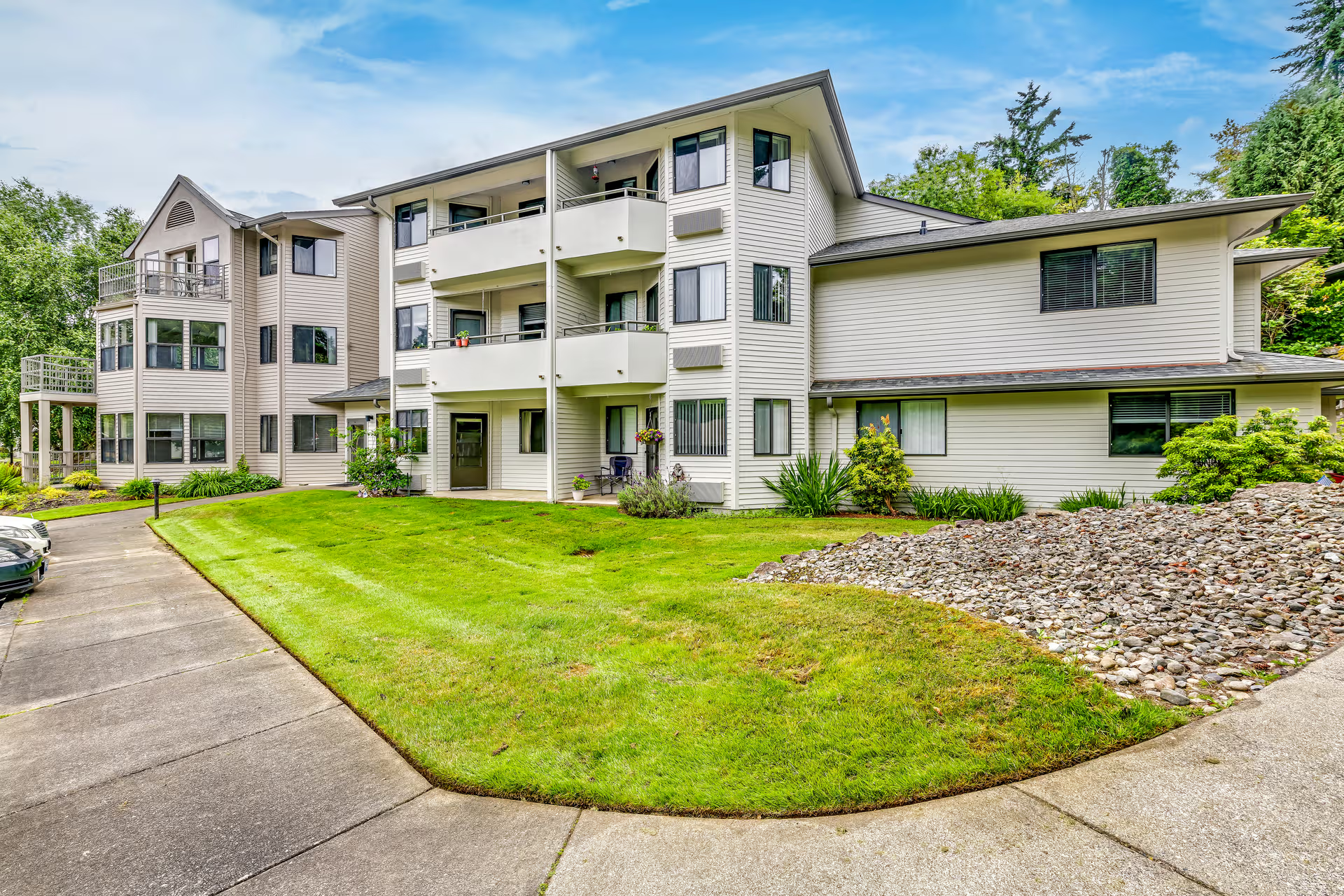
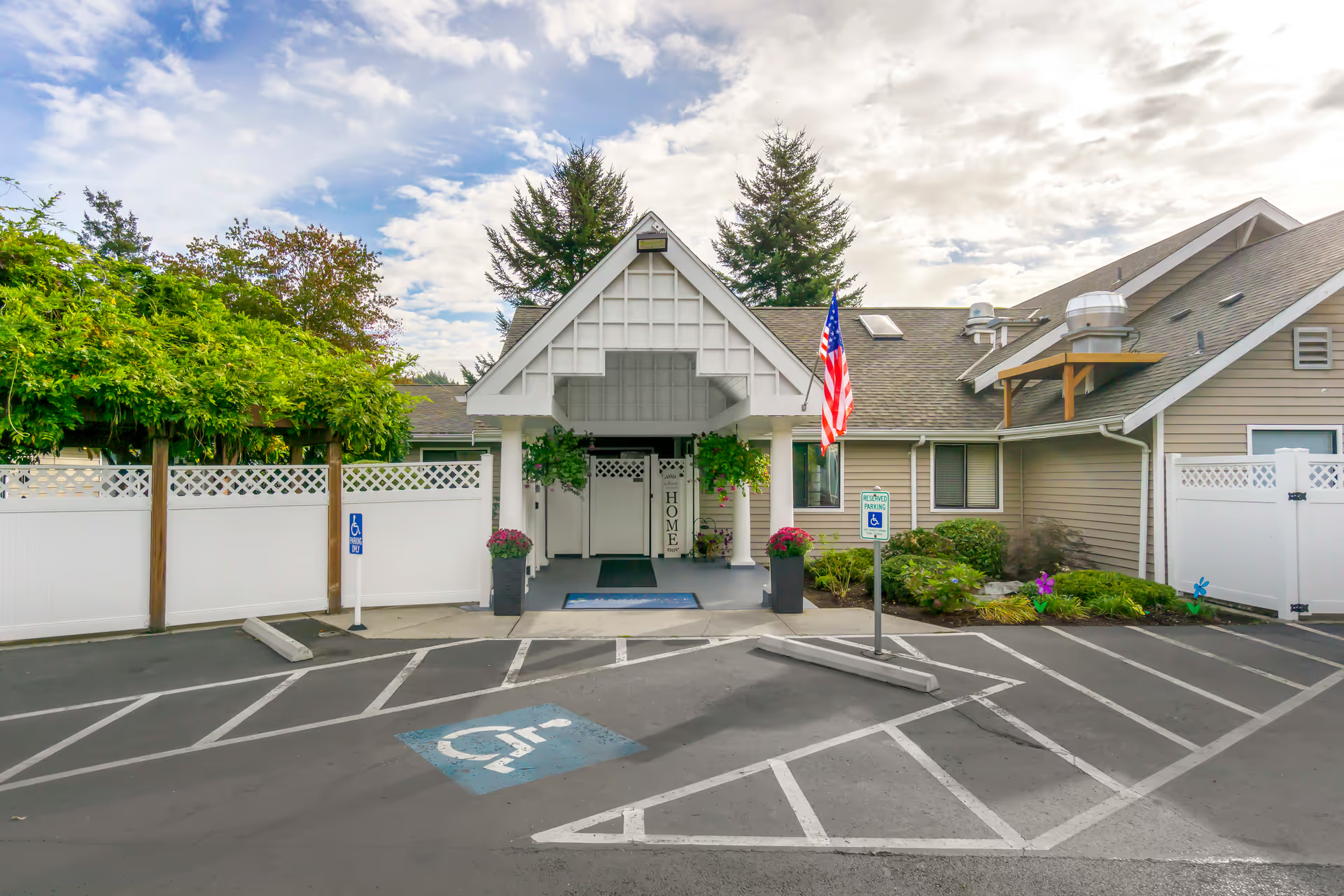
The building is often characterized as clean, bright, and well maintained, with apartments in several sizes, large windows, and inviting shared spaces. Reviewers also mention patios, gardens, a library, and other areas for visits and activities. Its location near shops, medical services, a library, and entertainment is another advantage. The smaller scale is valued by families who contrast it with larger settings, though suitability depends on an individual’s care needs and preferences.
Management and administrative experiences are mixed. Many families describe leadership and staff as helpful, responsive, and coordinated, and some praise assistance with transitions and practical needs. Other accounts describe inconsistent housekeeping and laundry, concerns about staff conduct or policy knowledge, and communication gaps involving move-in costs or financial and contract terms. One family also described difficulty obtaining a response during a past Medicaid contract transition. Prospective residents and families may wish to review all financial terms in writing, ask how care-plan changes are monitored, and assess staffing and care capacity directly—particularly for memory care or residents with increasing needs.