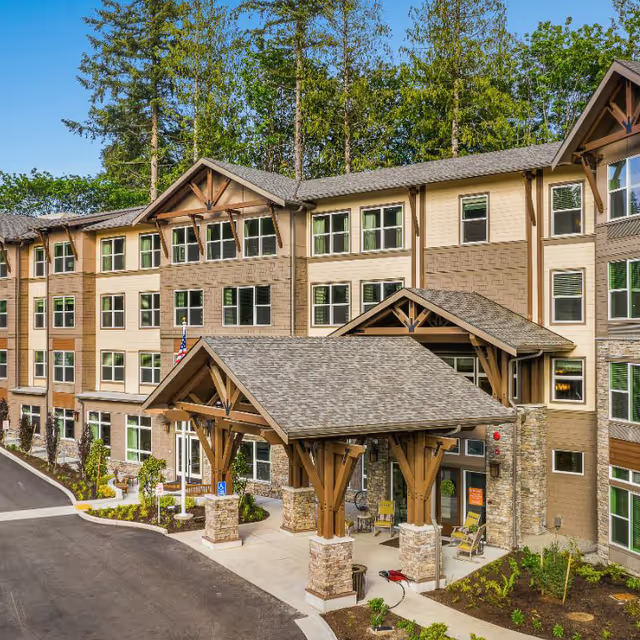
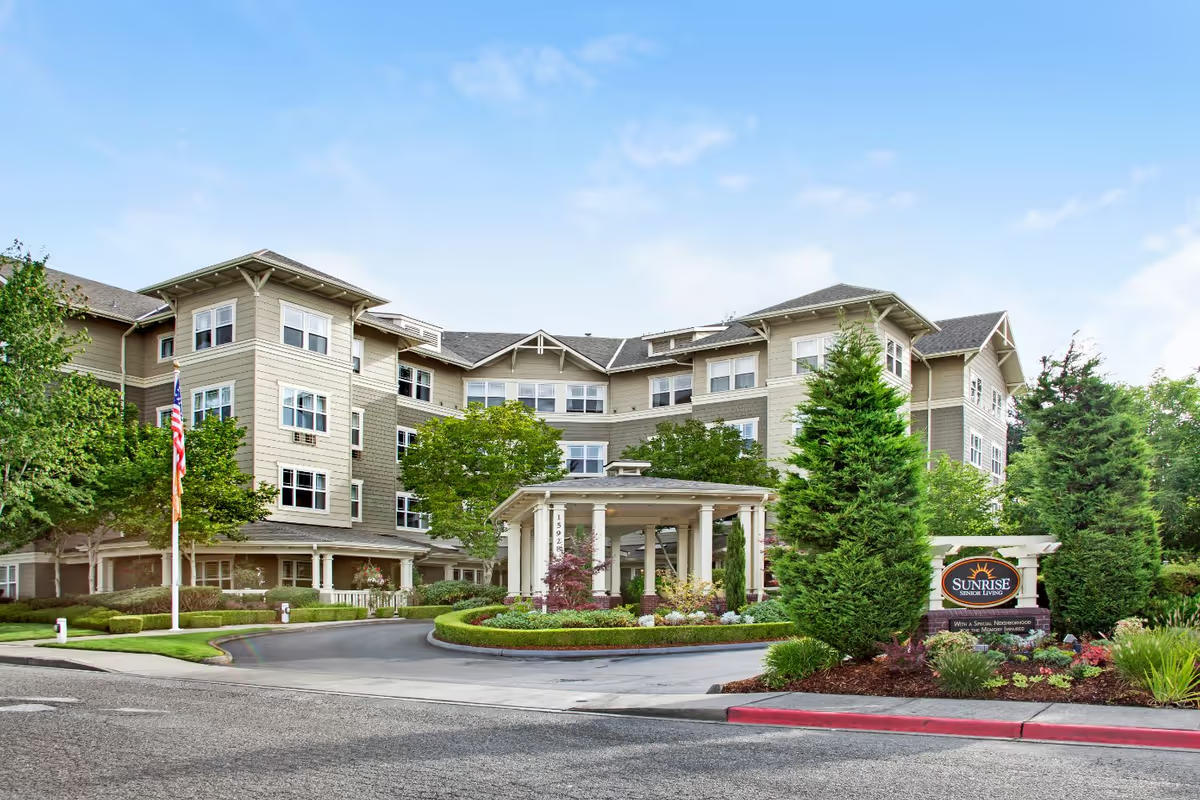
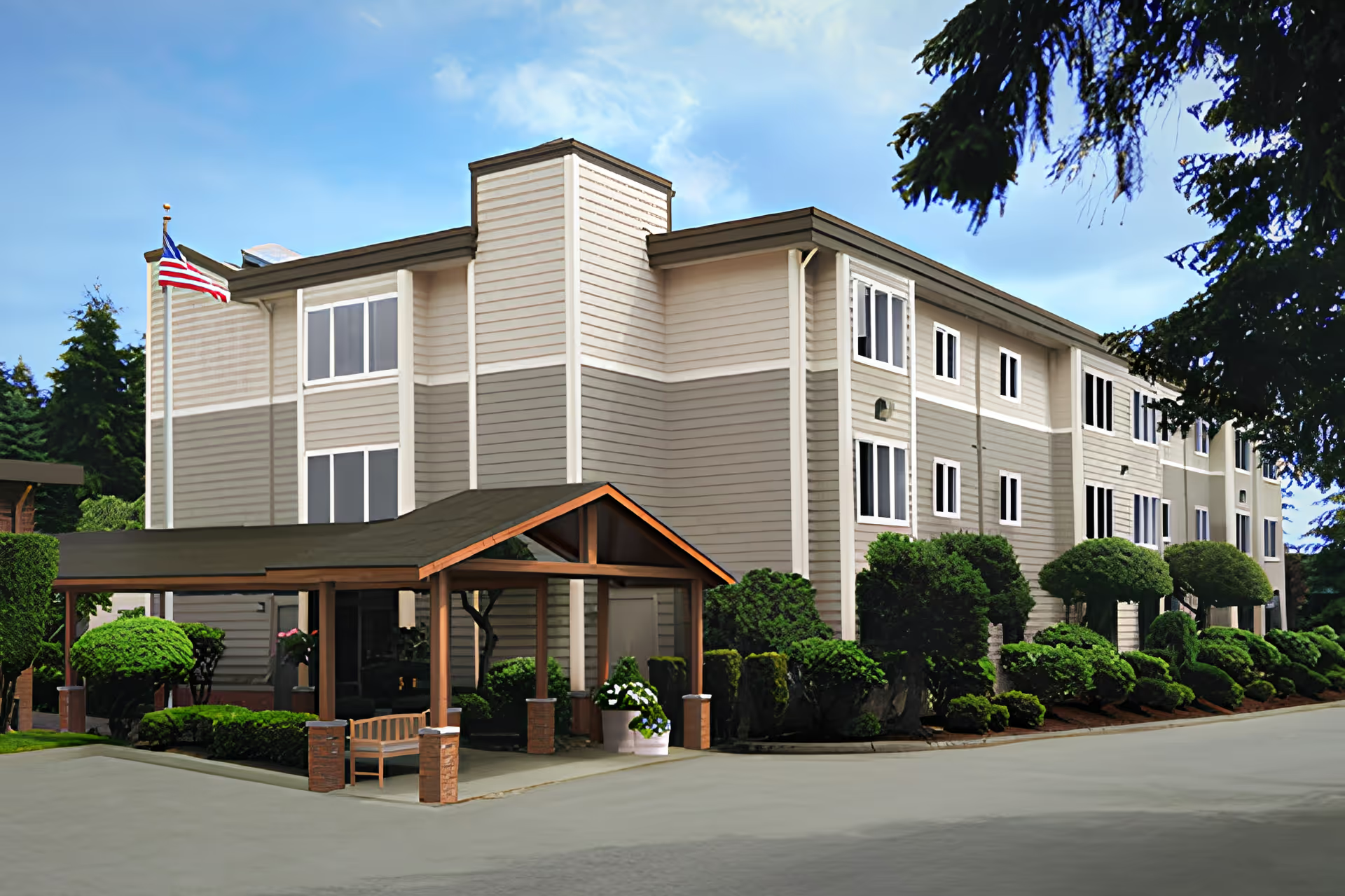
University House Issaquah presents as a community with many strengths for independent and moderately assisted seniors. Reviewers consistently praise the staff’s warmth and personal attention, a staffed front desk 24/7, a wide slate of intellectual programming and life-enrichment offerings, and hotel-like dining and common areas. The community’s indoor saltwater pool, fitness classes, salon, and shuttle services complement a menu of activities that include lectures, discussion groups, art, music, and small-group outings. Apartments are often described as spacious with good natural light and kitchen facilities, and the grounds and public spaces are generally well maintained and attractive.
Care and staffing perspectives are mixed. Many families and residents describe attentive nursing and helpful caregiving teams, individualized care plans, and smooth transitions into the community. At the same time, a persistent theme is high staff turnover and periods of understaffing that have produced variability in day-to-day continuity and responsiveness. Reviewers describe episodes of inconsistent mid-level staffing, lapses in follow-through, and occasional delays in maintenance or clinical attention. The community provides assisted-living support but reviewers indicate it is better suited to residents who are independent or need moderate assistance rather than those requiring high-acuity skilled nursing or specialized memory-care programs.
Dining and services receive both strong praise and criticism. The dining room, presentation, and many meal offerings are repeatedly commended, with several mentions of chef-driven menus and attentive waitstaff. However, multiple accounts describe inconsistency in food quality, menu reductions tied to cost pressures, and intermittent service disruptions (buffet service, meal delivery changes). Some families are concerned about paying for services that were reduced or discontinued. Operationally, maintenance issues have been flagged — for example, prolonged elevator outages, extended pool closures, and an aging shuttle fleet — which can affect resident convenience and quality of life.
Management and policy-related themes are noteworthy. Positive comments highlight engaged leadership, responsive move-in support, and an active, welcoming culture. Conversely, there are recurring concerns about management communication, unmet promises at move-in, billing and extra-charge transparency, and uneven responsiveness to family inquiries. A small number of serious allegations — including concerns about theft and financial misconduct and pest-control incidents — appear in the input; these items warrant direct inquiry with management and review of up-to-date inspection or regulatory records.
In sum, University House Issaquah appears to be a strong match for active, socially and intellectually engaged older adults who value robust programming, hotel-like dining, and a well-maintained environment. Prospective residents and families should weigh those strengths against operational cautions: confirm the current staffing stability, clarify what services are included versus extra, verify maintenance and amenity availability, and assess clinical capability if higher levels of care or specialized memory services may be needed in the future.