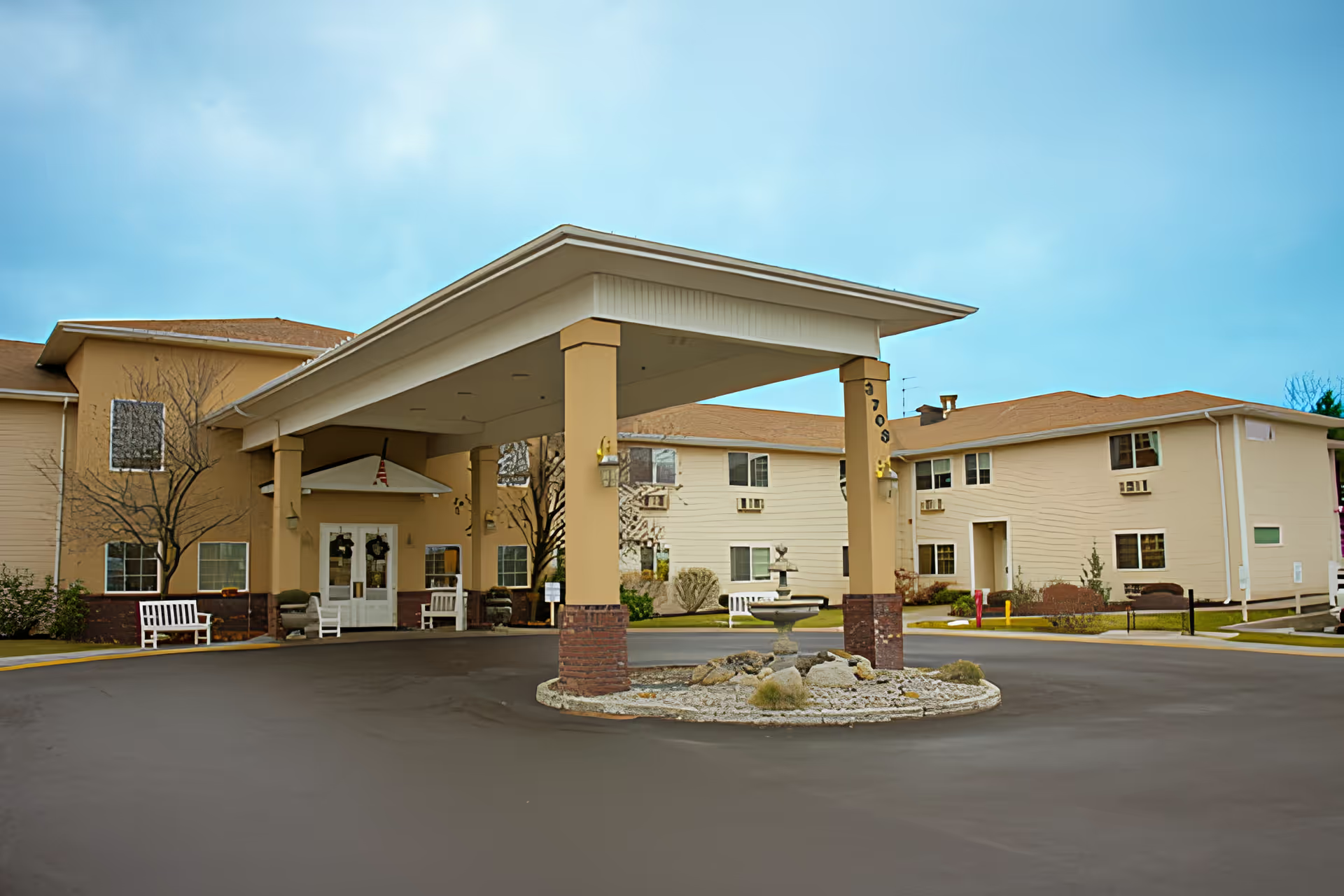
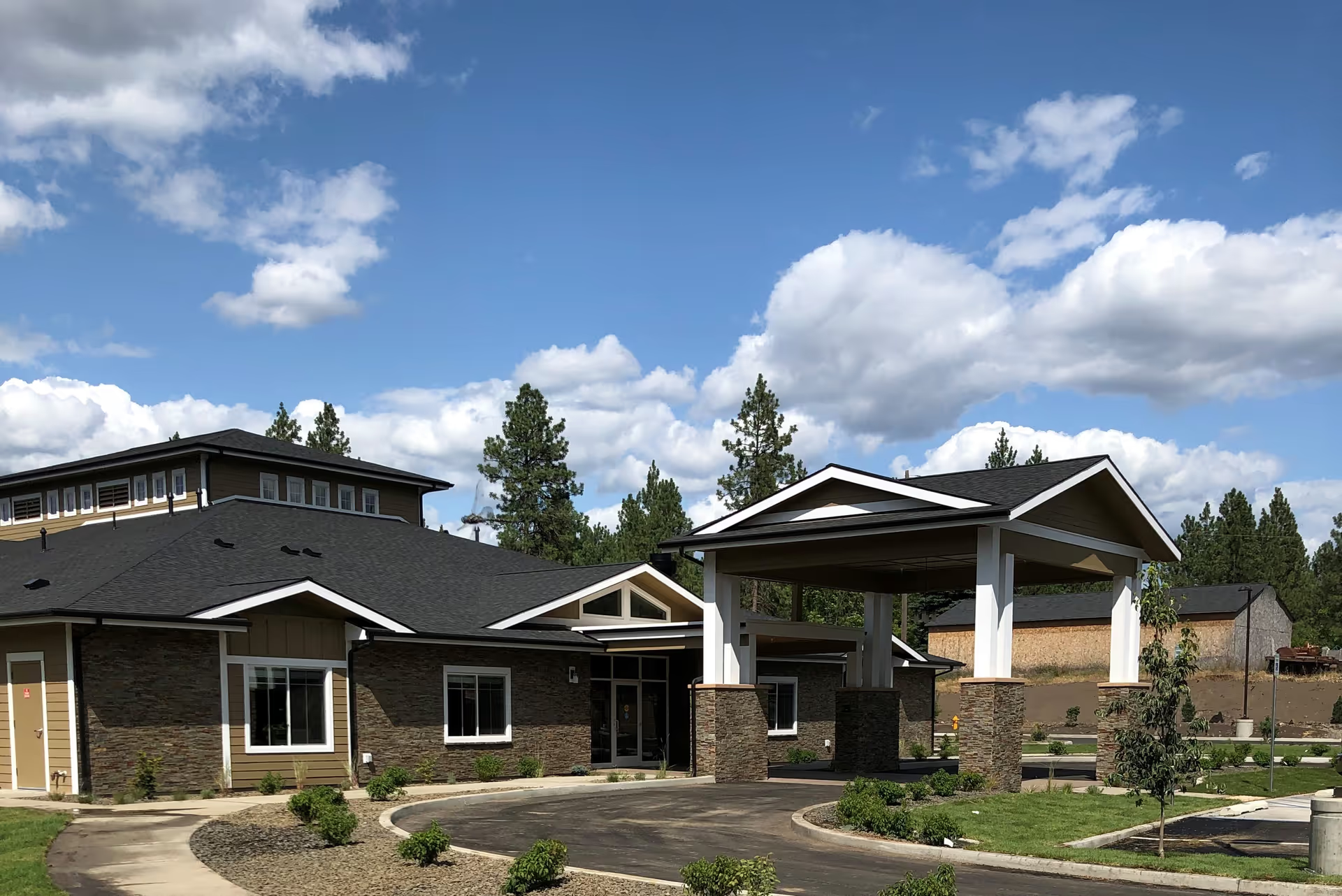
Reviews of Bishop Place Senior Living show a strongly polarized picture across several operational areas. Many families and residents highlight positive features: generous unit sizes, a home-like atmosphere, and on-site amenities such as a salon, gym, and physical-therapy services. Reviewers also praised several caregivers and long-tenured staff members for compassionate, attentive care; some families characterized their experience as excellent and appropriate for residents who require assisted living rather than full skilled nursing.
Care quality and staffing are the most consistently contested areas. Positive accounts describe hardworking caregivers and effective Enhanced Care support, while critical accounts identify high turnover, frequent use of part-time or inexperienced staff, and gaps in clinical skills. These operational staffing patterns are associated with delays in meeting care needs, limited nurse availability, and inconsistent continuity—concerns that are especially consequential for residents with advanced memory loss or high-dependency needs. Reviewers indicate that the community may be more suitable for relatively independent seniors than for those requiring frequent clinical interventions.
Dining and activities receive mixed evaluations. The facility offers a range of programming, including exercise classes and concerts that several residents enjoyed, along with social outings. At the same time, activity frequency and engagement were described as inconsistent—examples include well-attended events and, conversely, activity schedules that felt sparse or superficial. Meal service is similarly variable: some reviewers found the food acceptable or improved from prior placements, while others cited inconsistent temperature, occasional undercooking or burning, and general dissatisfaction with menu execution.
Facilities and maintenance perceptions likewise diverge. Many reviewers described clean, well-maintained common areas and an inviting environment; others raised sanitation and maintenance concerns such as water staining, mildew-like odors, visible deferred maintenance, and on-site disposal of discarded items. Safety systems attracted specific criticism where call buttons and emergency-response equipment were described as unreliable, and families expressed concern about timeliness of responses during peak staffing periods.
Management and communication are uneven according to the reviews. Some families found administrators approachable and responsive; other accounts describe unresponsiveness, inconsistent information at admission, and promised changes that were not implemented. Taken together, these patterns suggest that prospective residents and families should verify current staffing levels, nurse coverage, training practices, sanitation protocols, the functionality of call-response systems, and the regularity of activities and meals during an in-person visit. For individuals requiring higher-dependency care or consistent clinical skills, further scrutiny and documented assurances are advisable; for more independent seniors seeking amenities and social opportunities, the facility may represent a reasonable option when direct observations during a tour align with expectations.