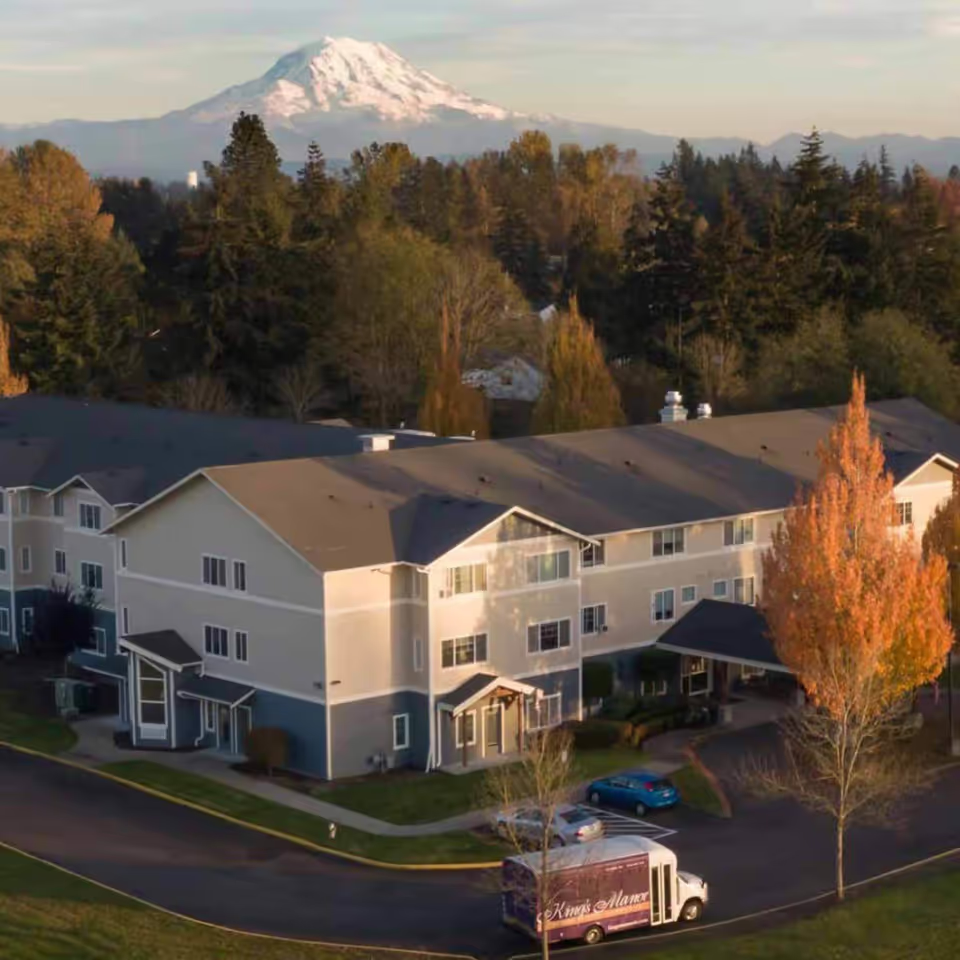
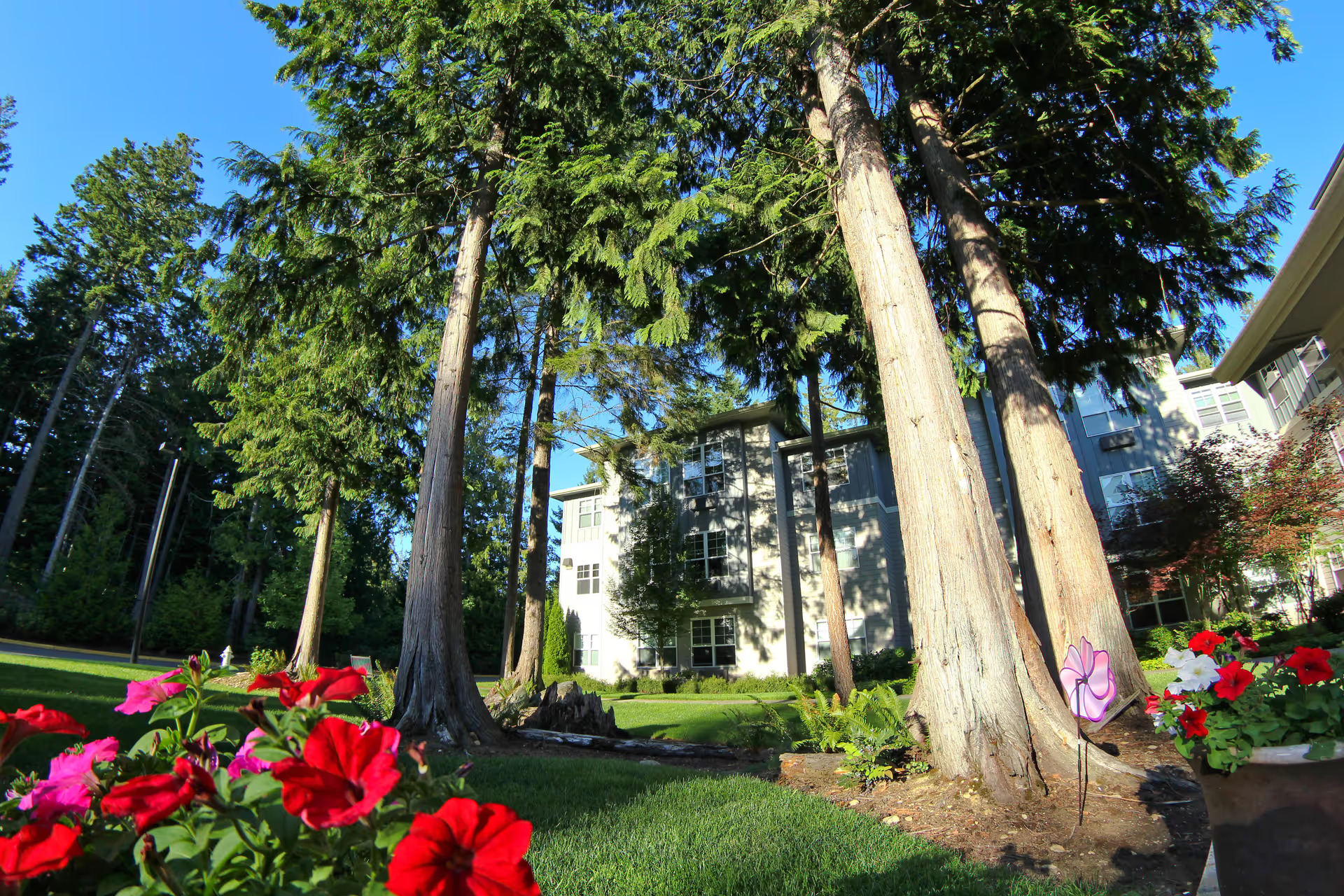
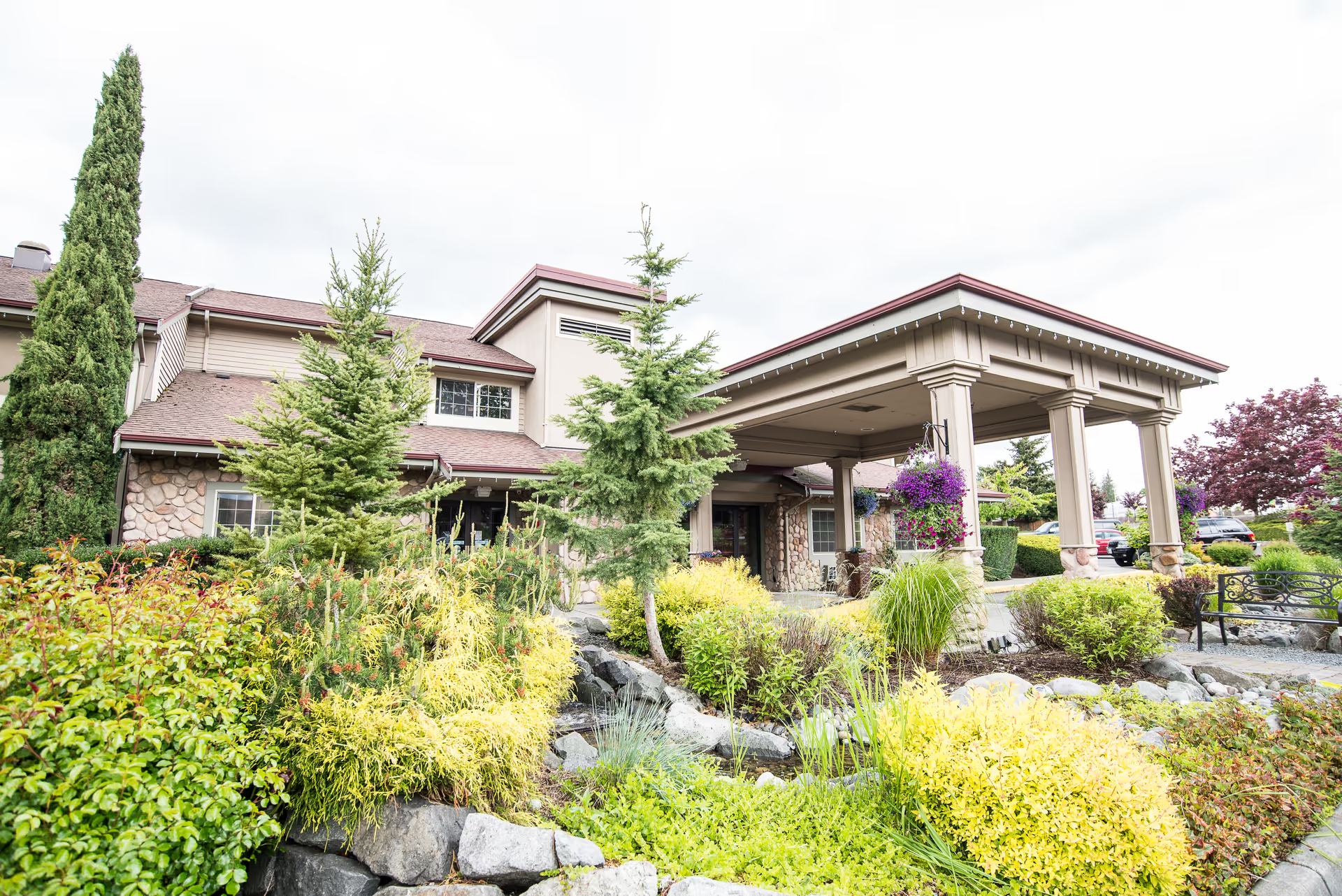
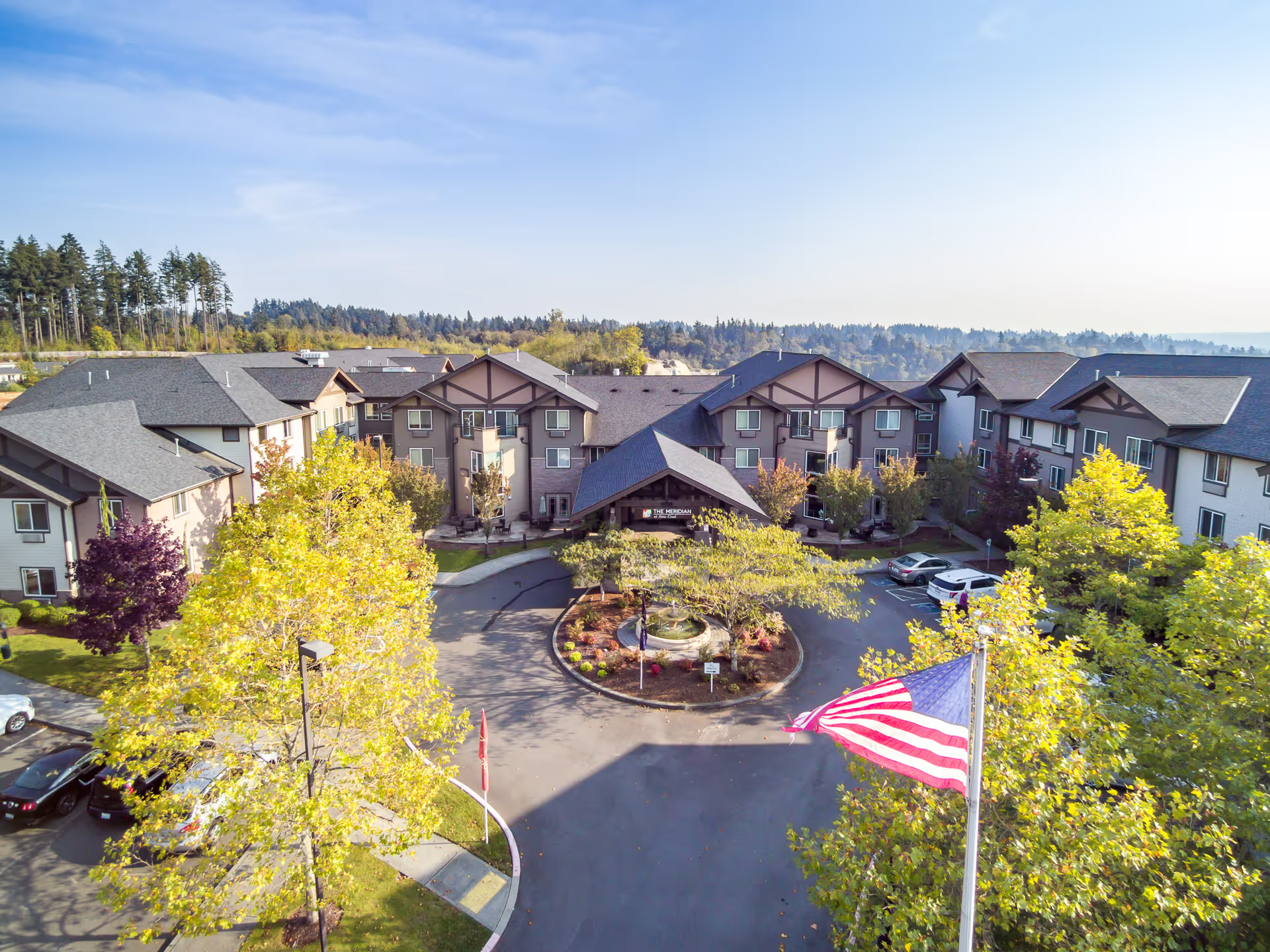
Overall impression: Reviews describe a community with many everyday strengths — notably direct caregivers who are often described as compassionate and attentive, a busy activities calendar that includes arts, exercise, theater and regular outings, and a dining program that at times receives strong praise for variety and chef-driven offerings. The campus and outdoor spaces are frequently called attractive and well kept, and the facility offers practical amenities such as transportation, visitor-friendly dining, move-in ready units, and Medicaid acceptance.
Care quality and staffing: Families and visitors commonly commend frontline staff for warmth and resident-focused interactions; several accounts note continuity because the facility relies on in-house caregivers rather than outside agencies. However, a recurring operational pattern is inconsistent staffing levels and high turnover, which reviewers link to delays in assistance (missed showers, delayed help with mobility or toileting needs) and to variability in daily care. There are also repeated concerns about limited supervision after hours and on weekends, and some descriptions indicate gaps in clinical-care continuity and on-call oversight. A small number of accounts describe serious clinical incidents and end-of-life care communication challenges; these raise questions about incident response, medication management, and family notification processes.
Dining and nutrition: The dining program is a visible strength for many residents — homemade-style menus, themed meals, and a chef presence are appreciated. At the same time, food quality is described inconsistently: while some reviewers call the meals excellent and varied, others describe issues with seasoning, preservation/food-handling concerns, and meal-timing reliability. Families should expect variability and ask specific questions about meal service times, special-diet accommodations, and how the facility monitors food quality.
Activities and social life: The activity program is a prominent positive: organized outings, on-site classes, live entertainment, and exercise groups are regularly mentioned. These programs support social engagement and community life. Reviewers note, however, that residents with more advanced memory impairment may have limited access or benefit from the general activity offerings; families seeking robust, specialized memory-care programming should probe activity accessibility and staffing ratios in that unit.
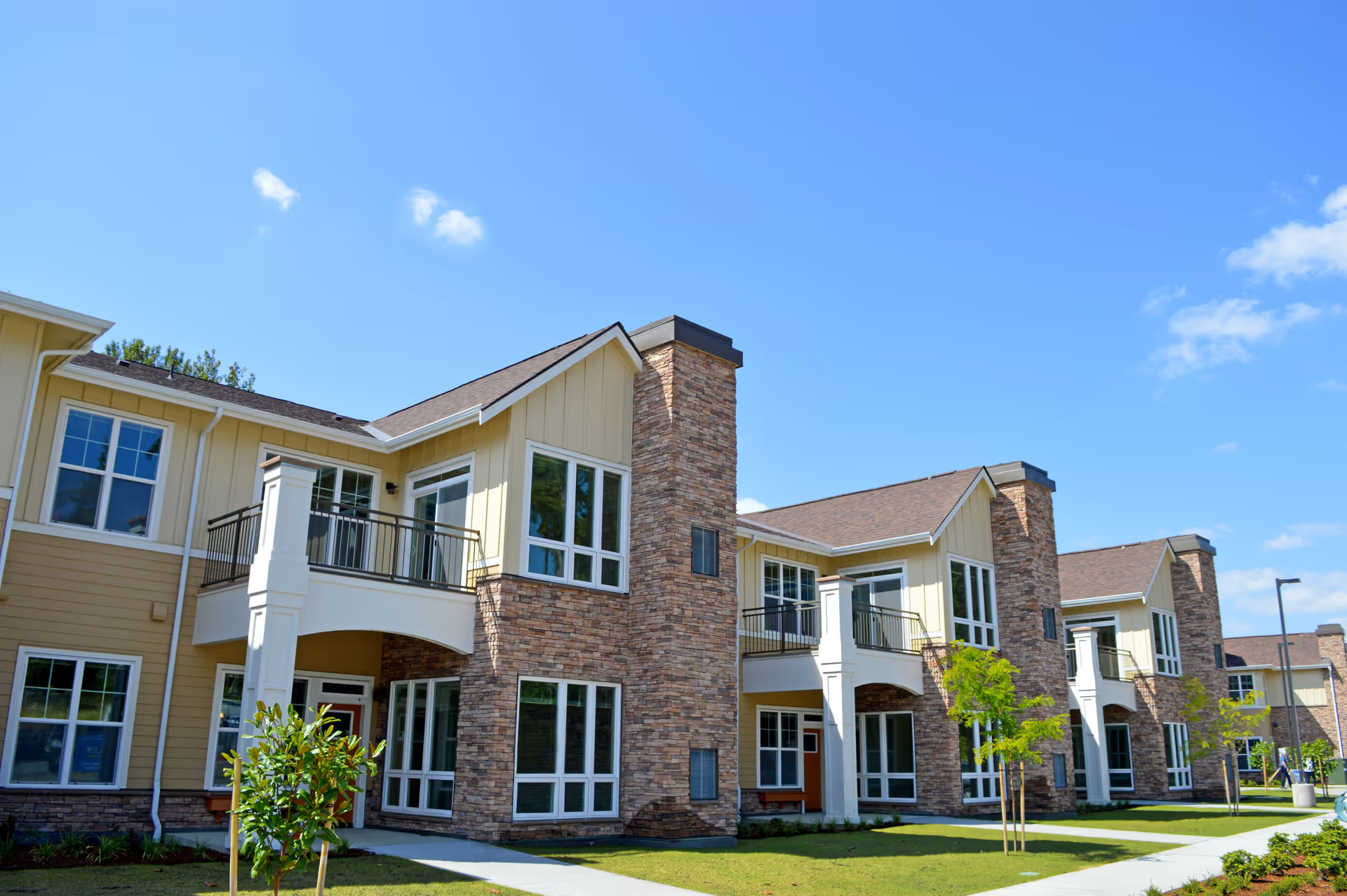
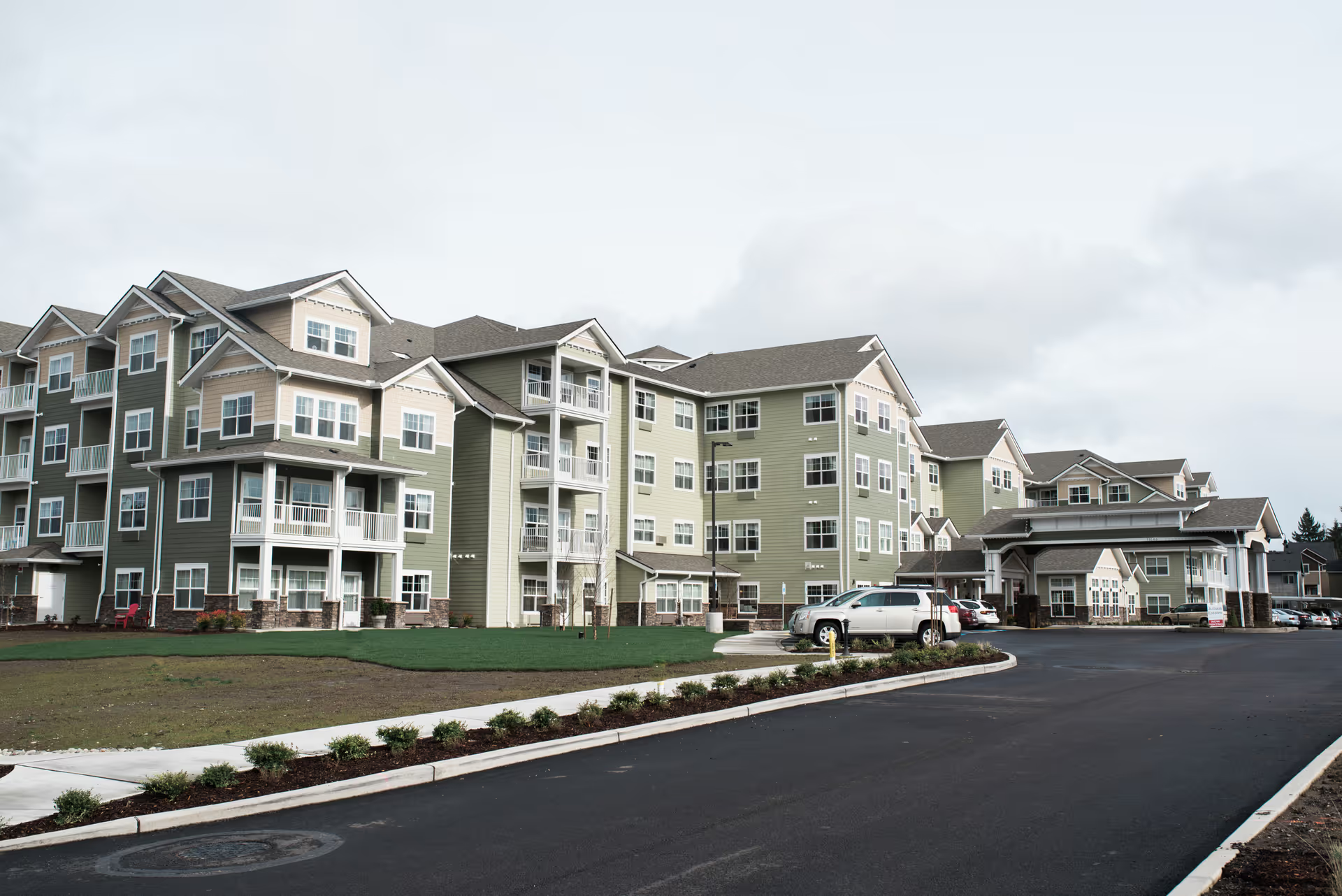
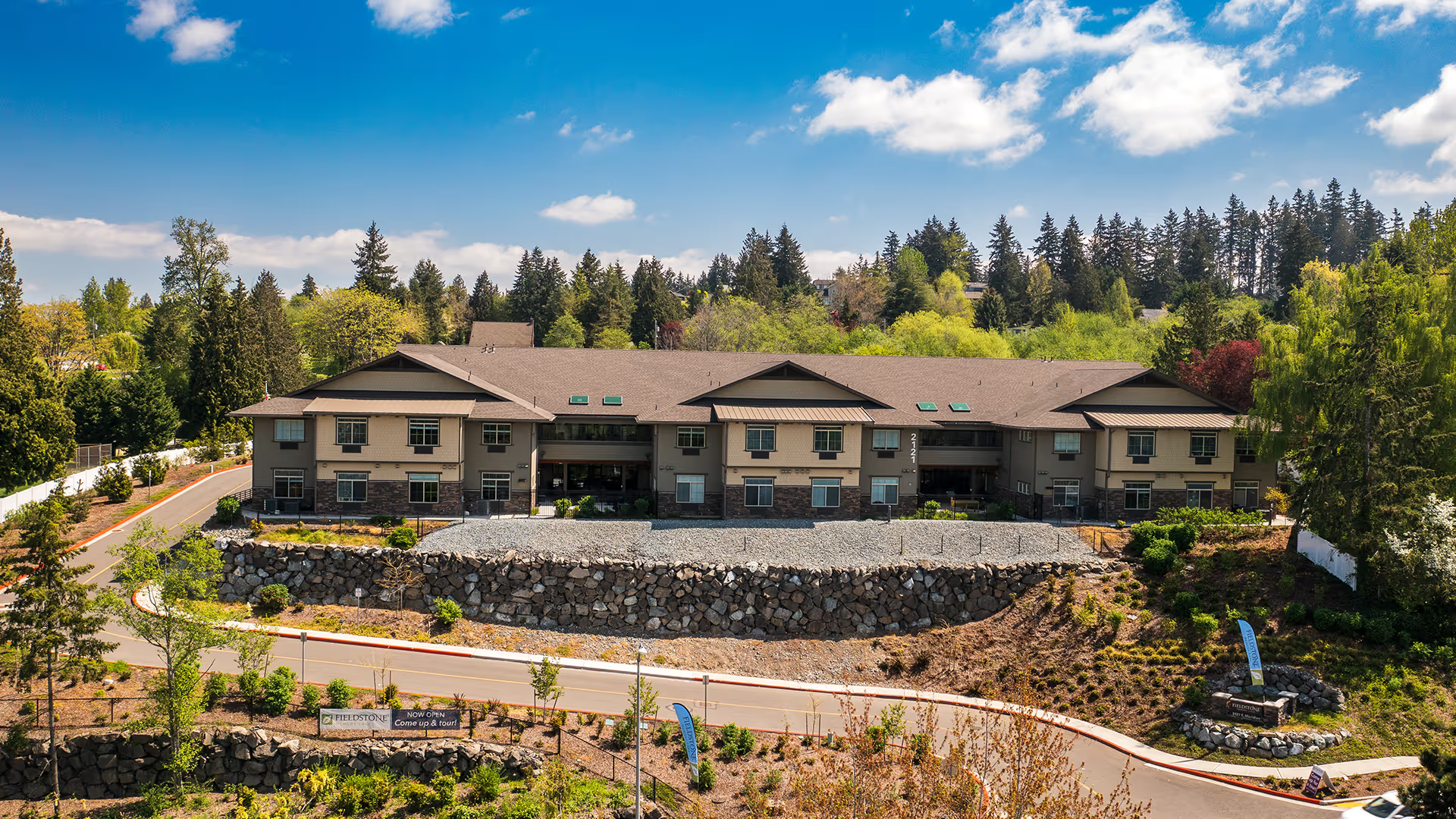
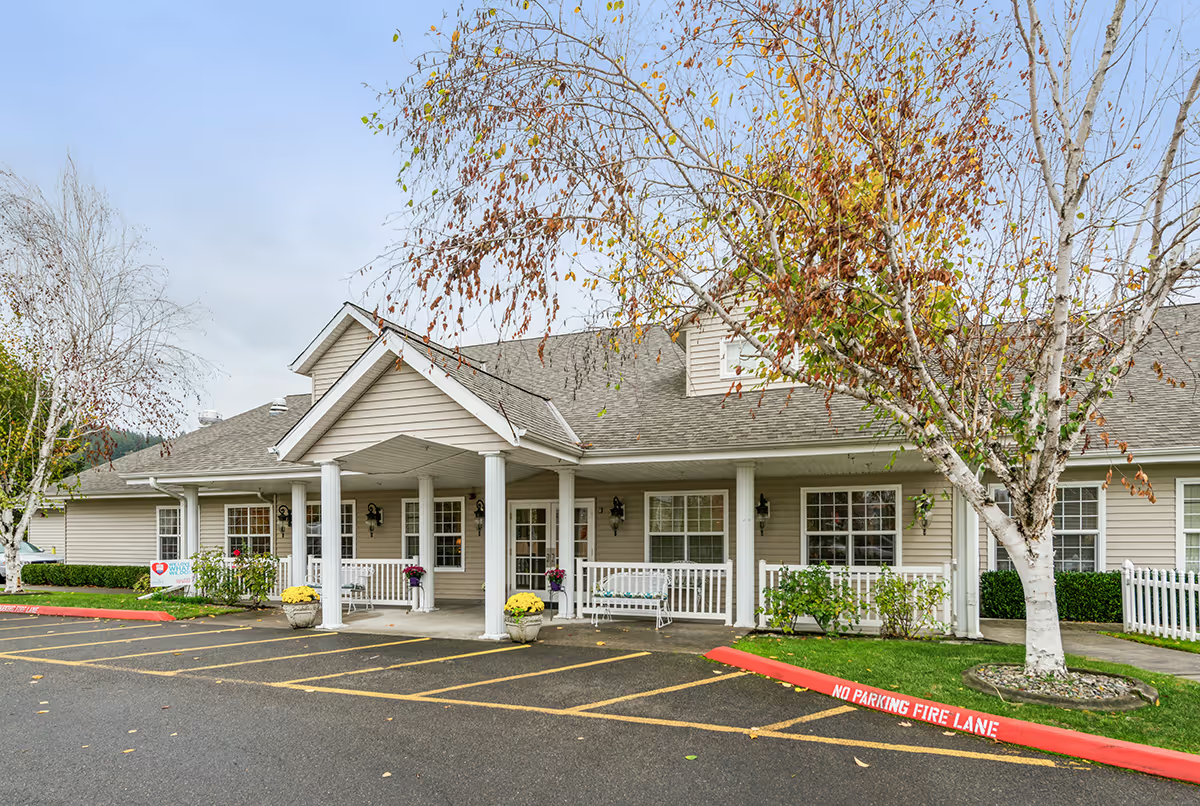
Facilities and maintenance: Many reviewers describe clean, bright common areas, attractive landscaping, and well-appointed dining spaces. Conversely, there are intermittent sanitation and odor concerns reported in some rooms or areas, as well as isolated pest-control concerns that families noted; a few reviewers referenced regulatory attention in limited accounts. The building footprint is mixed: some units and cottages are described as spacious and comfortable, while other studios and corridors are characterized as narrow with fewer communal spaces.
Management, communication, and billing: Admissions and some administrative staff receive praise for helpfulness and onboarding support. Nonetheless, a pattern of management and communication issues appears across reviews — examples include inconsistent follow-through, disagreements about responsibility between departments, unclear or unexpected fees, and rent increases without satisfactory explanation. These operational weaknesses are often cited alongside staffing constraints and appear to affect family trust in leadership.
Notable patterns and guidance: The dominant themes are a community that provides strong social programming and generally caring frontline staff, paired with operational vulnerabilities around staffing consistency, management communication, and occasional sanitation or pest-control issues. Prospective residents and families should balance the positive elements of daily life (activities, food options, transportation, grounds) with questions about clinical oversight and administrative transparency. Recommended topics for a tour and follow-up questions: typical staffing ratios per shift, after-hours supervision protocols, recent regulatory citations or pest-control measures, meal-service schedules and food-safety procedures, memory-care activity accessibility, fee/contract clarity, and examples of how the facility addresses missed-care incidents and family communication.