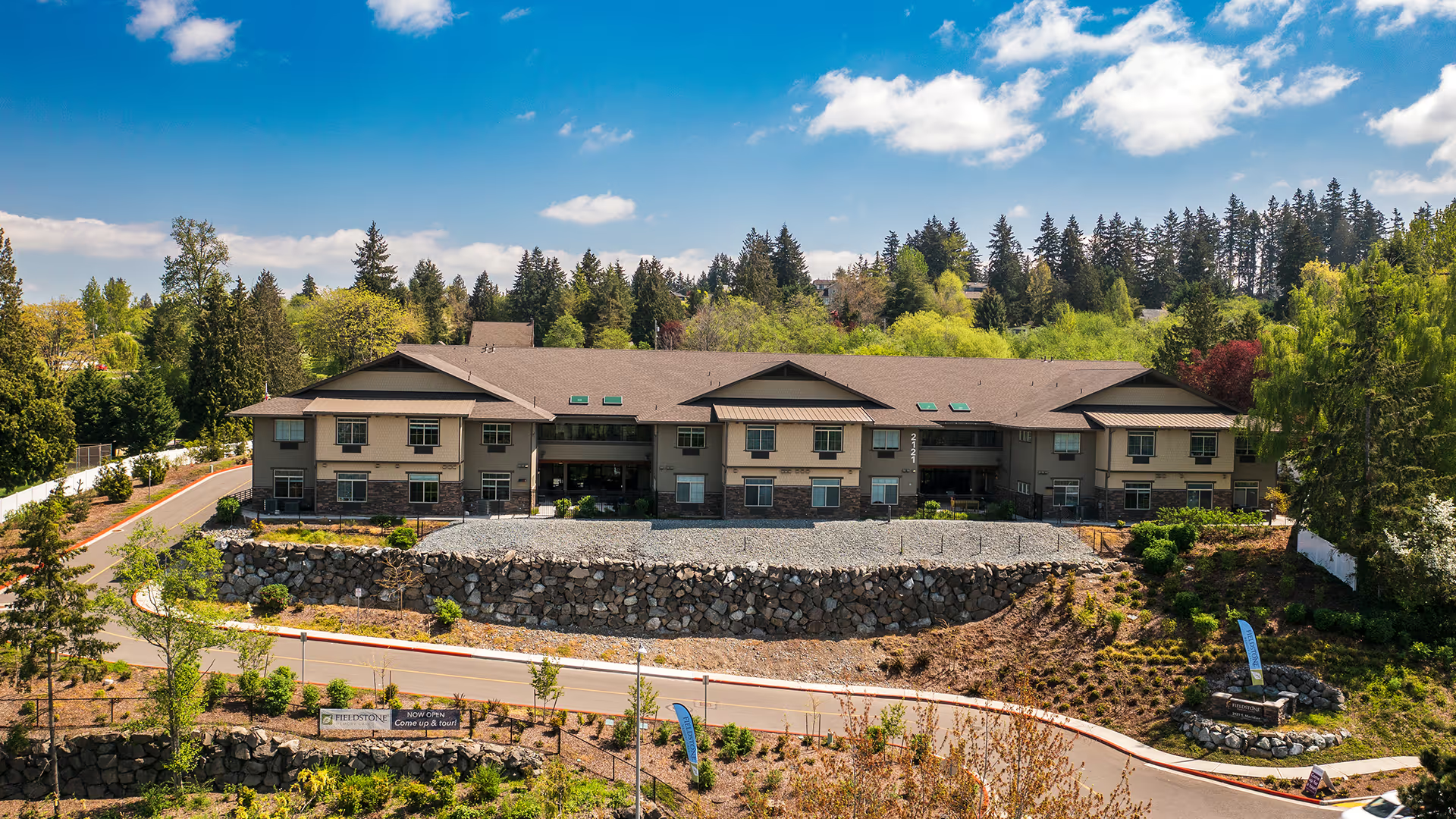
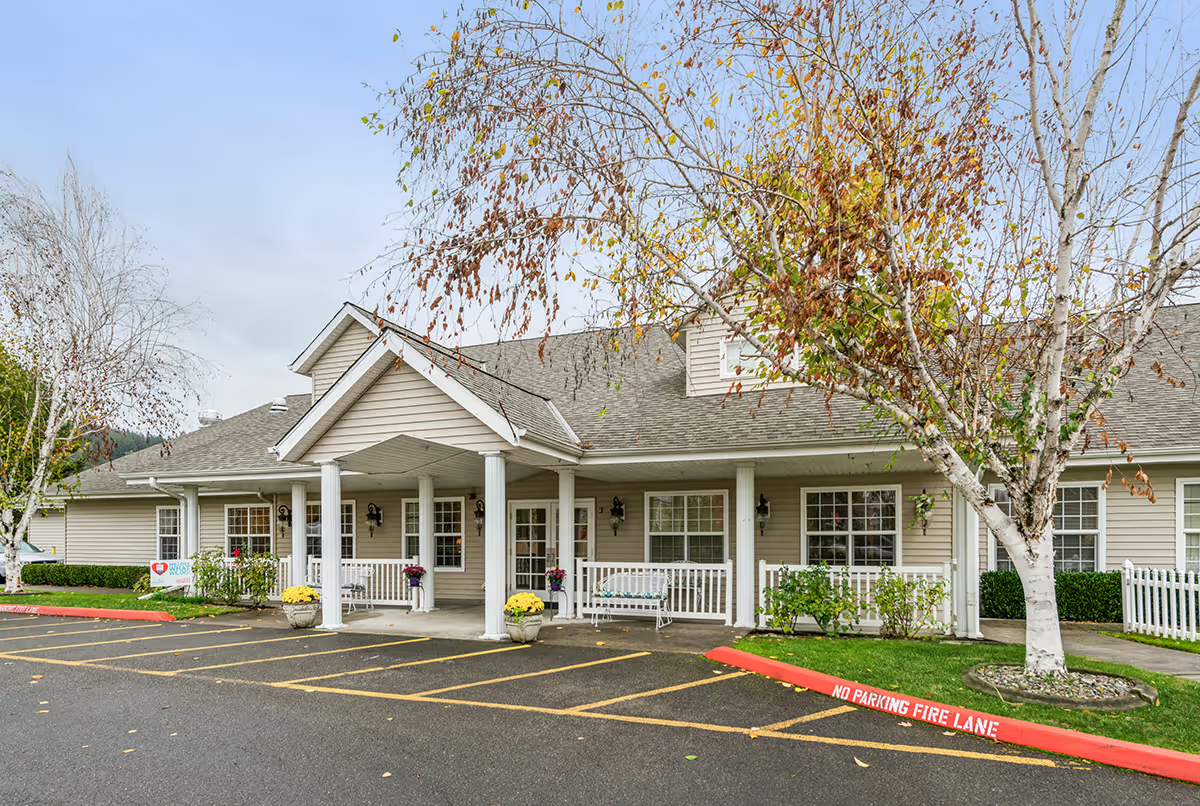
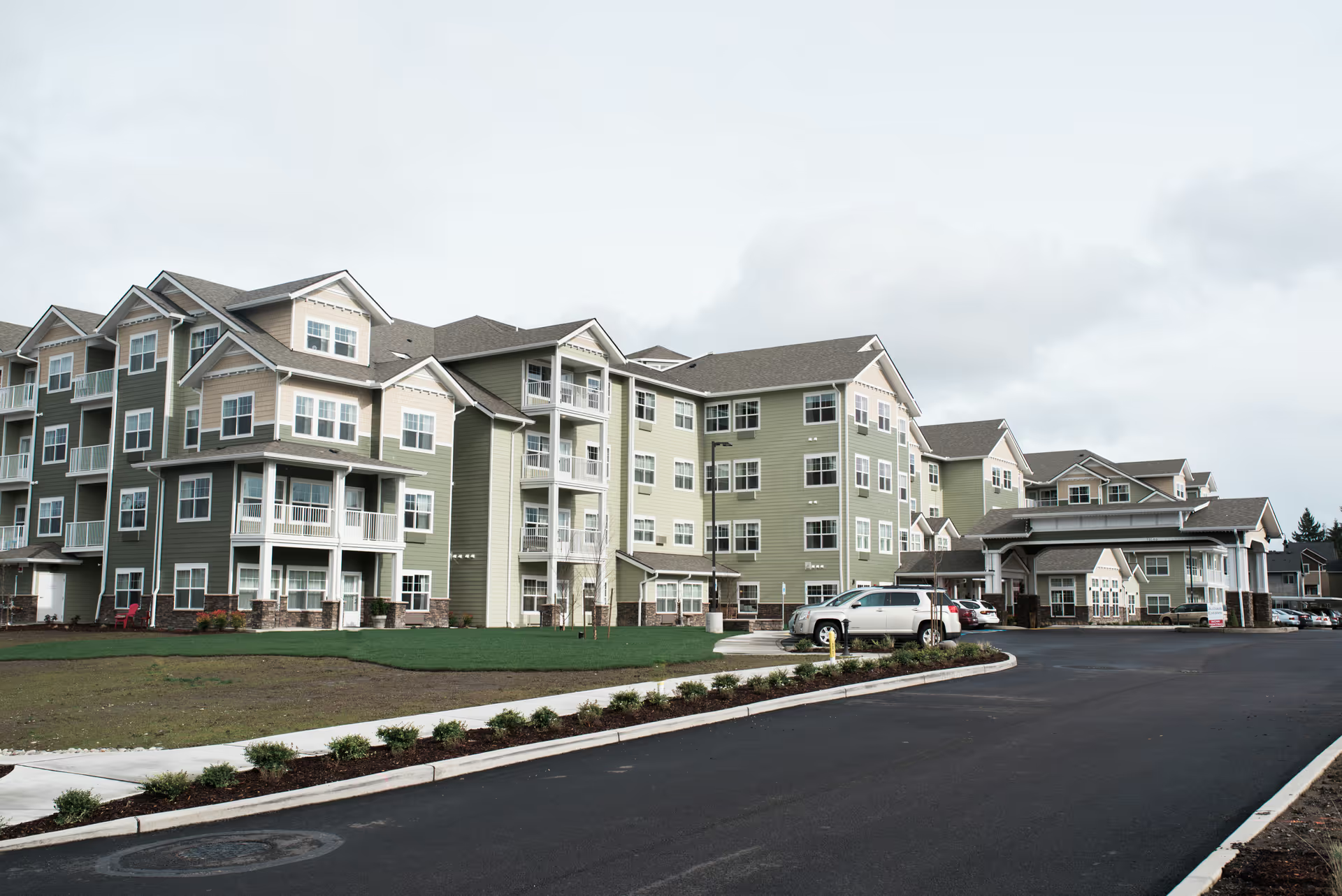
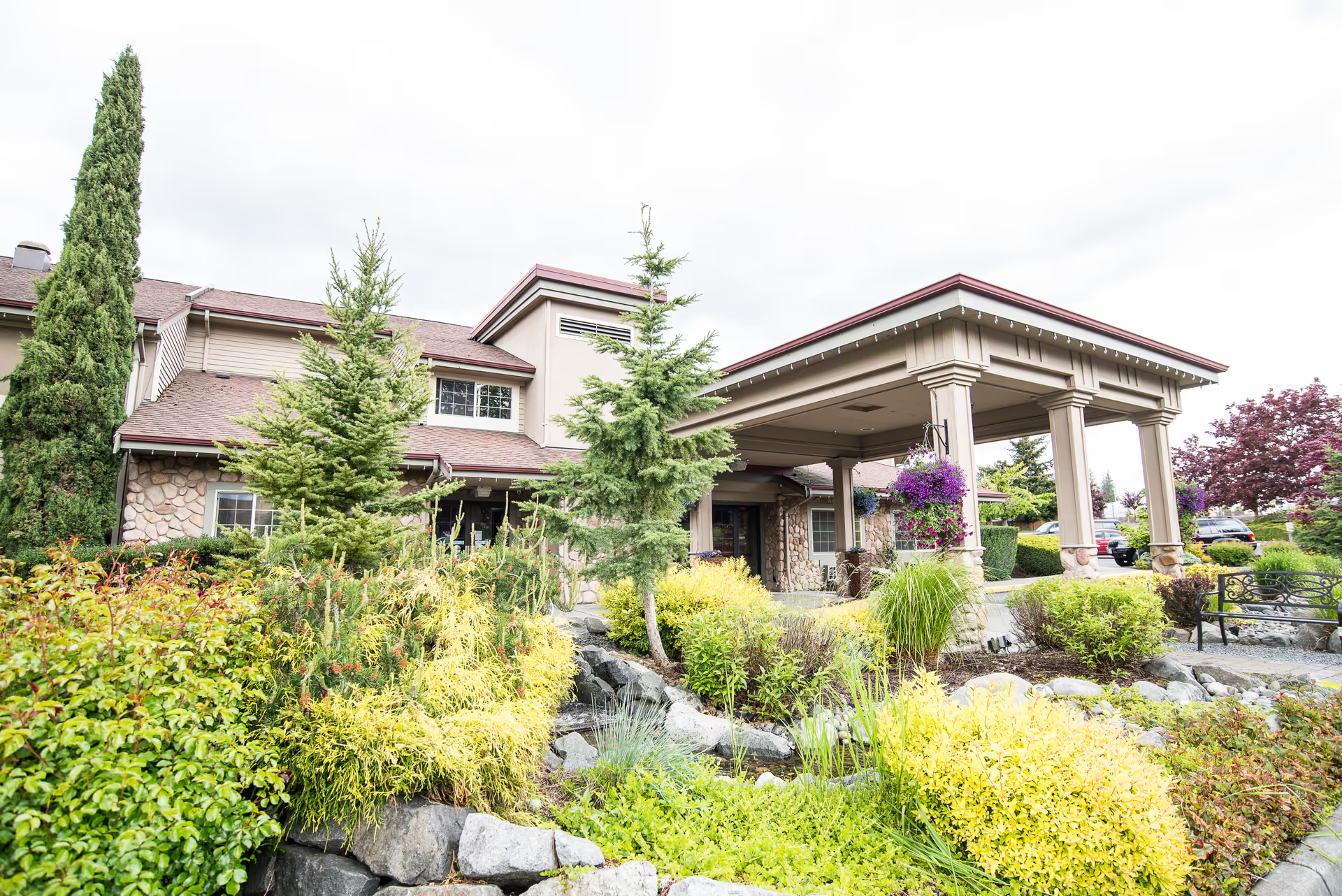
The Rivers at Puyallup presents a mixed but informative picture. Strengths are concentrated in frontline caregiving, social programming, and dining: reviewers consistently describe caregivers as compassionate and engaged, and the community maintains an active life-enrichment calendar (arts and crafts, games, exercise classes, outings, movies, trivia, and specialty offerings). The memory-care unit and dementia-specific programming are highlighted positively; families note structured activities, dementia education resources, and a warm, family-oriented atmosphere. The facility's downtown location, communal spaces (coffee area, large community room, patio) and on-site amenities (salon, theater, laundry support) support social engagement and convenience.
Dining and facilities are frequently cited as assets. Many accounts describe restaurant-style service, a variety of menu choices, flexible dining hours, and generally clean, well-kept interiors. Apartment configurations often include full-size refrigerators or kitchenettes and handicapped-accessible bathrooms; some units are described as spacious and comfortable. Conversely, the building is older and undergoing refurbishment in places, so prospective residents should expect variability in unit size, storage capacity, and some exterior touch-ups or parking constraints.
Notable operational patterns raise caution. Staffing stability and administrative responsiveness emerge as recurring concerns: high turnover, leadership vacancies, and uneven staff coverage are linked to inconsistent completion of routine personal-care tasks and occasional understaffing in memory care. Management communication weaknesses and delays in follow-up are described alongside several examples of billing disputes, delayed refunds, unclear contract terms (including nonrefundable community fees and private-pay policy), and high ancillary charges (medication-administration and other service fees). There are also accounts of missing personal items and worries about oversight of resident belongings and communal interactions, indicating a need for clearer property-security protocols and supervision practices.
Quality of care can be strong but variable. Many families praise nurses, aides, and therapy staff for individualized attention and fast, organized move-ins; others cite lapses in day-to-day care continuity (inconsistent bathing or grooming, limited doctor visits, or night checks that some families found unnecessary). Meal quality is generally seen as a positive but with intermittent inconsistencies in temperature and presentation. Noise from nearby trains and limited parking are practical considerations for location-sensitive residents.
For prospective residents and families: The Rivers at Puyallup may be a good fit for those who prioritize active programming, engaged caregiving staff, robust memory-care programming, and a downtown setting with on-site amenities. Before committing, families should review contracts and fee schedules closely, ask for current staffing ratios (particularly in memory care), clarify medication/ancillary charges and refund policies, inquire about property-security practices, and tour the specific unit to assess room size and condition. These steps can help align expectations with the variable administrative and operational experiences described across reviews.