Overall impression: Reviews present a mixed but informative picture. Many families and residents praise the facility’s modern physical plant, active programming, and a caregiving staff that is often described as compassionate, attentive, and resident-focused. At the same time, recurring operational weaknesses—primarily related to staffing, clinical coverage, and communication—appear frequently enough to warrant attention from prospective residents and their families.
Care and staff: Staffing and direct-care quality are the most polarizing themes. Numerous accounts highlight caregivers who treat residents with dignity, learn names, and provide supportive, individualized attention; staff are frequently credited with making transitions easier and offering emotional support. Counterbalancing those positives are persistent reports of understaffing on nights and weekends, slow response to assistance requests, and variability in caregiver skill and conduct. There are also multiple concerns about gaps in clinical leadership (limited on-site nursing coverage and episodic availability of advanced practice clinicians) and inconsistencies in medication administration and clinical follow-through. A small number of serious complaints, including concerns following a resident’s death and allegations of inappropriate management conduct, are present in the record and merit careful follow-up by families and regulators.
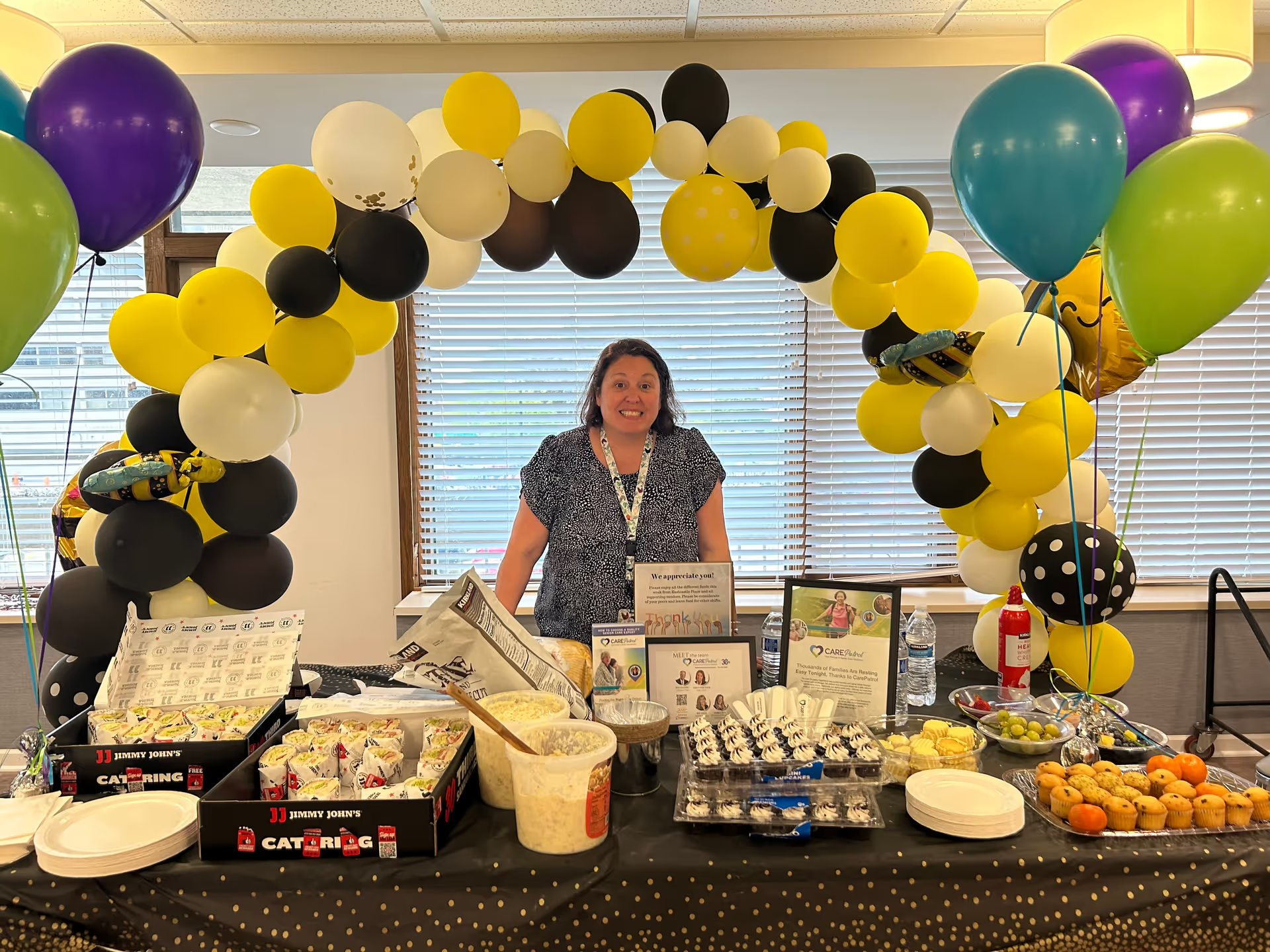
Dining and activities: The dining program is often cited as a strength—residents describe well-prepared meals, a chef who solicits feedback, fine-dining experiences, and availability of snacks. However, meal-service continuity can degrade when staffing is limited, producing delays or shortages on occasion. Activity offerings are consistently praised: a robust calendar, frequent outings and shopping trips, transportation for medical appointments, and structured memory-care engagement create an active social environment that many residents find meaningful.
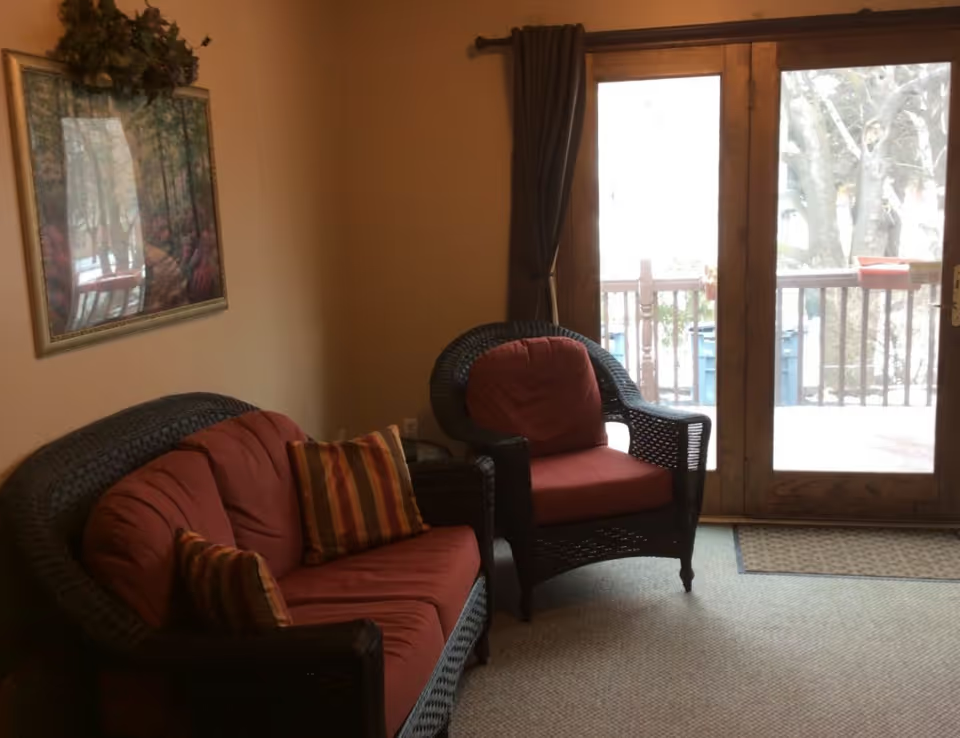
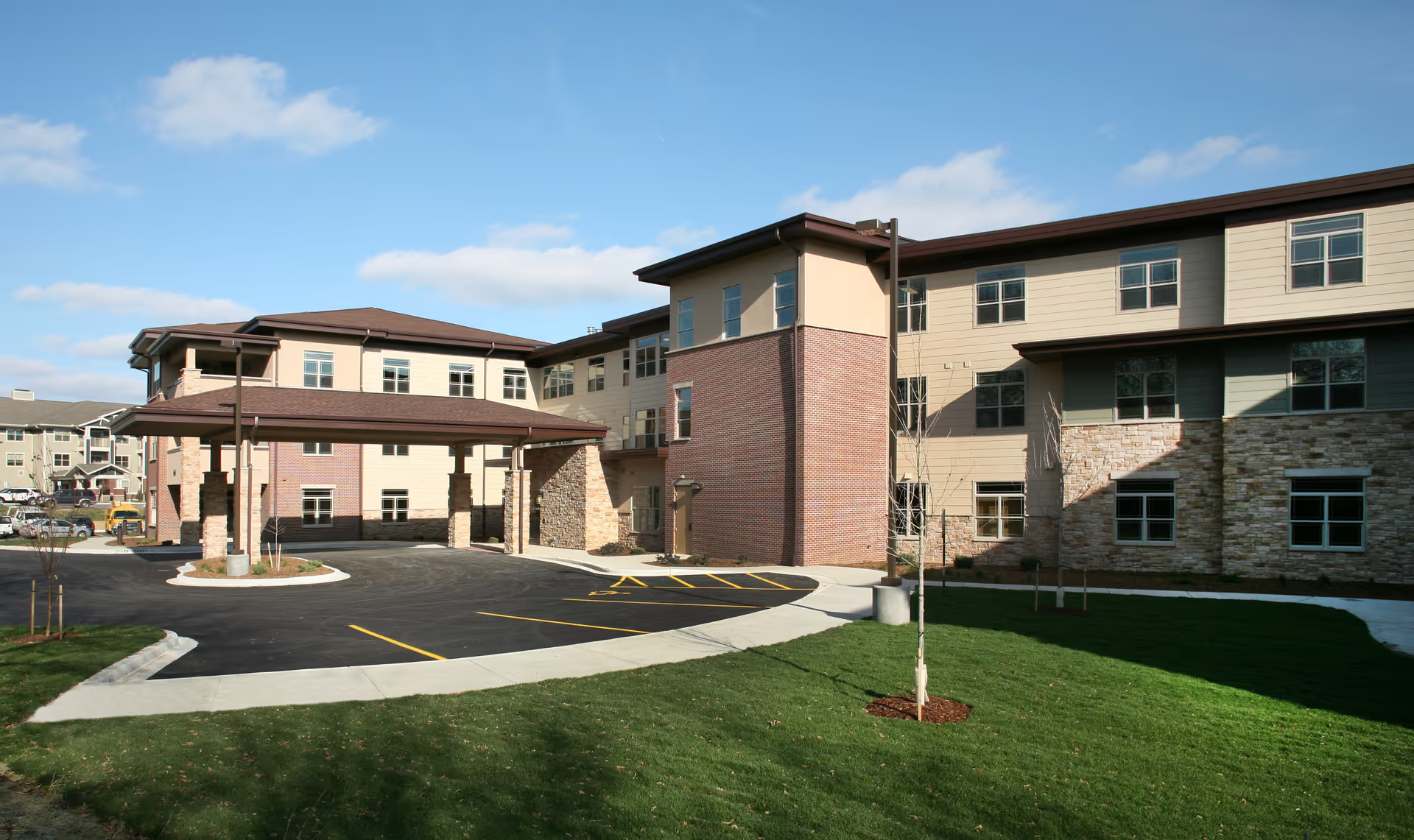
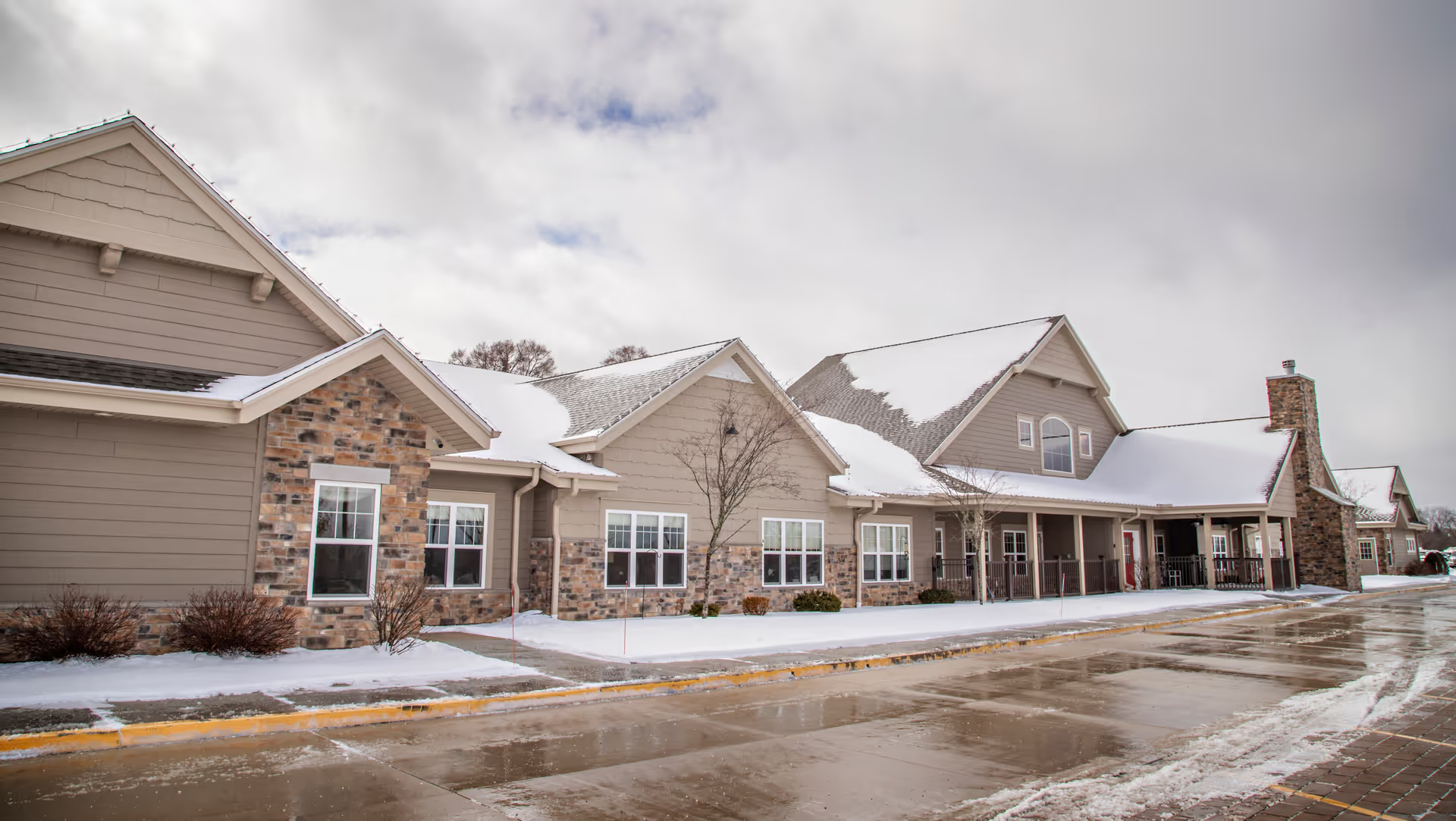
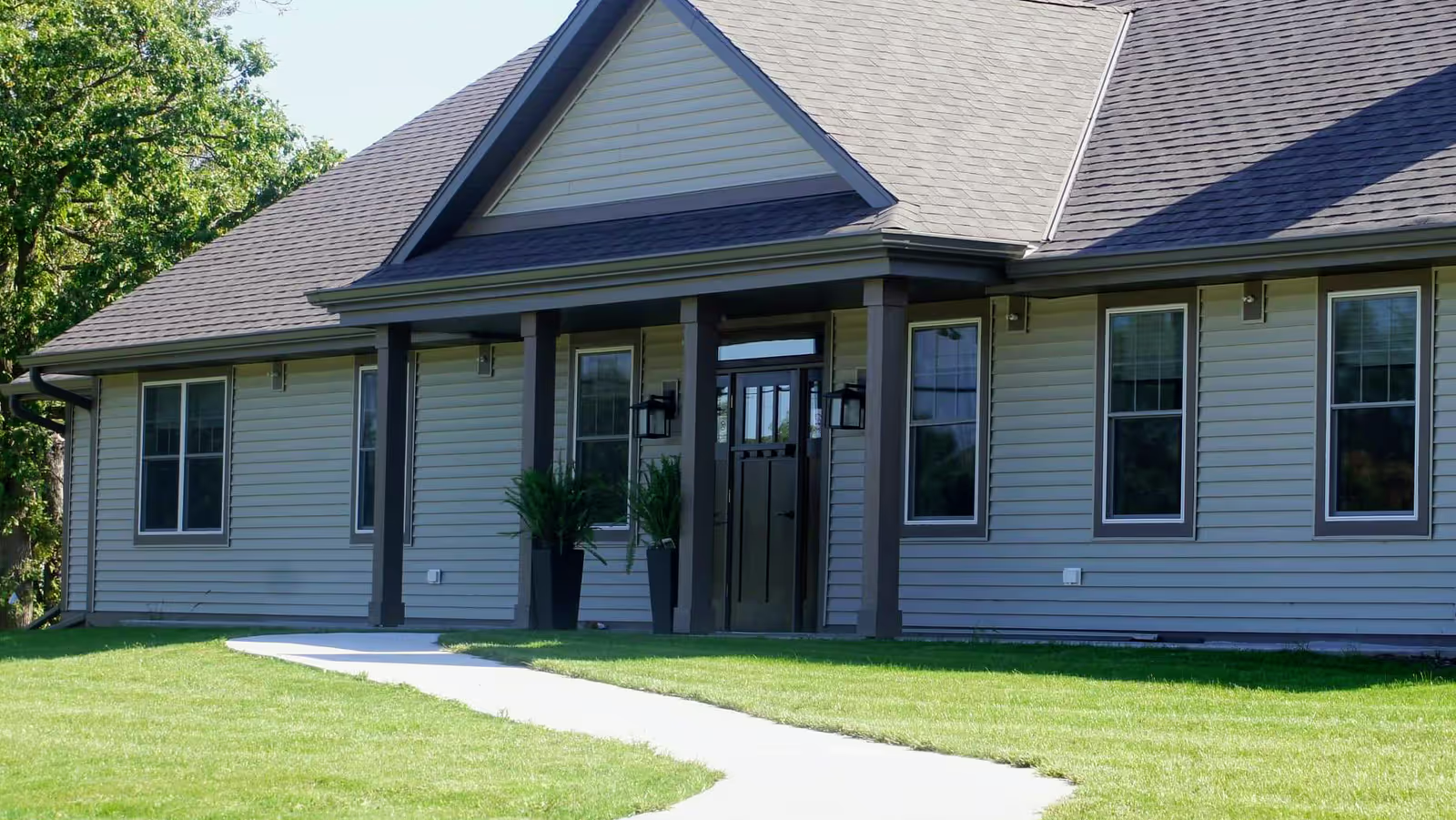
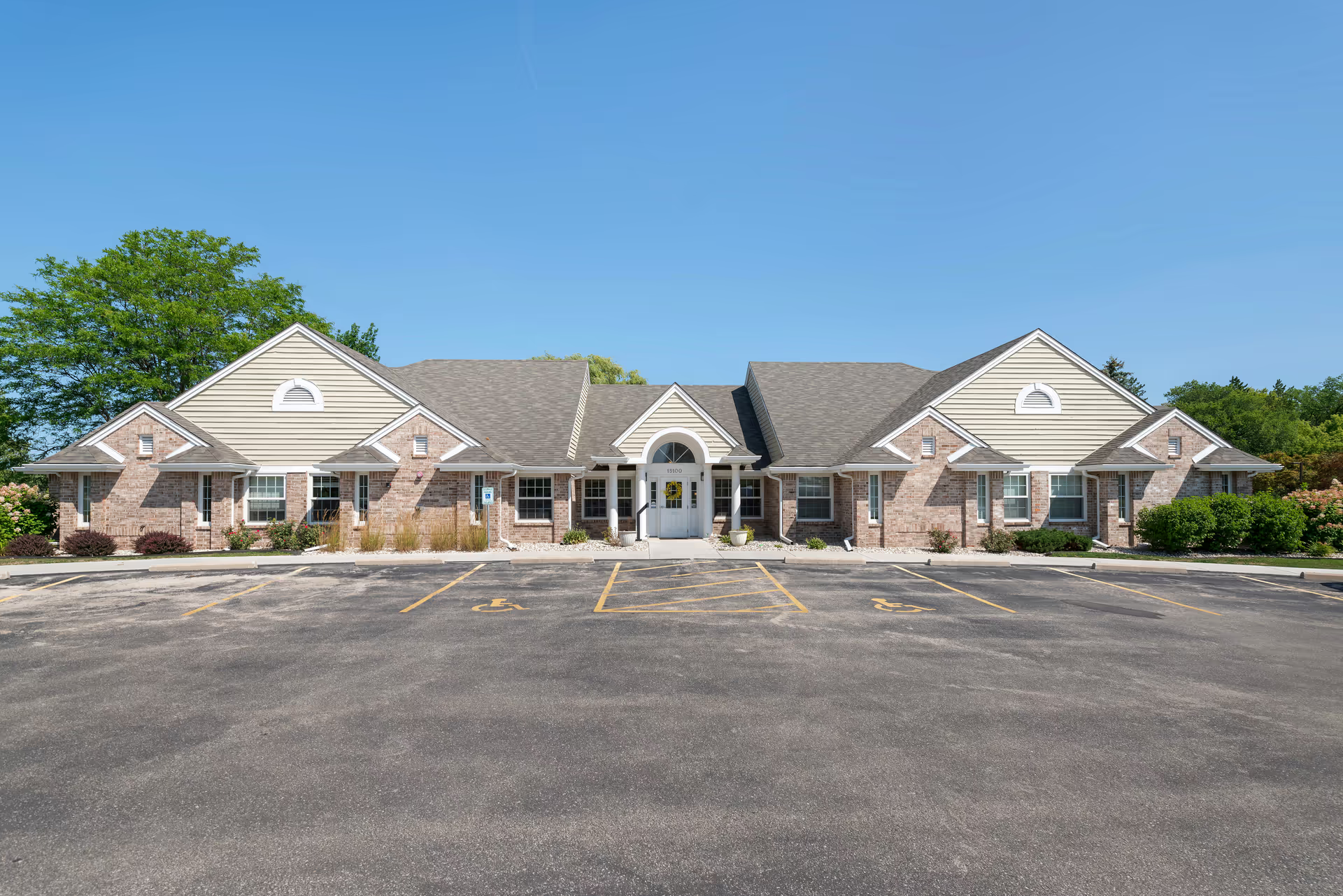
Facilities and amenities: The facility’s new, hotel-like design, spacious apartments, and on-site amenities (salon, gym, therapy, library, theater, family spaces) receive positive remarks. Housekeeping and shared-area cleanliness are frequently noted as good. Practical facility issues appear as well—examples include limited placement of call buttons in some units and periodic sanitation or incontinence-care concerns reported by families. These operational gaps can be especially important when considering higher-dependency residents.
Management, communication, and cost: Admissions and sales staff often leave a positive first impression and can facilitate rapid move-ins and short stays. Conversely, several families describe inconsistent follow-through from administration, limited visibility of managers, and defensive or unresponsive leadership in resolving problems. Communication around care plans, medication management, and billing can be disorganized in some cases. Financially, the community is perceived as high cost; families report an expensive on-site pharmacy option and recommend clear discussions about fees and third-party service pushes during touring and contracting.
Notable patterns and recommendations: If your primary priorities are a modern facility, strong activity programming, and caregivers who provide social and emotional support, this community appears to deliver those experiences for many residents. If clinical continuity, reliable night/weekend staffing, strict adherence to care plans, and transparent administrative communication are nonnegotiable, prospective families should conduct targeted due diligence: ask about nurse and clinician coverage schedules, call-button locations and response-time metrics, staff-to-resident ratios on all shifts, procedures for medication administration and incident reporting, and detailed cost breakdowns (including pharmacy). Visiting during a weekend or evening shift and speaking with current families can help clarify how consistently the facility meets expected standards across those operational domains.