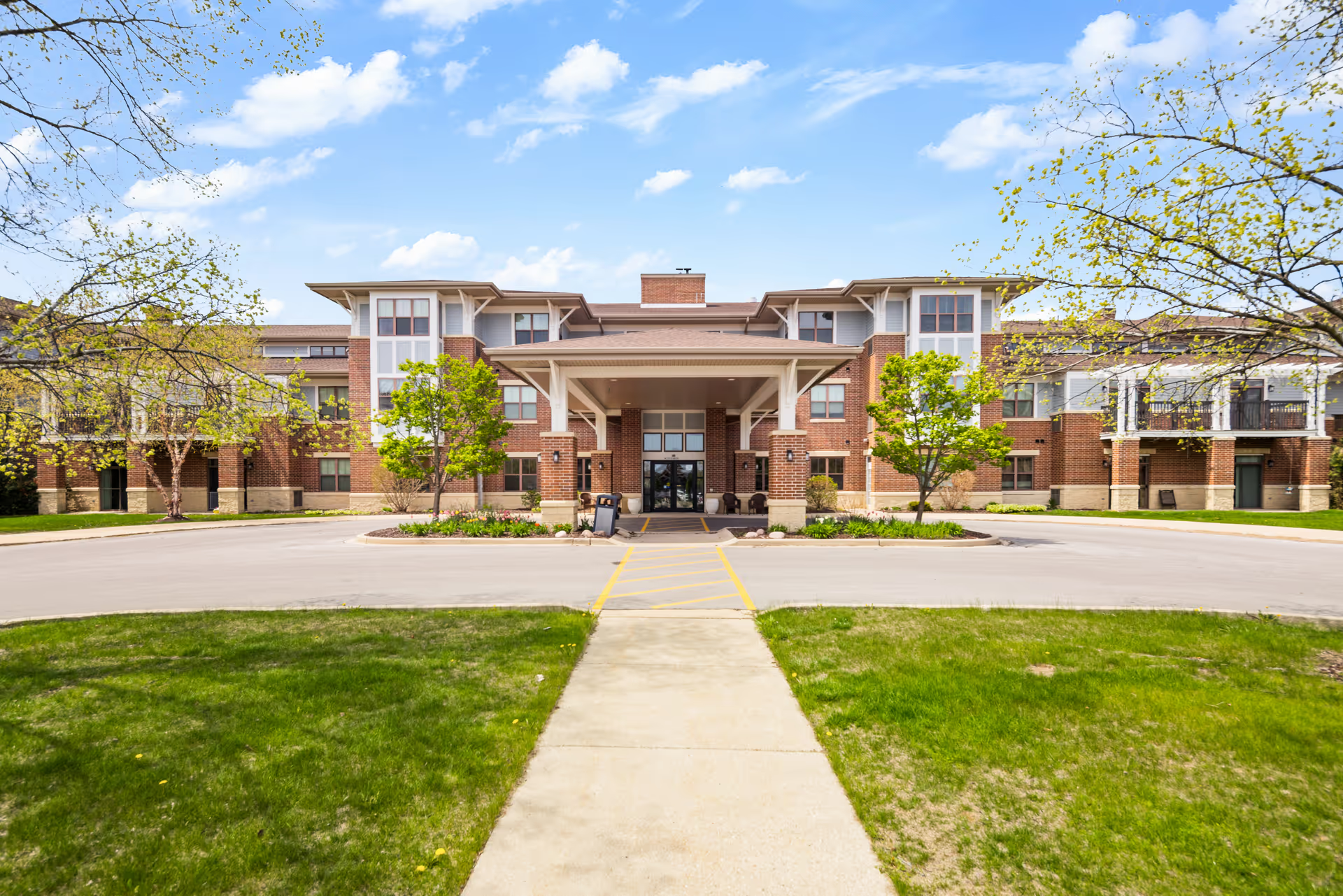
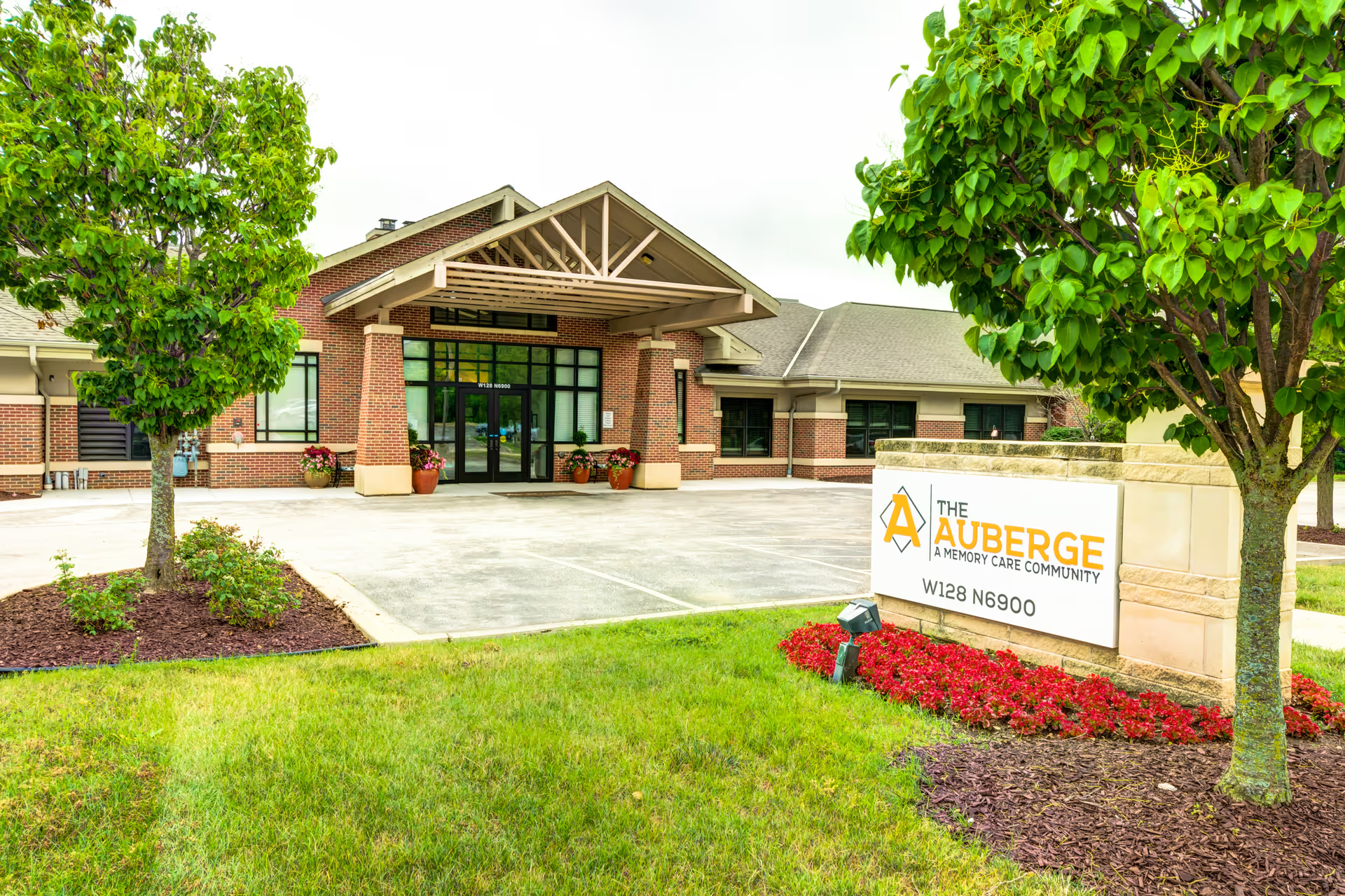
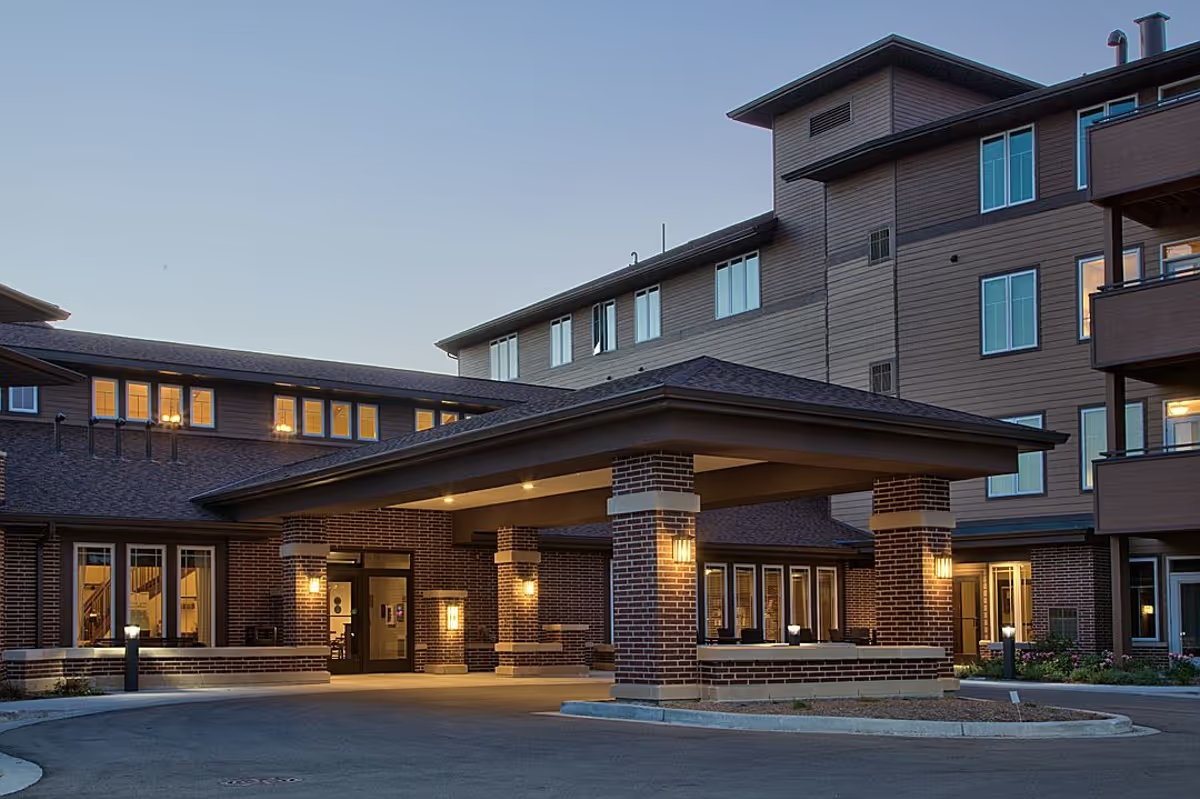
The Arboretum presents a mixed but informative portrait: many families and residents praise a warm, social community, a broad activities program, and staff who are personally engaged with residents. The campus and apartments appeal to people seeking a woodsy, non‑institutional environment — several reviewers highlighted spacious, renovated units, balconies, a pond and walking paths, an on-site salon, and routine transportation and outings. The facility provides multiple levels of care on one campus (independent, assisted, memory), and some on-site clinical supports and therapy services are available, which families found helpful for routine needs.
Staff and care quality are a central theme with divergent impressions. Numerous comments describe compassionate, respectful caregivers who know residents by name and prioritize social and emotional well‑being. At the same time, a recurring operational pattern is inconsistent staffing and high turnover after a management change; this has been associated in reviewer accounts with lapses in attentiveness, concerns about medication administration processes, and variability in shift coverage. Memory care capability is present, but some families raised concerns about supervision and security practices there; prospective families should ask about staffing ratios and oversight in that unit.
Dining and programming are strengths for many residents but uneven in execution. The community offers three meals daily, room service options, frequent social events, and organized outings; reviewers frequently cited trips, games, and social activities as positive contributors to resident quality of life. Conversely, there are repeated notes about inconsistent food quality and service continuity, occasional problems accommodating dietary restrictions, and varying participation levels in activities. Those experiences suggest meal‑service reliability and individualized meal accommodations are areas to confirm during a visit.
Facility and operations show contrast between refreshed public spaces and areas needing further work. Renovations and brightened common areas were praised, yet the building is older in places and reviewers described limited modern amenities (no central air in some units, small exercise space, narrow alcoves or long hallways that affect accessibility). Cleanliness was generally acceptable in common areas for many reviewers, but there are also specific sanitation and pest‑control concerns described for some units; maintenance responsiveness was praised in many accounts but described as variable by others.
Management and administrative patterns merit careful review. A change in leadership or ownership was associated with service disruption in multiple accounts; some families reported that issues improved after feedback, while others described unresolved billing and contract disputes (for example, charged rent after move‑out or strict notice policies). There are also serious, isolated allegations about billing and financial handling that prospective families should investigate directly with management and in contract review.
Bottom line: Arboretum can offer a warm, activity‑rich environment with multi‑level care and attractive outdoor spaces, and many residents report high satisfaction with staff and community life. However, reviewers also describe operational weaknesses — notably inconsistent staffing, occasional lapses in clinical oversight and meal service, cleanliness/pest‑control issues in some units, and contract/billing disputes. Families considering this community should conduct an in‑person visit, review staffing levels and medication protocols, ask about pest‑control history and cleaning plans, confirm meal‑accommodation procedures, and carefully review contract and billing terms before committing.