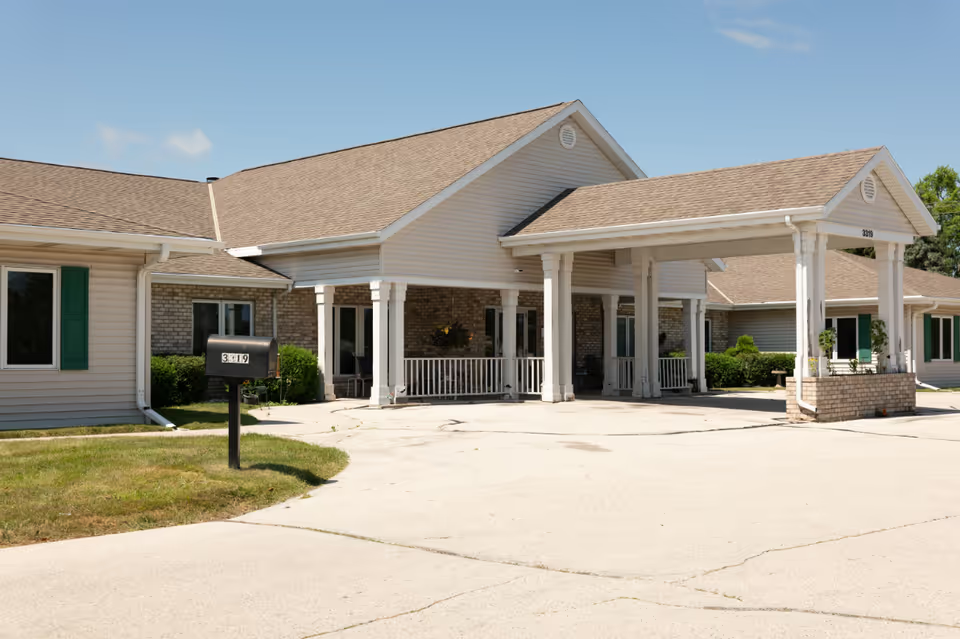
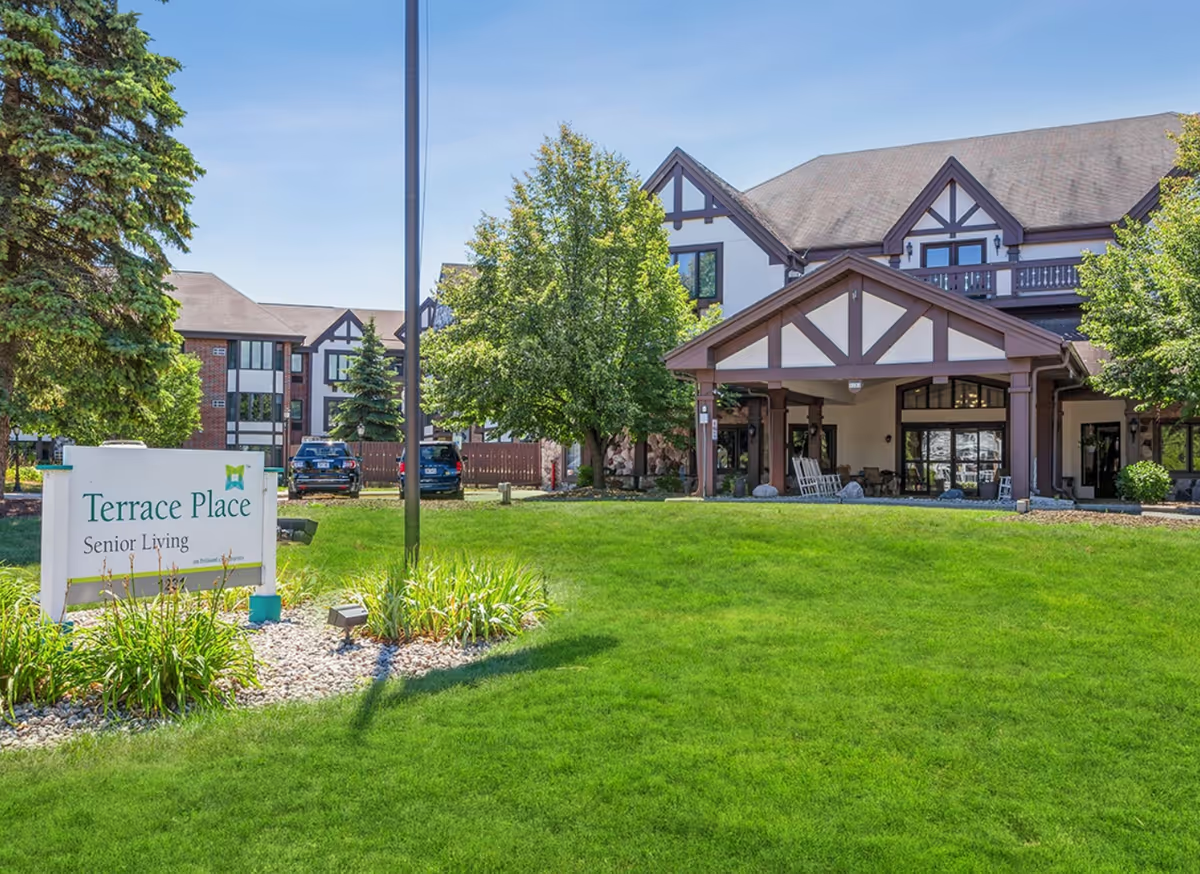
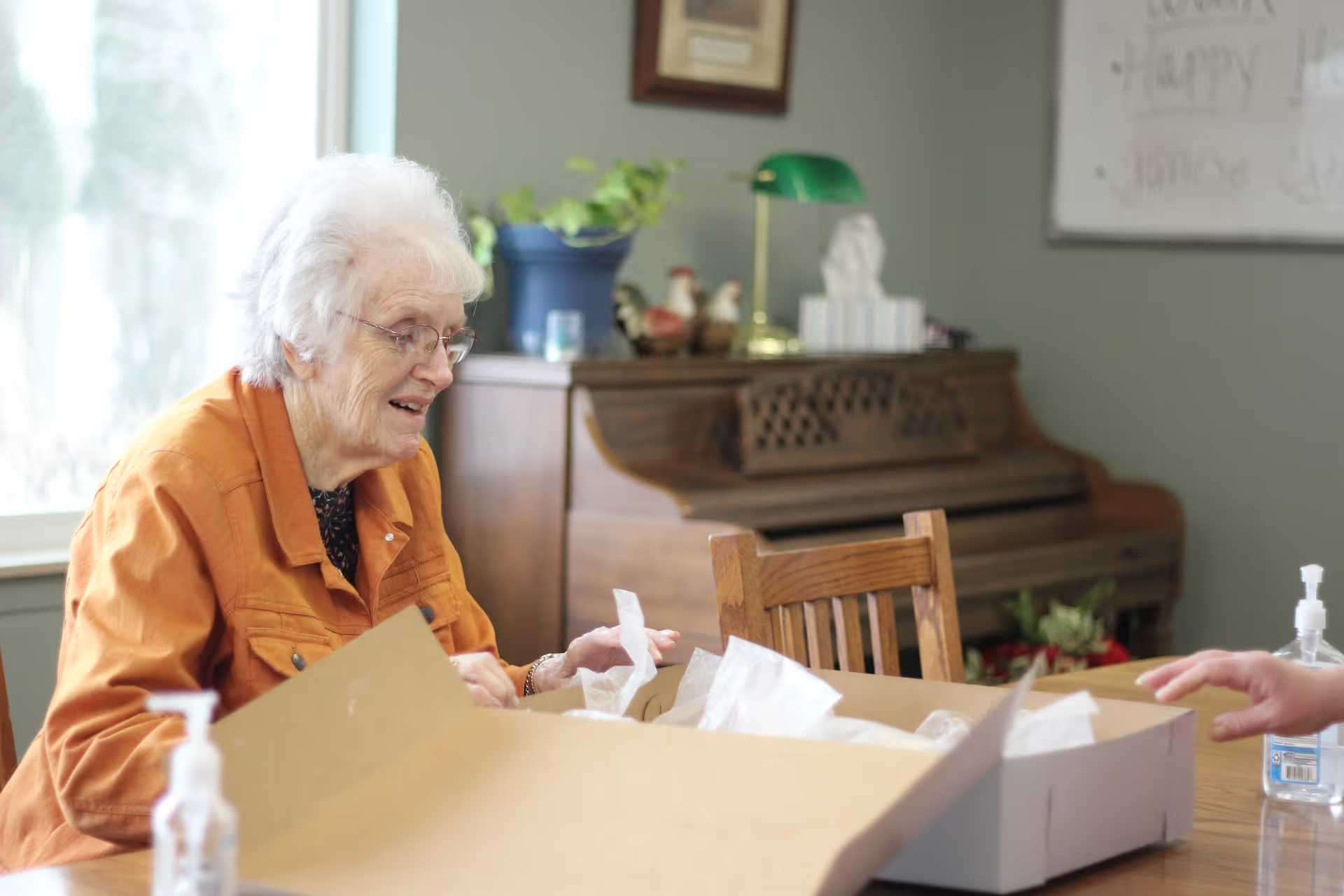
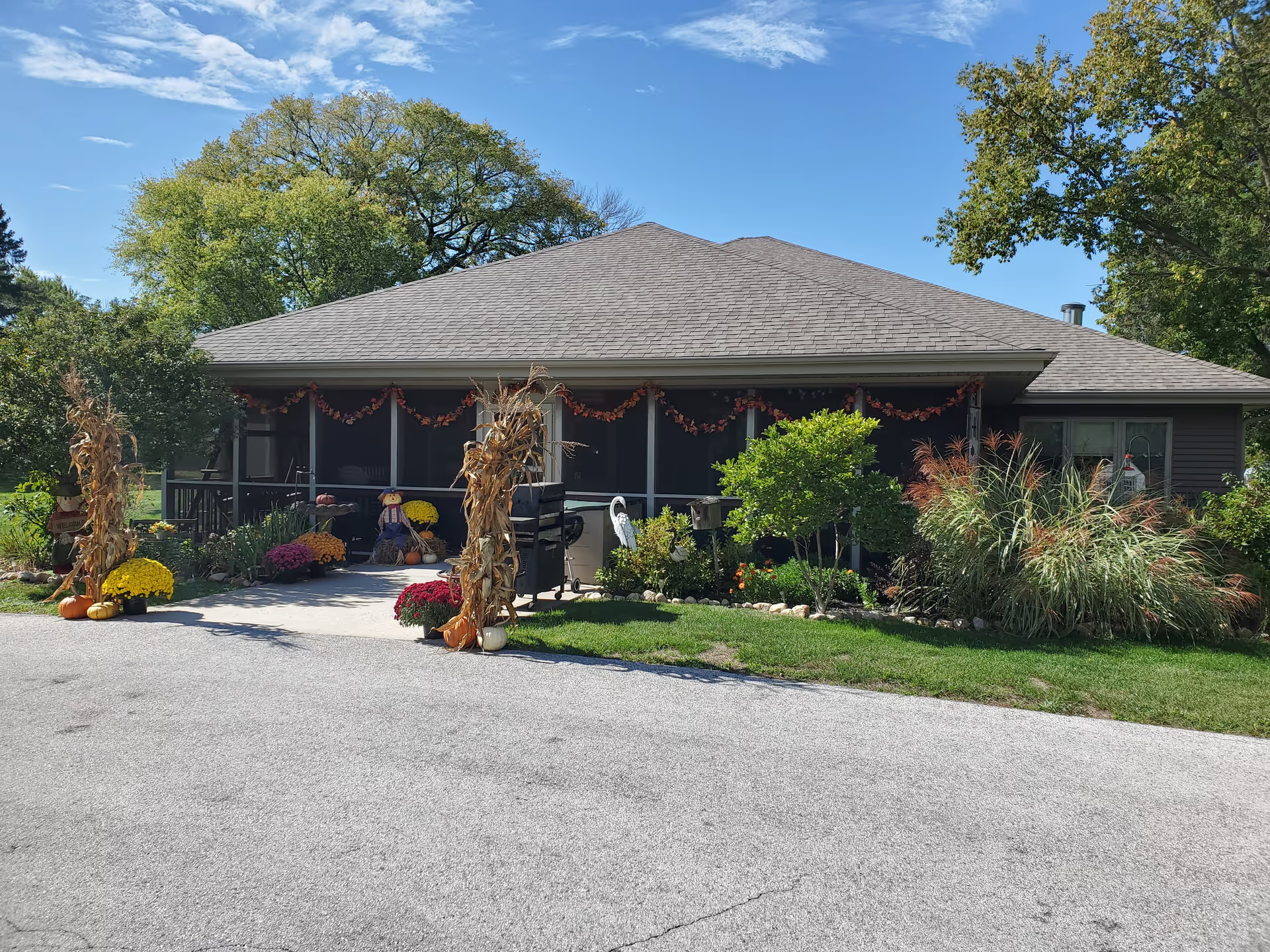
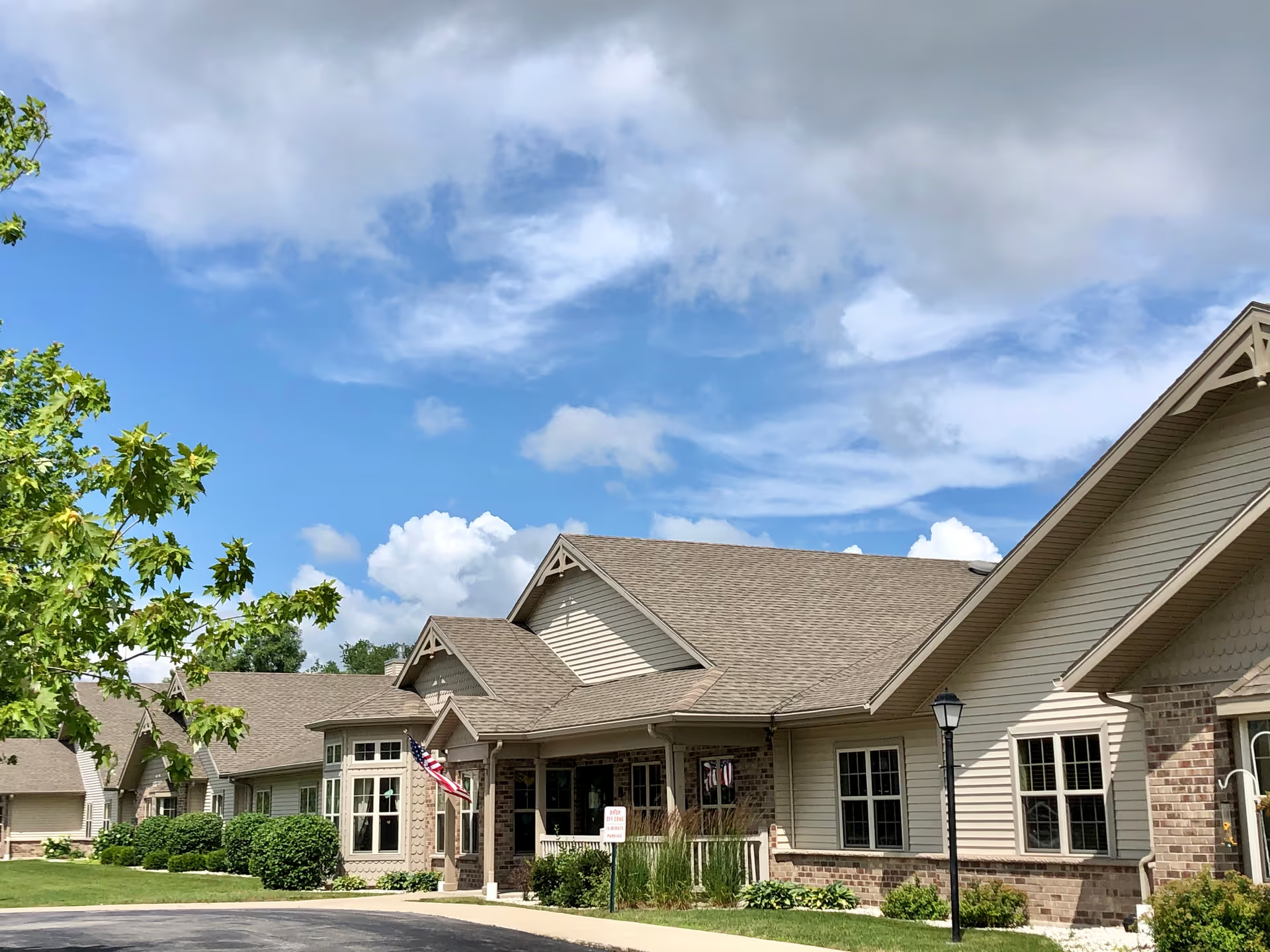
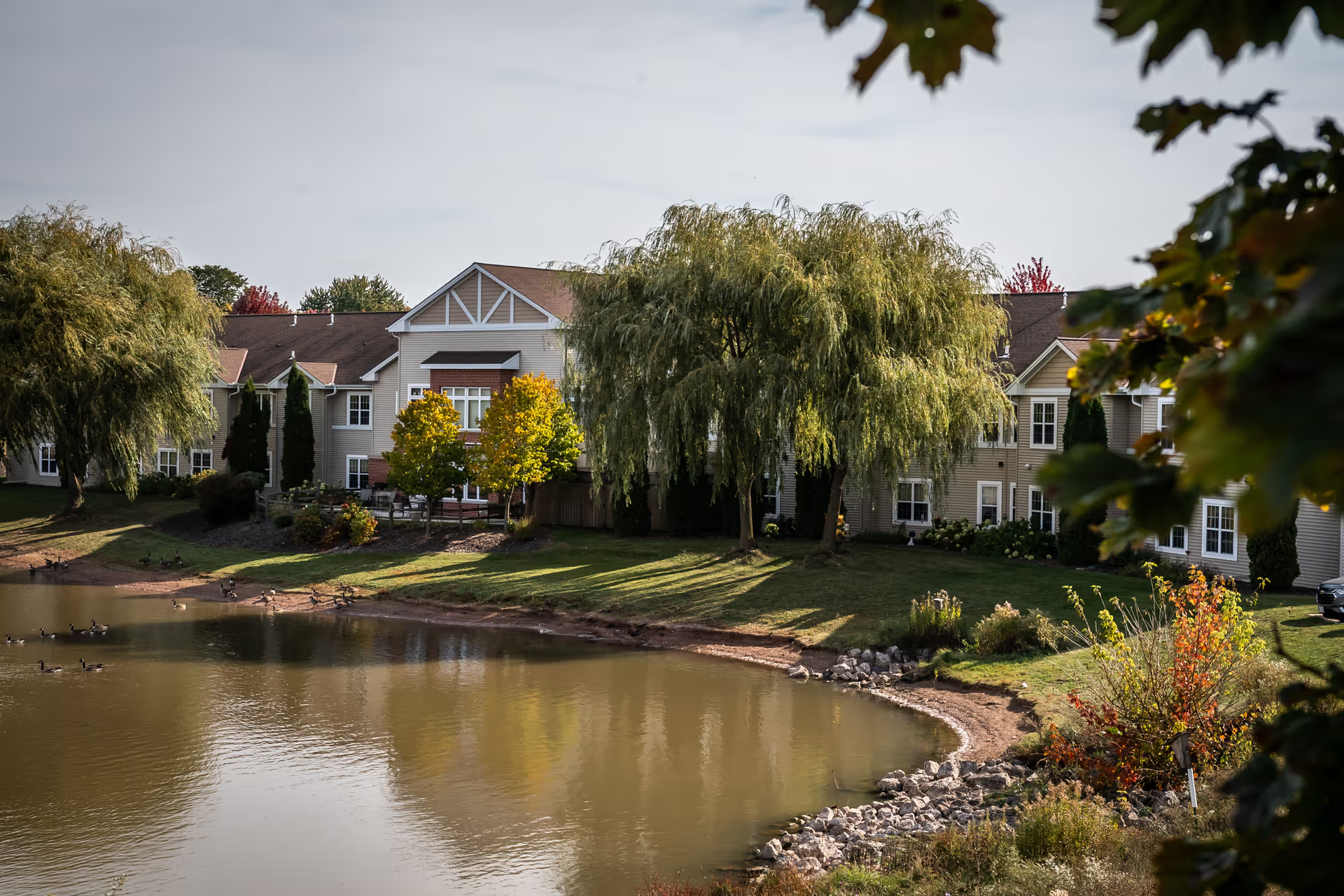
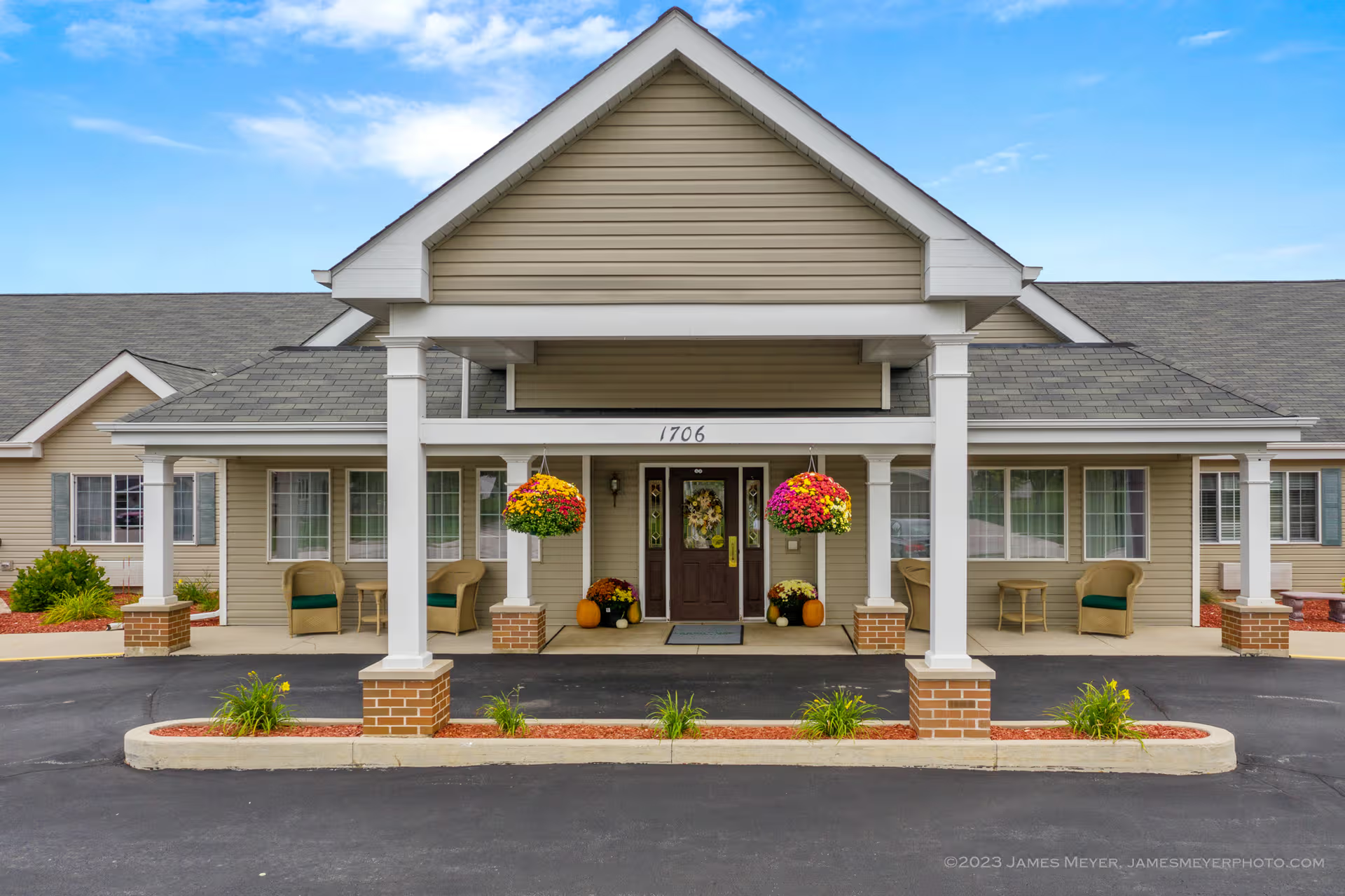
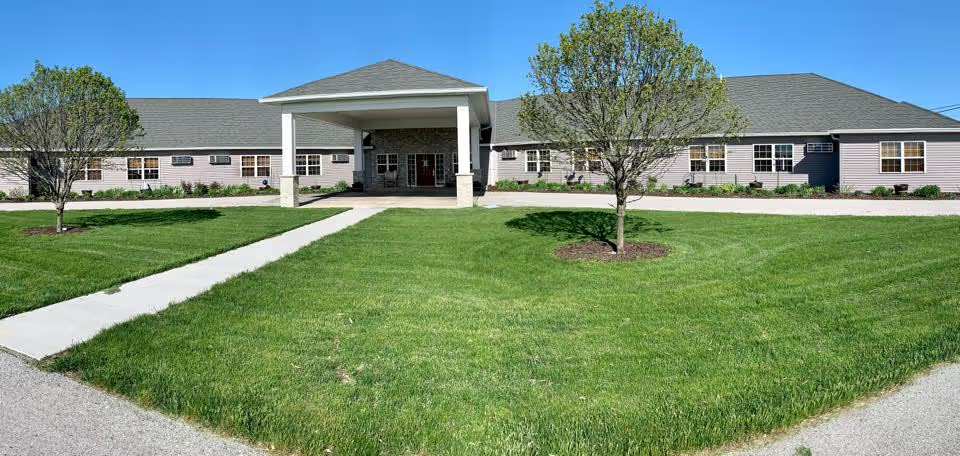
The reviews for Sheboygan Senior Community present a mixed picture. Many families and residents praise the interpersonal side of the operation: staff are frequently described as compassionate, dedicated, and attentive, with an observable sense of teamwork and mutual support. Several accounts highlight a warm, family-like atmosphere, adequate room sizes, a clean and attractive building, convenient location, engaging activities, and generally satisfying meal service that delivers warm, nutritious food.
At the same time, there are recurrent operational concerns that affect the quality of clinical care and reliability of daily services. Multiple reviewers described delayed responses to call buttons (examples noted of 45+ minute waits), intermittent misses in medication administration, and inconsistent bathing or personal-care scheduling. These point to gaps in staffing consistency, clinical responsiveness, and day-to-day care coordination that can materially affect resident comfort and safety.
Clinical coordination and follow-through also appear inconsistent. Some reviewers reported difficulties obtaining timely allied-health services (dental, imaging referrals) and described problems related to wound care and pressure-injury prevention. Together these indicate potential weaknesses in clinical-assessment processes, referral pathways, and preventive-care protocols that leadership should address to ensure continuity of care.
Dining, activities, and facility upkeep are areas of relative strength. The activity program is described as engaging and events are appreciated by many residents; meals are commonly described as warm and well-prepared. The physical environment receives positive remarks for cleanliness and pleasant presentation, which supports resident well-being when staffing and clinical processes are functioning as intended.
Overall, reviewers describe a facility with strong interpersonal strengths among frontline staff but uneven operational and clinical reliability. For prospective residents and families, useful follow-up questions include current staffing ratios and turnover, call-response benchmarks, medication-administration audit practices, wound-care protocols, and procedures for arranging allied-health referrals. These targeted inquiries can help clarify whether the facility’s interpersonal strengths are matched by consistent clinical and operational performance.