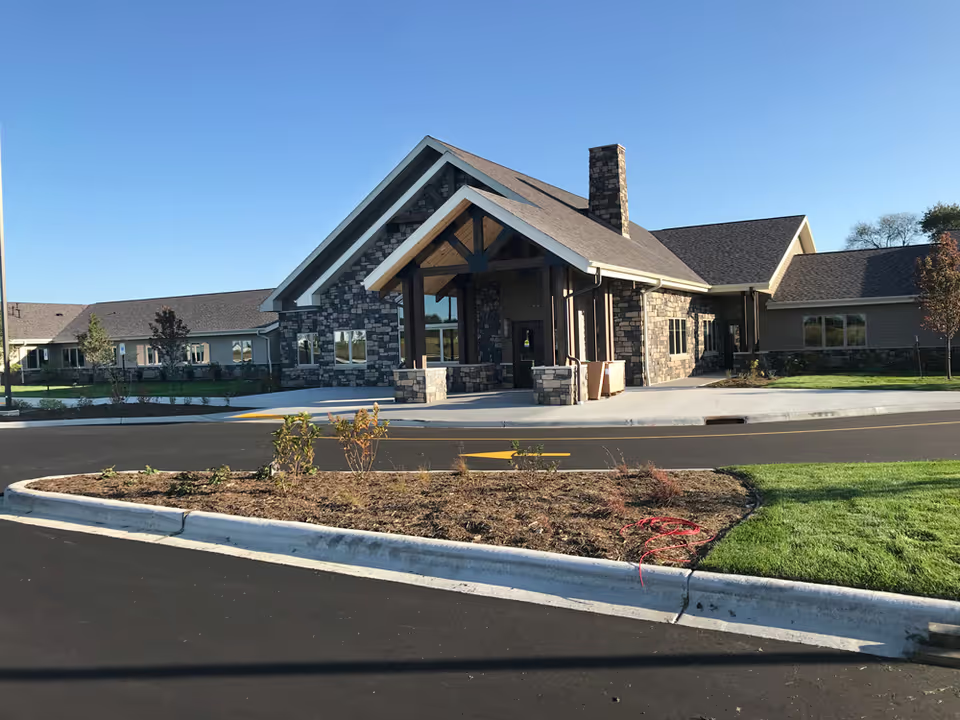
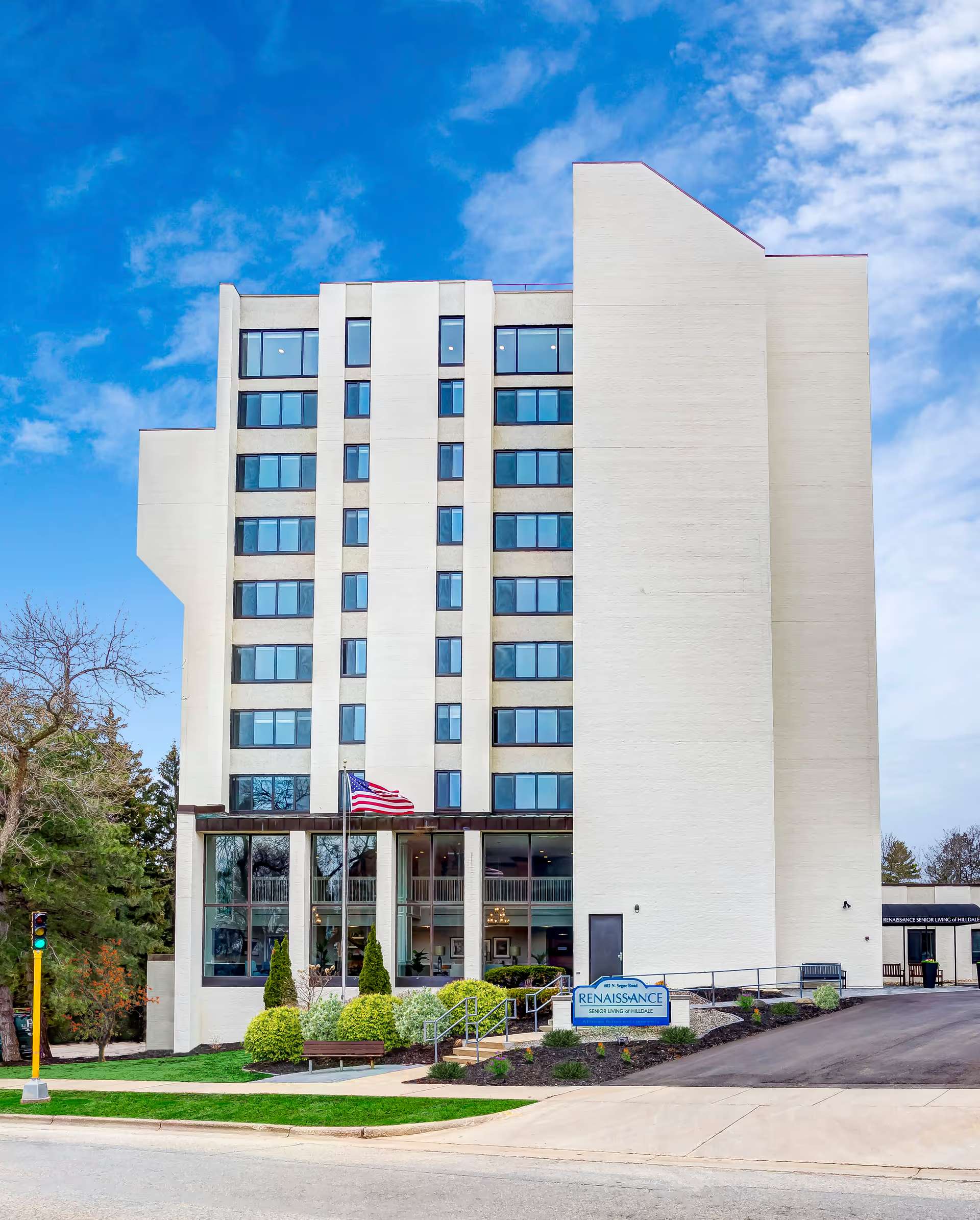
Waunakee Manor elicits a mixed but actionable picture: several reviews highlight strengths in hands-on care, rehabilitation, and facility upkeep, while others identify operational gaps that affect family confidence. The facility offers a full continuum of services — independent living, assisted living, skilled nursing, and rehabilitation — with particular praise for therapy teams who deliver personalized plans and measurable mobility and independence gains. Many families described warm, compassionate interactions with caregiving staff, supportive social-work services, engaging activities (including pet visits), and tidy common areas with pleasant outdoor spaces.
Clinical care shows both clear strengths and notable variability. Therapy and rehab services are frequently cited as skilled and effective, including staff familiar with Parkinson’s care. At the same time, reviewers raised concerns about inconsistent staffing levels, uneven nurse/CNA conduct, and delays in responding to resident needs. There are operational concerns around medication management and documentation of fluid intake, as well as perceptions of gaps in internal quality-assurance follow-up. Some families expressed reluctance to escalate issues because of perceived defensiveness or fear of retaliation in complaint handling.
Dining and daily life present a similar pattern of contrasts. Activity programming and family-inclusive events receive positive comments for keeping residents engaged; pet visits and outreach activities were valued. Conversely, meal quality and dining consistency were flagged as variable, with some reviewers describing limited or unsatisfactory menu experiences. Facility layout and size also influence daily life: many find the building clean and well maintained, but independent-living areas and long corridors may be less convenient for residents preferring smaller, more navigable footprints.
Management and safety themes recur across reviews. Several accounts point to an improvement in staffing and a move away from agency reliance following a management transition, which some families and staff view positively. However, there are persistent concerns about admissions practices, including pressure tactics around deposits and unit assignments, and at least one incident raised questions about security and the handling of personal-belonging incidents and police involvement. Prospective residents and families should ask specific questions about current staffing ratios, clinical documentation practices (medication and fluid tracking), complaint and incident escalation protocols, dining menus, and move-in/financial policies. A tour that includes conversations with therapy staff, social work, nursing leadership, and current residents can help assess whether the present operational trajectory aligns with a family’s priorities.