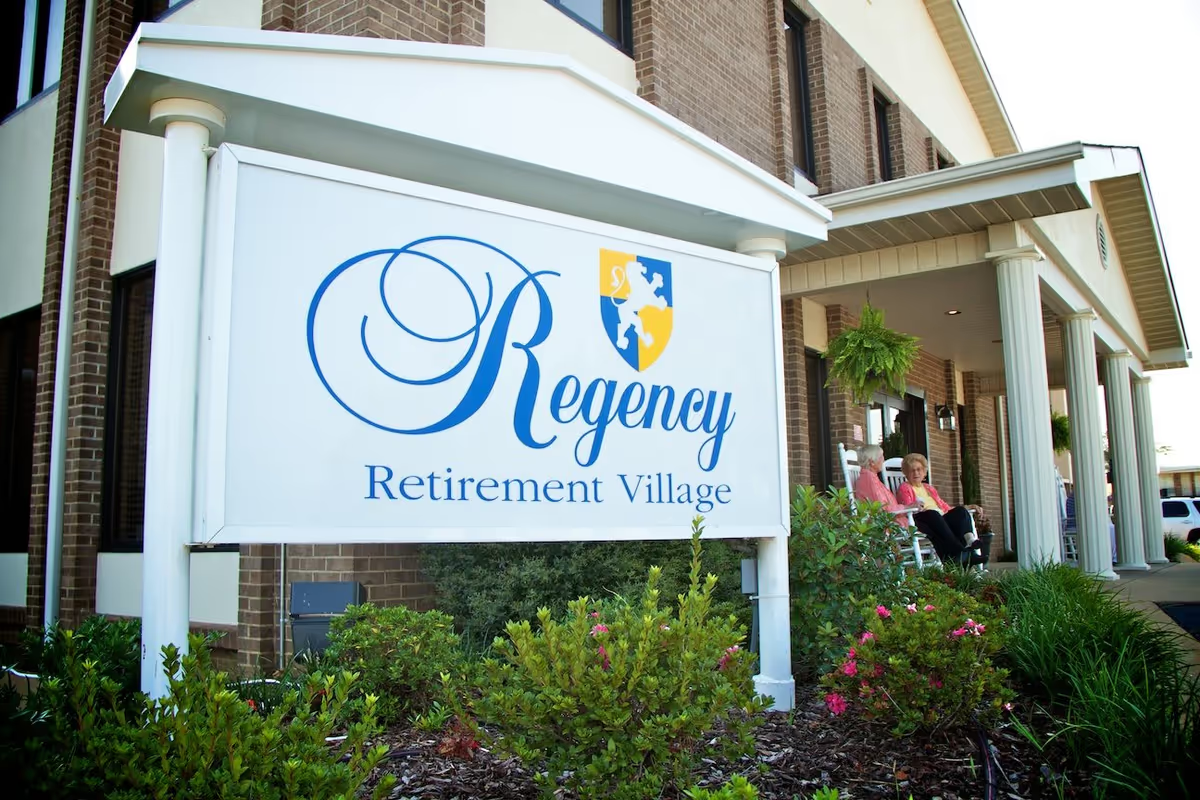
Overall impression: The facility is consistently described as a modern, well-appointed community with many hotel-like finishes, attractive common spaces, and a broad range of amenities. Reviewers highlight a strong culinary program, a large and pleasant dining room with an open kitchen, and apartment-style units that create a residential feel. Safety features (emergency pulls, life‑alert pendants, and designated safe rooms) and onsite amenities such as a theater, spa/whirlpool, activity rooms, and an enclosed courtyard are noted positives that support both quality of life and emergency preparedness.
Care and staff: Many families praise the staff as caring, professional, and attentive, with good daytime coverage, proactive check-ins, and reliable transportation for medical appointments and outings. At the same time, there are repeated observations of variability in staff performance: elevated turnover, weaker night-shift coverage, and instances described as concerns about staff conduct or tone. There are also mentions of delays in responsiveness to some resident needs and specific concerns related to how incontinence care and linen/laundry are handled. In at least one instance reviewers raised an isolated allegation about staff–resident interaction; while not a systemic finding on its own, it contributes to a pattern of uneven staff behavior that families should evaluate.
Dining and housekeeping: The food service is frequently praised for being flavorful and restaurant-style, with an experienced chef and positive meal experiences for many residents. A number of reviewers, however, described inconsistent food quality and dissatisfaction in some cases. Housekeeping and supply management emerge as operational weak points in several accounts — examples include inconsistent linen changes, trash removal, and periodic shortages of basic supplies — indicating variability in routine service delivery rather than a uniform standard.
Activities and memory care: Activity programming is a clear strength for many residents: trips, movies, crafts, games, church services, and regular outings are part of the community’s offerings. The facility also provides integrated memory-care services, but reviewers describe variability in dementia-care engagement and stimulation. Some report well-run, engaging memory-care days; others note limited resident stimulation or restrictive practices. Prospective families should ask for specifics about daily routines, staffing ratios in memory care, and examples of tailored engagement.
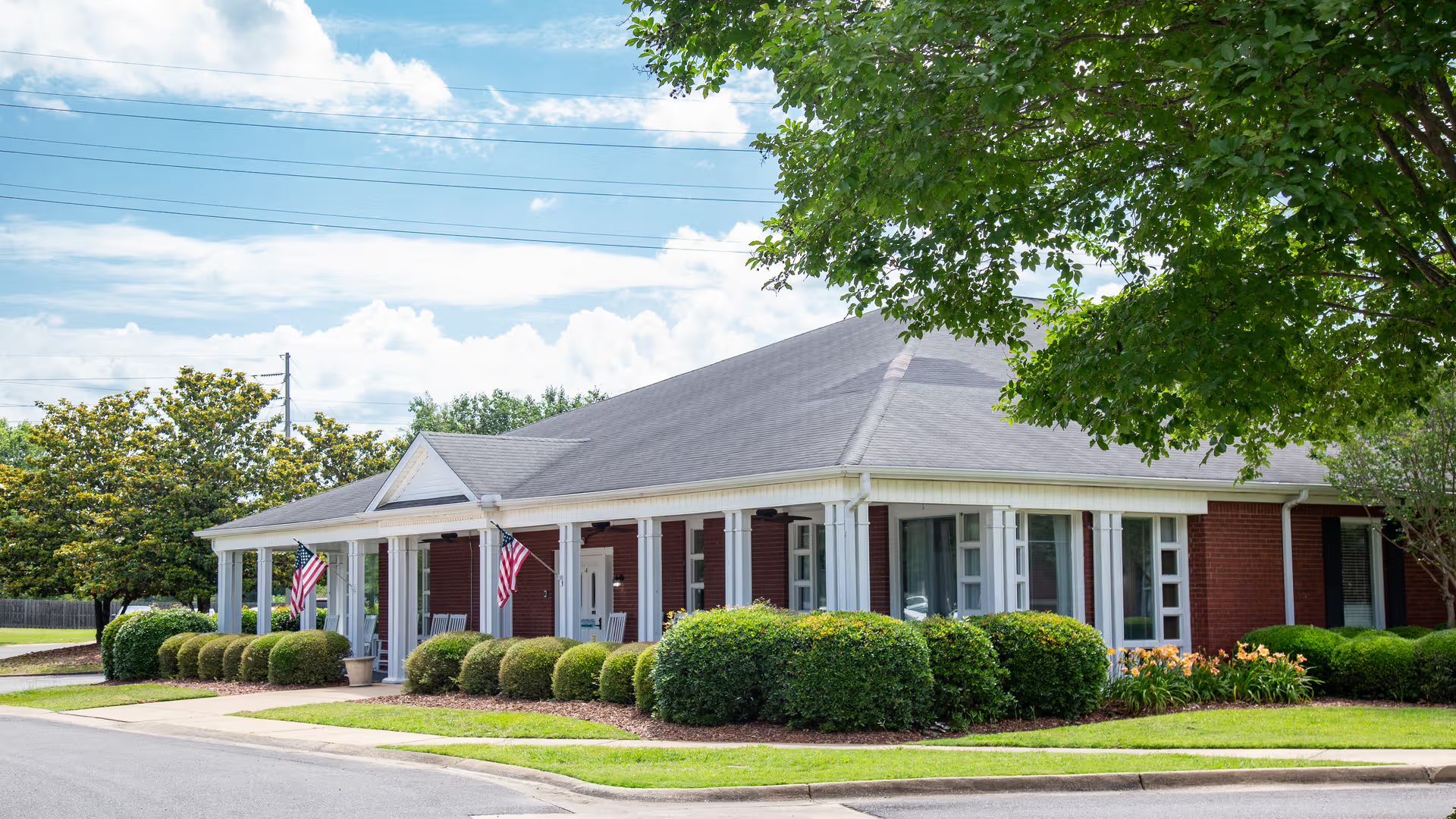
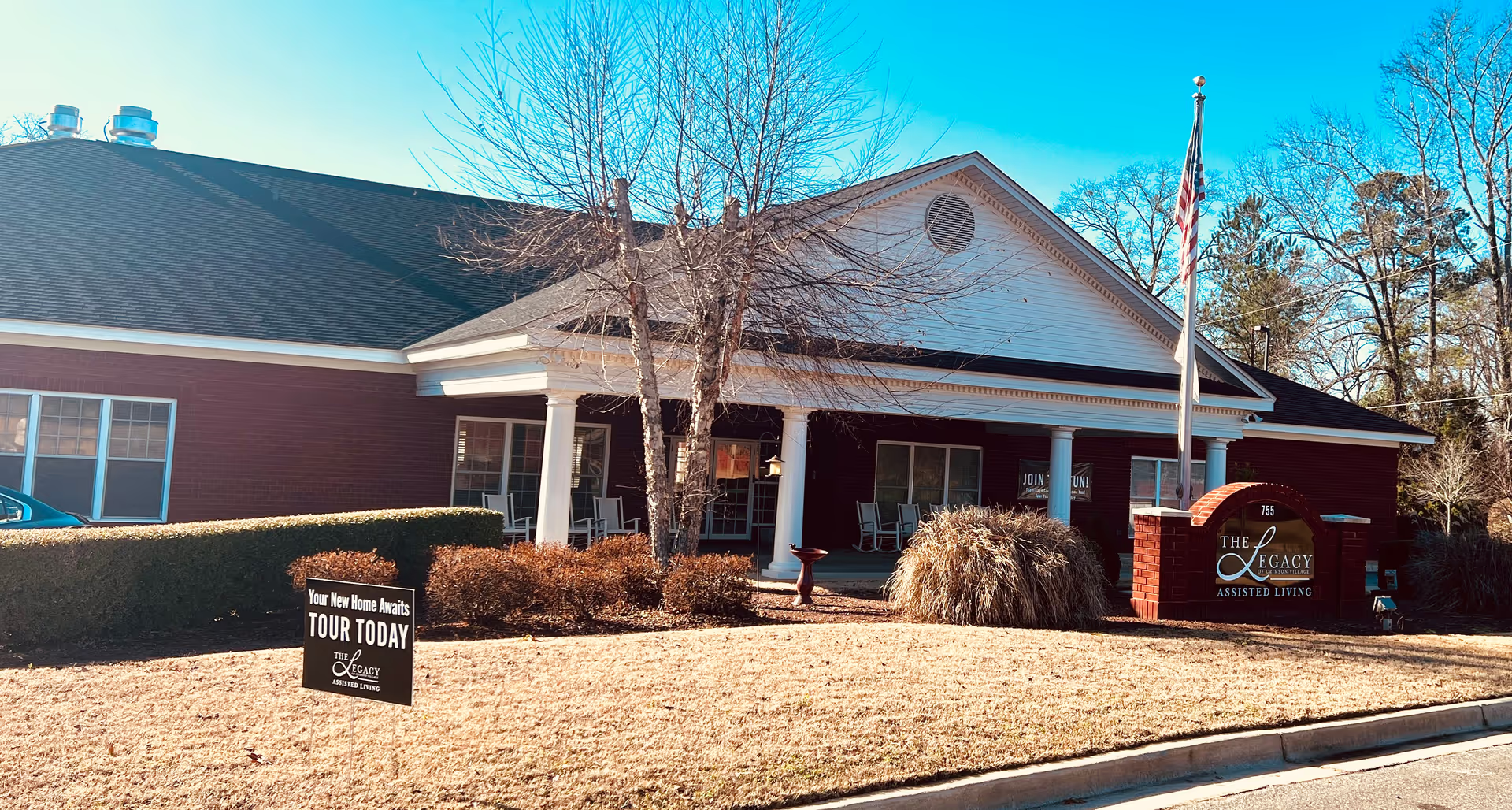
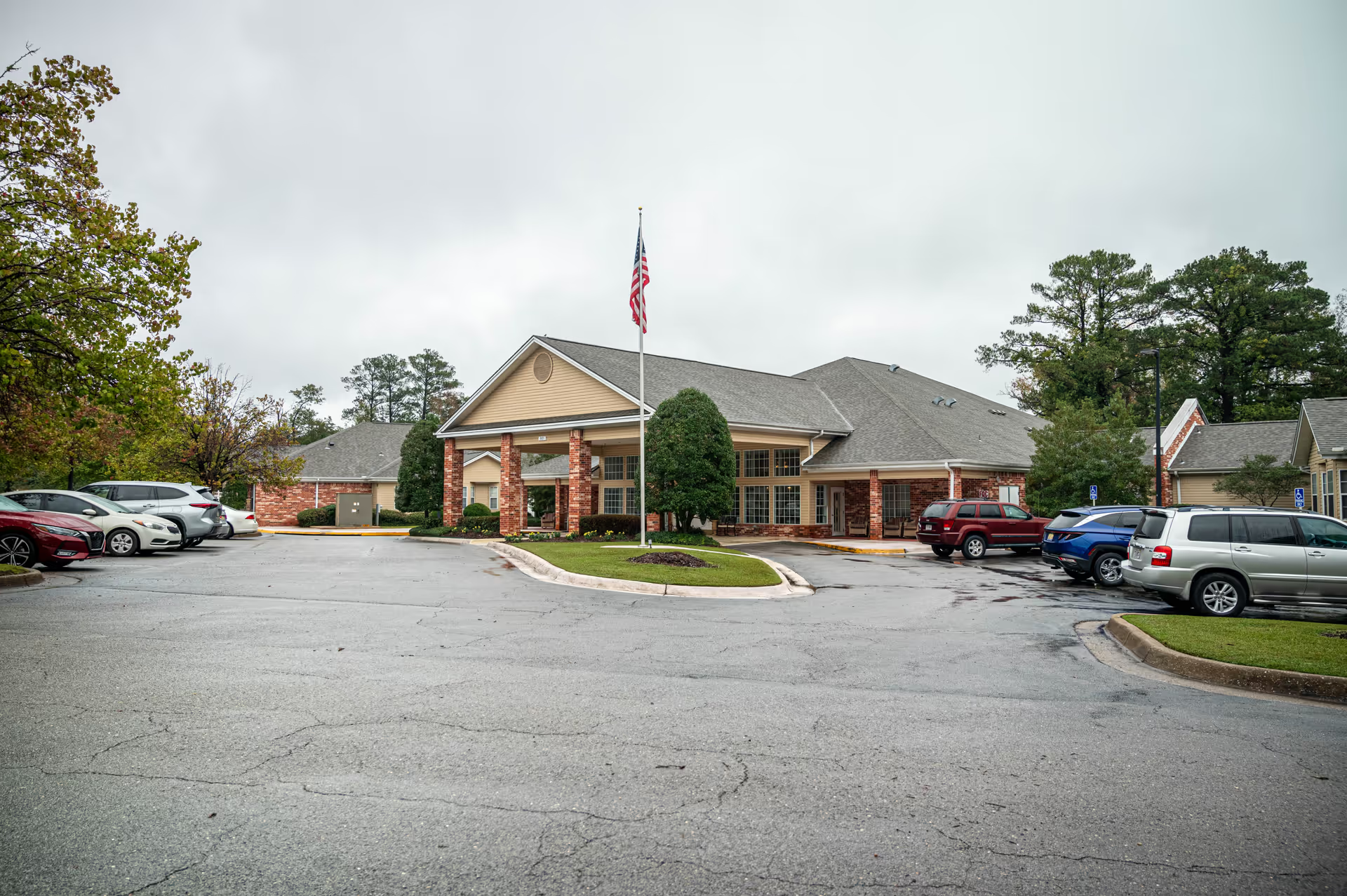
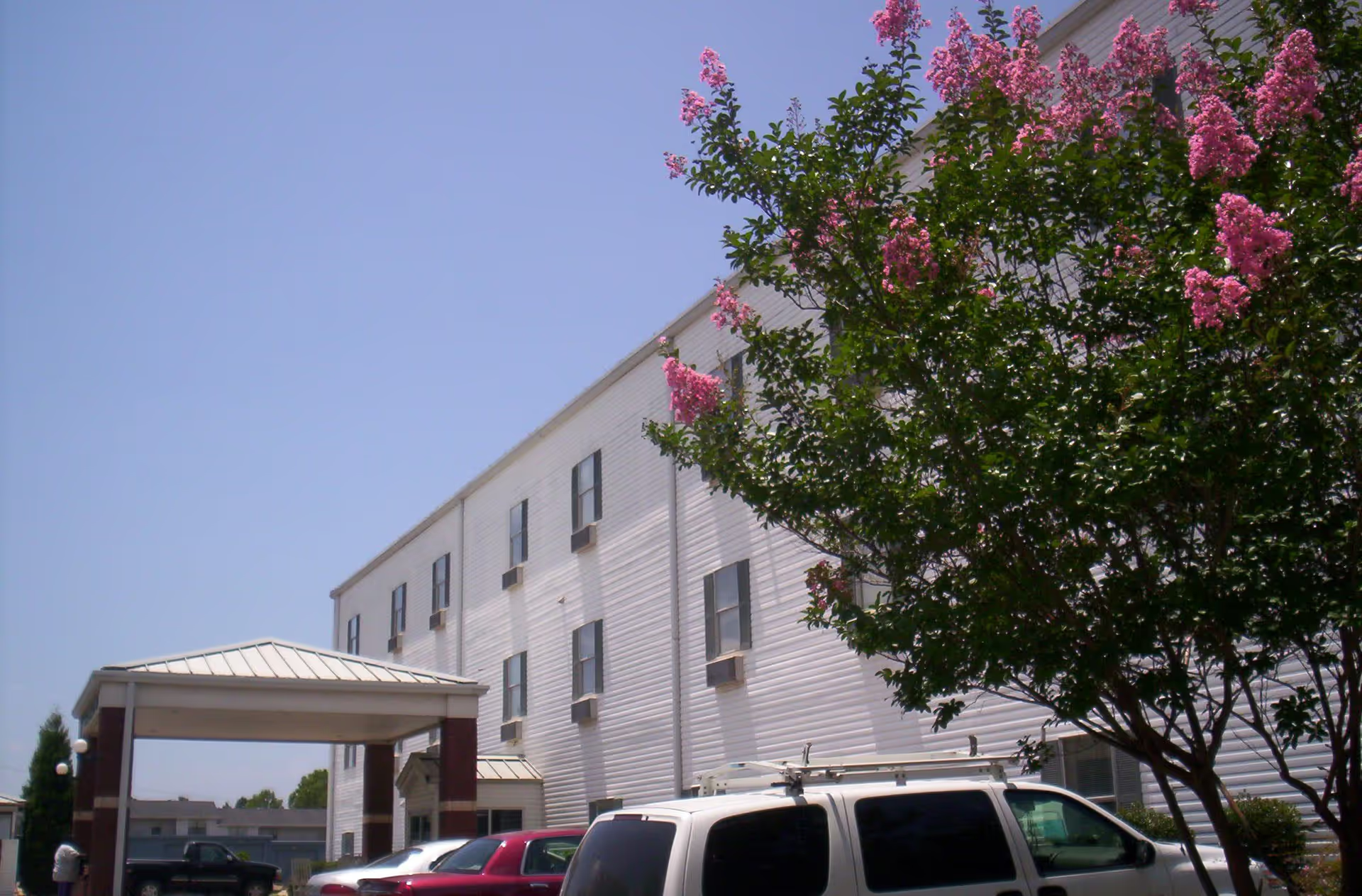
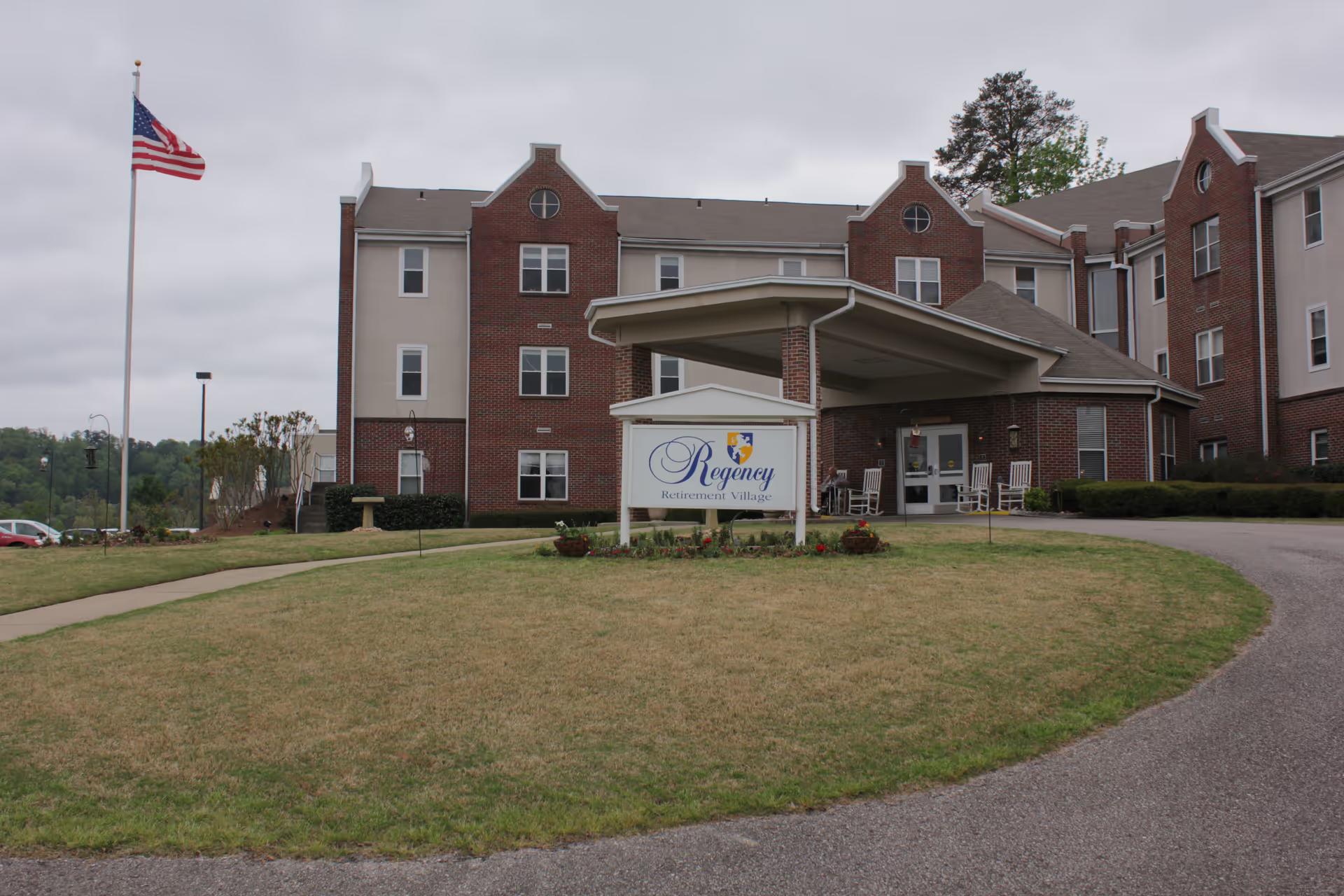
Facilities and safety: The physical plant is generally considered a major asset — new construction, attractive finishes, abundant natural light, and thoughtfully designed common areas. Unit configurations range from studio suites to multi‑bedroom options; however, some standard units are described as compact and certain wings or rooms may feel dated relative to newer sections. The community’s safety infrastructure (emergency pulls, pendants, tornado-safe rooms, enclosed courtyard) is a consistent positive.
Management and patterns to watch: Management and communication receive mixed comments: many families appreciate open communication and partnership with staff, while others describe delays in administrative responsiveness or uneven follow‑through on service requests. Cost is another recurring theme — while several reviewers view the community as good value for the quality and amenities, others perceive the price and add-on fees as high relative to consistency of care and services. There are also concerns about placement practices and waitlist prioritization tied to payer status.
Recommendation: The facility offers many features attractive to prospective residents — strong amenities, appealing dining, and a high-quality physical environment — but operational variability in housekeeping, staffing consistency (especially nights), memory-care engagement, and fee transparency are areas families should probe. A recommended approach is an in-person tour that includes: review of current housekeeping and linen schedules, clarification of night-shift and agency staffing plans, discussion of memory-care daily programming and staffing ratios, a sample dining experience, and a clear written explanation of fees and placement policies before making a decision.