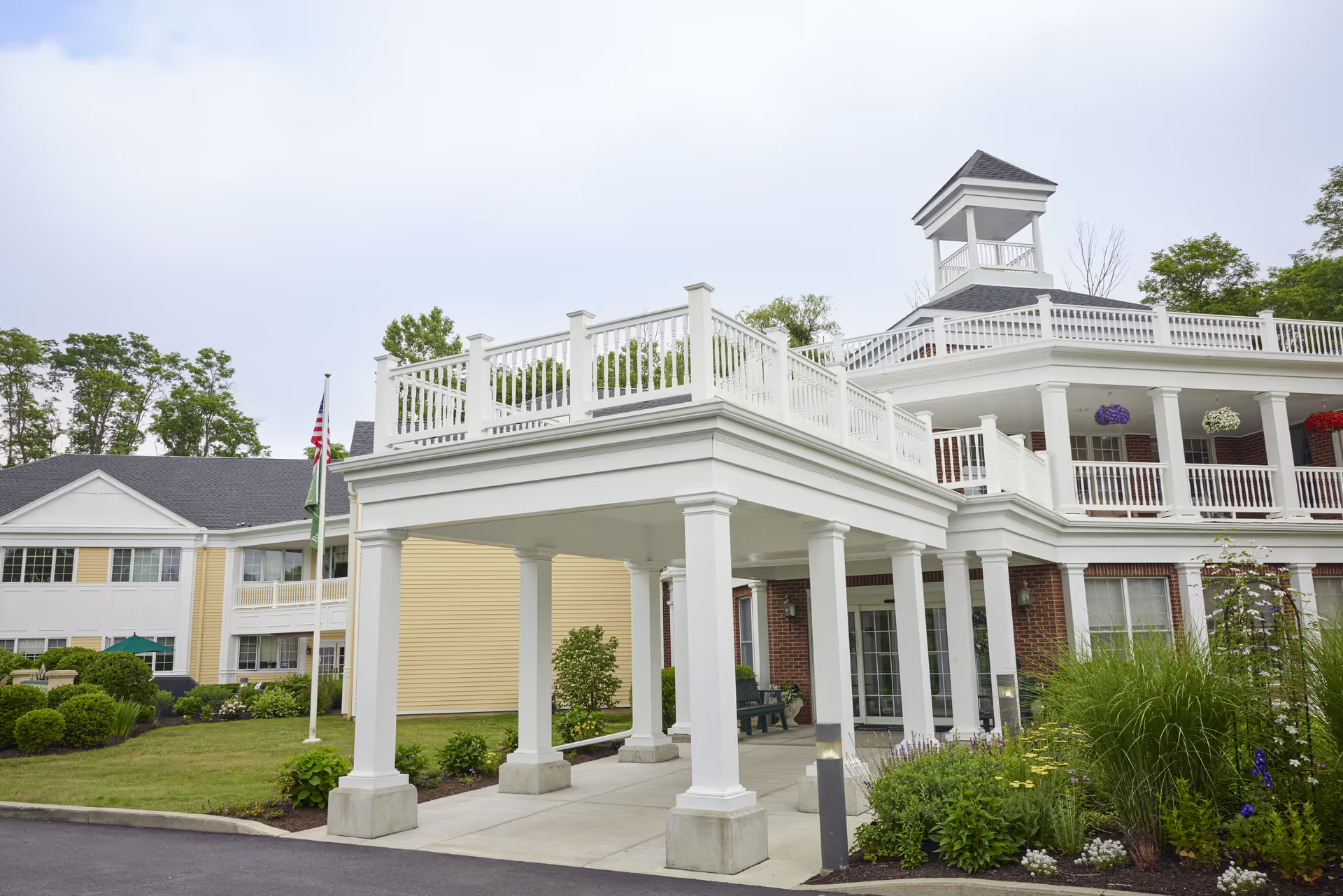
Overall impression: The Cottage at Litchfield Hills is frequently described as a clean, well-maintained, and welcoming assisted-living community with a strong resident-centered culture. Families commonly praise nursing staff, aides, and other caregivers for compassionate, attentive interactions and for forming close relationships with residents. The facility offers a range of apartment types, comfortable common areas (including a fireplace gathering room, library, movie room, gym, and recreation spaces), and a visible emphasis on creating a home-like atmosphere.
Care quality and staffing: Many families highlight strong nursing presence and proactive check-ins by staff, along with responsive transition support when residents move in. At the same time, there are recurring operational concerns tied to staffing consistency and direct-care competency. These manifest as uneven CNA performance, delays in attending to resident needs, and at least a perception of insufficient staffing during parts of the day. Reviewers linked those operational gaps to safety-related outcomes (for example, mobility incidents and subsequent hospital visits), which suggests the facility would benefit from strengthened fall-prevention, mobility-assist protocols, and continued staff training and staffing-level adjustments.
Dining and nutrition: Dining is a visible strength for many families — menu-style meals, farm-to-table or home-style offerings, variety, and desserts are frequently appreciated. The kitchen and chef-led programs receive positive mention. However, there is also inconsistent feedback about food quality and unmet promises regarding meal customization for special diets. Some families describe meal-service short-staffing or interruptions that affect individualized meal delivery, indicating an area for operational improvement.
Activities and social programming: The community offers a robust activity roster — music programs, crafts, bingo, exercise classes, painting, salon visits, bus tours, and social events — and many residents are described as busy and socially engaged. That said, several comments indicate the calendar and activity mix can skew toward lower-functioning residents and that scheduled activities and outings are not always adhered to. Enhancing program variety and ensuring consistent execution of the activity calendar would better serve residents with higher-functioning or more varied interests.
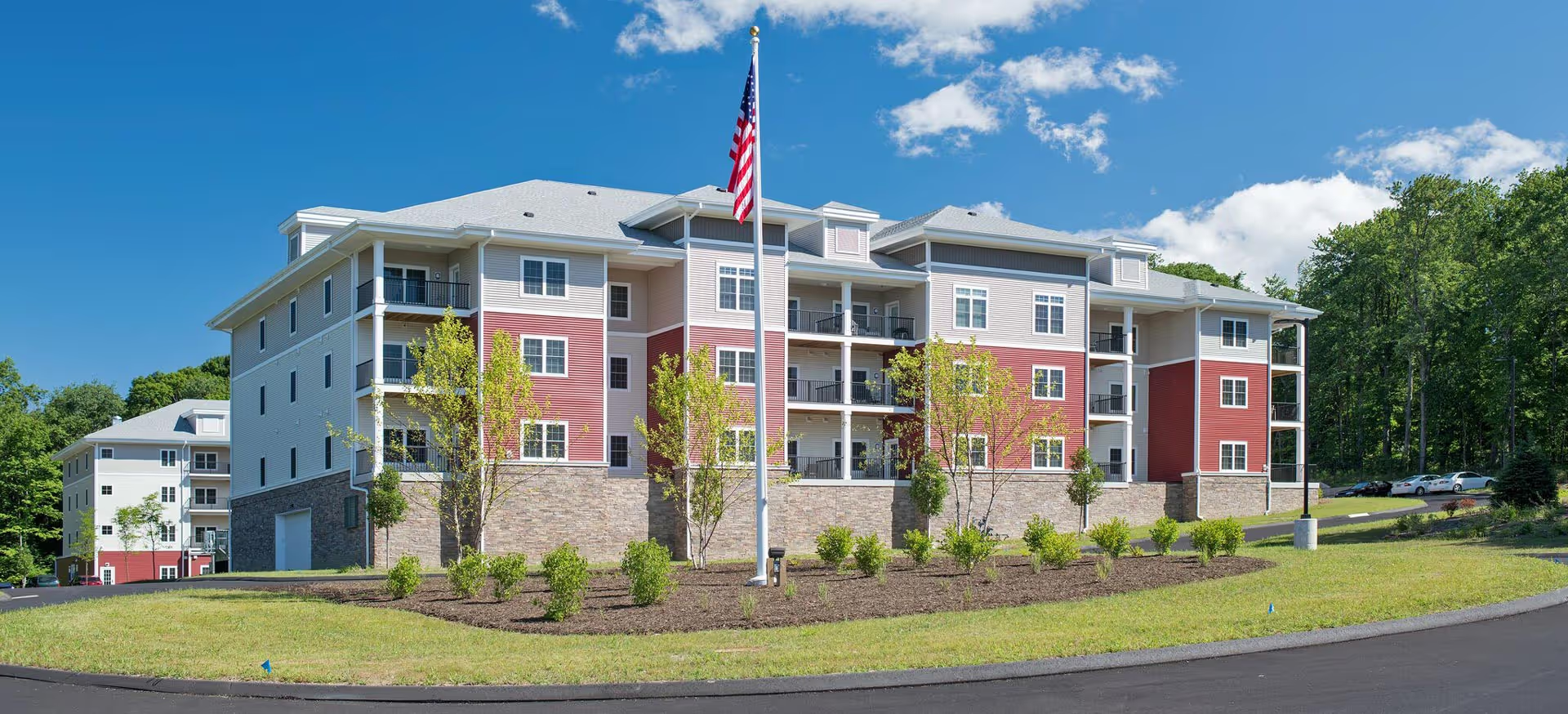
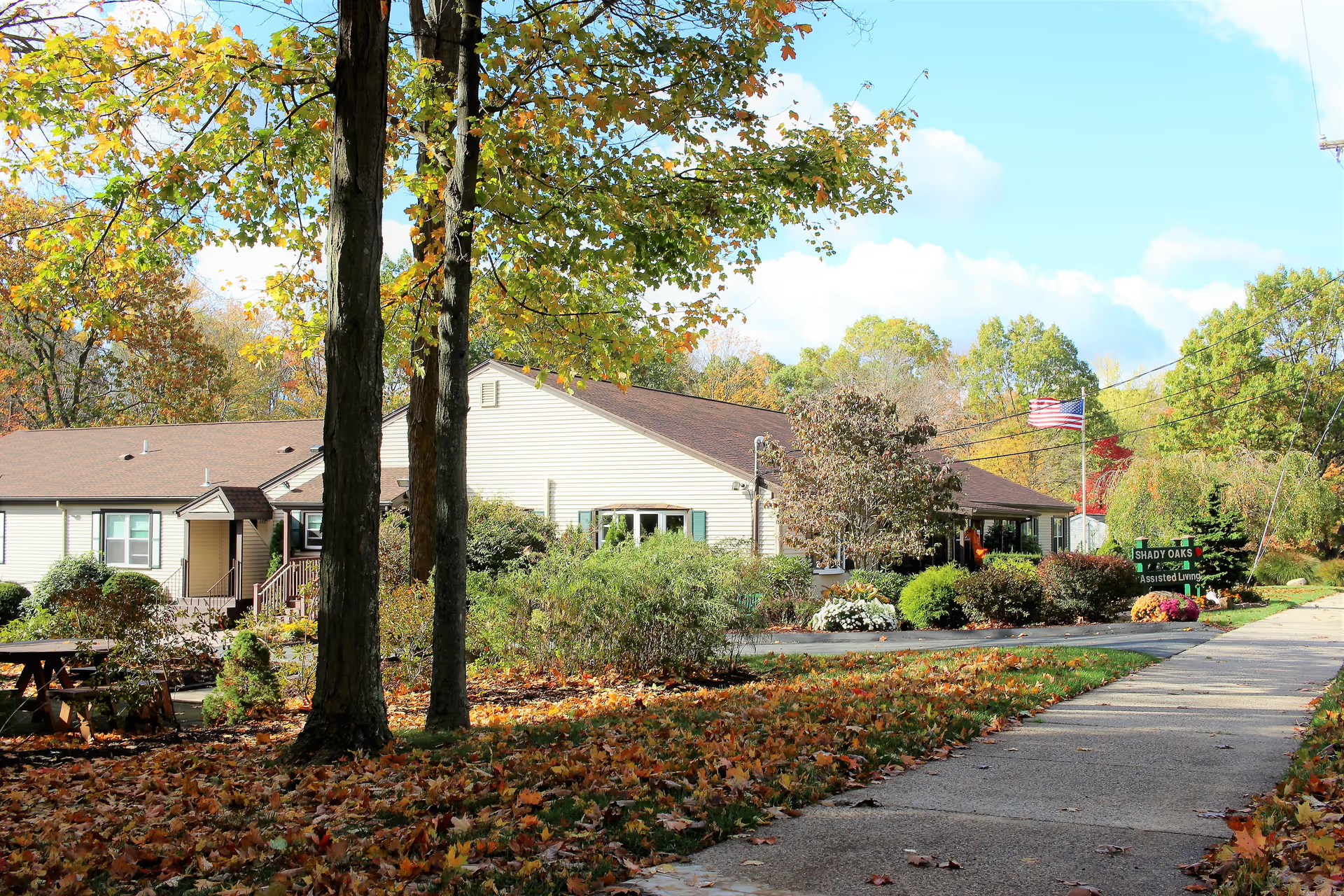
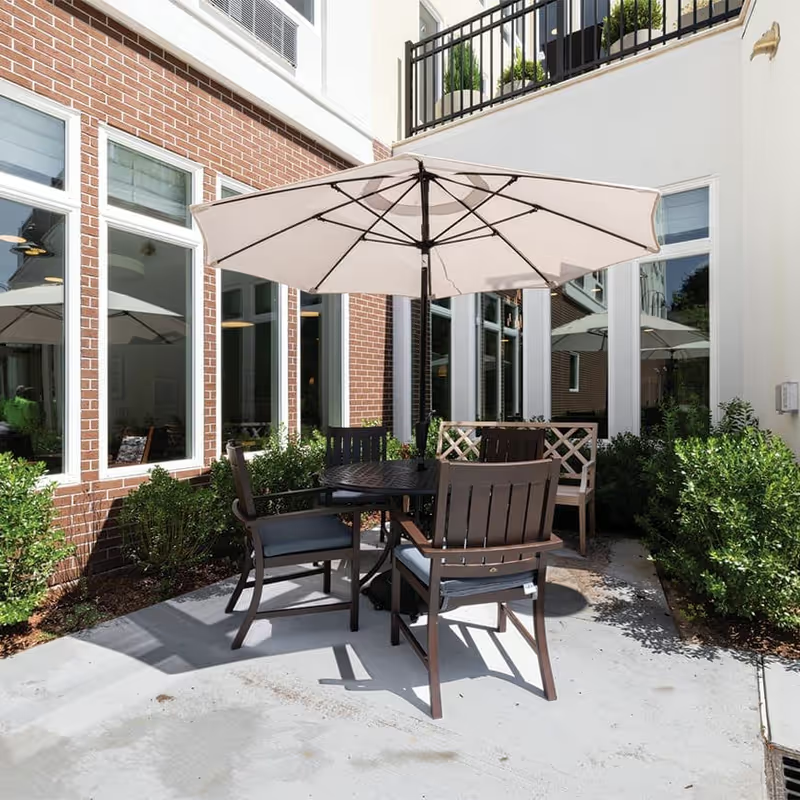
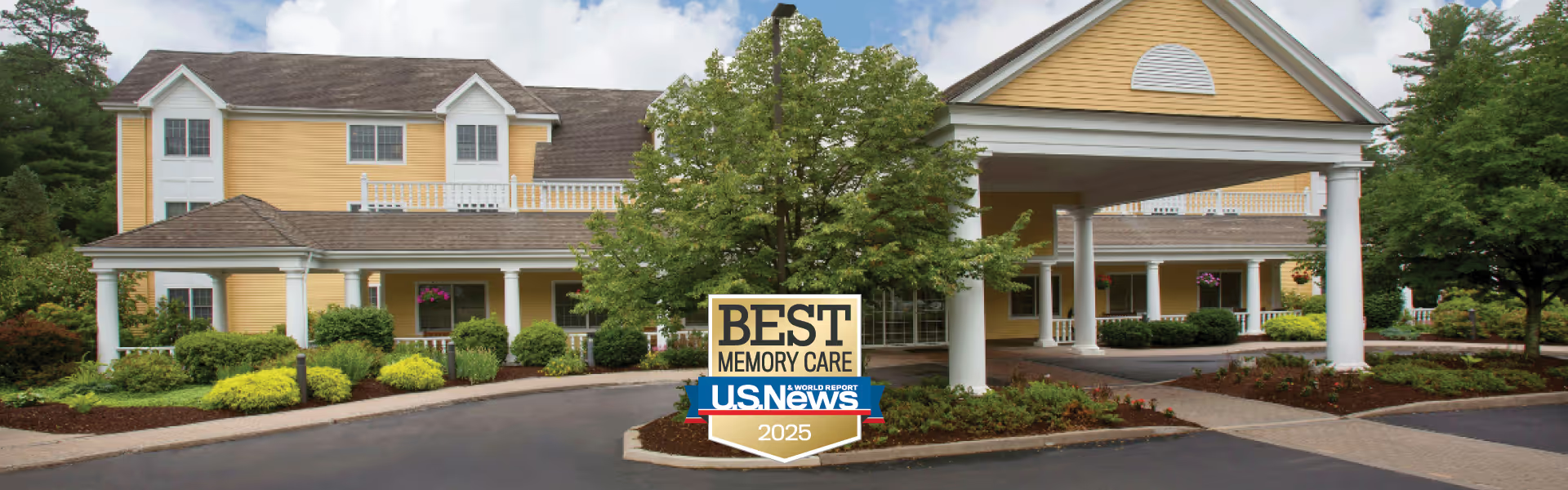
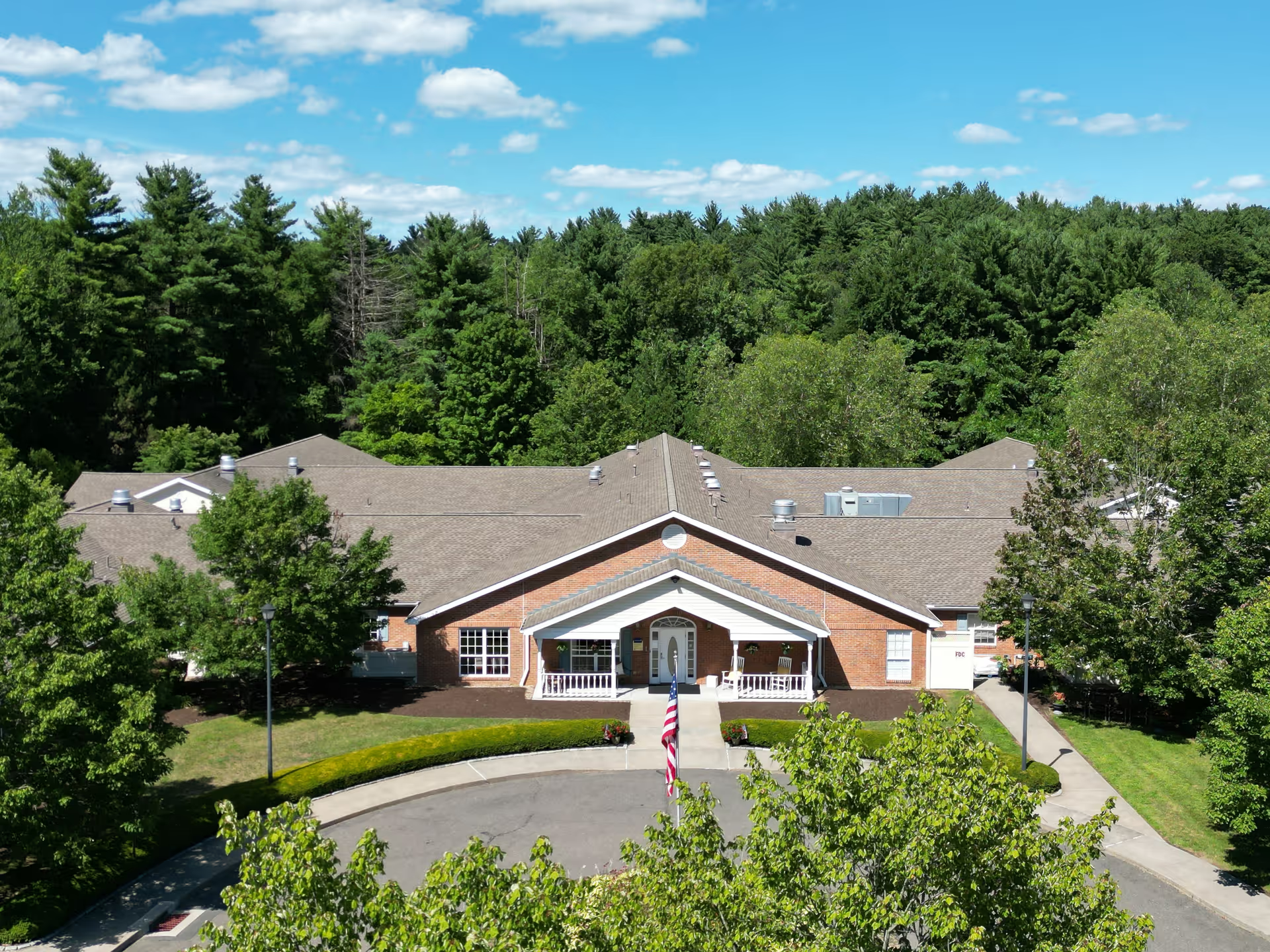
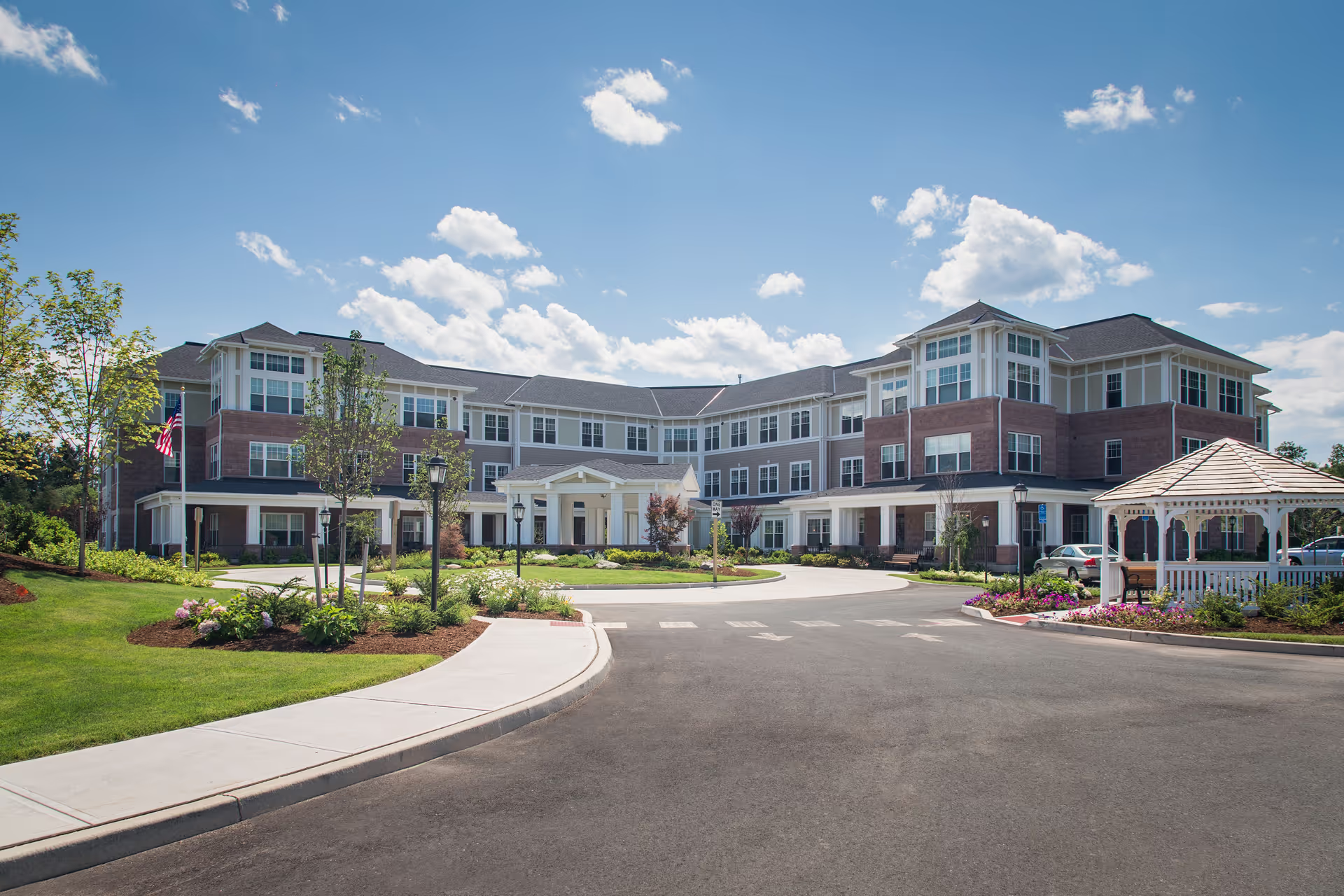
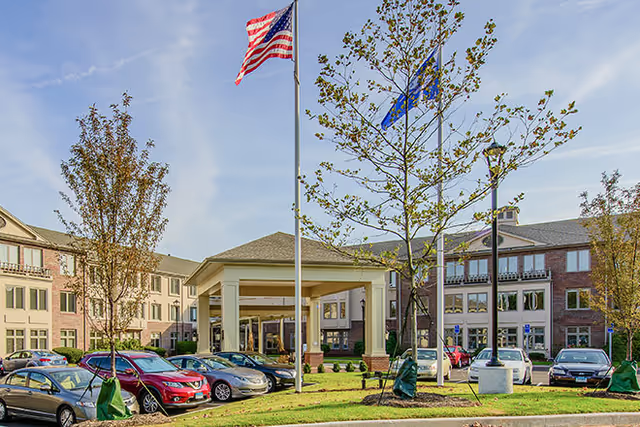
Facilities and environment: The building and interior common spaces are widely praised for cleanliness and comfort, and many families describe rooms as roomy and well maintained. Outdoor space received mixed feedback: some residents enjoy a large patio and sitting areas, while others find certain outdoor paths or porch locations less inviting (proximity to a busy road and uninviting paved paths were mentioned). The memory-care unit is operational and staffed, but its location and aesthetic (basement-level in at least one account) create variability in perceived environment quality.
Management, communication, and value: Management is often described as friendly and accessible; many families say managers know residents and are available for conversations. Transition assistance and COVID-era communication practices (screening, visitation alternatives) were specifically commended. Still, there are notable instances of delayed notifications and communication lapses about important matters, which have eroded confidence for some families. Perceptions of cost and value vary: the majority find the facility reasonably priced for the services received, while a minority view the cost as high relative to experienced care quality.
Notable patterns and recommendations: The dominant positive pattern is a culture of caring staff, cleanliness, and active social life. The dominant concerns are operational: inconsistent staffing and direct-care skills, gaps in individualized care (meals and medication scheduling), fall-prevention and mobility-assist weaknesses, and variable activity execution. Prospective families should weigh the strong relational and environmental attributes against these operational risks. Specific points to confirm on a tour or during intake include current staffing ratios and scheduling, fall-prevention protocols, individualized meal and medication plans, the activity calendar and participation opportunities for higher-functioning residents, and the condition and accessibility of outdoor spaces and the memory-care unit.