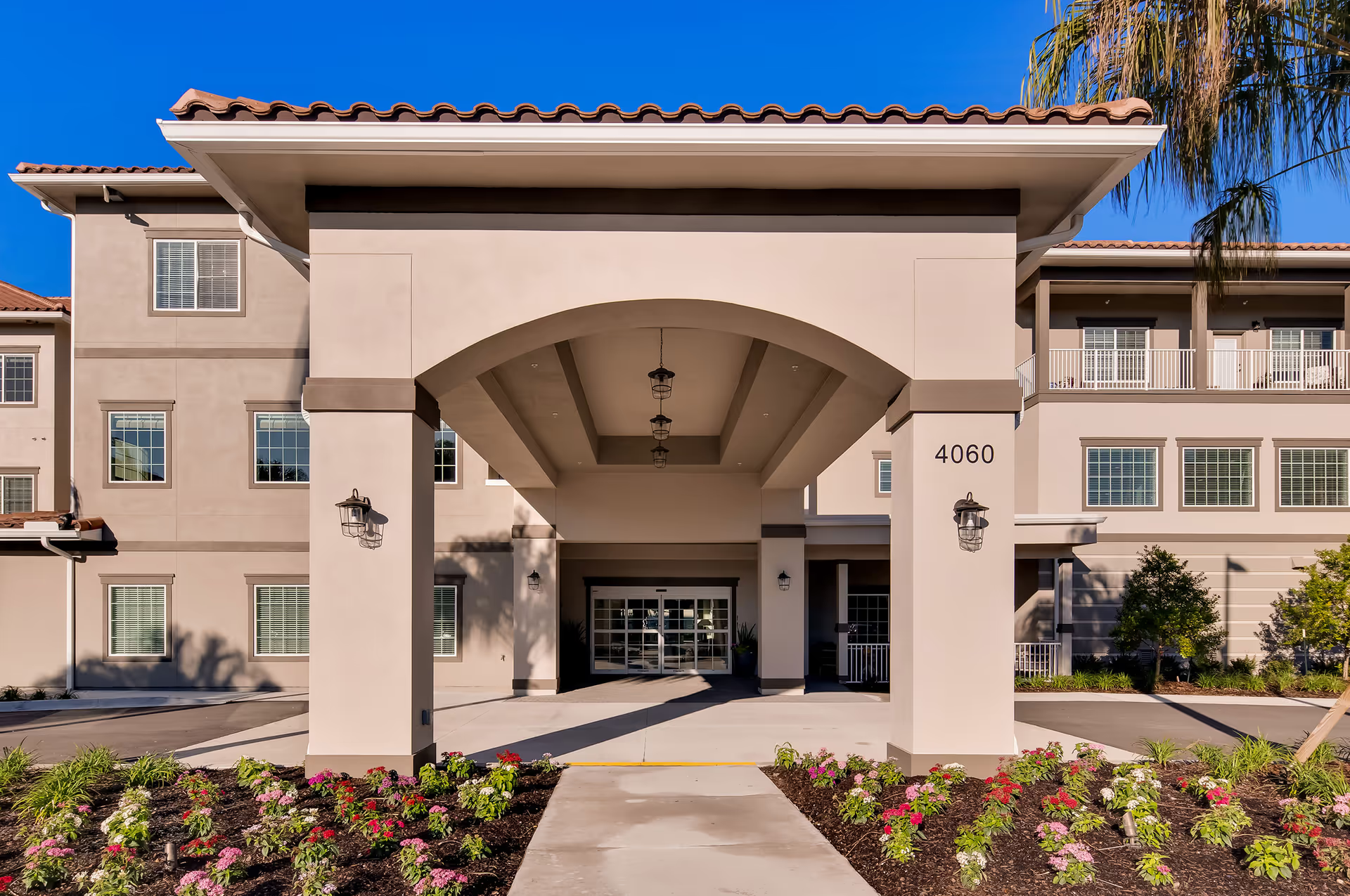
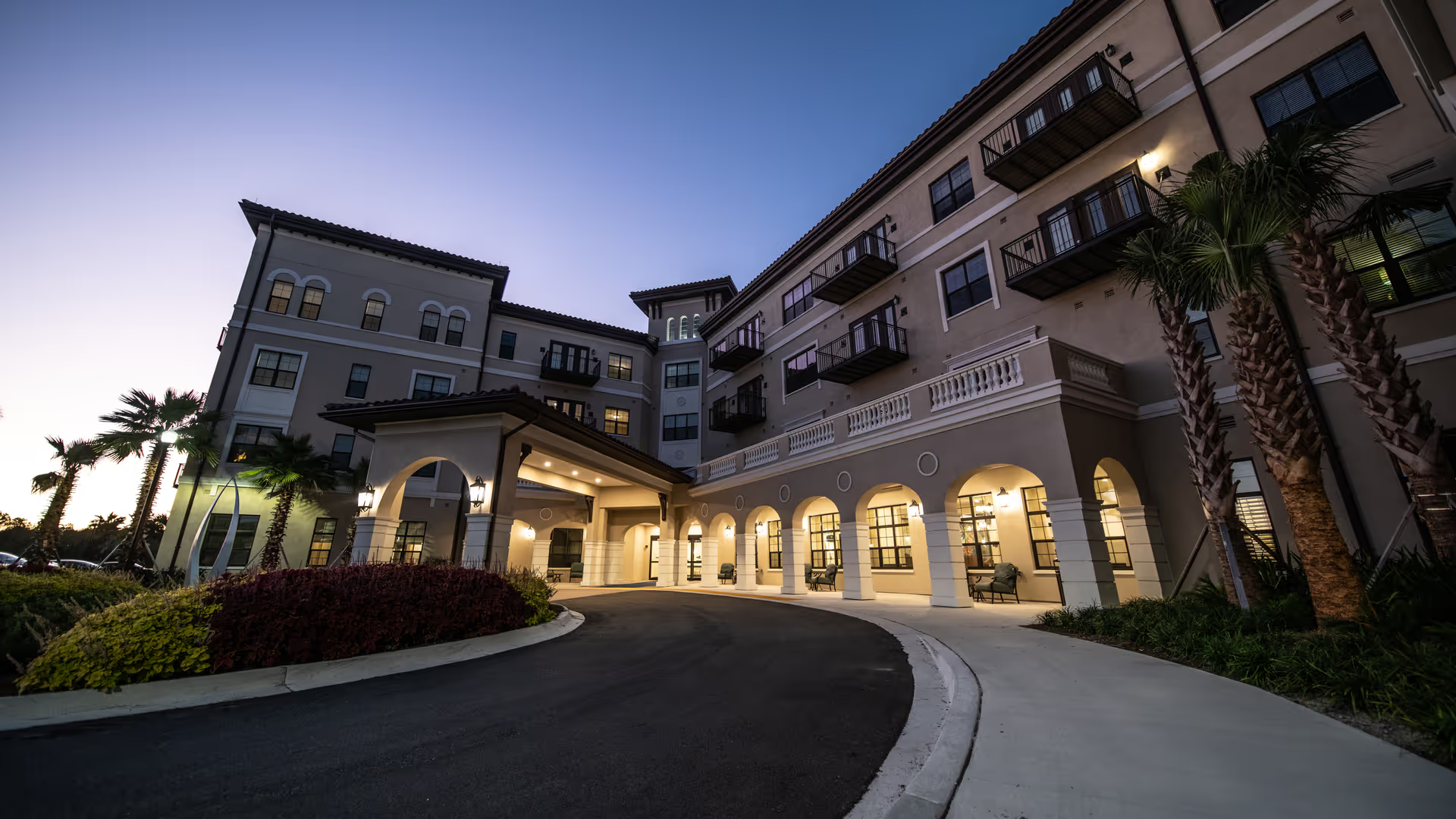
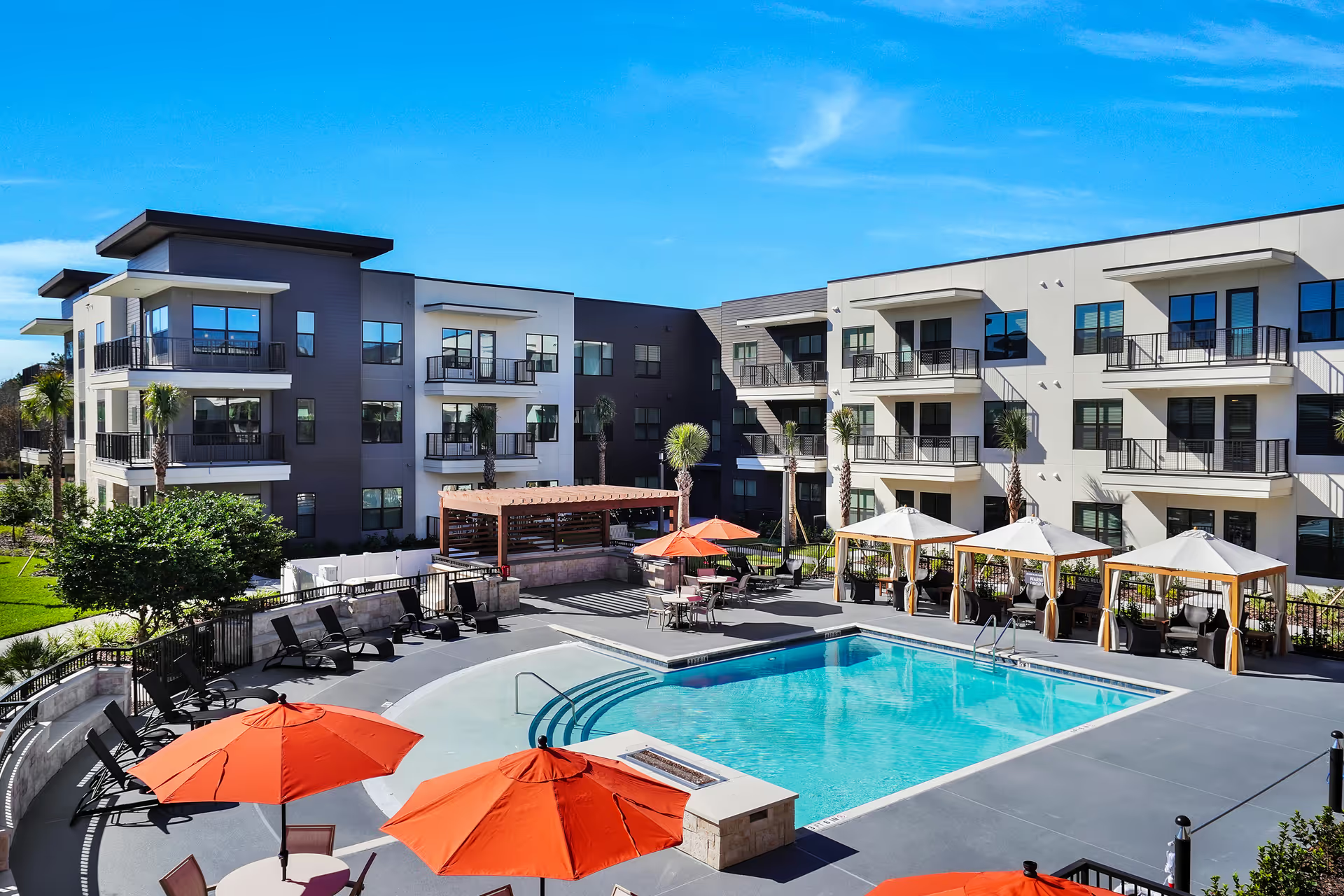
The Windsor at San Pablo is described overall as a new, upscale community with many features typical of a higher-end senior living provider. Strengths most frequently noted include an engaged activities program, abundant amenities (movie theatre, salon, spa, gym, library, courtyard), and a hotel-like, well-maintained physical environment. Families commonly highlight individual staff members and leadership for compassionate, personalized attention; admissions and tour experiences are often described as informative and pressure-free. On-site clinical supports — physical and occupational therapy, nursing staff, and in-house physicians — are valued by residents and families who seek integrated services.
Staff performance is the single most prominent theme. Many comments emphasize warm, attentive caregiving, thoughtful housekeeping, and staff who build relationships with residents. At the same time, there is a recurring pattern of staffing instability and turnover that some families link to slower service, gaps in communication, and variability in daily operations. Reviewers point to both exemplary individual caregivers and moments where communication or responsiveness fell short; in practice this yields a mixed picture in which strong frontline staff coexist with operational inconsistencies.
Care quality and clinical oversight receive mixed assessments. Several families praised therapy outcomes and proactive nursing updates (photos, progress reports), while a smaller but significant set of accounts raised concerns about clinical oversight for residents with higher-acuity needs. Specific operational themes include medication-management and distribution gaps, variable memory-care programming and engagement, and instances that prompted questions about infection monitoring and privacy practices. These concerns suggest prospective residents with complex medical needs should verify current clinical protocols, staffing ratios, and recent quality metrics before committing.
Dining and activities are important selling points but are also uneven in practice. Many reviewers appreciate restaurant-style dining, a varied menu, live music, and frequent social outings; others cite declines in food quality, cold or tasteless meals, and slow table service tied to understaffing during busy shifts. The activities program is generally described as robust — daily exercise, games, outings, craft groups, and entertainment — although memory-care programming was described as inconsistent in some accounts, indicating variation by unit or staffing assignment.
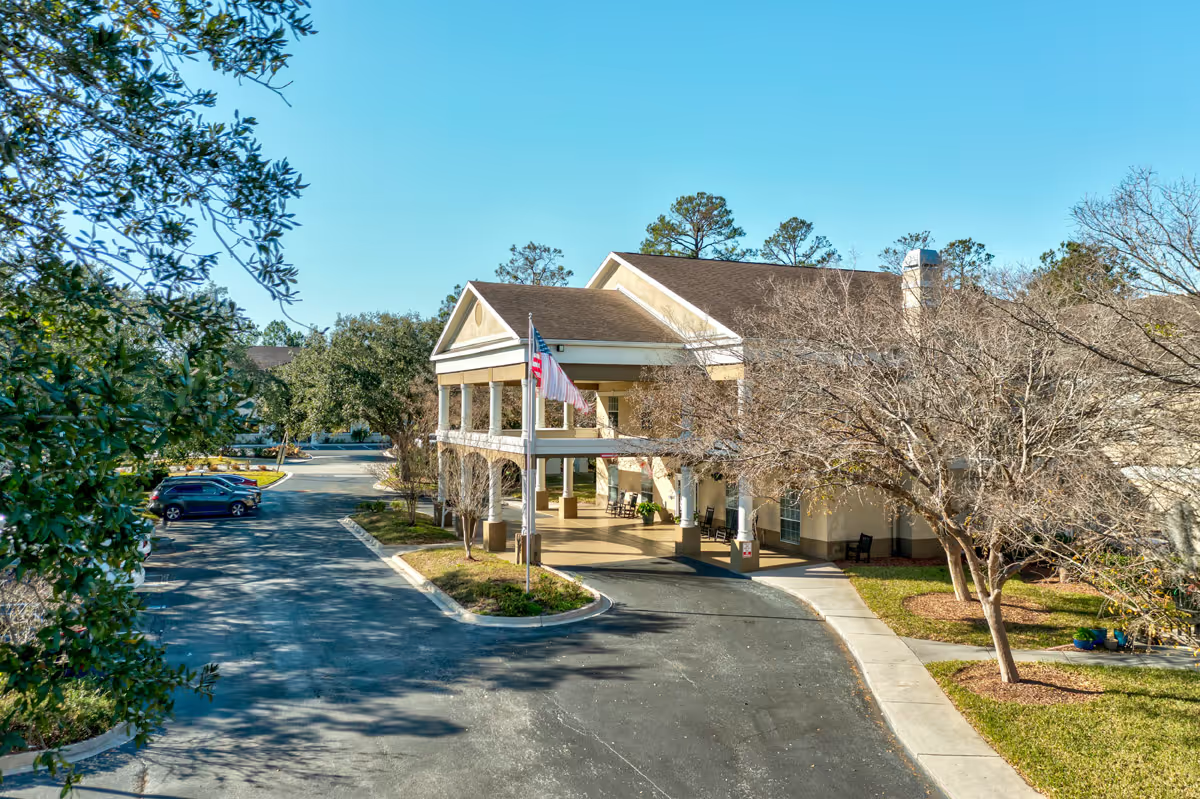
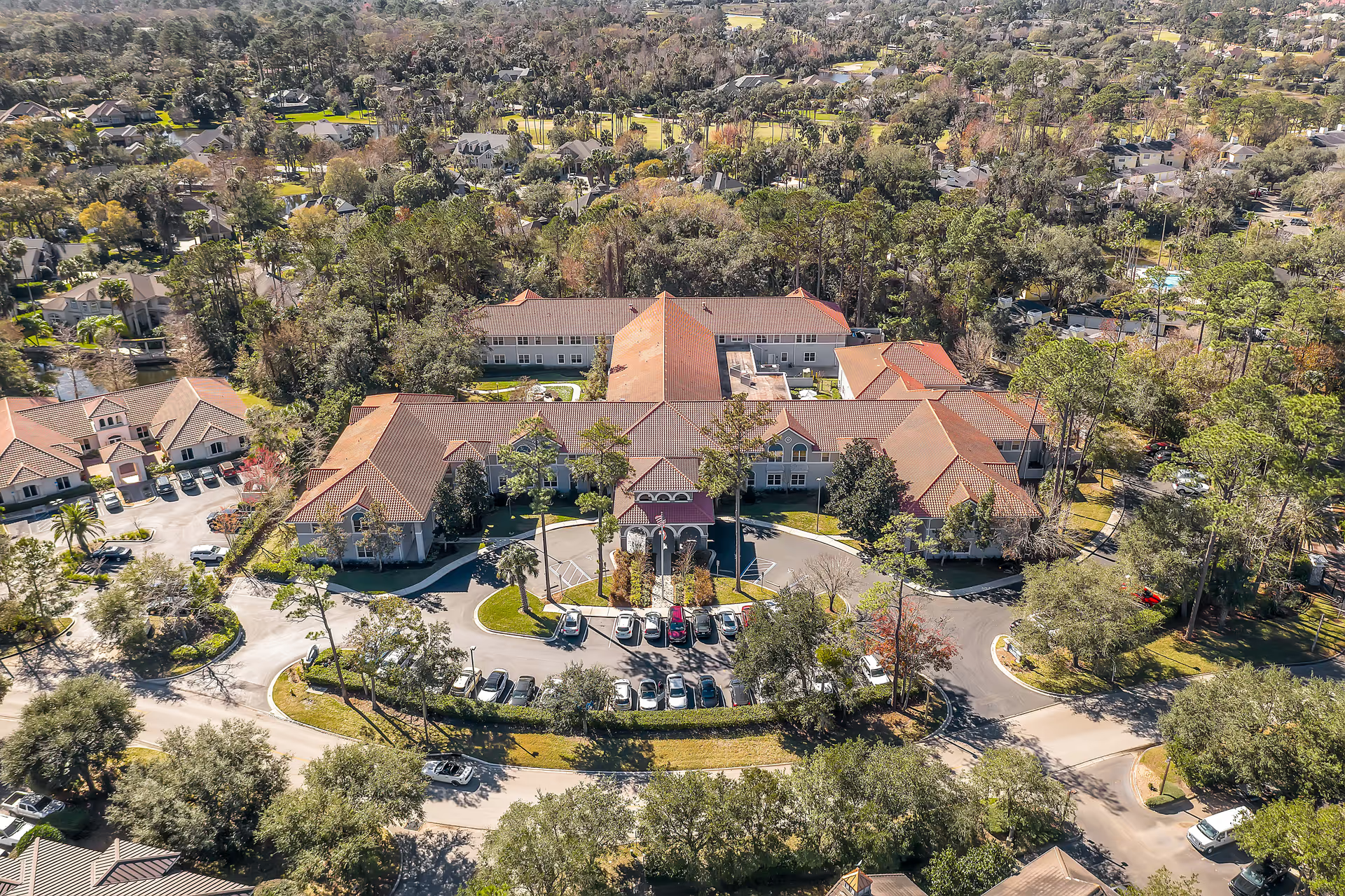
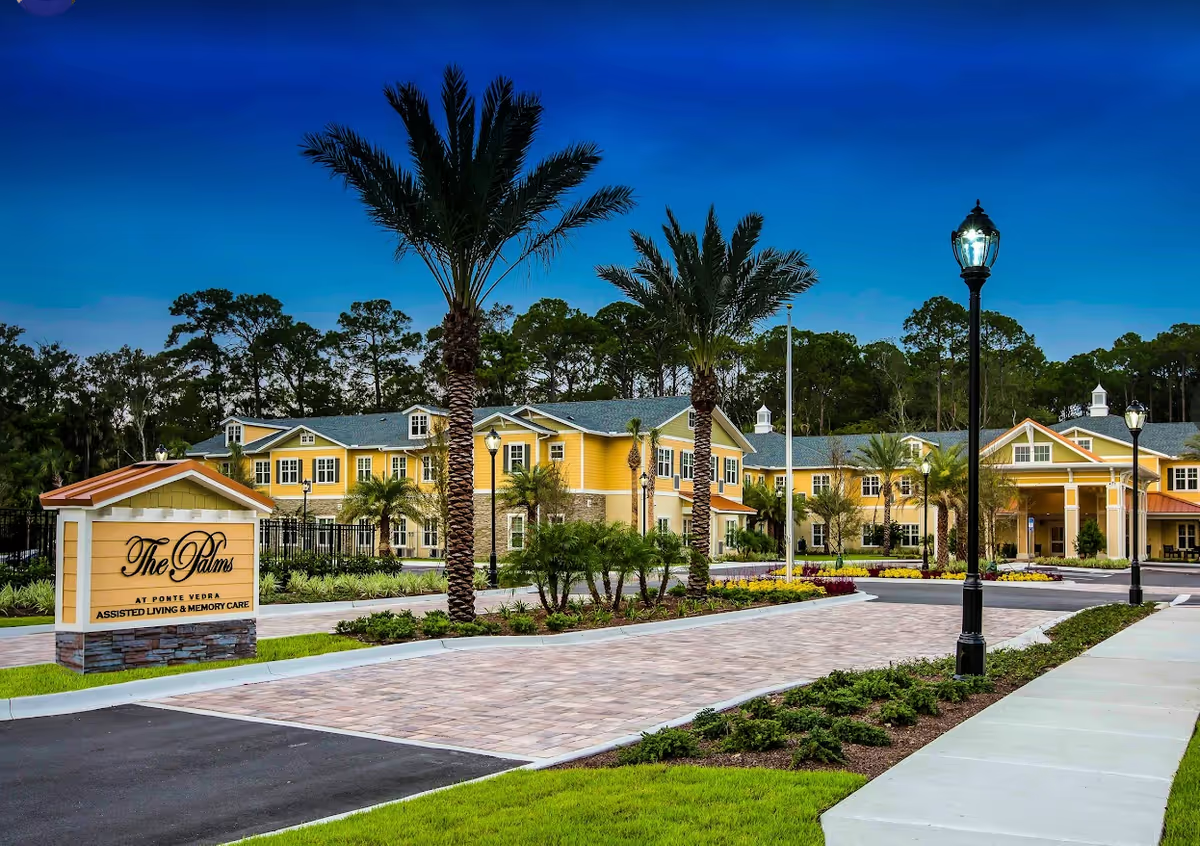
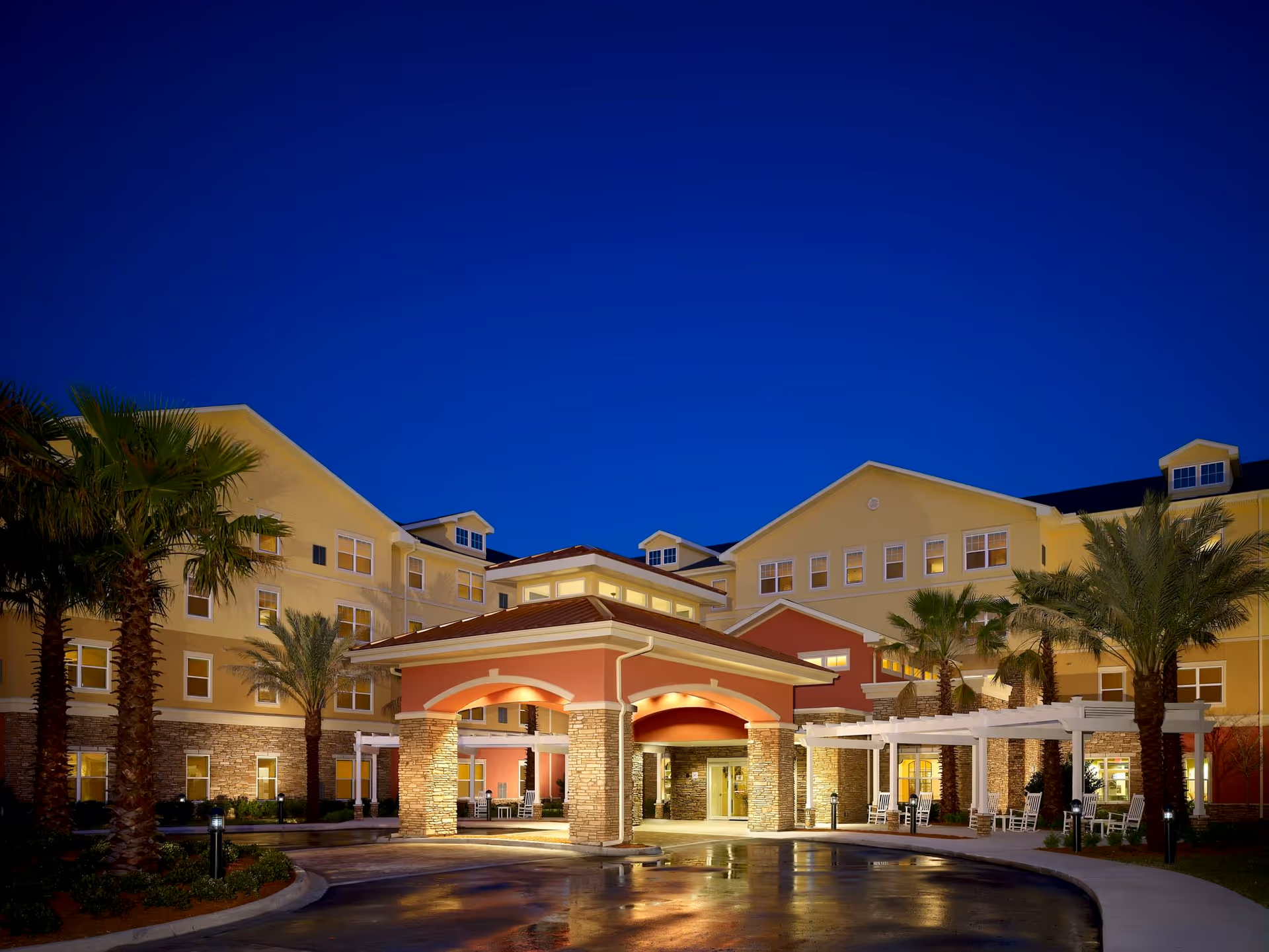
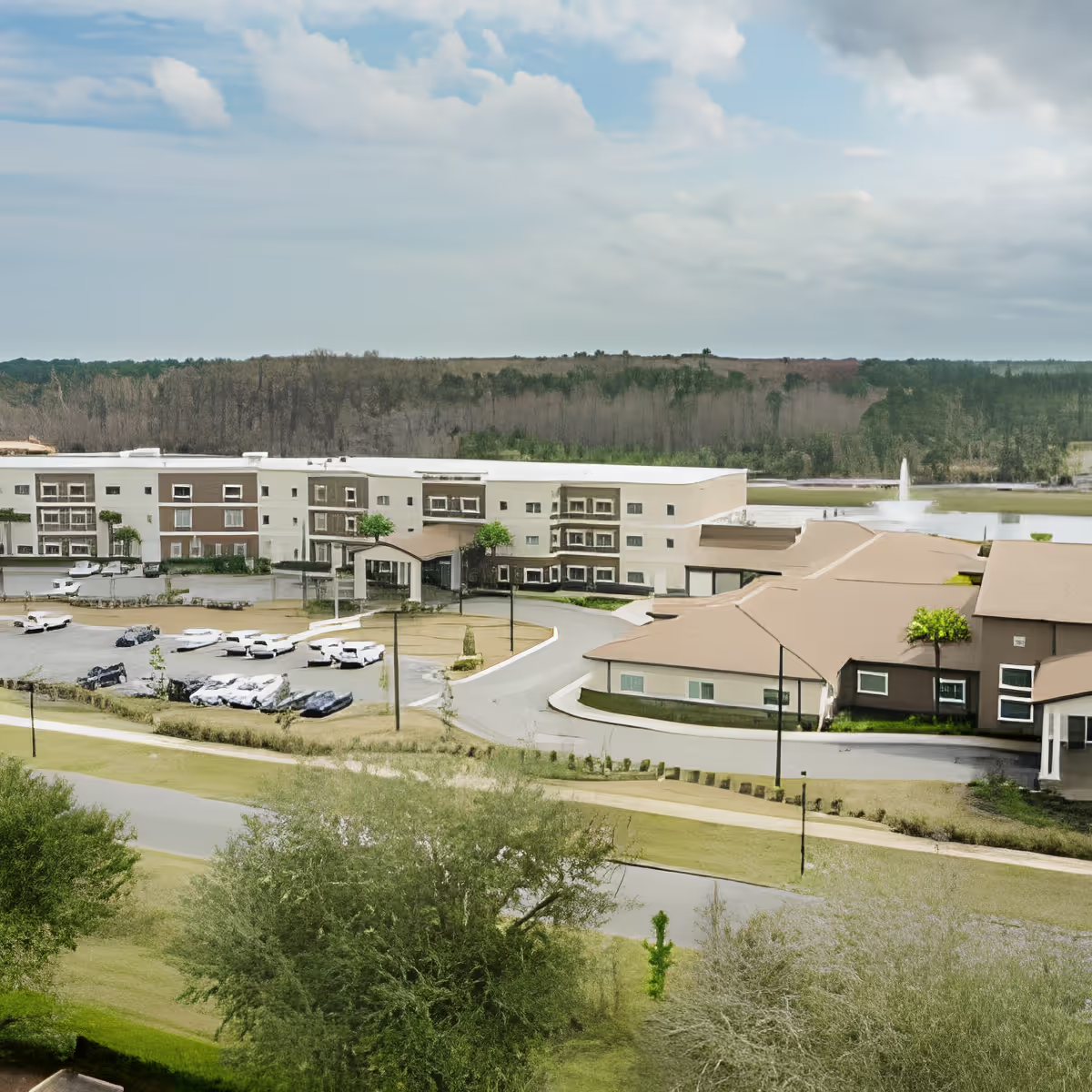
Facilities and layout are frequently praised: the property is new, attractive, and well-kept, with many residents describing it as comfortable and upscale. A minority of comments call out smaller apartment footprints, limited closet/storage in some unit types, less natural light in particular layouts, and occasional odor concerns in common corridors. Operationally, maintenance responsiveness and coordination across departments (nursing, dining, maintenance, housekeeping) are areas where reviewers describe variability rather than consistent performance.
Management and operational patterns are mixed. Several families report responsive leadership who implemented changes after feedback; others describe leadership turnover, uneven follow-through, and intense initial marketing contact. Pricing and contract structure are noted as higher than some peers, and multiple reviewers point out that costs can rise as care needs increase. For prospective residents and families the salient takeaway is to verify current staffing levels, clinical capabilities for higher-acuity needs, medication protocols, dining-service staffing plans, and contract terms during a visit. A tour that includes conversations with nursing leadership, review of incident-response processes, and observation of mealtime and activity periods will help determine fit for an individual resident’s needs.