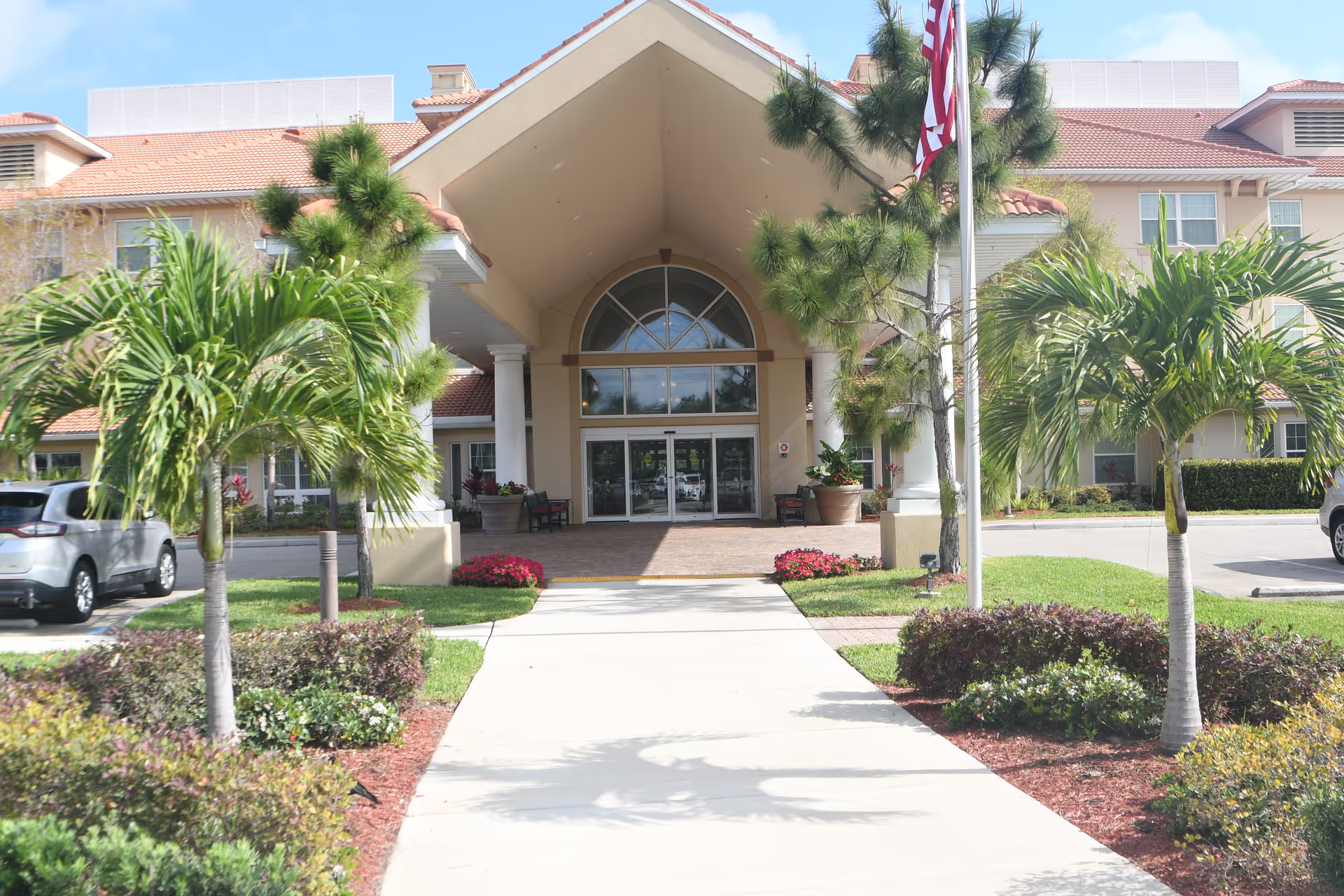
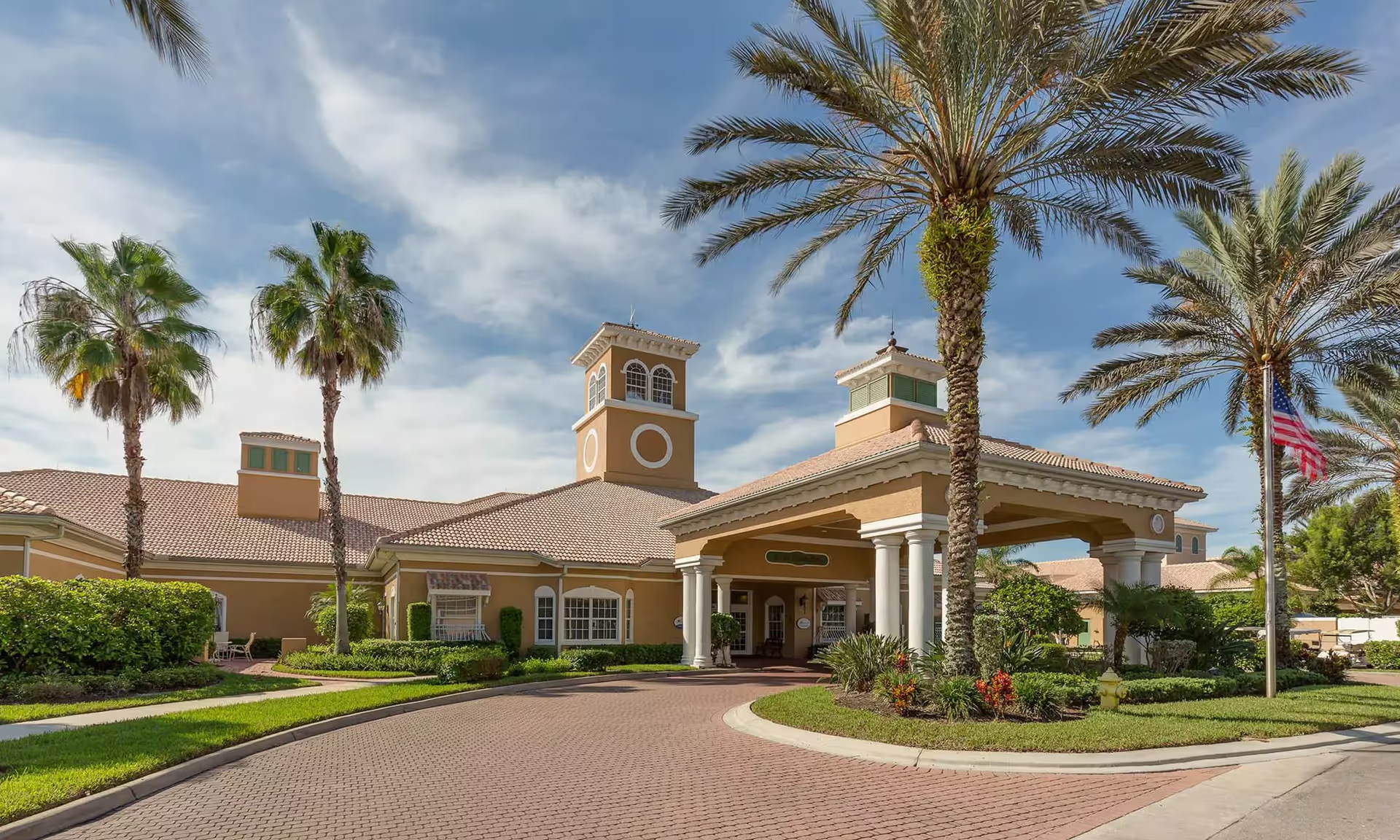
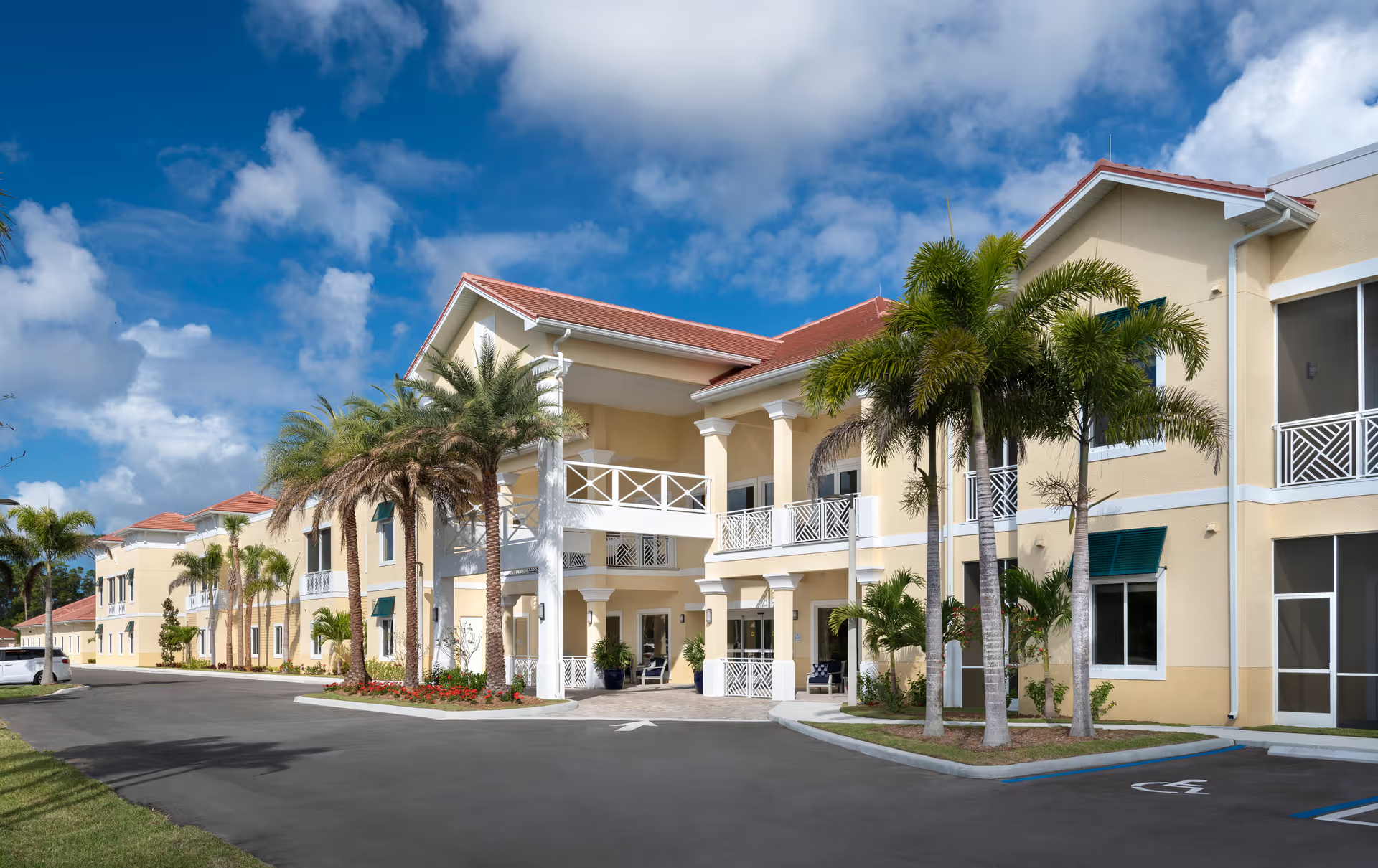
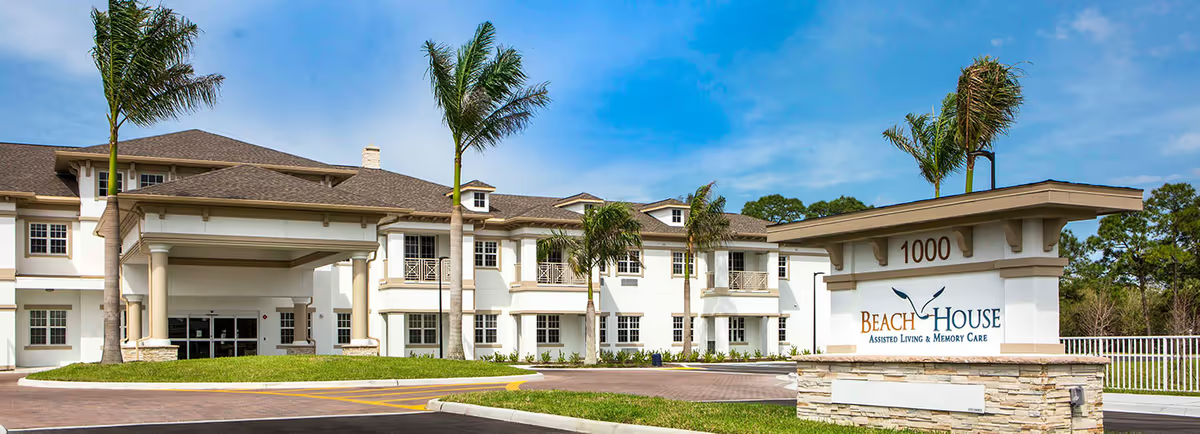
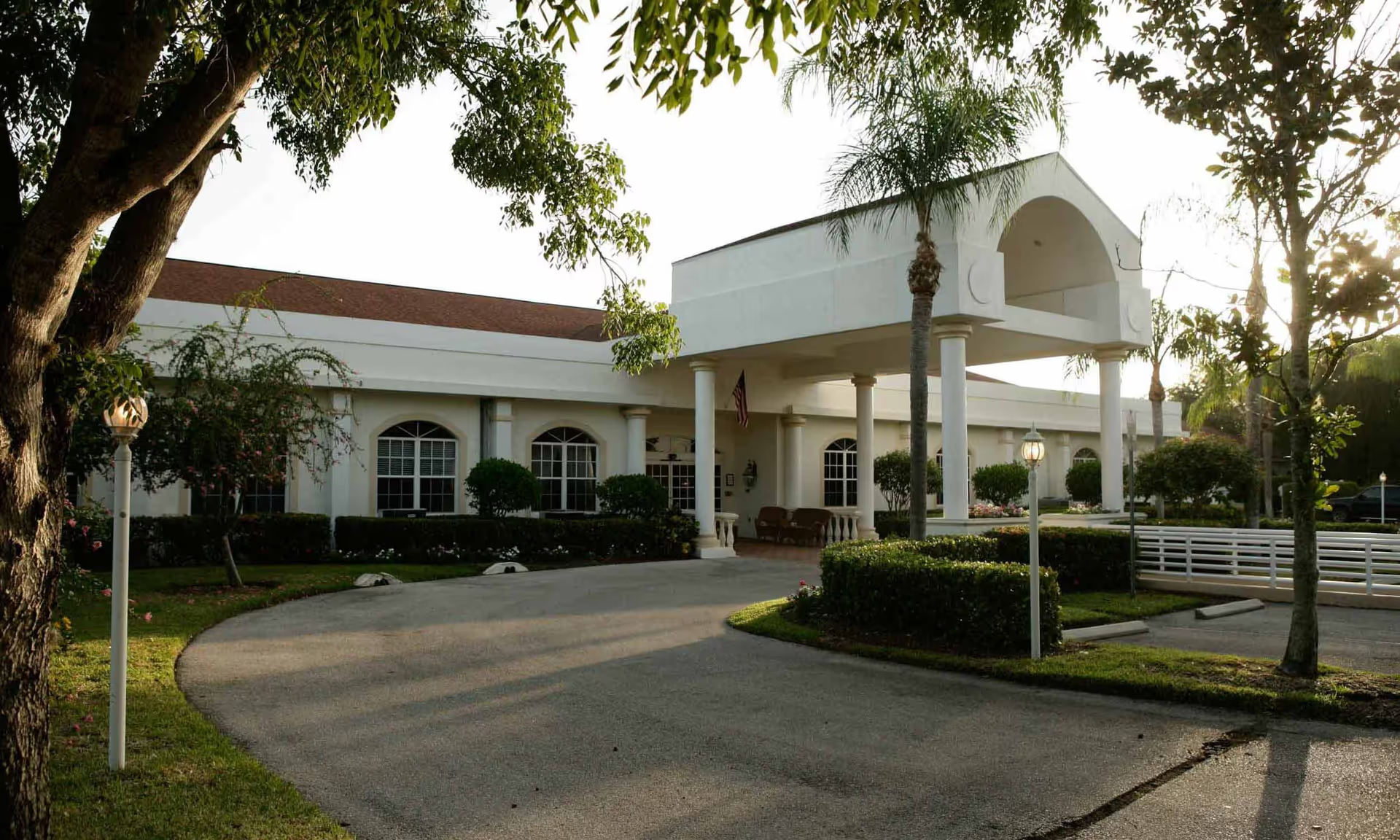
Overall impression: Seascape at Naples is consistently described as a resort-style senior living community with broad offerings across independent living, assisted living, and memory care. Many reviewers highlight the campus aesthetics, spacious modern apartments with full kitchens and lanais, and a strong set of on-site amenities including a large heated pool, movie theater, fitness center, salon, and multiple dining venues. The location in central Naples, proximity to beaches and shopping, and hurricane-resilient construction are frequently cited as practical advantages.
Care and staff: The facility receives substantial praise for its caregiving teams, concierge and life-enrichment staff, and on-site clinical resources. Reviewers describe compassionate, professional caregivers and an activities team that provides a lively calendar—music, lifelong-learning classes, happy hours, field trips, and therapeutic programs are core strengths. Memory care programming and on-site therapy services (OT/PT) are also noted as assets for residents needing higher levels of support. At the same time, there are recurring operational concerns: inconsistent staffing levels and turnover have been associated with variable responsiveness, occasional supervision lapses, and perceived gaps in clinical oversight, including medication-management processes. These concerns appear to be episodic rather than universal, but they are substantive enough that prospective families should ask targeted questions about current staffing ratios, clinical oversight, and recent quality-improvement actions.
Dining and activities: Dining is a frequently praised area—many reviewers commend chef-driven menus, fresh made-to-order meals, and a willingness to accommodate dietary needs (gluten-free, low-sodium, vegetarian). Multiple dining rooms, room service, and restaurant‑style service are positive points. Counterbalancing that, some reviewers reported inconsistent meal-service timing, cold food deliveries, or service-staff training issues. The activities program is a clear strength: a robust calendar, lifelong learning (RUI University), arts and cooking classes, live entertainment, and frequent socials contribute to an engaged resident community.
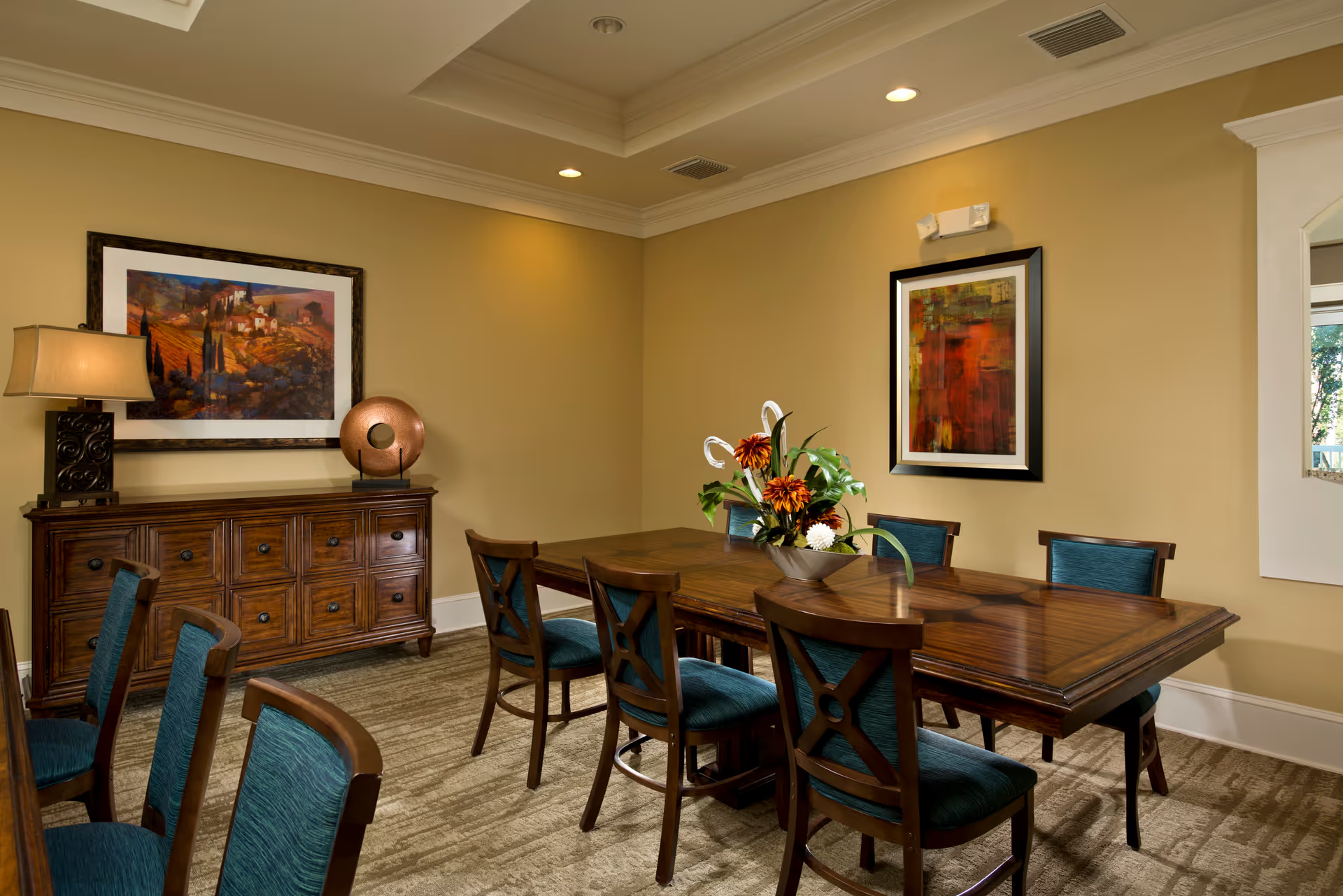
Facilities and operations: The physical plant and public spaces are widely described as clean, modern, and well maintained, with resort-like common areas, landscaped outdoor spaces, and multiple comfortable gathering areas. Housekeeping and maintenance are generally regarded positively, though there are isolated mentions of cleanliness or maintenance inconsistencies. Transition supports such as a red-carpet welcome and personalized tours are frequently cited as helpful; however, a contrasting pattern of uneven move-in coordination and initial onboarding has been described, so clarity about move-in procedures is advisable when touring.
Management and notable patterns: Several reviews praise proactive, communicative leadership and cross-department teamwork that improves resident life. Conversely, other reviews point to periods of weak leadership responsiveness and management turnover that correlate with operational problems. The overall review set is polarized: a large number of detailed positive accounts coexist with a set of serious operational concerns (staffing, supervision, sanitation and clinical process consistency). Because of that mix, prospective residents and families would benefit from an in-person visit and focused questions about current staffing stability, clinical supervision and medication protocols, infection-control and sanitation practices, dining-service continuity, and recent corrective actions or quality metrics. Asking for references from current families, observing shift changes, and reviewing incident-response policies can help assess whether the facility’s strengths align with an individual resident’s needs.