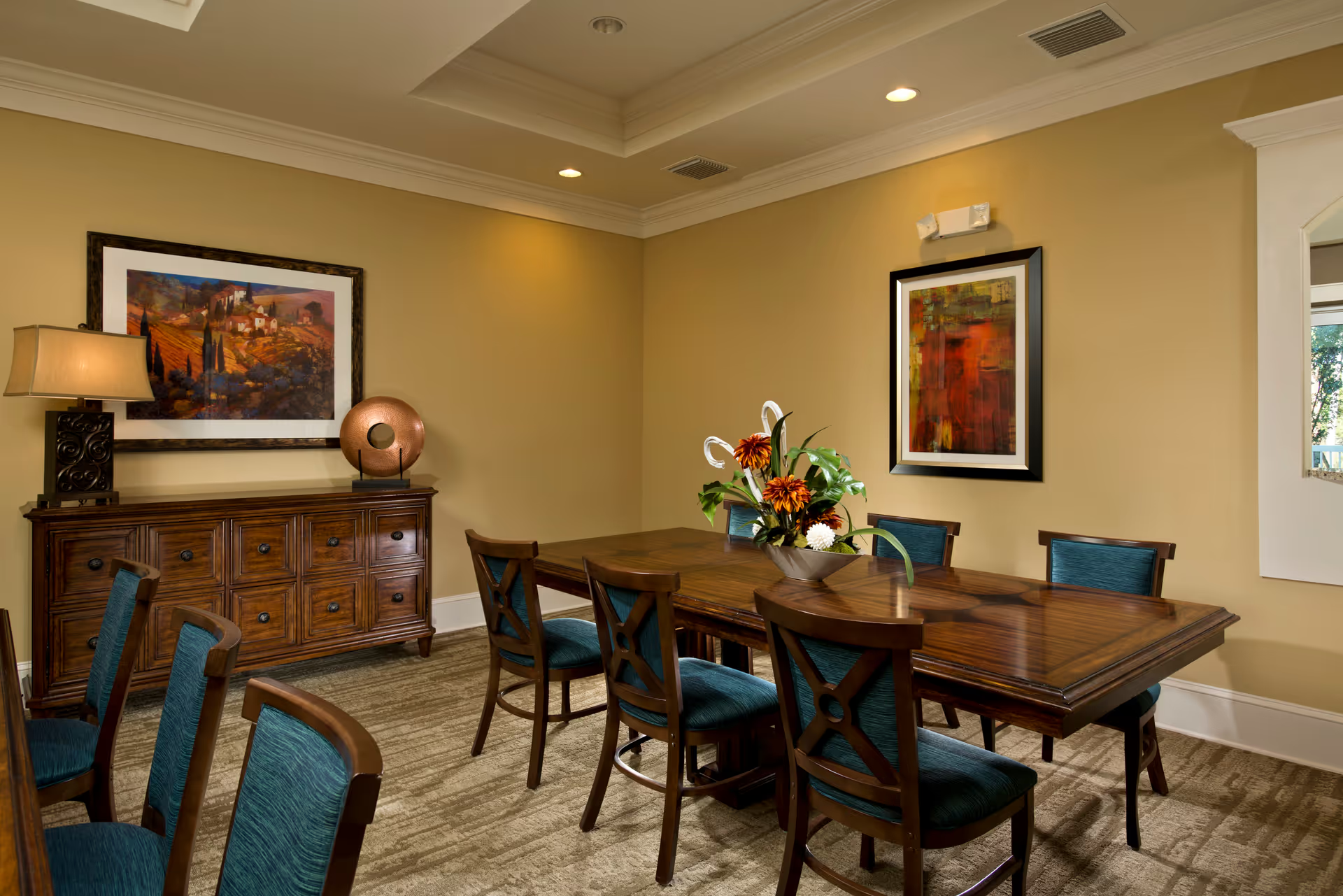
The Carlisle Naples is consistently described as an upscale, resort-like senior living community with strengths in hospitality-style service, dining, and programming. Reviewers frequently highlight restaurant-quality meals, elegant dining rooms with extended dining hours, and a broad, rotating menu that includes homemade desserts. Dining is a repeated positive touchpoint that supports social mealtimes and resident engagement.
Staff and clinical care are a prominent positive theme. Many accounts emphasize an attentive, respectful caregiving culture, experienced clinical and rehabilitation staff, and timely coordination with outside home health providers. Memory-care programming (Club Carlisle) and supervised exercise offerings receive specific praise for keeping residents active. Families also note effective wound care and clear progress reporting to leadership bodies.
Activities and amenities contribute strongly to the community’s appeal. Residents describe a varied daily calendar—card games, arts and crafts, guest speakers, educational programs, contests, and fitness instruction—alongside high-quality facilities such as a pool, salon, gym, shuttle service, and weekly linen/housekeeping options. Units range from cozy one-bedrooms to larger two-bedroom apartments with granite kitchens, stainless appliances, balconies, and in-unit washers/dryers; the availability of a rent-only option without a large entrance fee is also attractive to many prospects.
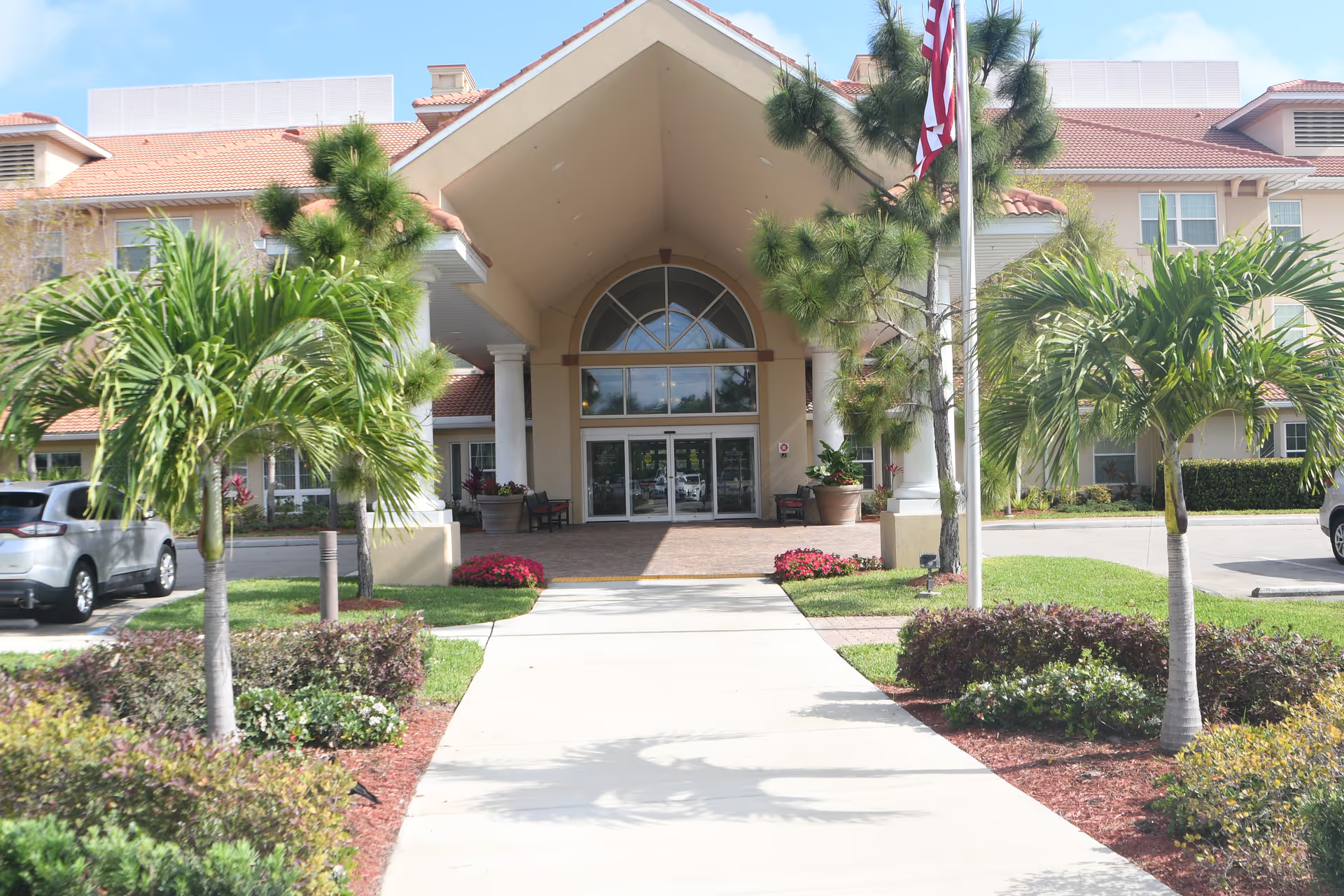
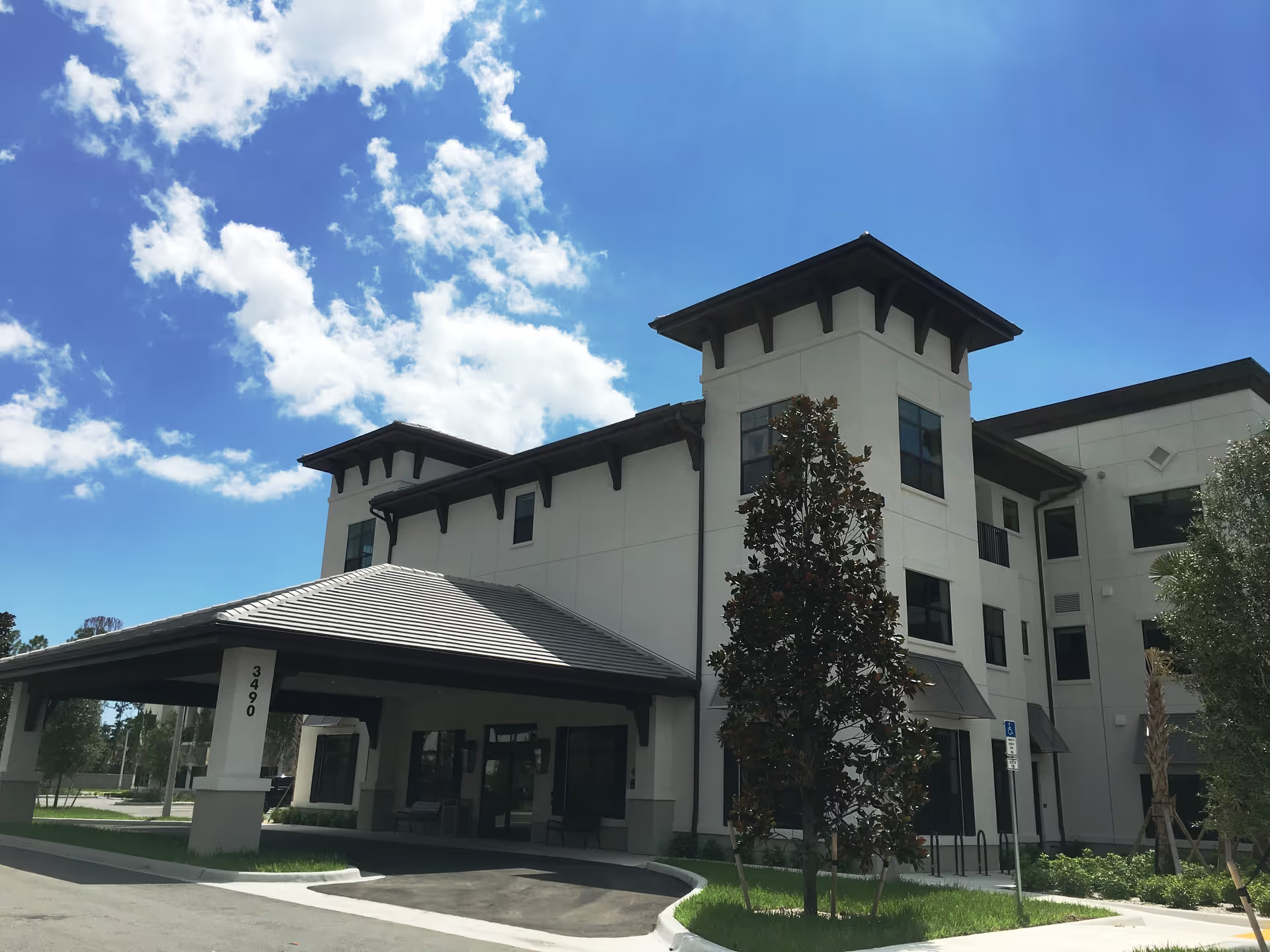
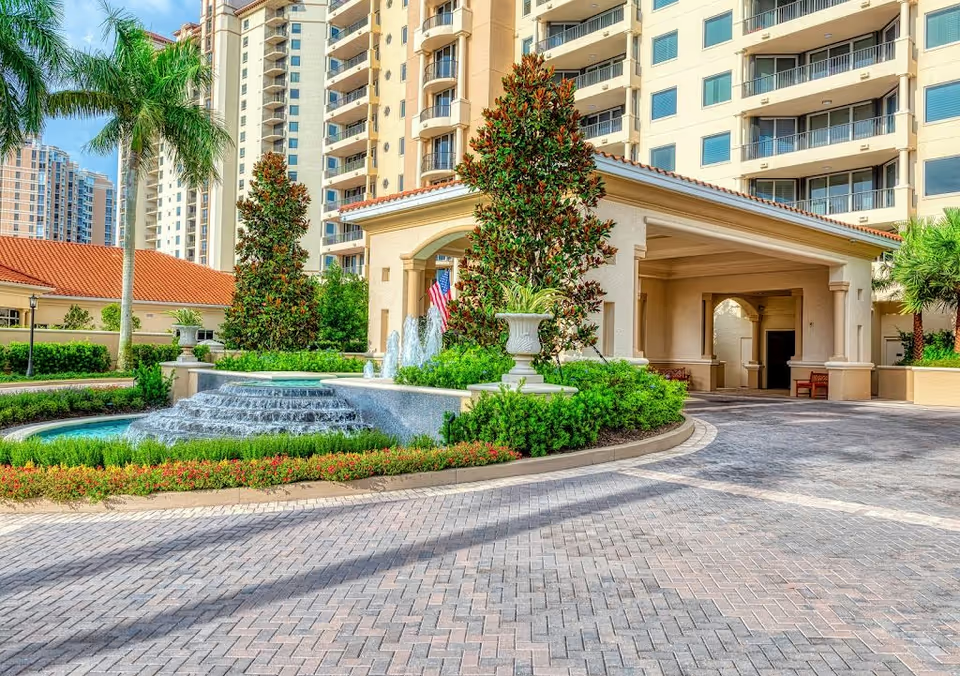
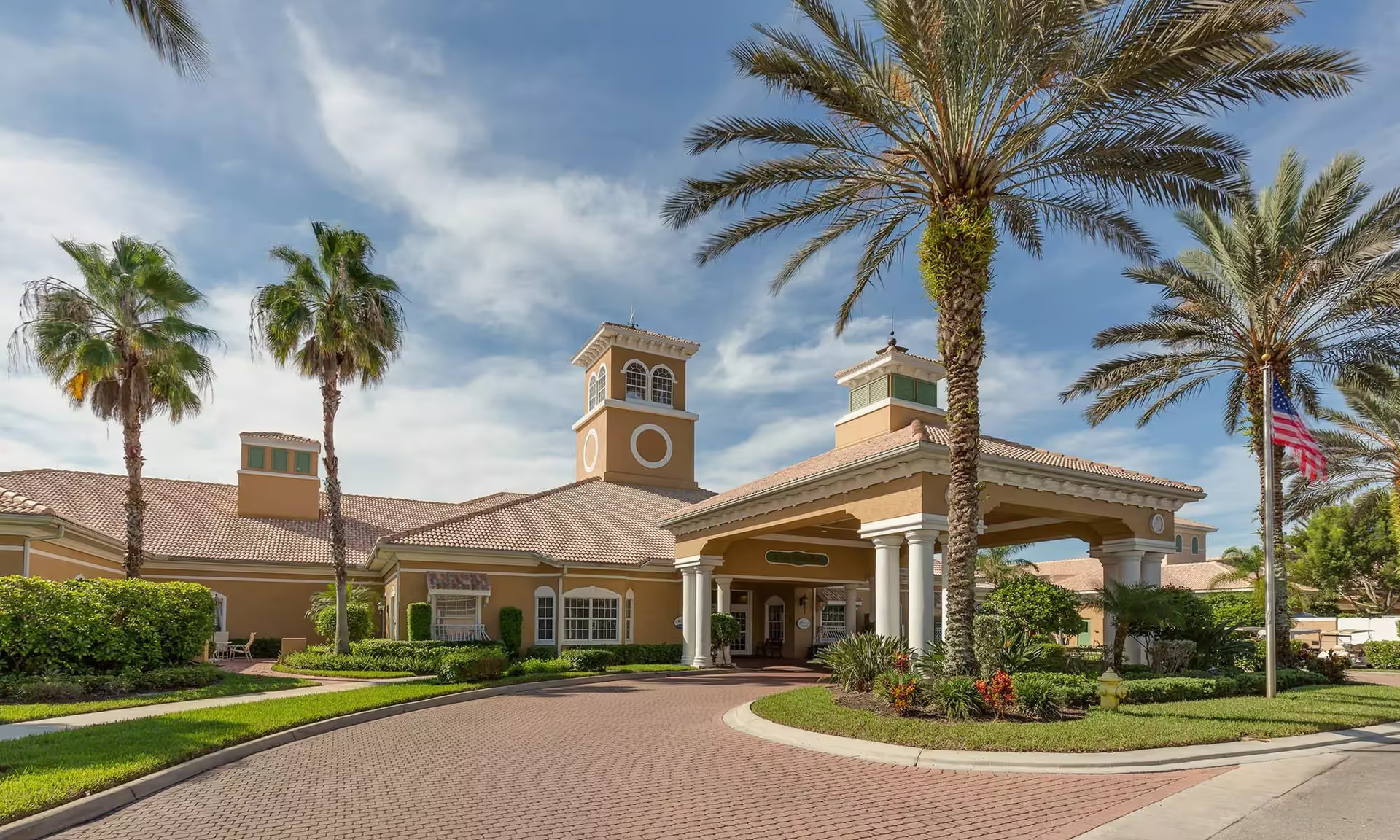
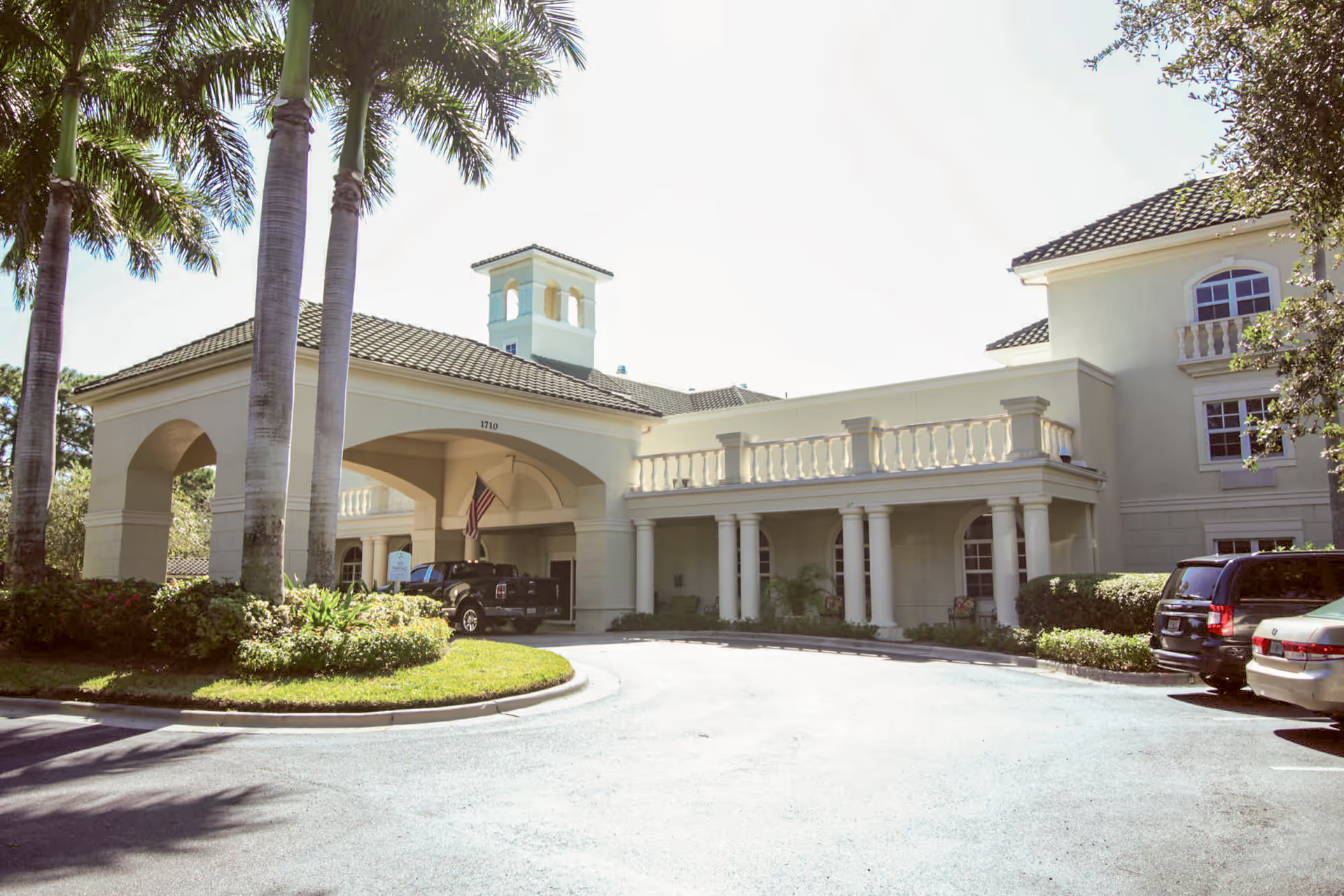
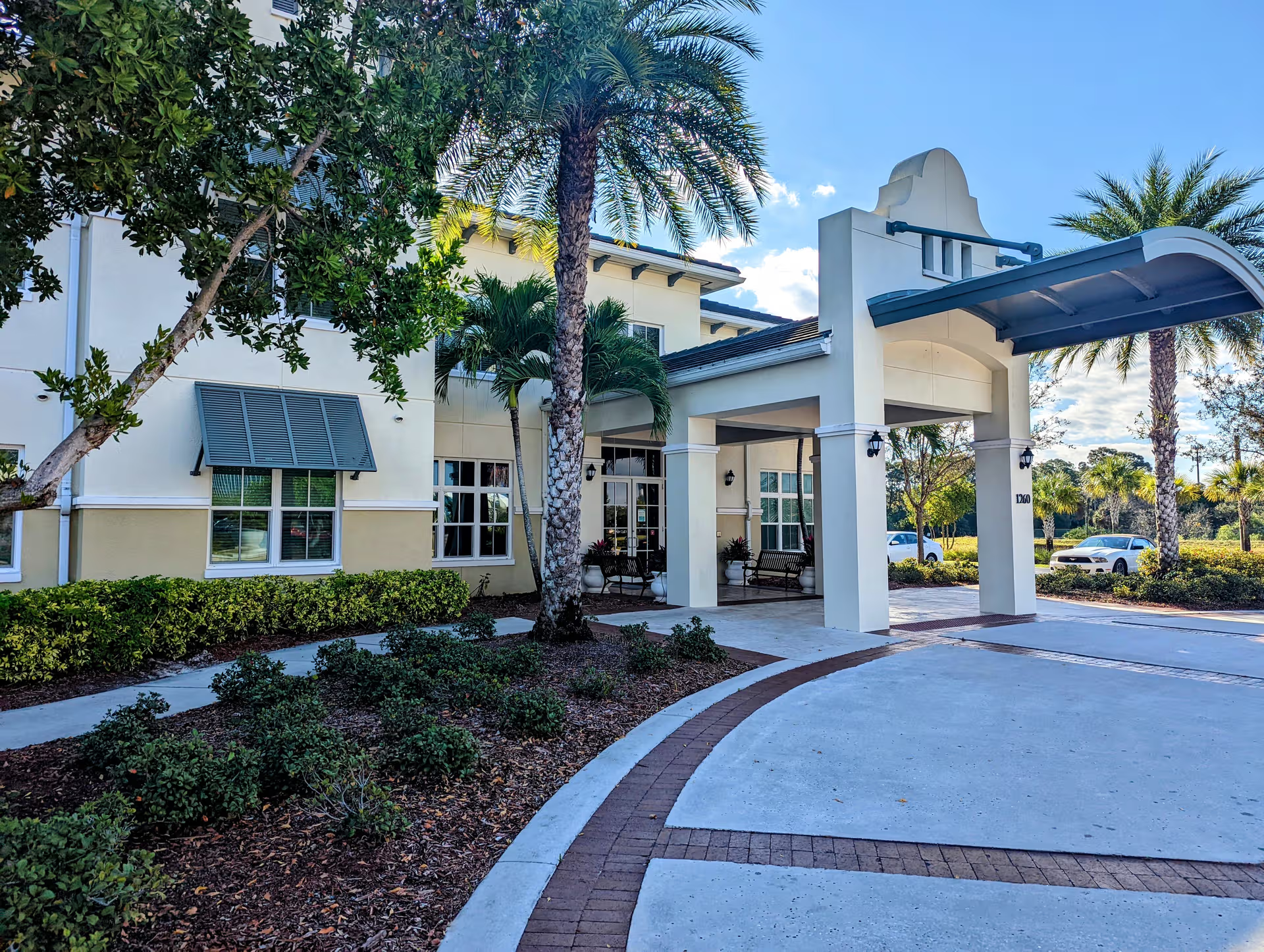
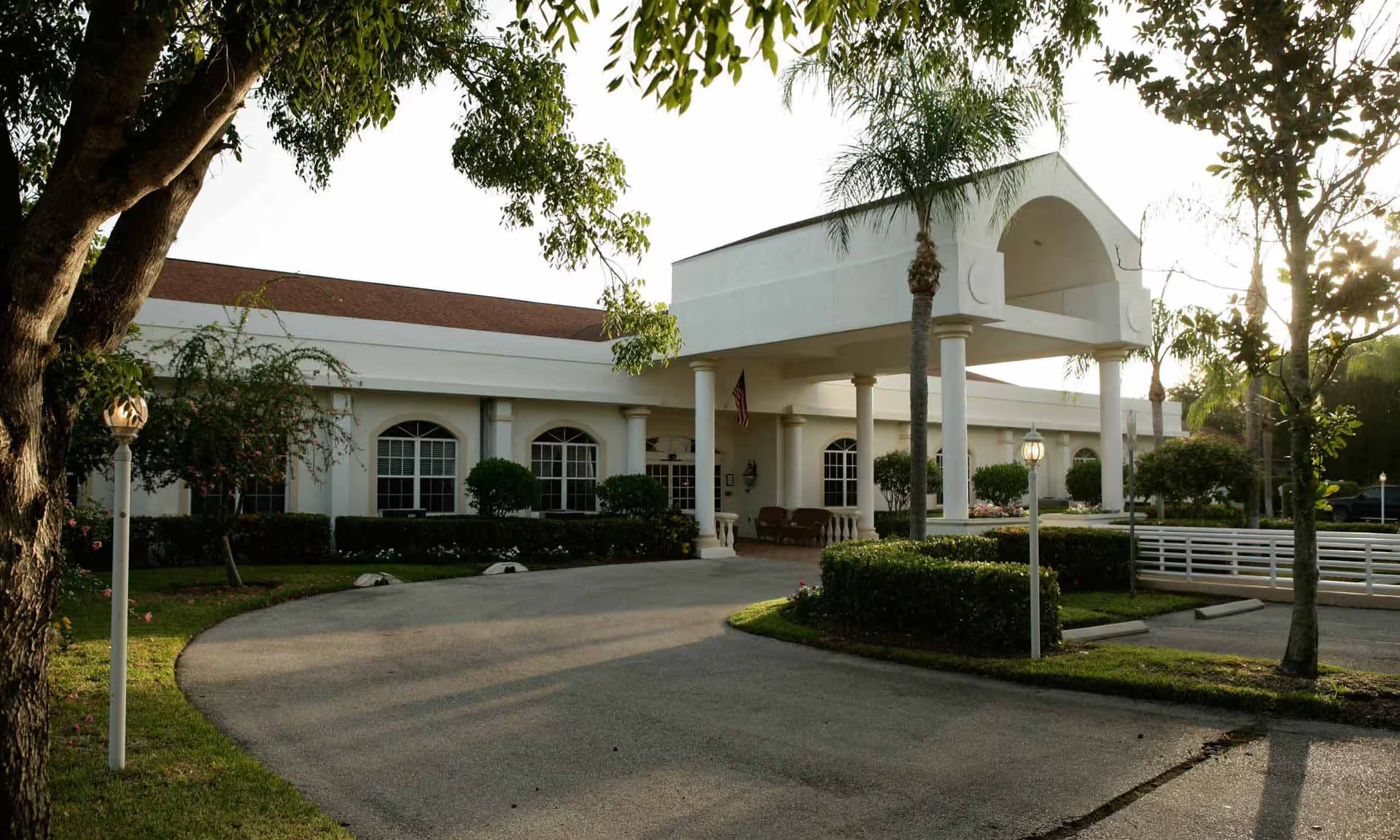
Physical plant observations are mixed. The campus and landscaping are frequently praised as attractive and well maintained, yet multiple comments point to uneven modernization: some areas and units appear dated, with narrow hallways, darker finishes, or maintenance issues that suggest a phased renovation plan is still in progress. Practical limitations are also noted, including limited covered parking, constrained space for mobility devices within some apartments, and a relative scarcity of certain larger unit configurations.
Operational concerns that recur across accounts focus on administrative and supervisory practices. Several reviewers described variability in staff conduct, including department-level accountability issues that they found stressful; others called out administrative delays, billing inaccuracies, and occasional lapses in timely follow-up after clinical incidents. These comments suggest variability in nonclinical operations and communication, even as clinical/rehab teams receive favorable mentions.
In sum, The Carlisle Naples presents a strong offering for prospective independent and assisted living residents who prioritize high-quality dining, active programming, and a hotel-like environment with skilled clinical support. Prospective residents and families should weigh those strengths against practical considerations—parking, unit layout for mobility equipment, availability of larger units, and the desire for consistent administrative responsiveness—and consider an in-person visit that probes recent renovation plans, parking arrangements, and how the community addresses supervisory and follow-up concerns.