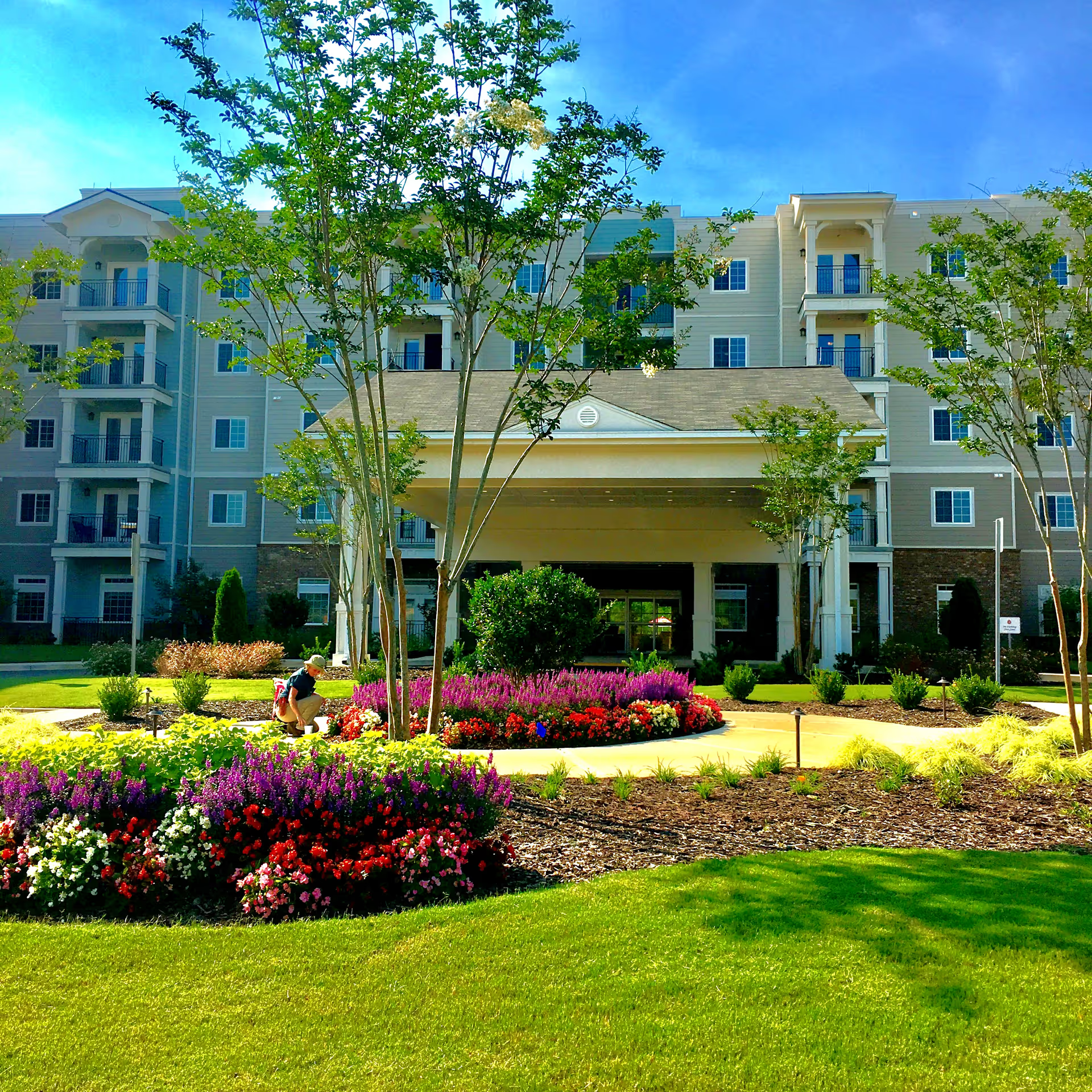
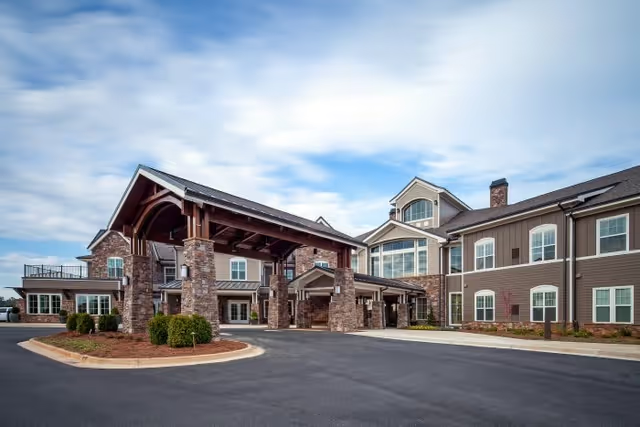
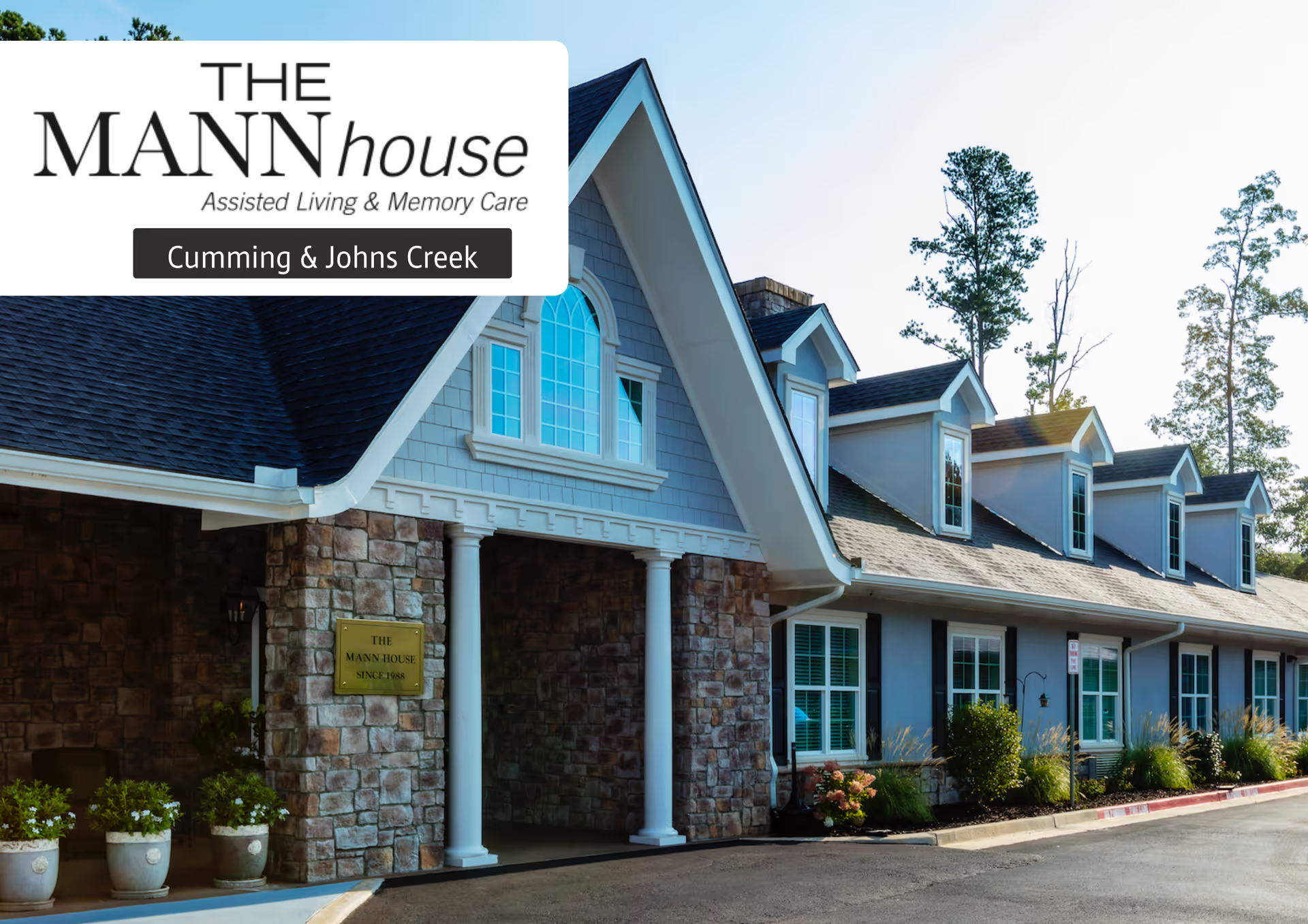
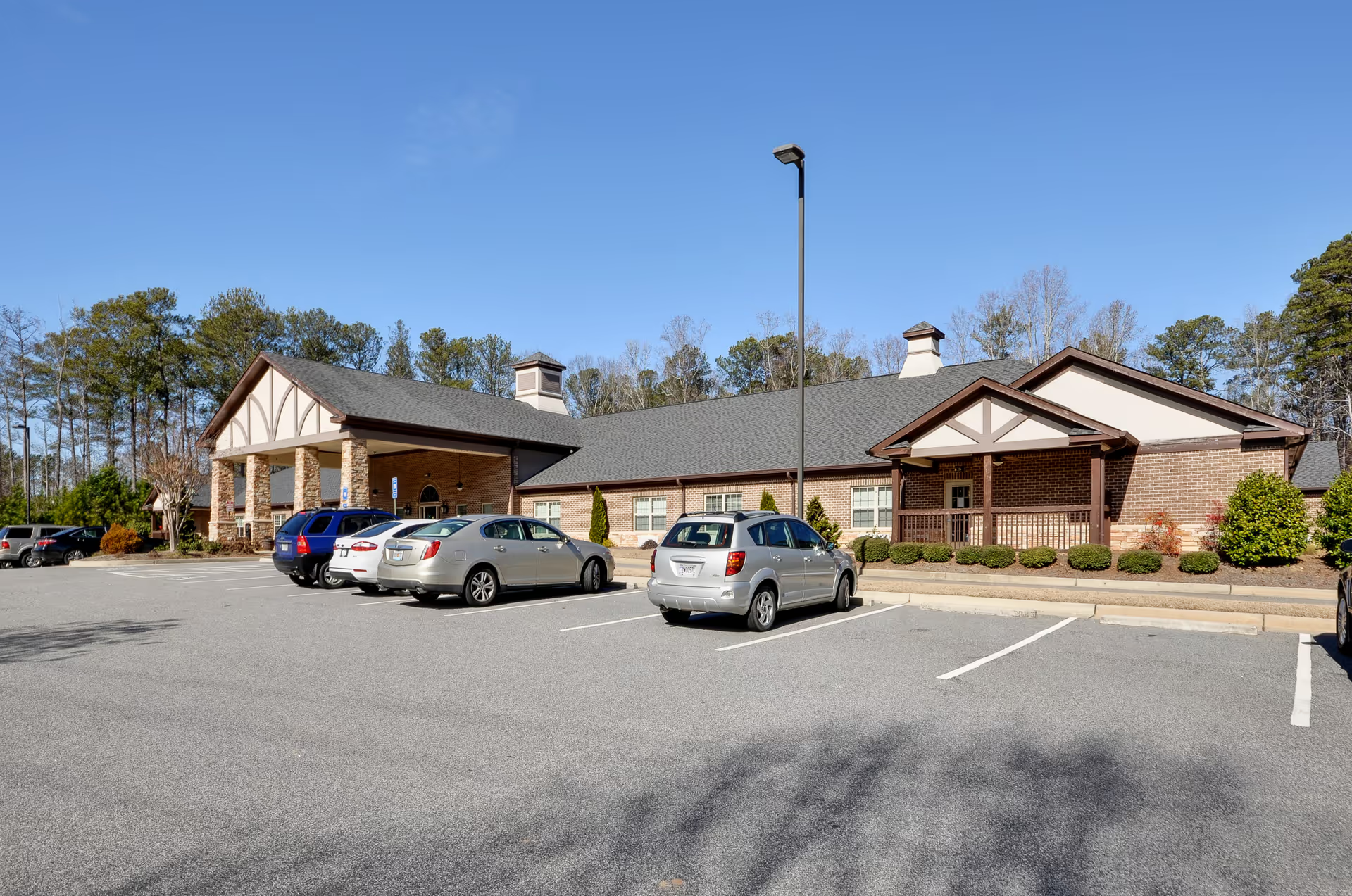
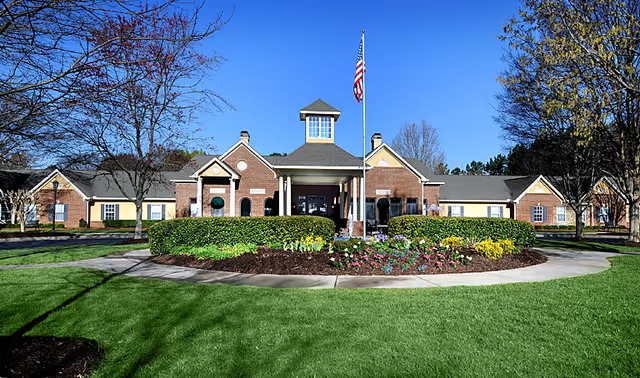
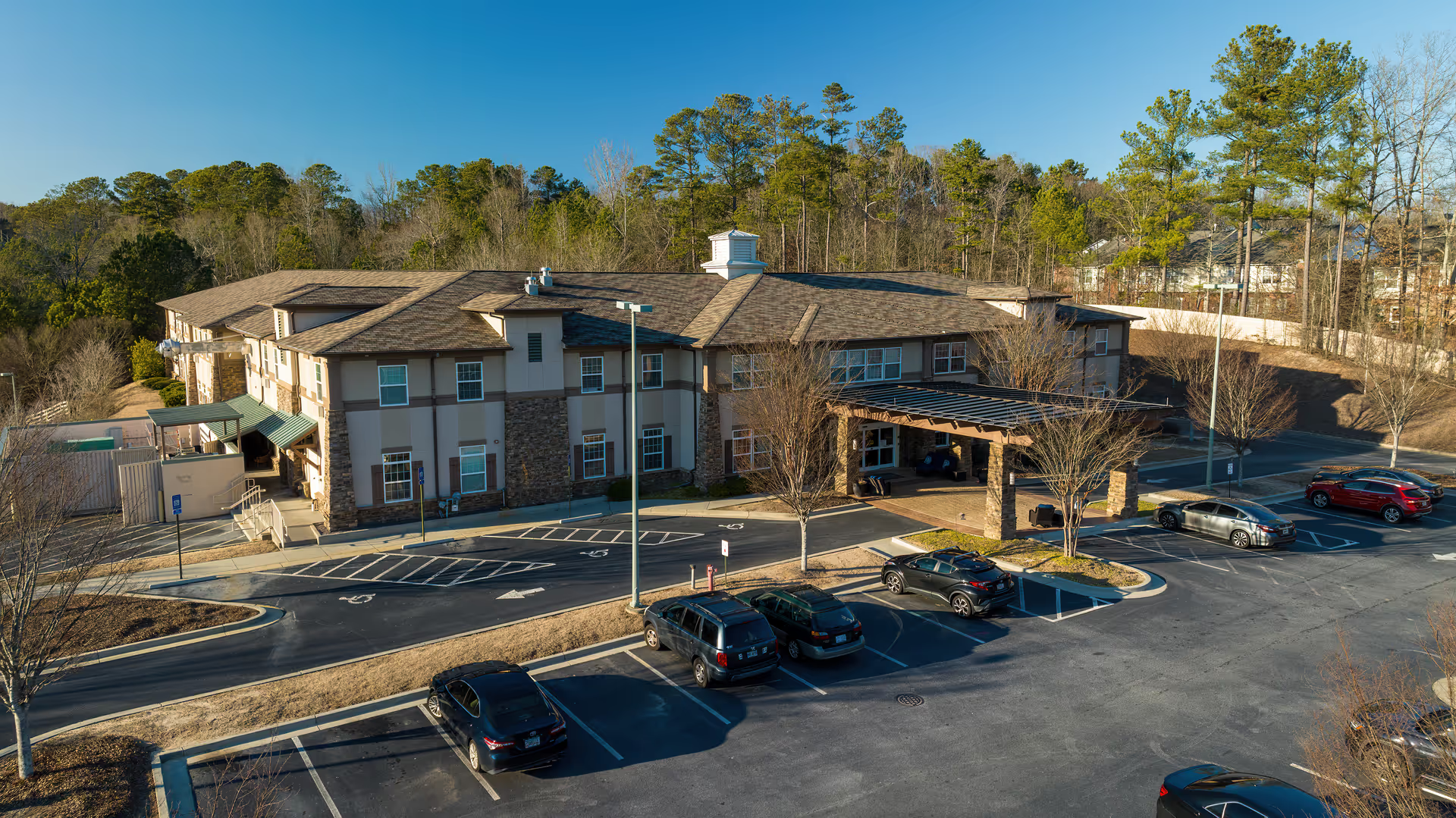
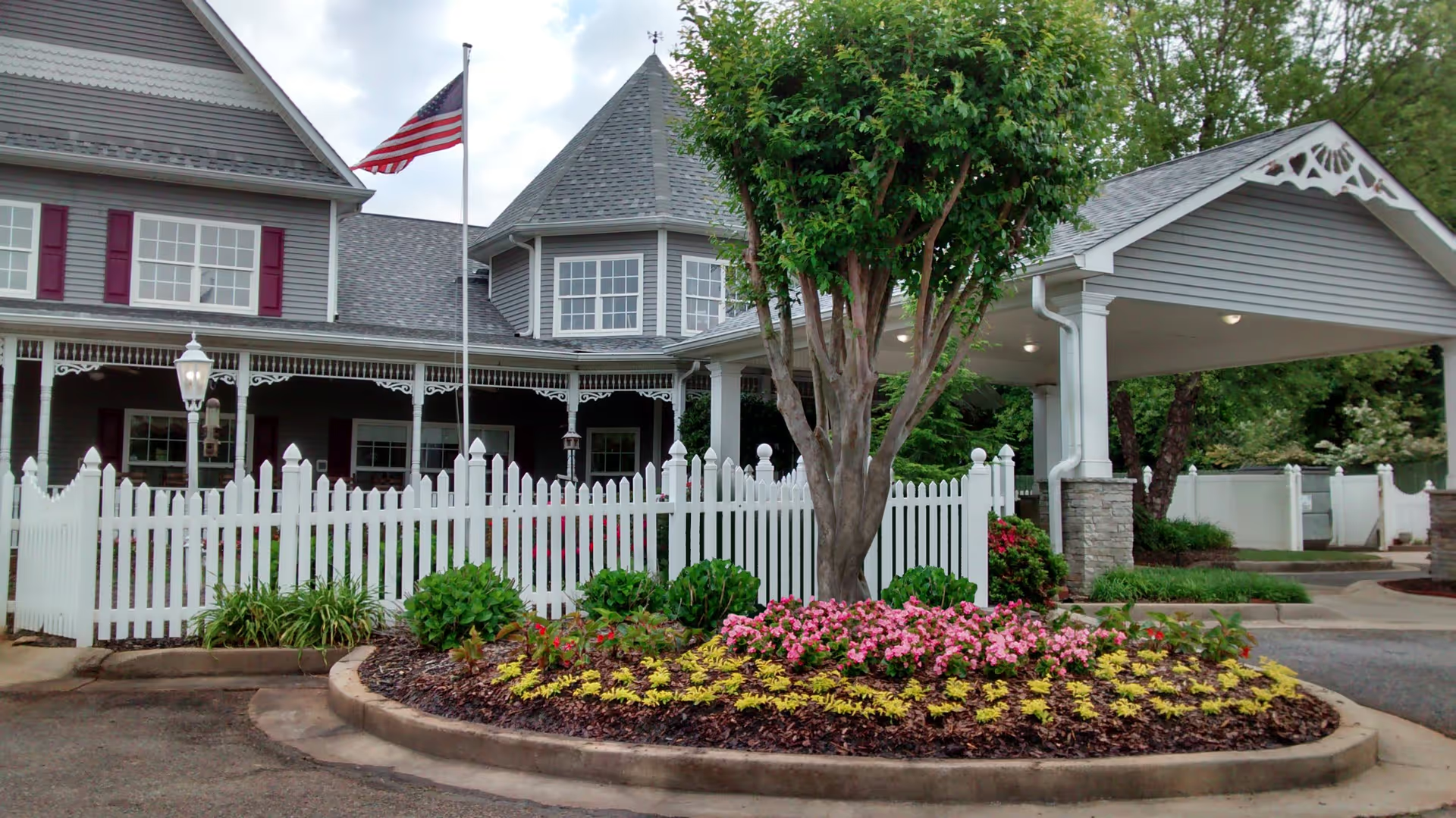
Reviews present a mixed but consistent set of themes. Many families and residents praise the direct-care teams: caregivers, med-techs, activity staff, and several named administrators are described as warm, attentive and effective. The memory-care wing receives repeated positive mention for engaged staff, suitable room layouts, and active programming. Housekeeping and the facility’s courtyard and outdoor spaces are frequently described as clean and pleasant. Several reviewers also noted strong infection-control practices during the pandemic and reliable night-shift coverage that contributes to a sense of safety.
At the same time, a recurring operational pattern concerns staffing stability and training. Multiple accounts describe frequent turnover among nursing and memory-care staff, which families link to inconsistent hands-on care, variable clinical skill levels, and gaps in personal-care routines (for example, inconsistent bathing schedules and assistance at mealtimes). Reviewers also described instances that reflect broader issues in clinical coordination and safety practices; these are best summarized as gaps in transfer-safety and clinical-incident response rather than isolated complaints.
Dining and rehabilitation services show a split in experience. Several reviews compliment the kitchen team and individual meals, noting diabetes-friendly options and nourishing menus. Conversely, other accounts describe inconsistent portions, late or cold meal deliveries, challenges with modified textures, and a sense that menu decisions are centralized. Therapy/rehab availability exists but coordination with contract therapy providers and scheduling reliability were unevenly reported.
Management and administration elicited polarized feedback. Some families highlight proactive, communicative leaders who smoothed transitions and resolved issues; other families experienced poor follow-through, delayed responses to concerns, and, in some cases, billing or contract disputes after move-out. These management inconsistencies amplify the impact of staffing variability — when clinical or service issues arise, families reported mixed results in receiving timely explanations or remediation.
Taken together, the facility appears to offer a genuinely positive, homelike environment when direct-care teams are stable and engaged: active programming, clean spaces, and many staff praised for respectful resident interactions. Prospective residents and families should weigh these strengths against operational risks tied to staffing turnover, training gaps, and occasional management shortfalls. For residents with higher-acuity clinical needs (complex mobility, catheter care, or intensive rehabilitation), the pattern of mixed clinical coordination and limited home-health/rehab capacity suggests confirming current staffing models, clinical competencies, and written response protocols before move-in. Families who can provide active advocacy and maintain regular communication with staff appear more likely to experience consistently positive outcomes.