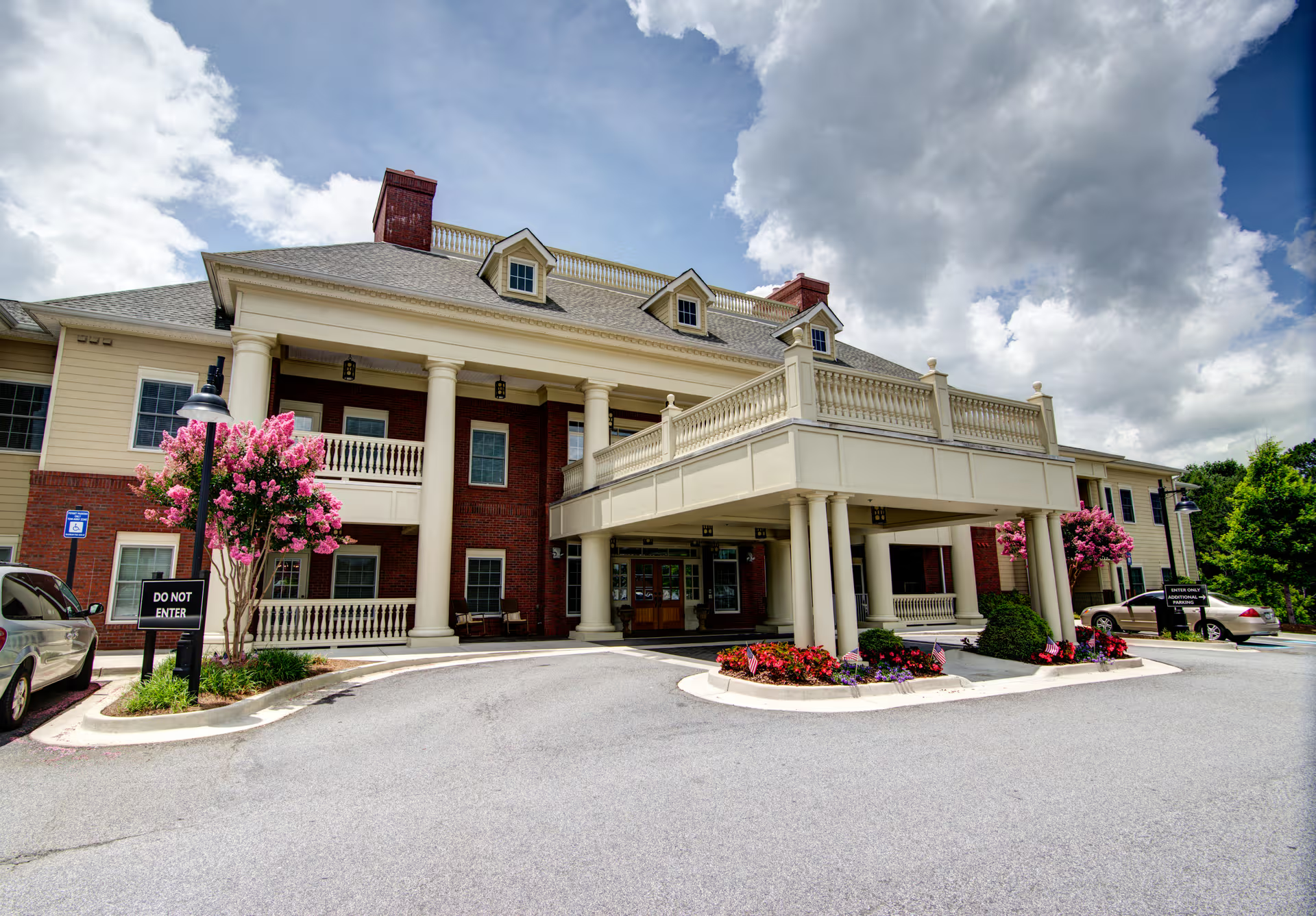
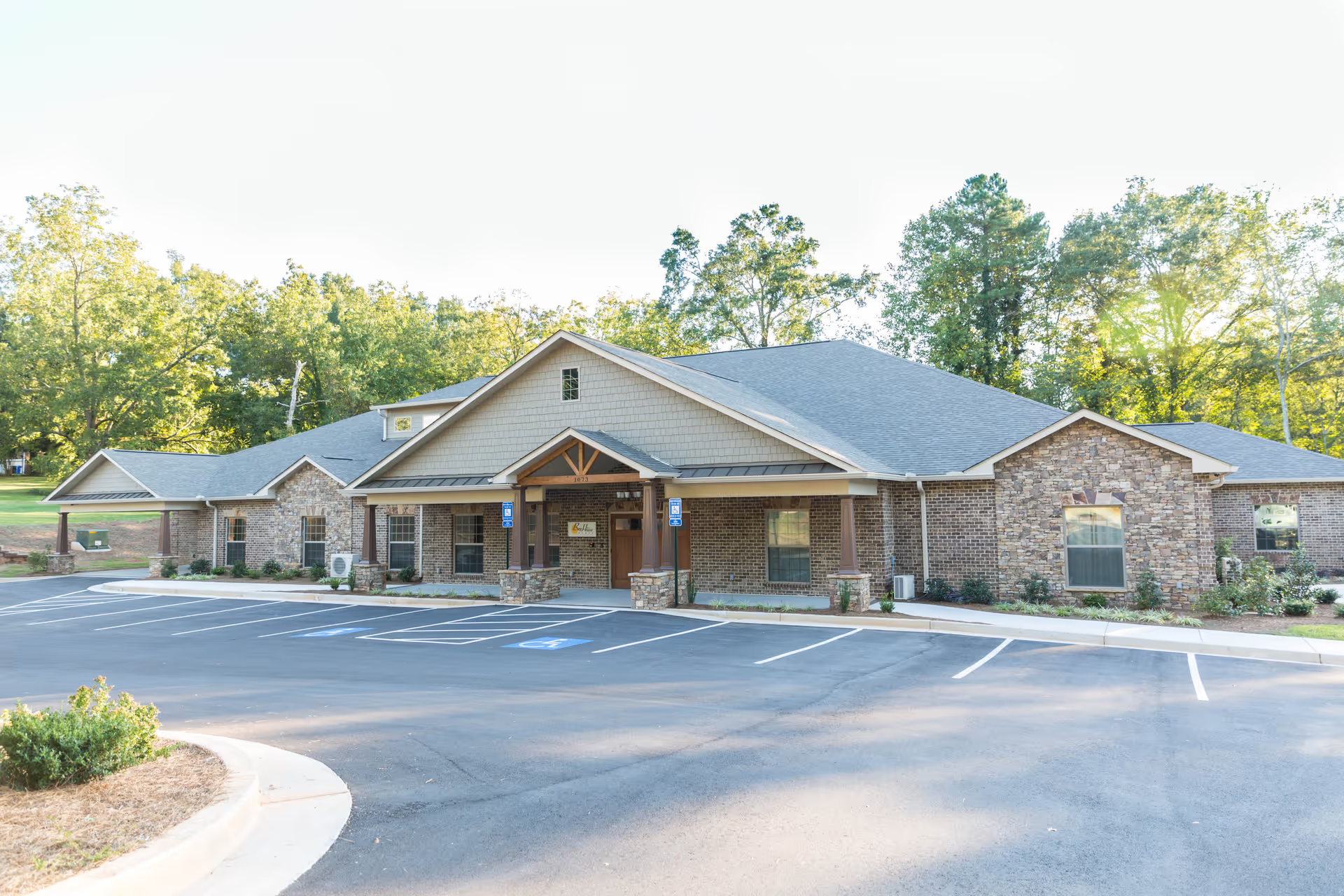
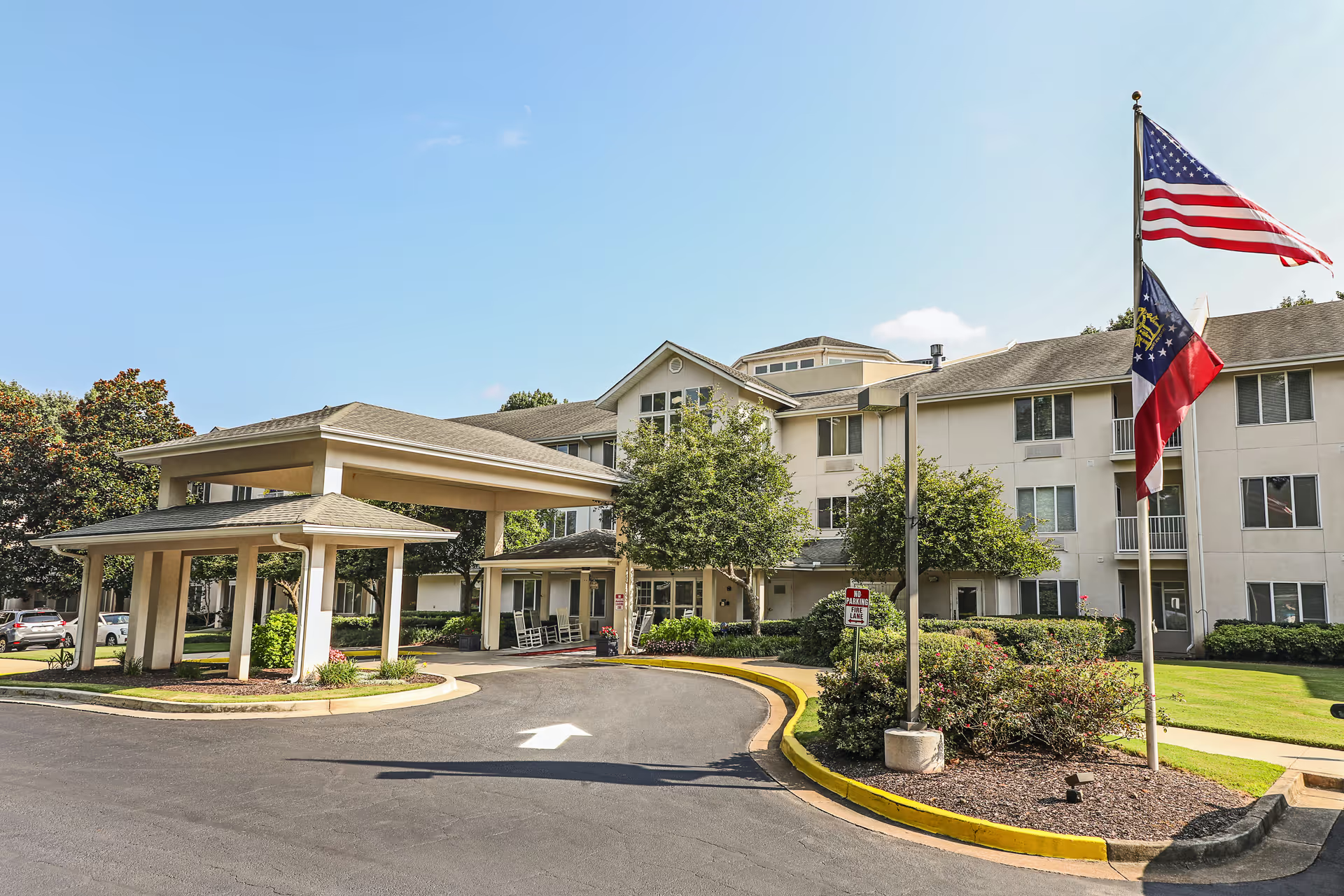
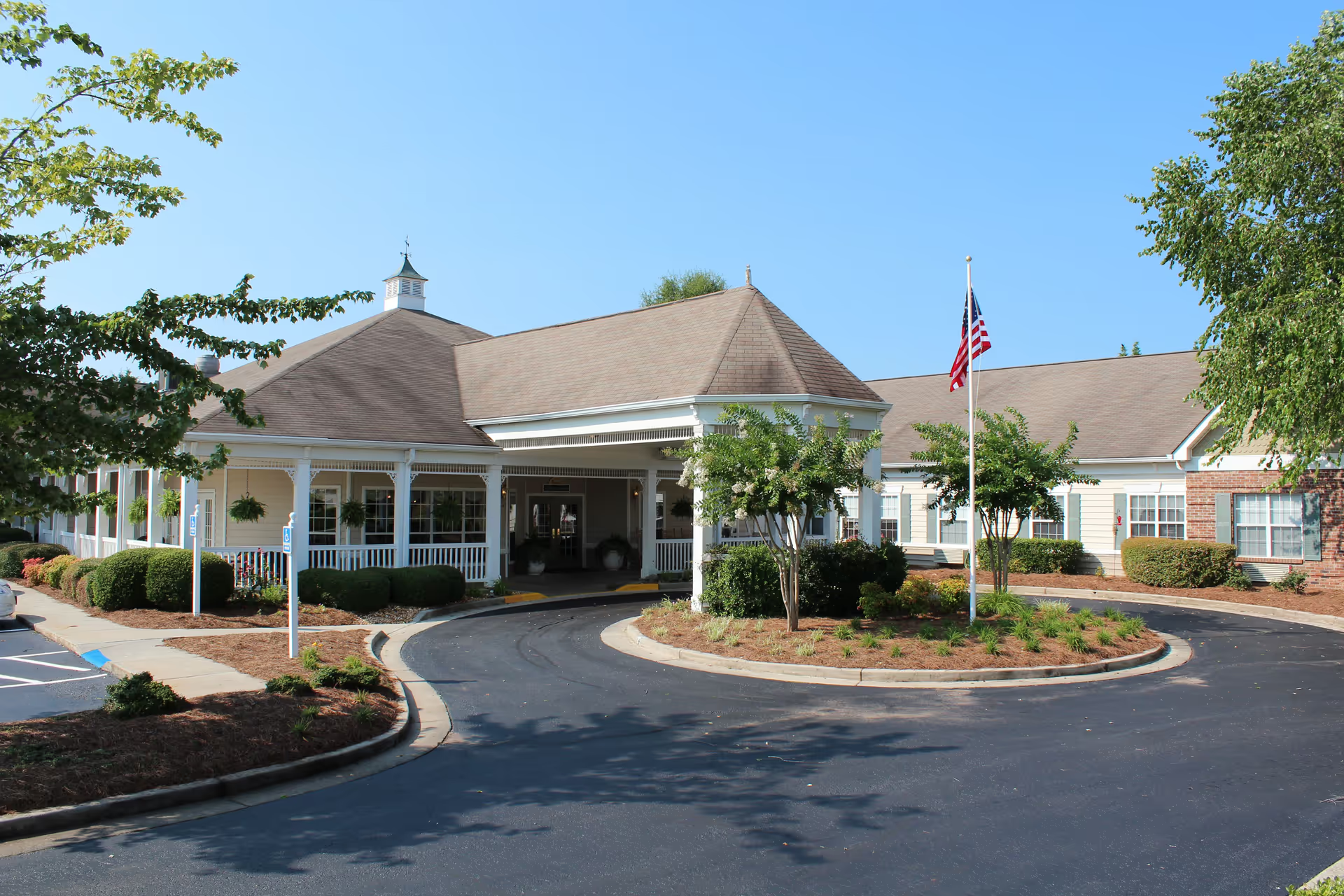
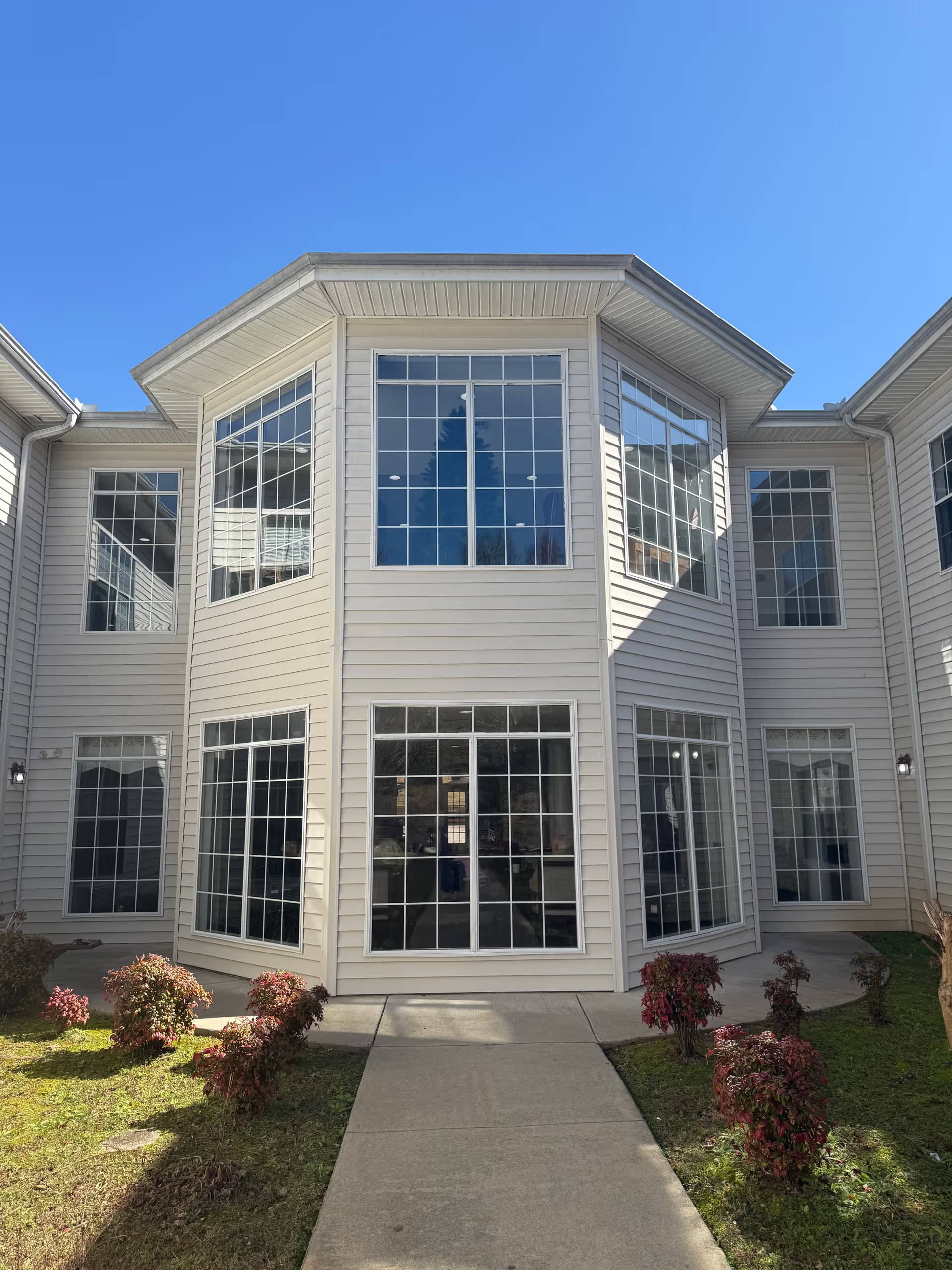
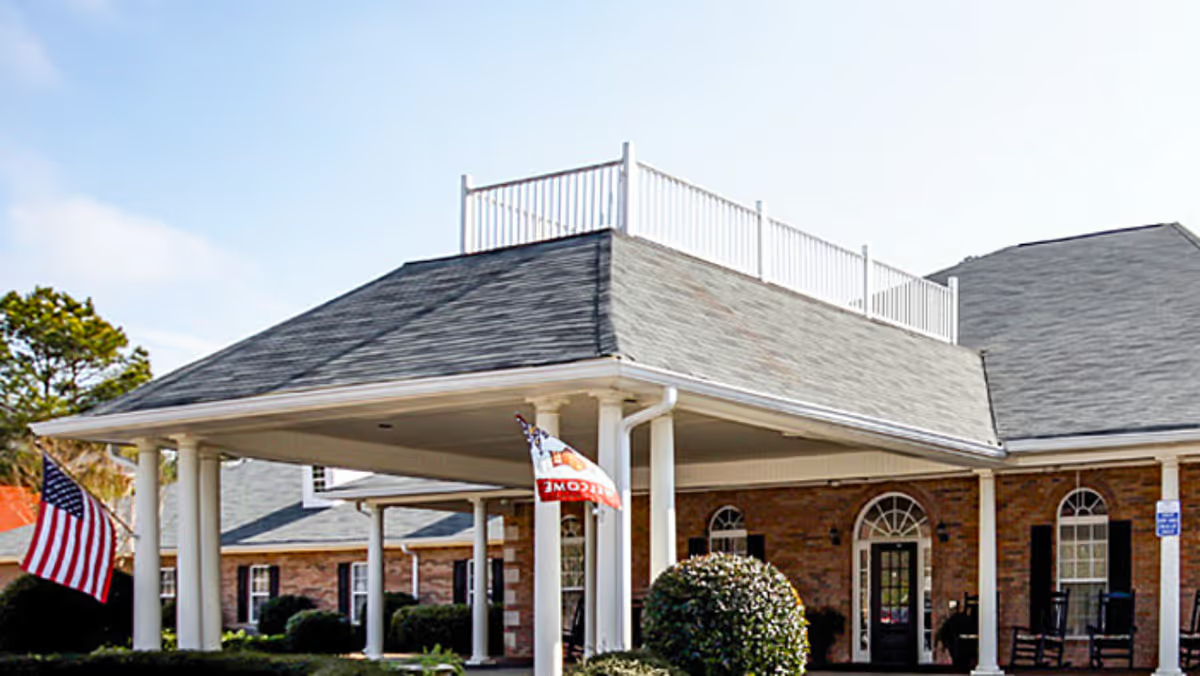
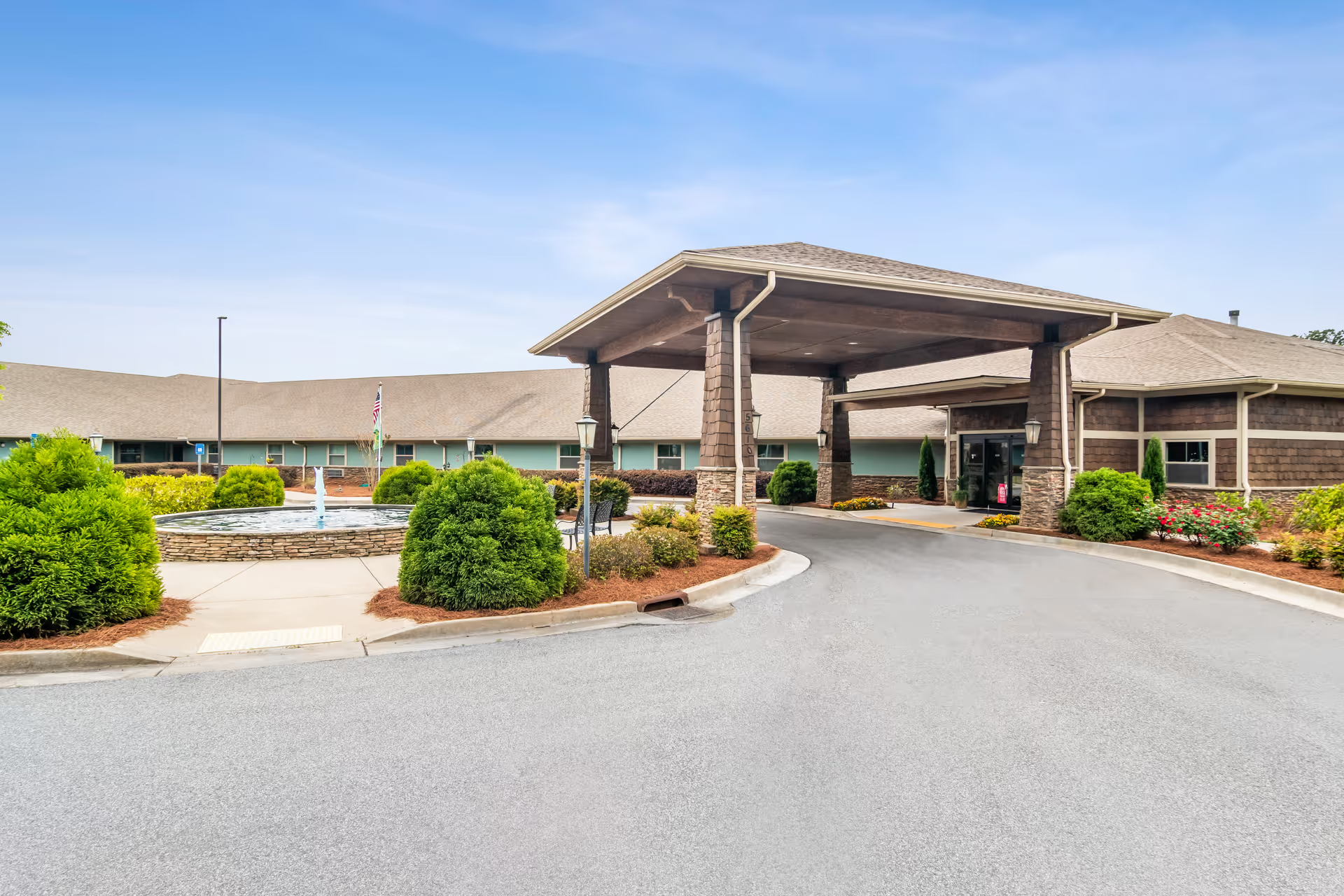
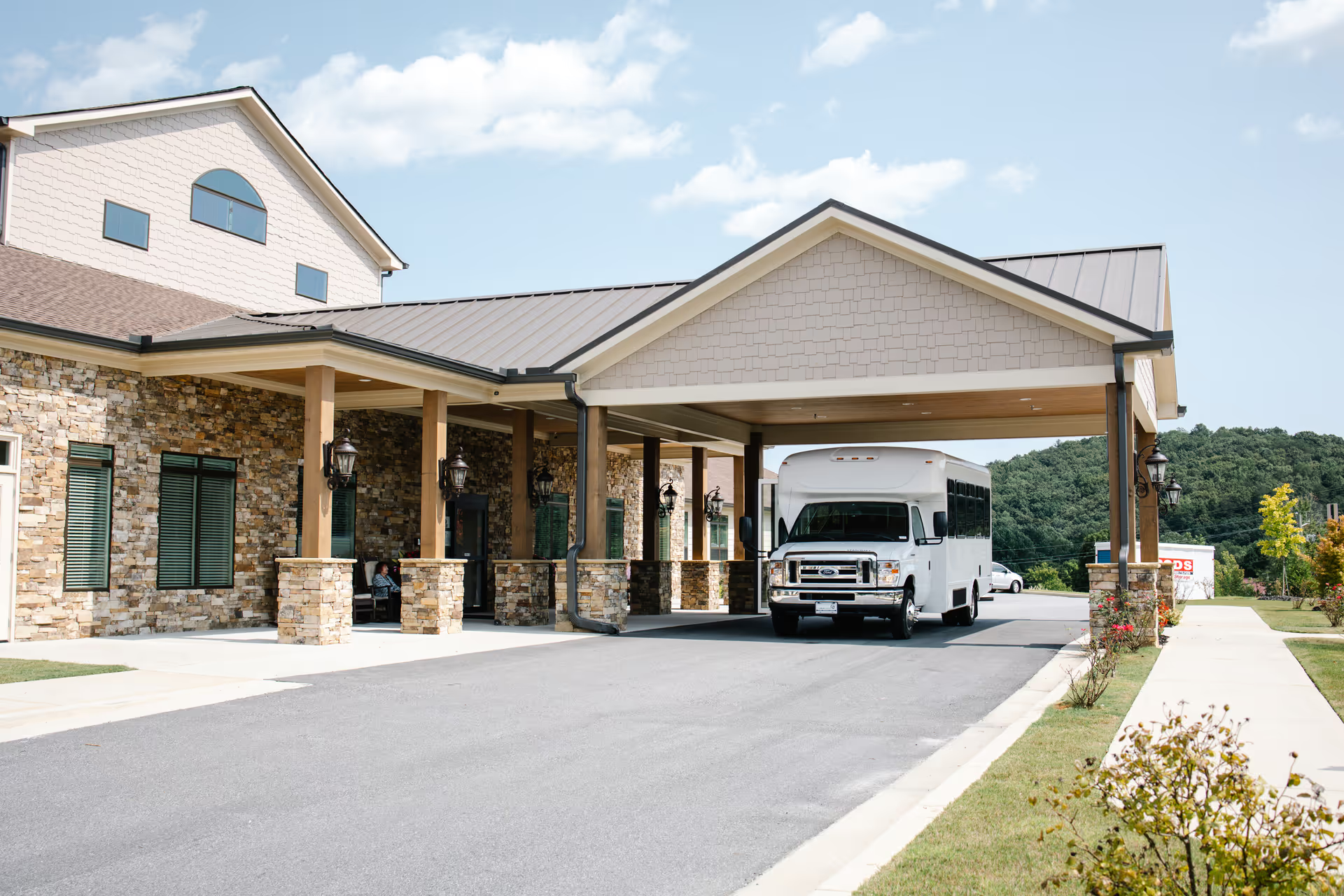
The Phoenix at Lake Lanier presents as a high-amenity, hospitality-oriented senior living community with a strong emphasis on environment and programming. Many families and visitors highlight the lakefront location, well-kept grounds, and a hotel-like aesthetic: bright dining rooms, a pub with views, a private movie theater, library with natural light, and multiple outdoor seating areas. Apartment finishes and large suite dimensions are frequently noted, as are convenient communal features such as a theatre, activity rooms, and well-designed dining spaces that contribute to a home-like, social atmosphere.
Care and staff are described in mixed terms. Numerous accounts praise compassionate, personable caregivers, engaged front-desk and admissions personnel, and skilled med-techs who help reduce emergency visits. At the same time, a recurrent operational concern is inconsistent staffing—particularly on weekends and night shifts—and higher-than-desired turnover. Reviewers characterize this as producing variable responsiveness to call bells, uneven clinical coverage, and occasional gaps in medication administration. Several families specifically recommended confirming staffing levels and review procedures for transfers and medication before committing.
Dining and programming are strengths when functioning smoothly: many residents enjoy varied menus, special treats, and dietary accommodations, and activities staff run a broad calendar that includes games, exercise, arts and crafts, worship services, movies, and regular outings. However, reviewers also report inconsistency in meal quality and menu execution over time, and some families found options limited or not appropriate for particular dietary needs. Programming access is generally robust on weekdays but can be constrained by limited transportation availability or reduced weekend staffing; some activities are not fully adapted for residents with visual impairments.
Facility amenities and maintenance receive consistently positive comments: interiors are modern and well-kept, common spaces are attractive and roomy, and grounds are maintained. That said, some unit-level operational issues were raised, including inconsistent housekeeping performance, occasional laundry management problems, and the lack of built-in kitchen areas in many studio layouts—factors that may affect long-term convenience for some residents.
Management and communication show variability across accounts. Several families praised proactive leadership, smooth admissions experiences, and prompt resolution of issues. Conversely, others described frequent management turnover, billing and reporting gaps, and lapses in timely family notification about clinical changes. A subset of reviewers raised serious safety-related concerns tied to memory-care supervision and medication handling; these reports suggest it is prudent for prospective residents and families to request detailed information on safety protocols, staffing ratios, and incident-reporting practices during tours.
Bottom line: The Phoenix at Lake Lanier is a well-appointed community that offers strong social programming, attractive amenities, and many instances of compassionate caregiving. It is likely to appeal to families seeking an upscale, active living environment with comprehensive activities. Prospective residents and their families should balance those advantages against recurring operational themes—staffing consistency, housekeeping and laundry reliability, weekend/overnight clinical coverage, and variable management continuity—and verify those operational details firsthand during visits and follow-up conversations with leadership.