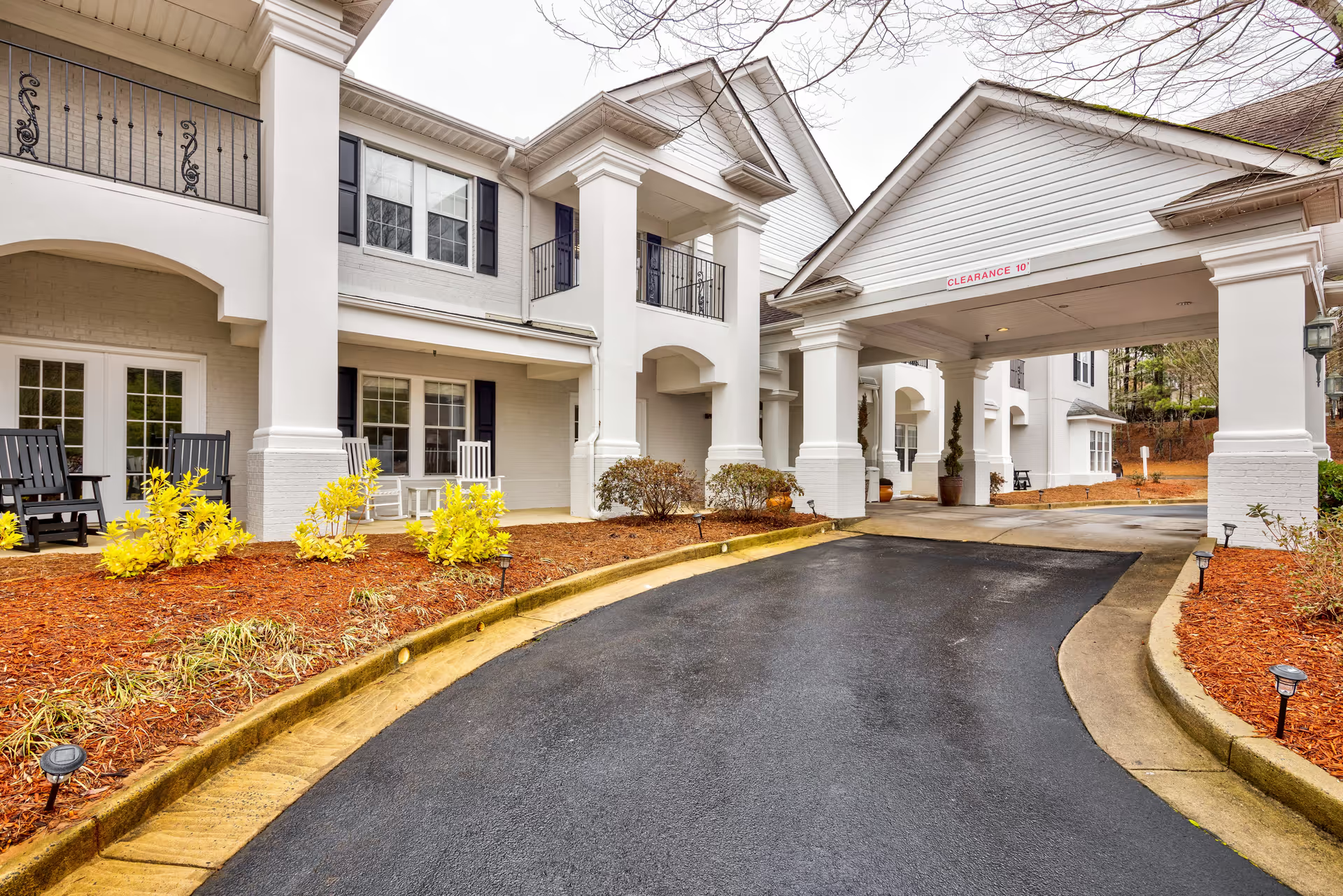
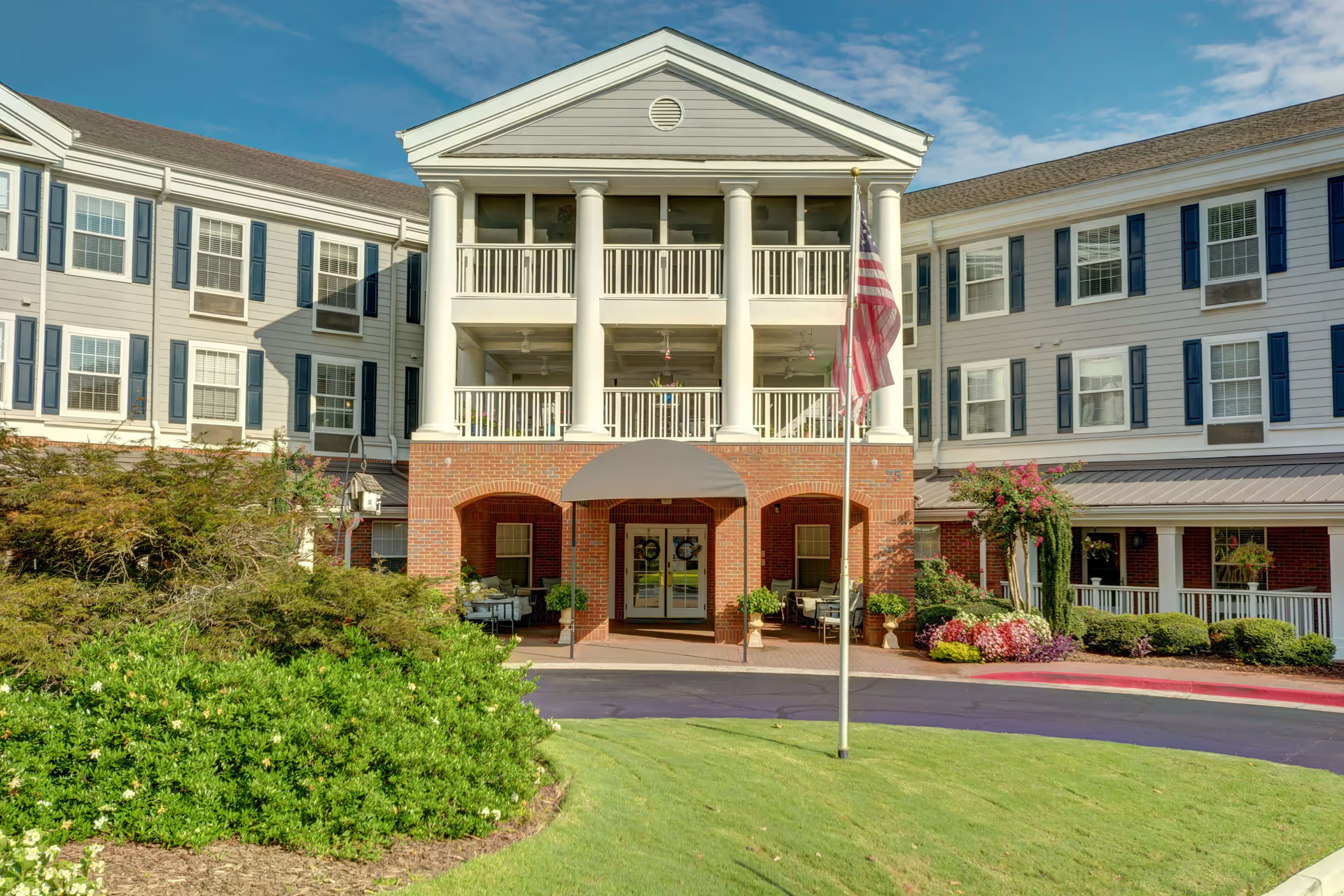
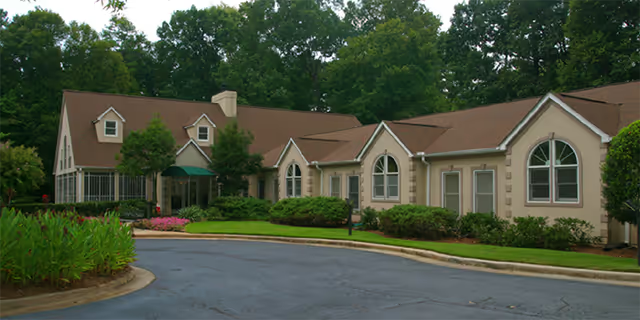
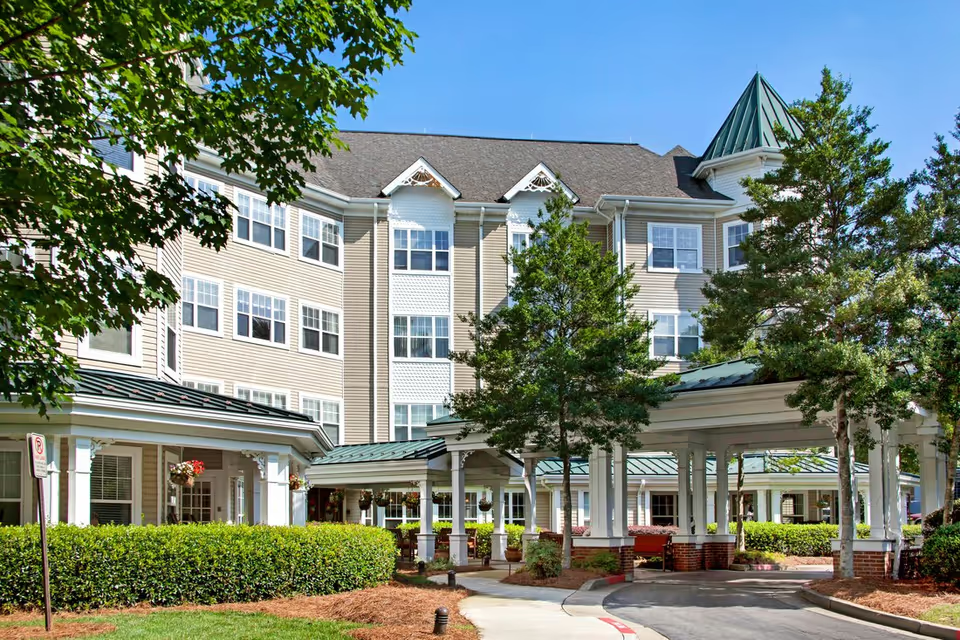
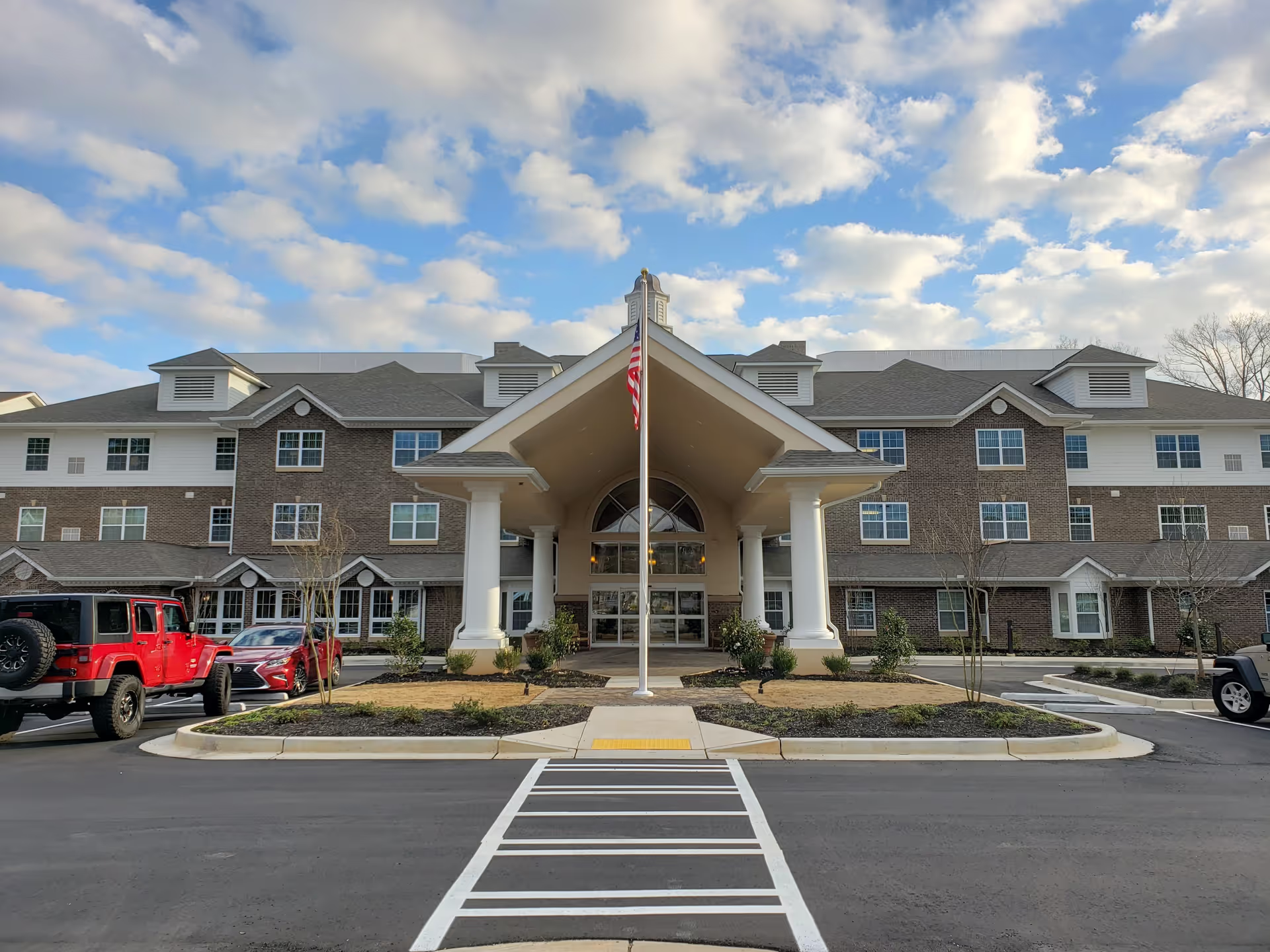
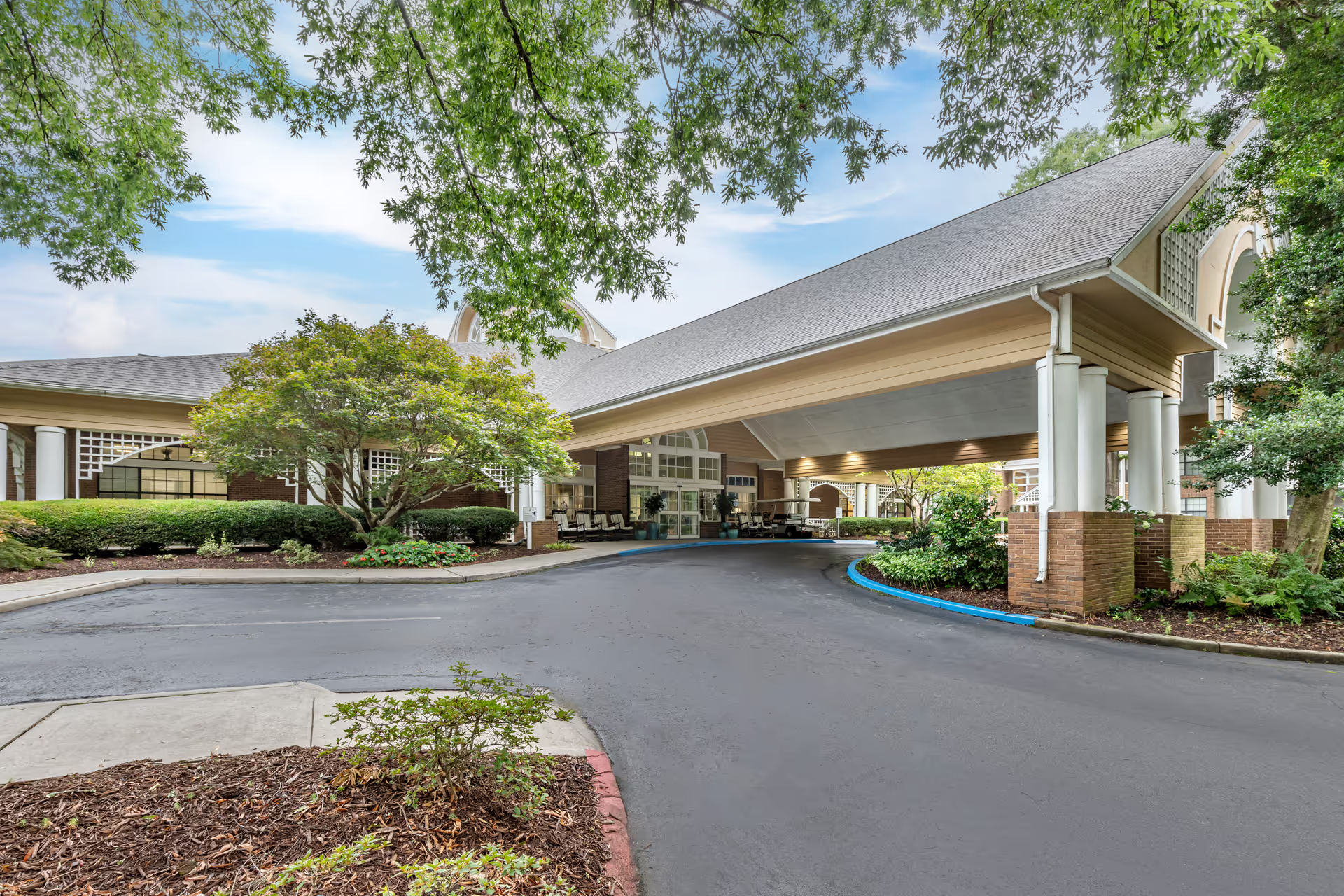
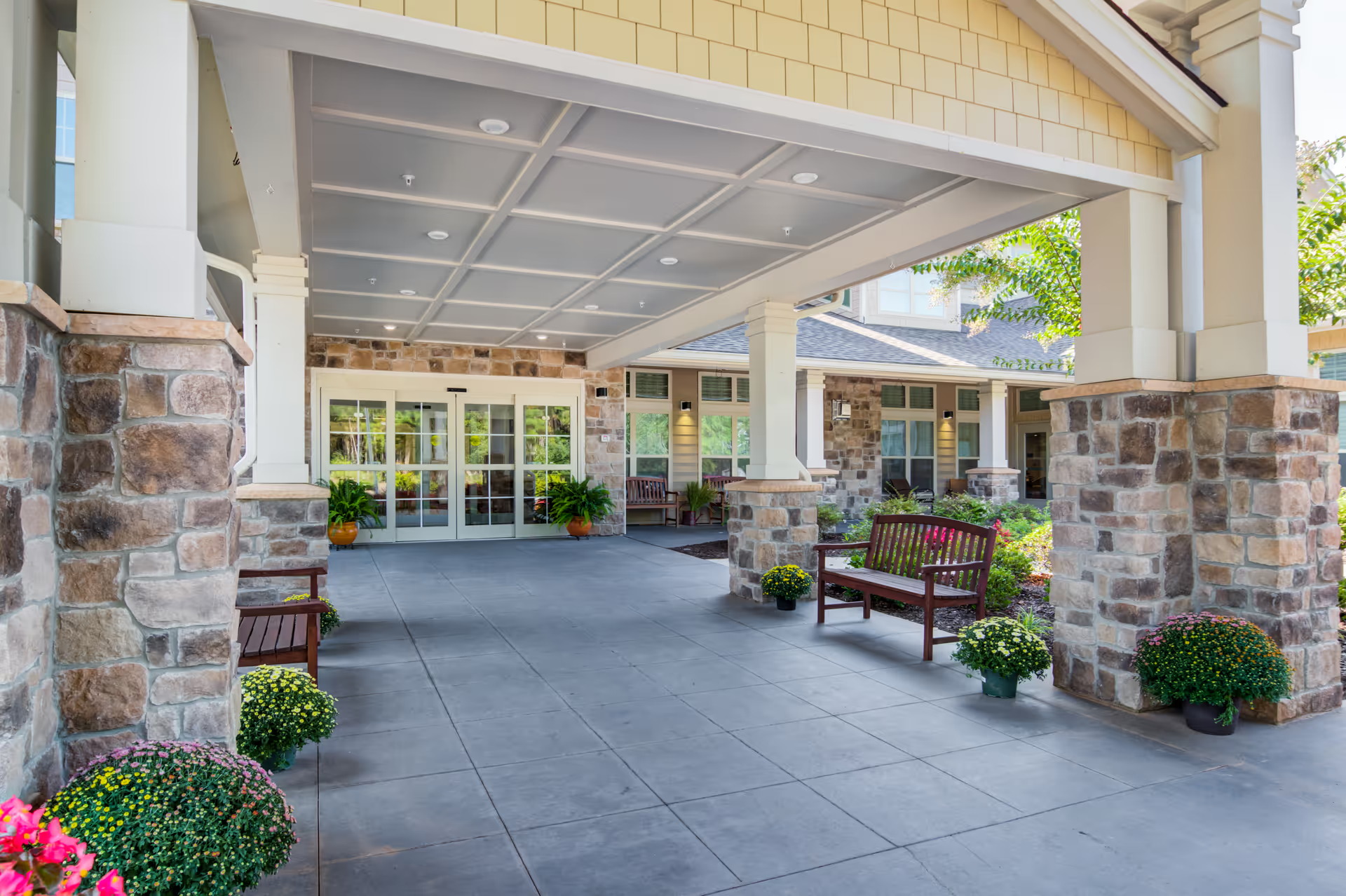
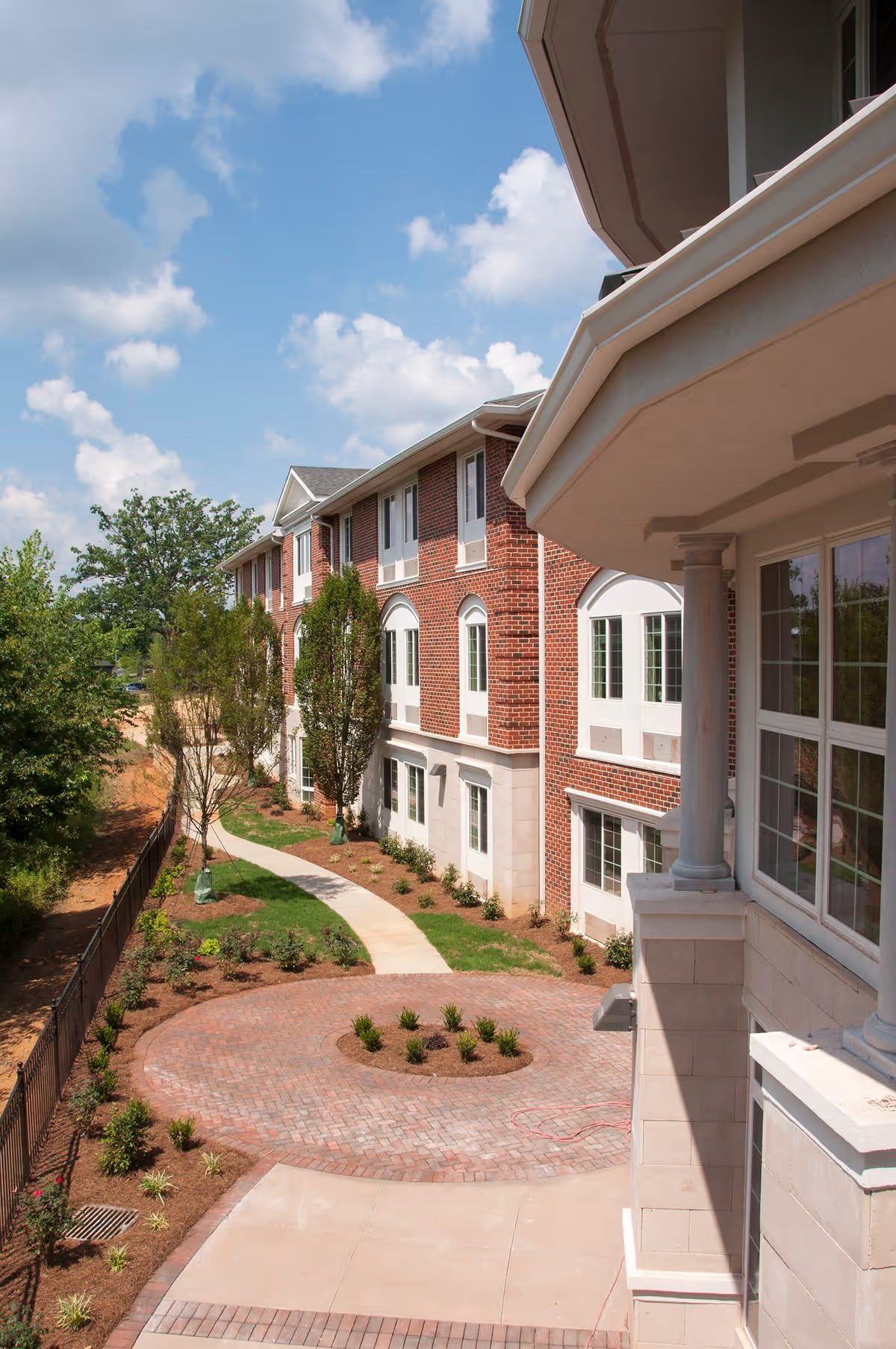
Reviews for this facility present a highly mixed picture with distinct strengths and recurring operational concerns. On the positive side, many families describe warm, attentive direct-care staff and caregivers who provide personalized, home-like support; onsite hospice services, available memory-care programming, and therapy services (PT/OT) are cited as meaningful clinical resources. The building has been renovated in areas, producing bright, apartment-style rooms, private bathrooms, and pleasant outdoor courtyard space. Several accounts highlight strong move-in assistance, guest dining options, and moments of proactive family communication and follow-through from specific leaders or staff members.
Care quality and clinical oversight appear inconsistent across time and units. Some reviewers praise competent CNAs and attentive hospice or memory-care teams; others describe prolonged periods without adequate nurse coverage, reliance on non-licensed staff for supervisory decisions, delays or irregularities in medication delivery, and gaps in responding to emergency-call pendants. These differences suggest variability in staffing levels and clinical supervision that can materially affect resident safety and care continuity.
Staff culture and communication are similarly mixed. Multiple reviewers name individual caregivers and directors as compassionate, knowledgeable, and helpful; conversely, there are repeated concerns about defensive management behavior, high leadership turnover, and episodes of poor communication or tone. Staffing turnover and uneven training are frequently cited as contributors to inconsistent resident experiences and to variability in how families’ concerns are addressed.
Dining and housekeeping show divergent experiences. Several families describe enjoyable meals, hotel‑like cleanliness, and accommodating food options; others report operational kitchen problems (equipment failures, inconsistent meal temperature/portions), dirty dishes, and general sanitation concerns. Reviews also point to maintenance issues in resident rooms and building systems — including heating/thermostat problems, water intrusion and mildew in places, and other upkeep deficits — that affect comfort and perceived safety.
Activities and social engagement are another area of variability. When an activity coordinator is on site and engaged, residents are reported to be active and satisfied with programming; when activity staffing is lacking, families report limited outings, low participation, and resident isolation. Transportation availability is noted as intermittent in some accounts.
Notable patterns: the facility’s performance appears to fluctuate with management changes and staffing levels. Some reviewers note clear improvements under particular leaders and recent renovations, while others describe deterioration tied to turnover and leadership instability. Memory-care capability is described positively by some families and as inadequate by others, indicating uneven implementation or capacity. Prospective residents and families should expect strong personal connections with individual caregivers in many cases but should also assess current clinical staffing levels, medication and emergency-response processes, housekeeping protocols, and recent management stability during a tour and through direct questions of leadership.
In summary, this facility offers meaningful strengths — compassionate staff, therapy and hospice availability, and an updated, home-like environment in many units — but also displays recurring operational weaknesses in clinical coverage, housekeeping, dining operations, activities delivery, and building maintenance. A careful, current assessment of staffing, leadership continuity, and documented processes for medication administration and emergency response is recommended before placement.