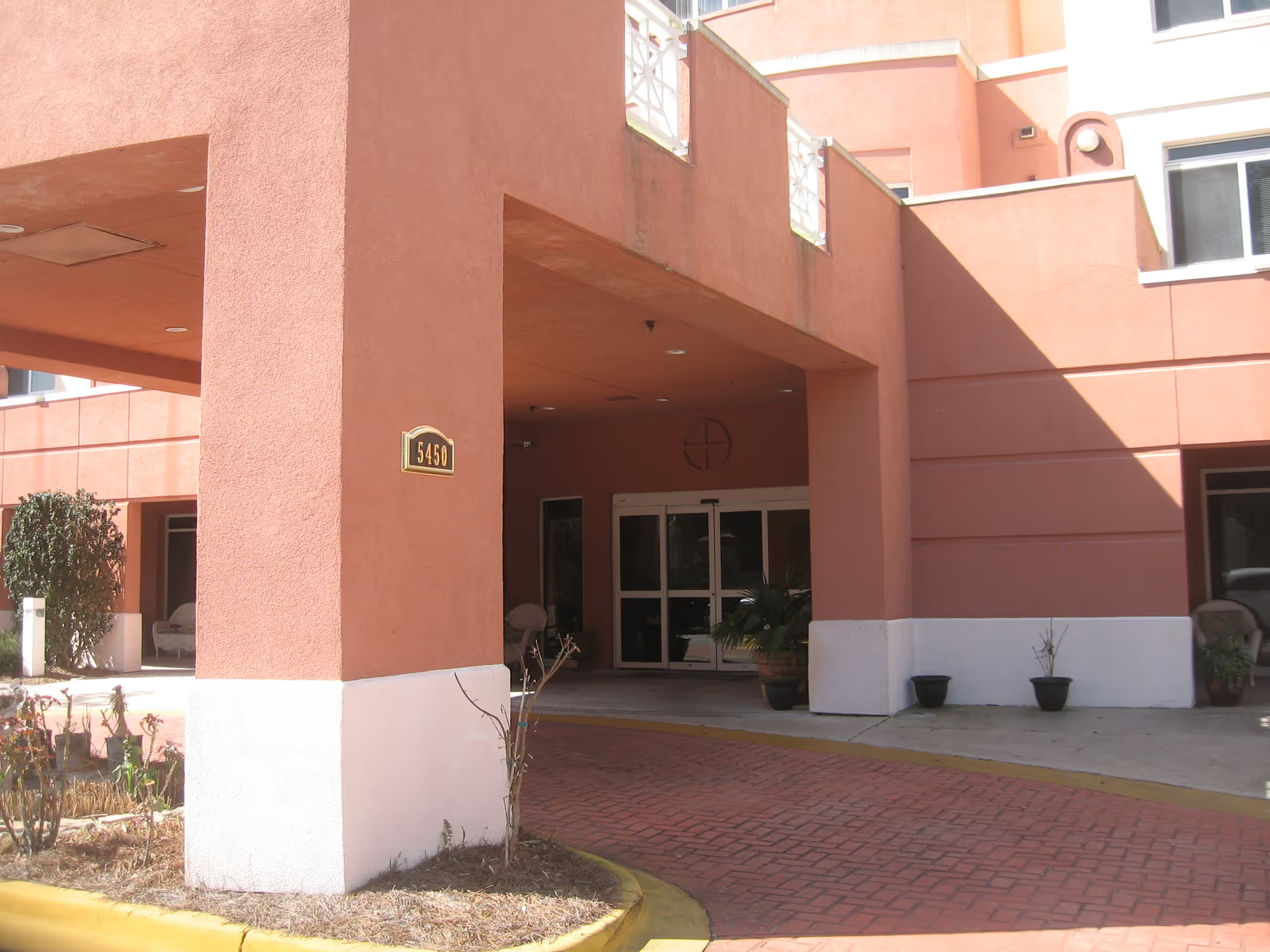
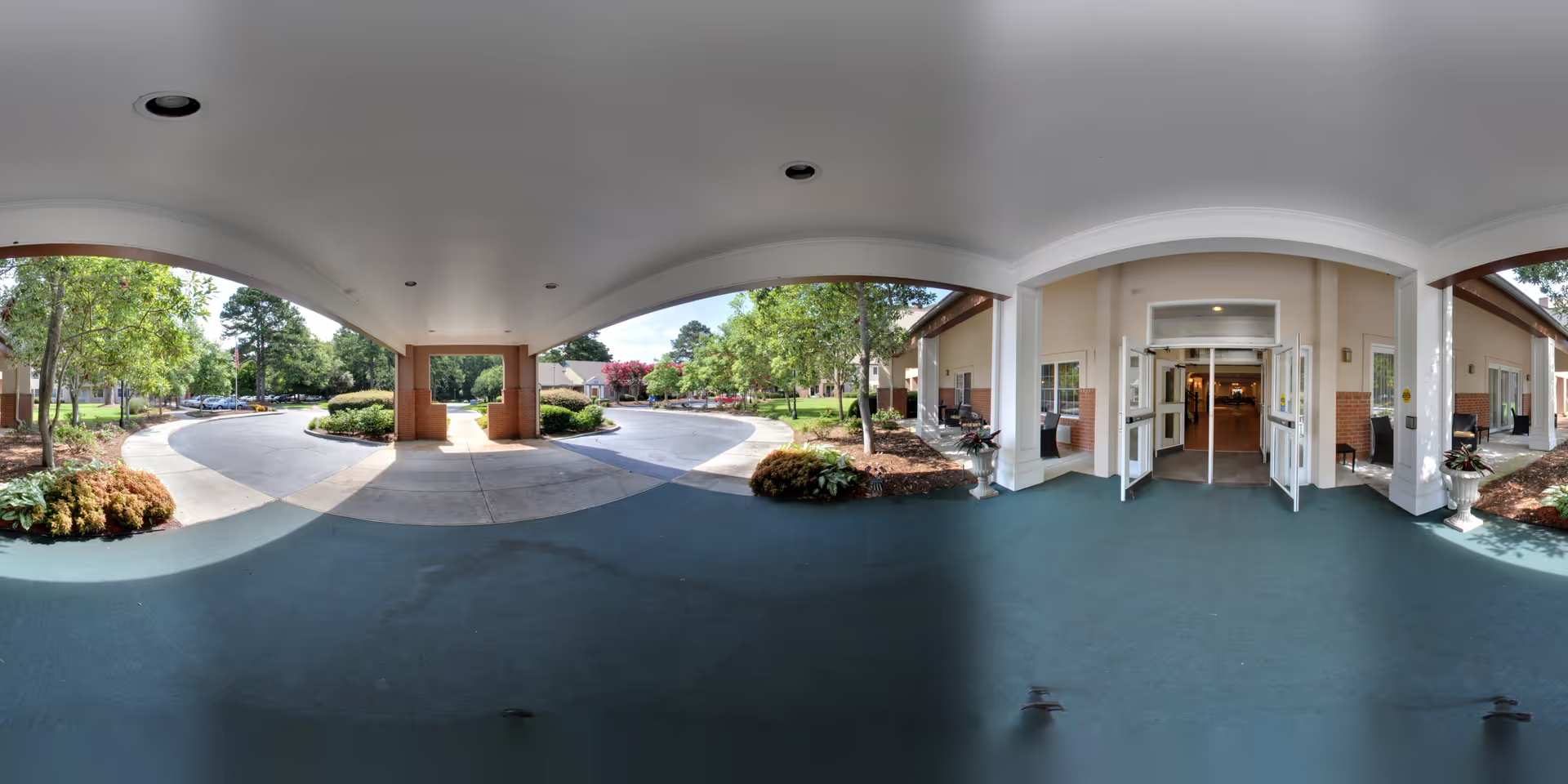
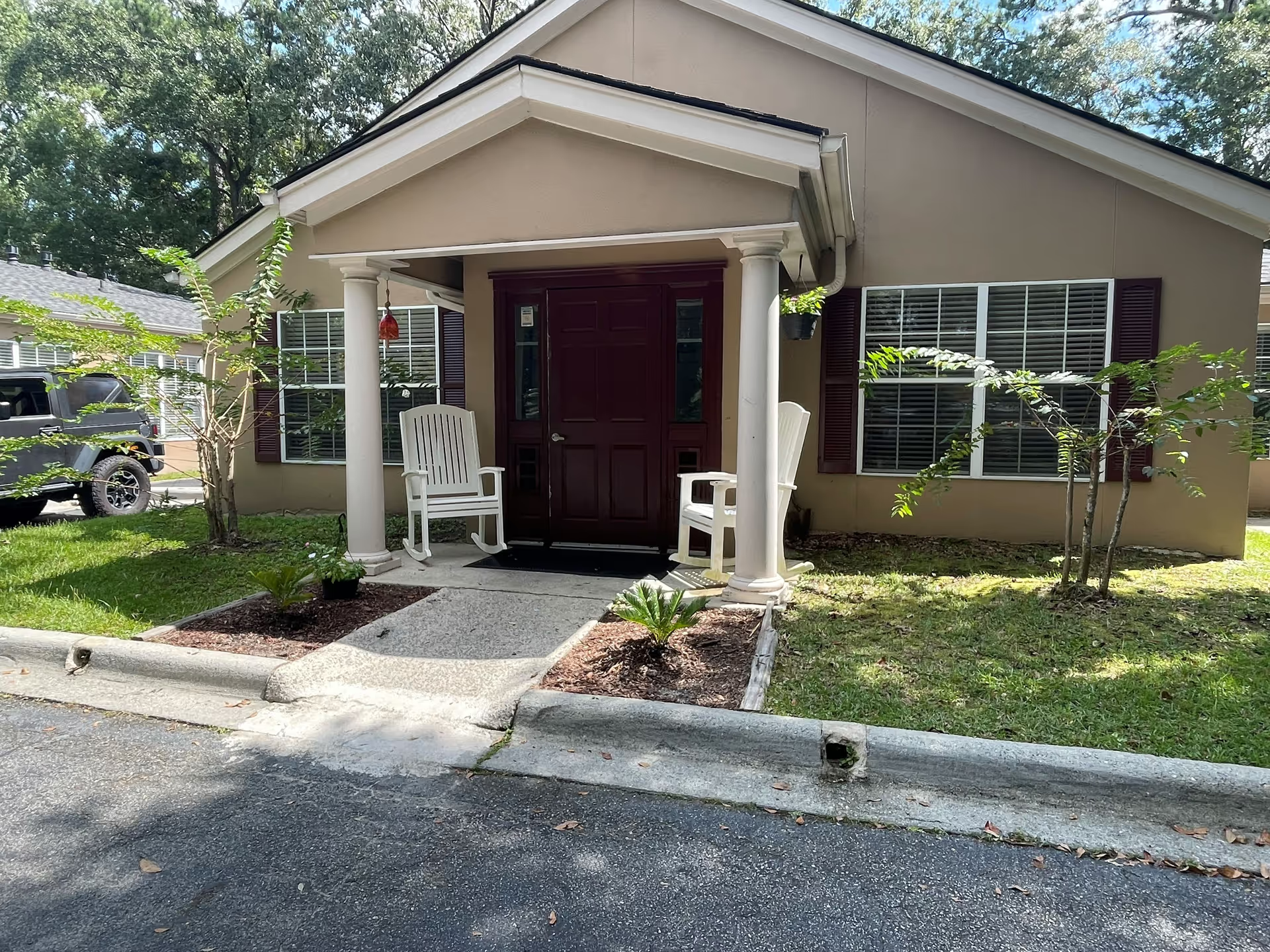
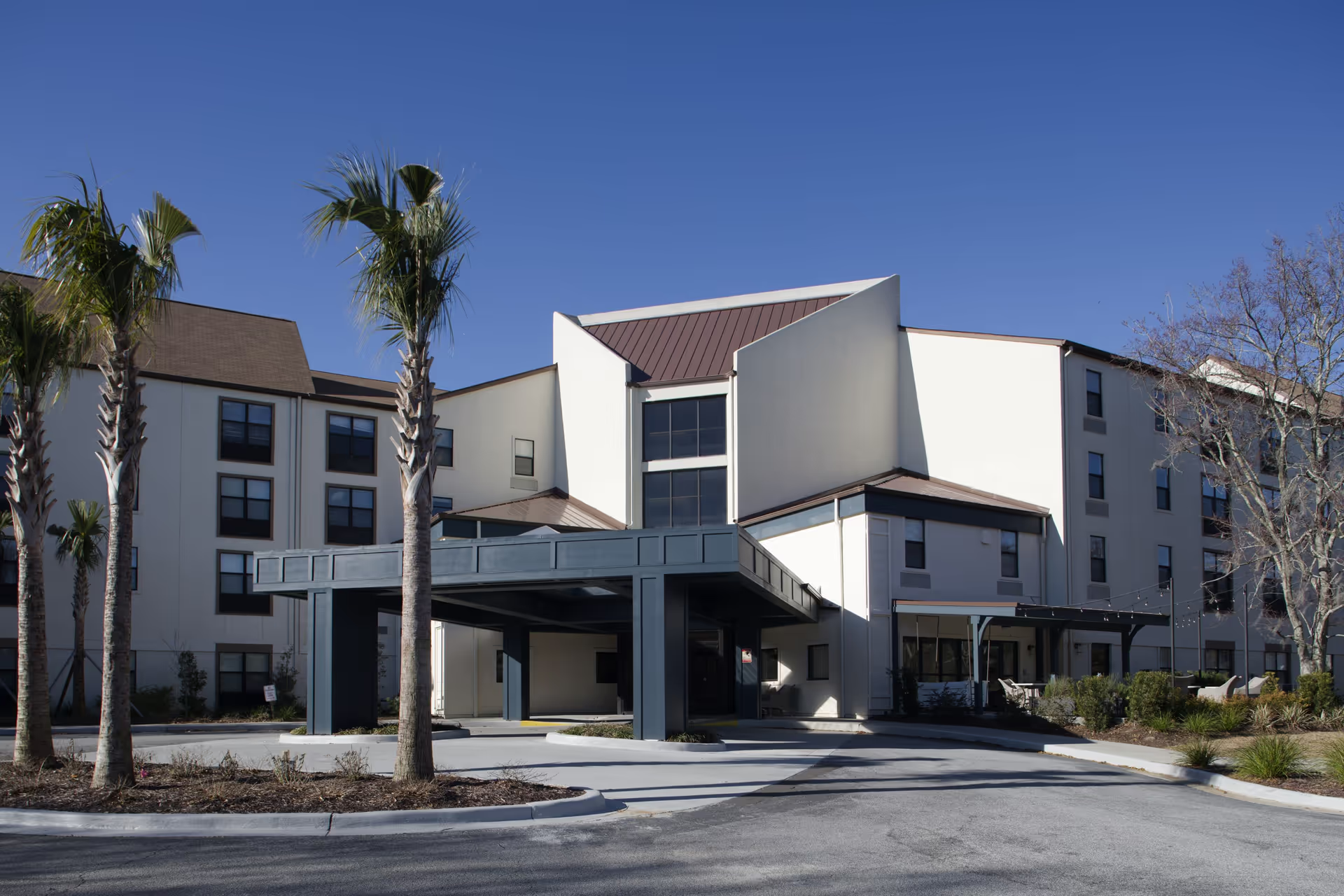
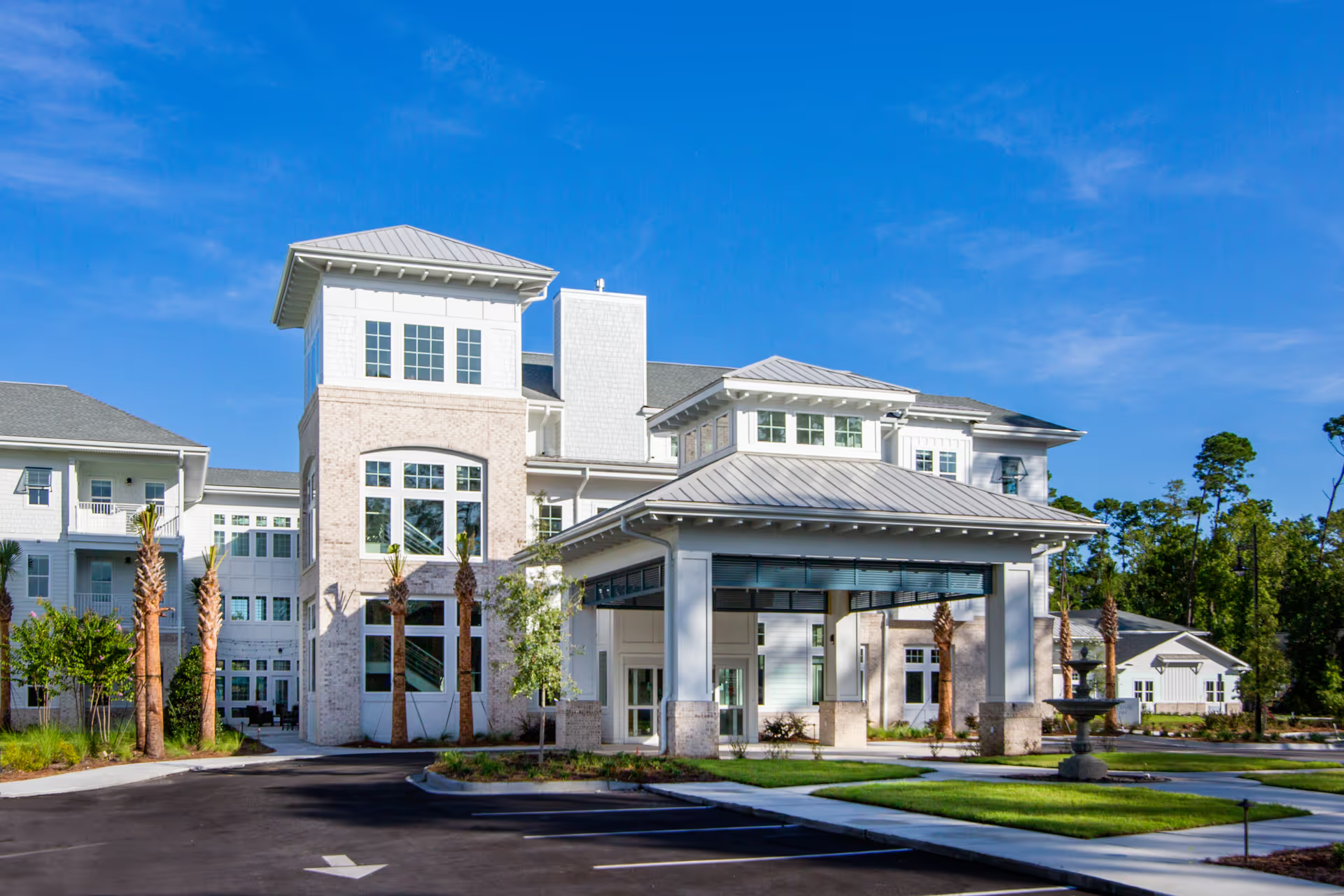
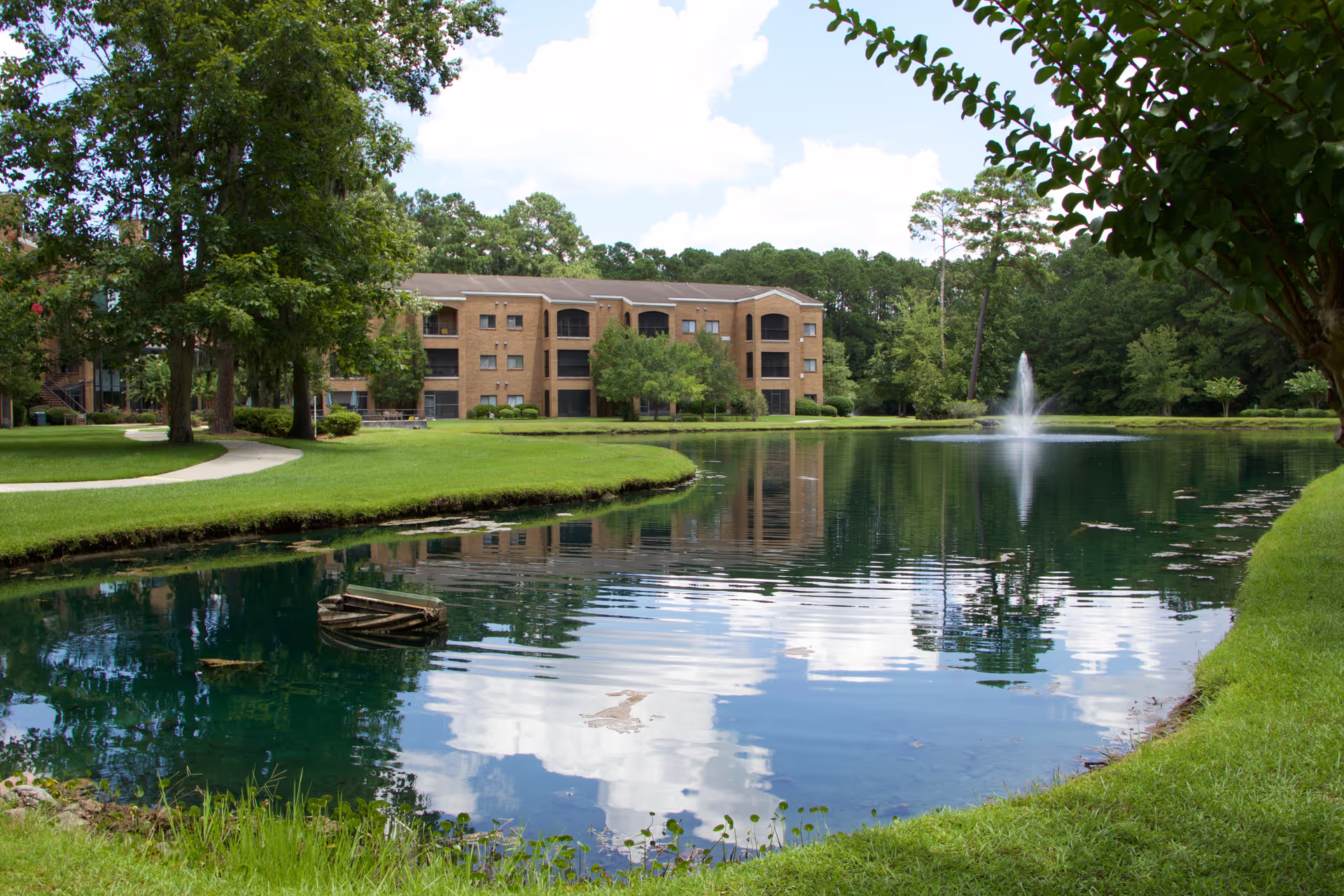
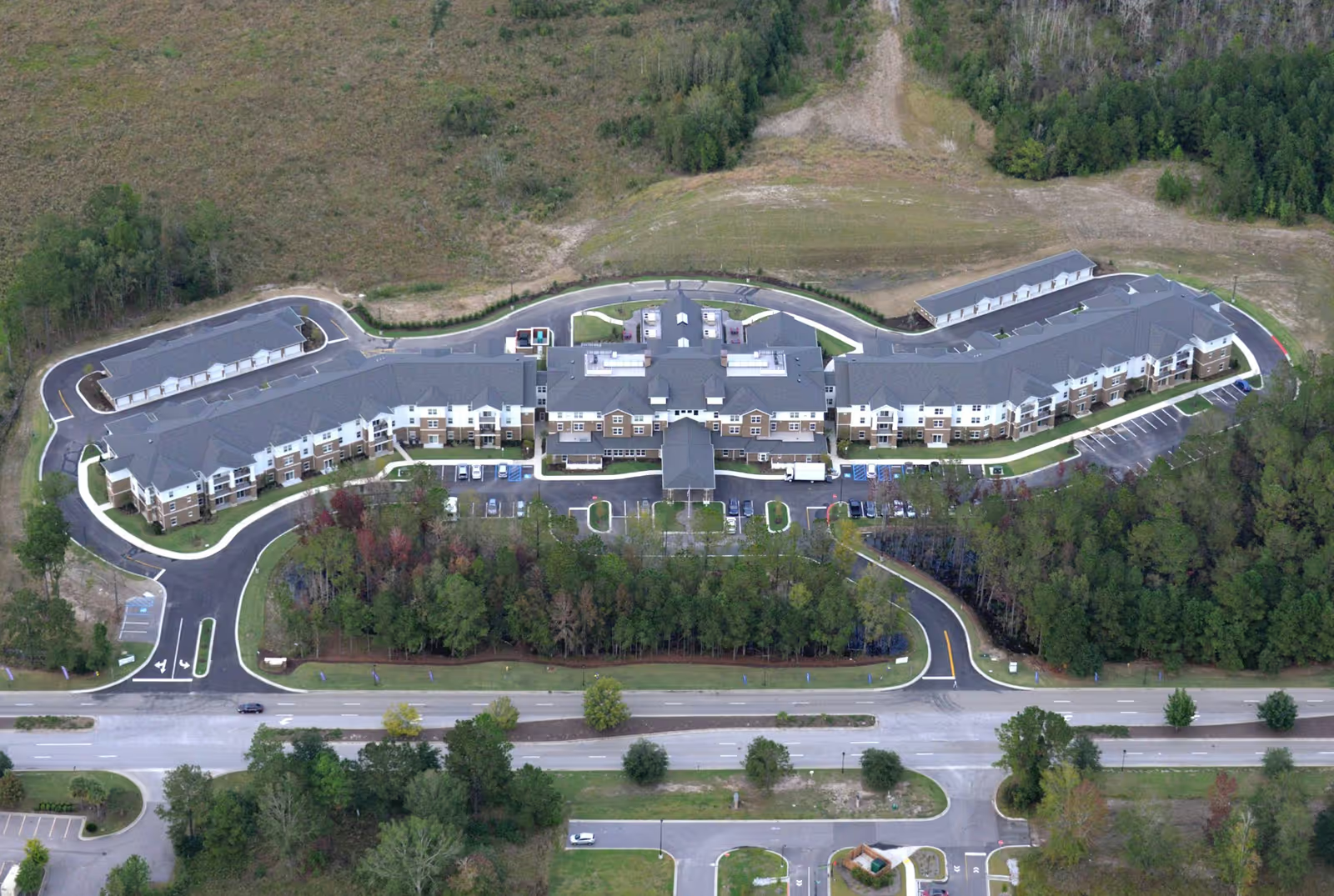
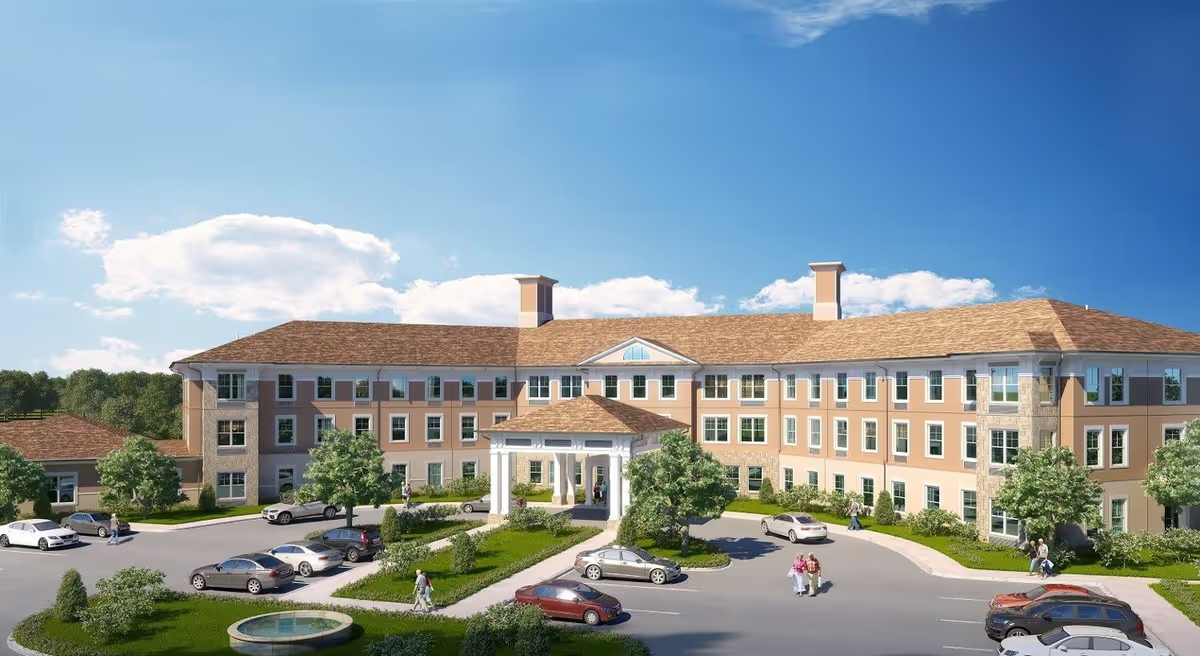
The Oaks at Habersham elicits a wide range of experiences. Many reviewers praised the facility's atmosphere — a hotel-like lobby, apartment-style units, and a restaurant-like dining room — and highlighted compassionate frontline caregivers and helpful tour staff. The community offers on-site therapy, transportation to medical appointments, a broad slate of activities (arts and crafts, bingo, outings, live music), and routine housekeeping and deep-clean schedules. For families seeking a central location with multiple care levels and a home-like environment, these attributes are commonly cited as strengths.
Care quality is a mixed picture. Several reviewers described consistent, attentive care from individual staff members, but an important pattern of inconsistency appears across reports. Concerns cluster around assistance with activities of daily living — bathing, hair care, and oral care — and about appropriate handling and transfers. Memory-care programming and its day-to-day implementation were described as underwhelming by some families; reviewers note that therapeutic approaches were sometimes not explained or applied. Medication administration and after-hours clinical coverage were also areas of concern for multiple families.
Staffing and staff conduct present a dual narrative. Many accounts emphasize empathetic, dedicated caregivers who go beyond expectations and good communication from certain managers. At the same time, recurring themes include intermittent staffing shortages, elevated turnover, and variability in staff professionalism and responsiveness. There are reports of strong, proactive directors who made a measurable difference in individual cases, contrasted with accounts of leadership gaps and insufficient administrative follow-through at other times.
Dining and activities earned both praise and criticism. The dining room and special-event meals are frequently described as pleasant and well presented, and the community supports a range of social and recreational opportunities. However, reviewers also described inconsistent everyday meal quality and limited menu variety at times, as well as activity cancellations or limited engagement options for residents with higher support needs. Families should expect that meal and activity experiences may depend on staffing and the specific unit.
Facility and housekeeping comments were similarly mixed. Common areas and many units are described as clean and well maintained, with attractive décor and accessible layouts in some wings. Conversely, there are sanitation and pest-control concerns in particular areas, inconsistent room-cleaning schedules, and comments about an older or confusing building layout. Safety and security processes were flagged by some reviewers, including issues with pendant connectivity and door security that families felt merited verification.
Administrative and financial issues are another recurring pattern. Several families reported unclear billing practices, intrusive financial requests during admission, and at least one allegation of property loss. These items point to the need for transparent, documented financial and admission processes. Reviewers also emphasized variability in management responsiveness — some leaders earned strong praise for crisis support, while others were described as unresponsive or lacking clinical oversight.
Taken together, the Oaks at Habersham appears to offer many of the features families look for in a residential care community: a homelike environment, active programming, and staff who can be highly compassionate. At the same time, prospective residents and families should be prepared for operational variability. Recommended steps before committing include requesting written details on medication and after-hours nursing coverage, verifying current staffing ratios and turnover, observing meal service and an activity period in person, reviewing housekeeping and pest-control logs, and obtaining clear, written financial and admission terms. These checks will help determine whether the facility's strengths align with an individual resident's care needs and expectations.