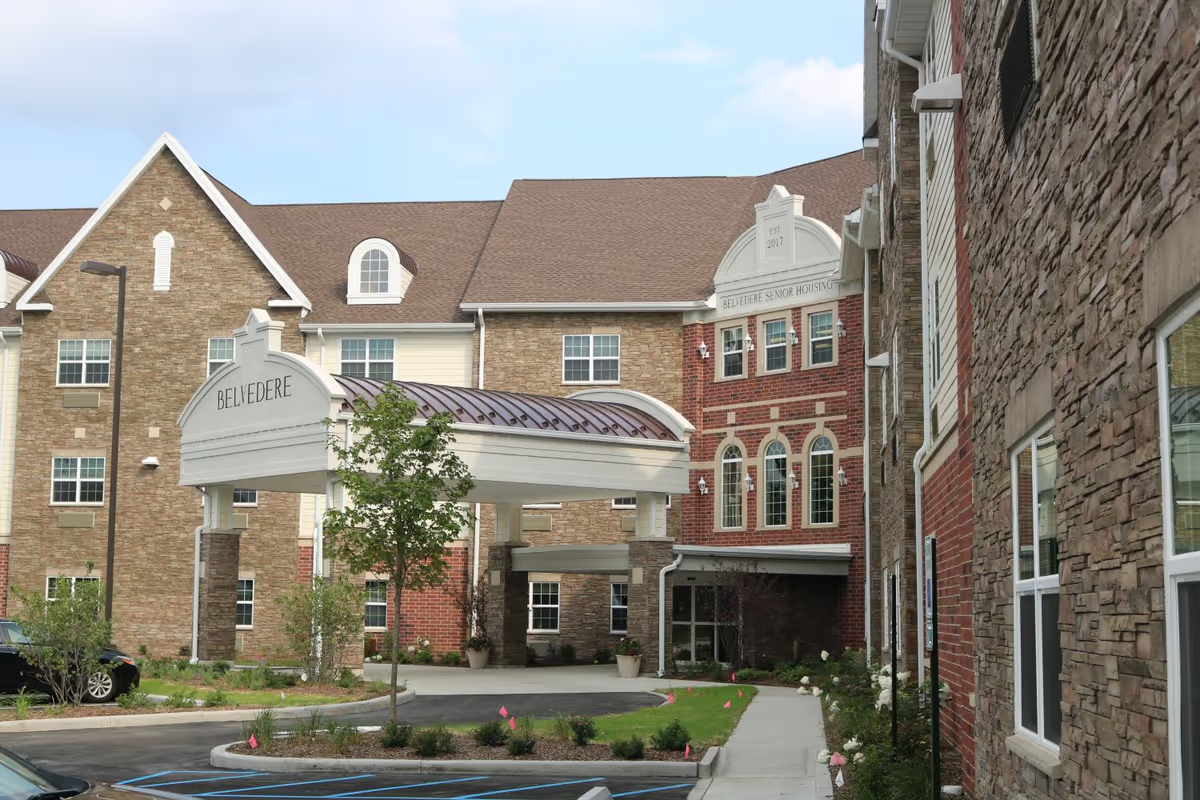
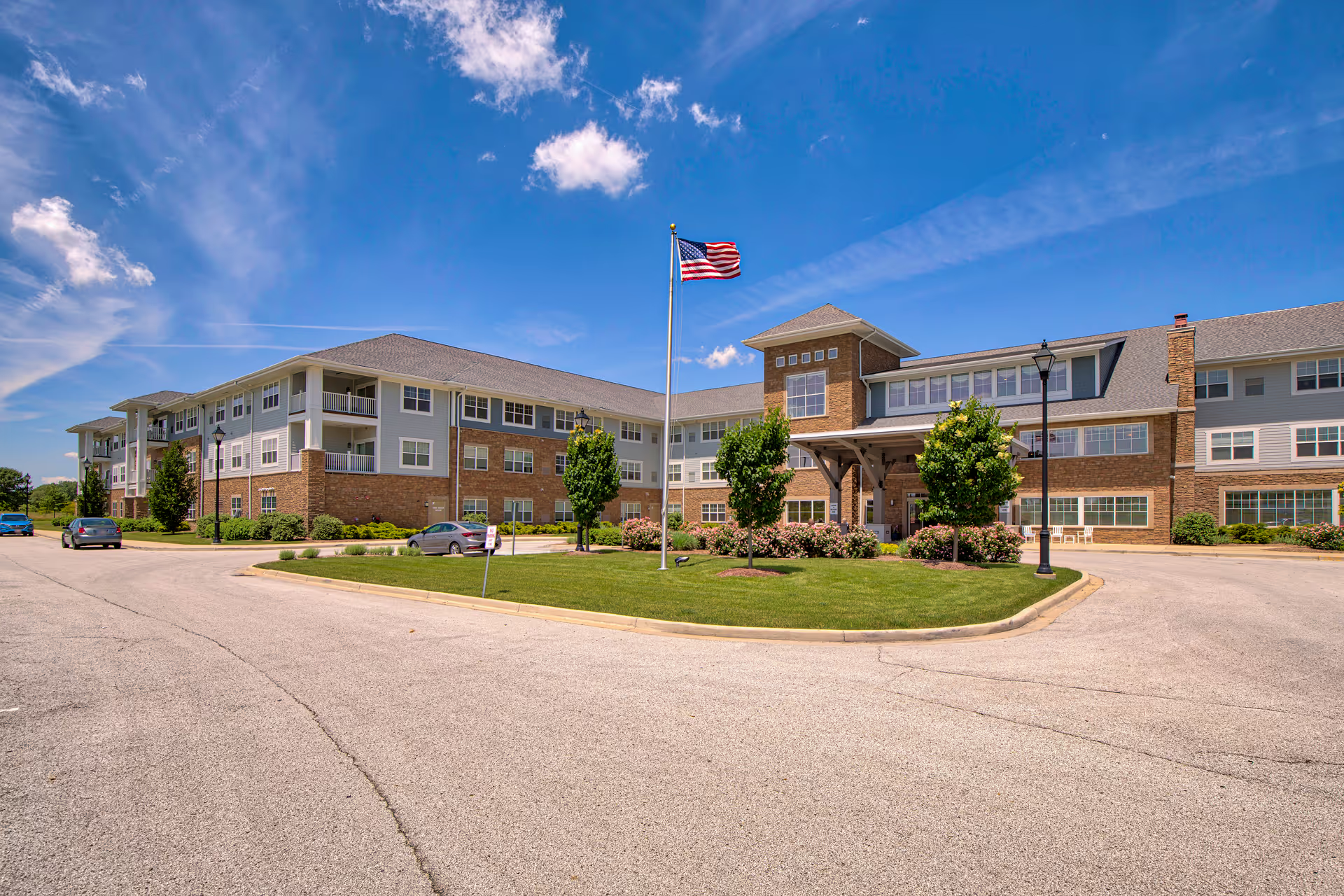
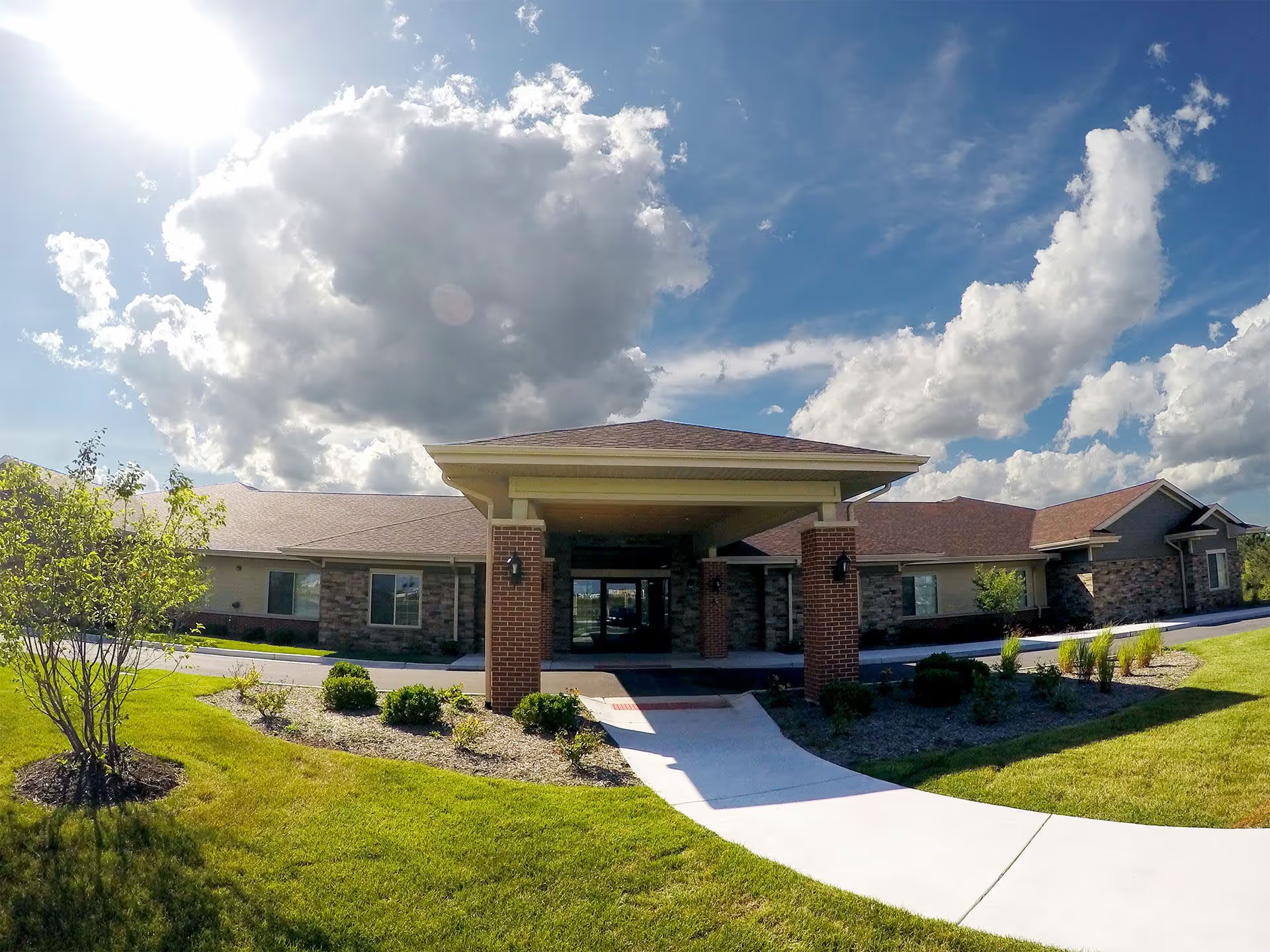
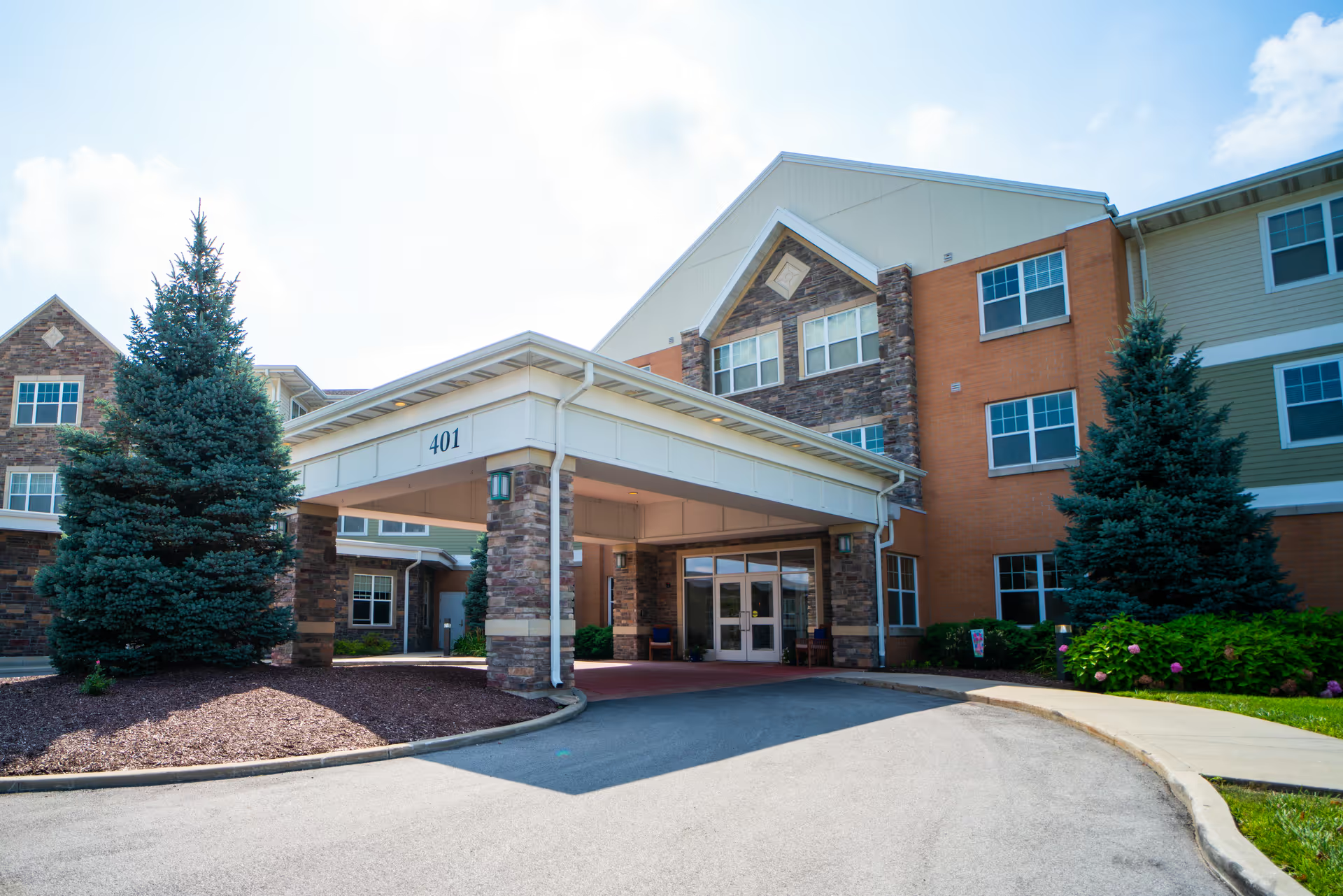
Overall impression: Cedar Creek Health Campus receives consistent praise for its staff culture, campus appearance, and activity programming. Many families describe compassionate, attentive caregivers, robust rehabilitation services (PT/OT/ST), and an engaged social calendar that includes themed events, outings, and family brunches. The physical campus is frequently characterized as bright, clean, and resort‑like, and admissions staff and financial counseling receive positive mention for making transitions easier.
Care quality and staff: Strengths center on staff compassion, hands‑on nursing leadership, and personalized attention. Reviewers commonly highlight staff who go above and beyond, strong rehab outcomes, and respectful end‑of‑life gestures. At the same time, several reviewers described clinically significant individual incidents—including medication and follow‑up lapses—that point to variability in clinical consistency. This variability is reflected in reports of delayed responses to nurse calls or missed medication details; these are operational patterns worth clarifying during a tour or intake conversation.
Dining and activities: Dining and social programming are clear strengths. Many residents and families report varied, tasty meal options, regular social hours, and hot breakfast service. Activities programming—clubs, themed events, field trips, live entertainment, and family nights—receives frequent praise for keeping residents engaged. That said, dining satisfaction is not unanimous: a few family members found the menu less appealing or suggested more variety would be beneficial.
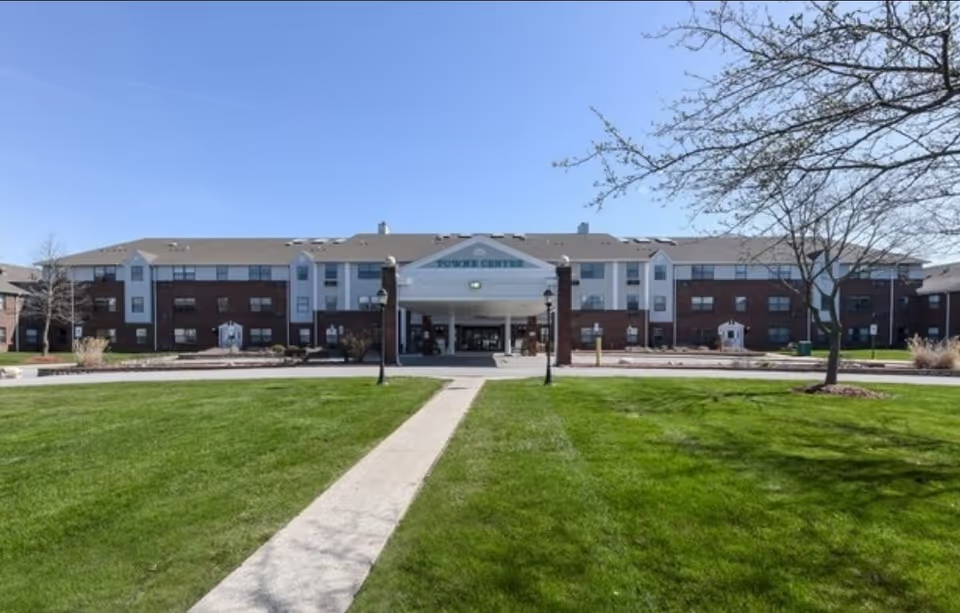
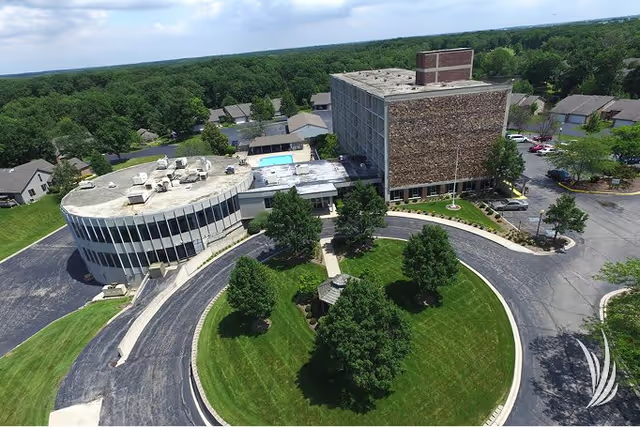
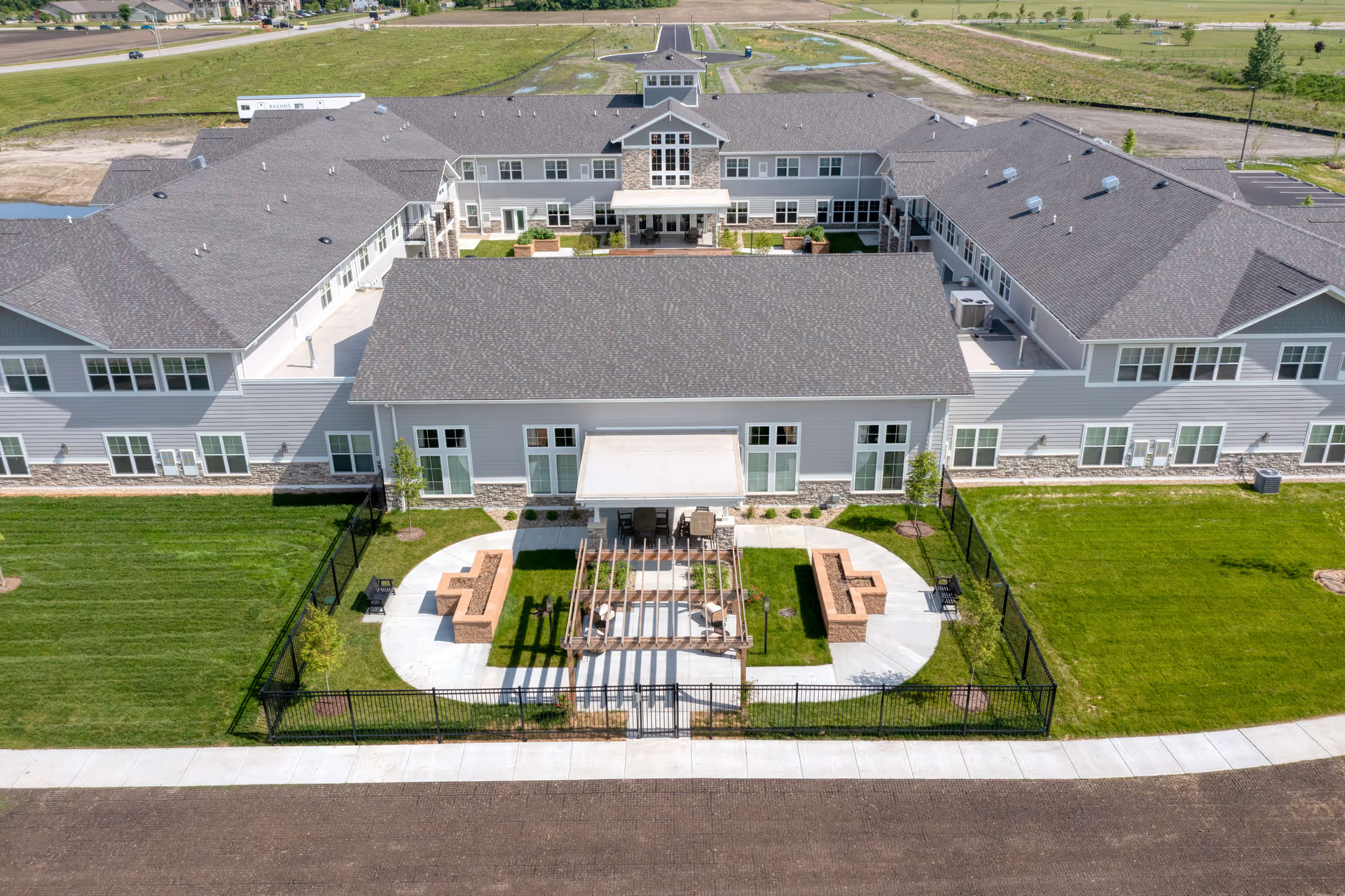
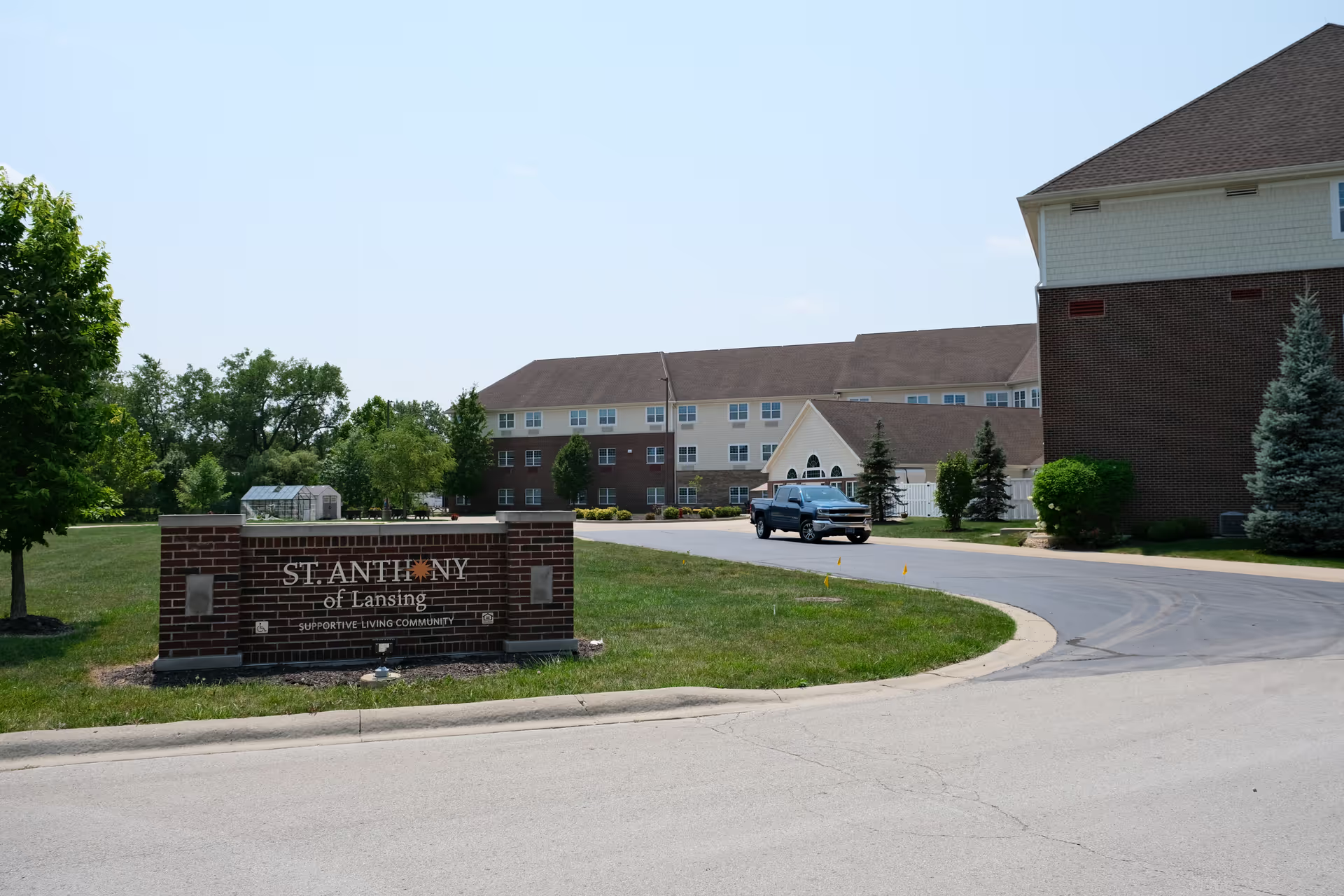
Facilities and amenities: The campus is repeatedly described as attractive, clean, and comfortable, with pleasant common areas and outdoor spaces. Private rooms and memory‑care suites are generally appreciated for cleanliness and comfort, though some reviewers noted that certain private rooms and the memory‑care unit are compact and that therapy space can be limited. Prospective residents should verify room dimensions and therapy facilities during a visit if space is a concern.
Management and operations: Admissions support and certain frontline managers are frequently lauded for helpfulness and clear guidance. Conversely, reviewers also describe variability in administrative processes such as entrance management and human resources responsiveness. Staffing levels and scheduling appear to fluctuate at times, which reviewers link to slower responsiveness or safety lapses (for example, gaps in elopement‑prevention practices and sanitation follow‑through). Cost is noted as higher than some families expected; transparent discussions about fees and included services are advisable.
Notable patterns and guidance: The dominant pattern is strong interpersonal care and an active community environment paired with occasional operational inconsistencies affecting clinical reliability and security practices. For families considering Cedar Creek, recommended due diligence includes asking about current staffing ratios, medication‑administration safeguards, elopement‑prevention protocols, sanitation/incontinence care procedures, and room/therapy space availability. Overall, the facility is highly regarded for staff warmth and programming, but prospective residents should confirm clinical and administrative safeguards that matter most to their situation.