Brookdale Cape Cod elicits a mix of positive and critical observations that cluster around staff quality, programing differences between assisted living and memory care, dining, facilities, and management consistency. Many families and visitors emphasize compassionate, friendly, and attentive day-to-day staff; specific staff members and local managers are frequently praised for warmth, helpfulness during move-in, and hands-on resident engagement. The community offers apartment-style living with private bathrooms and kitchenettes in many units, weekly housekeeping and laundry, on-site transportation, and a range of social spaces (reading room, crafts room, patio, gardens). Dining is often described positively — an in-house chef, multiple menu choices, and accommodations for dietary needs — though some residents find particular menu items or therapeutic preparations less appealing.
Care quality shows a mixed pattern. Positive accounts describe proactive and personalized attention, safety-minded memory care features (locked neighborhood, separation of care levels), and good coordination in some clinical matters. However, recurring operational concerns include inconsistent staffing levels, high turnover, and instances pointing to gaps in medication-management and clinical oversight. Reviewers describe variability in staff training and conduct; while many staff are commended, there are also reports that indicate delays in assistance, communication tone issues, and uneven responsiveness. These patterns suggest that continuity and reliability of direct care can vary depending on staffing and management stability.
Activity programming and outdoor access are another area of divergence. Assisted-living residents appear to benefit from a broader selection of activities: movies, bingo, physical classes, crafts, mall trips, and social events. Memory care programming, by contrast, is described as less consistent — reviewers cite limited supervised outdoor time, scarce musical or exercise offerings, and fewer structured activities such as arts, songs, and games. Families considering memory care should ask specifically about current activity schedules, outdoor access policies, and staffing for supervised excursions.
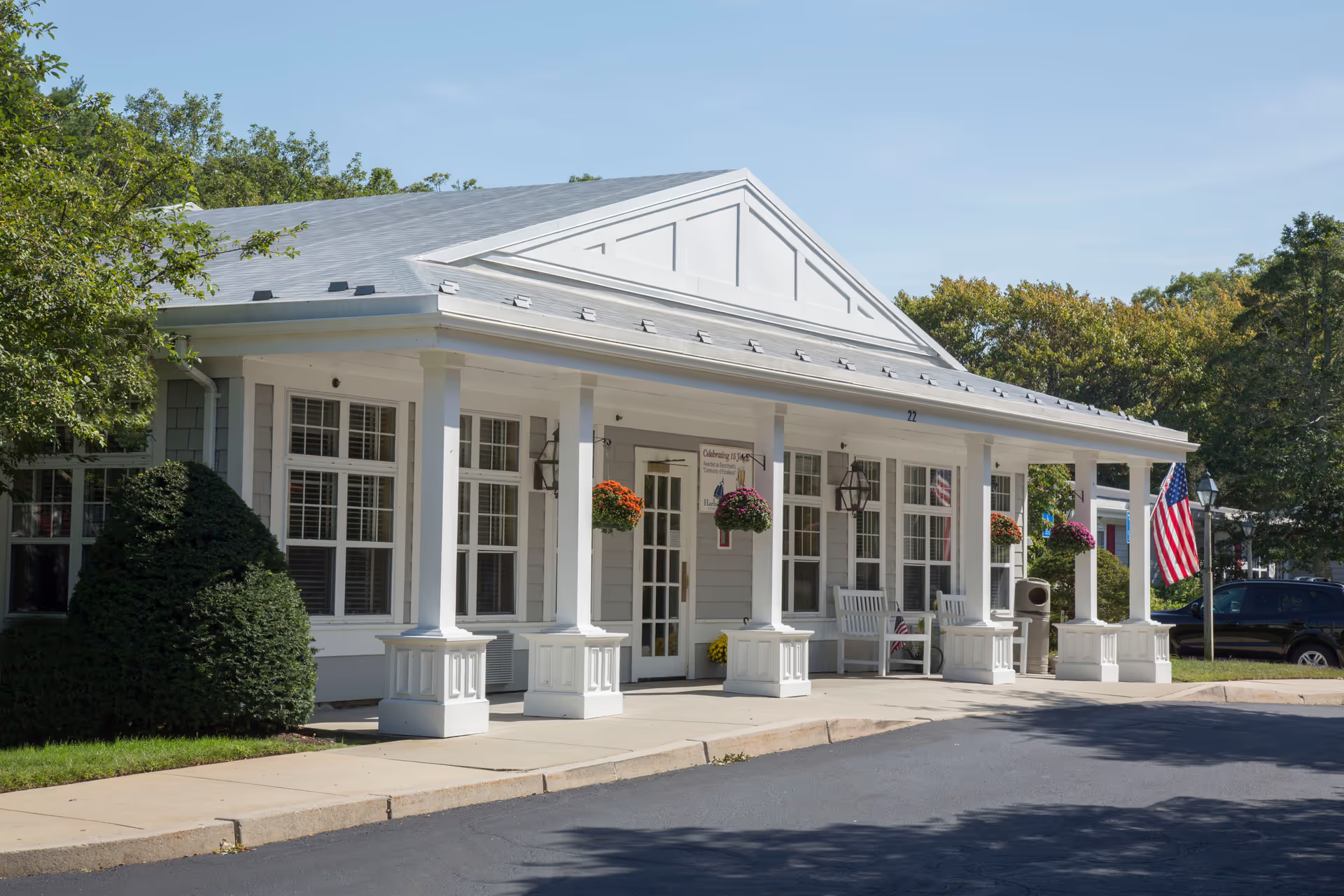
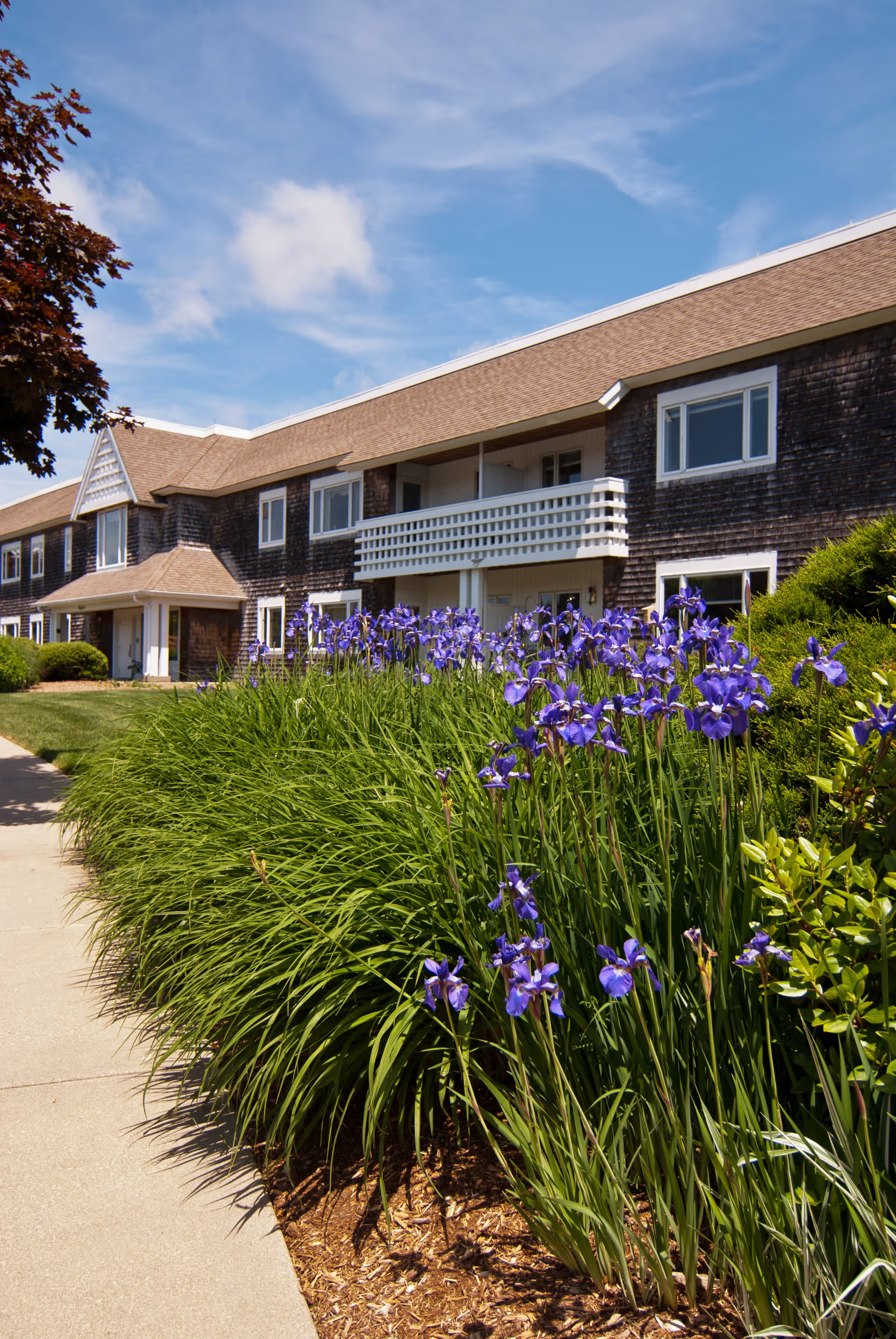
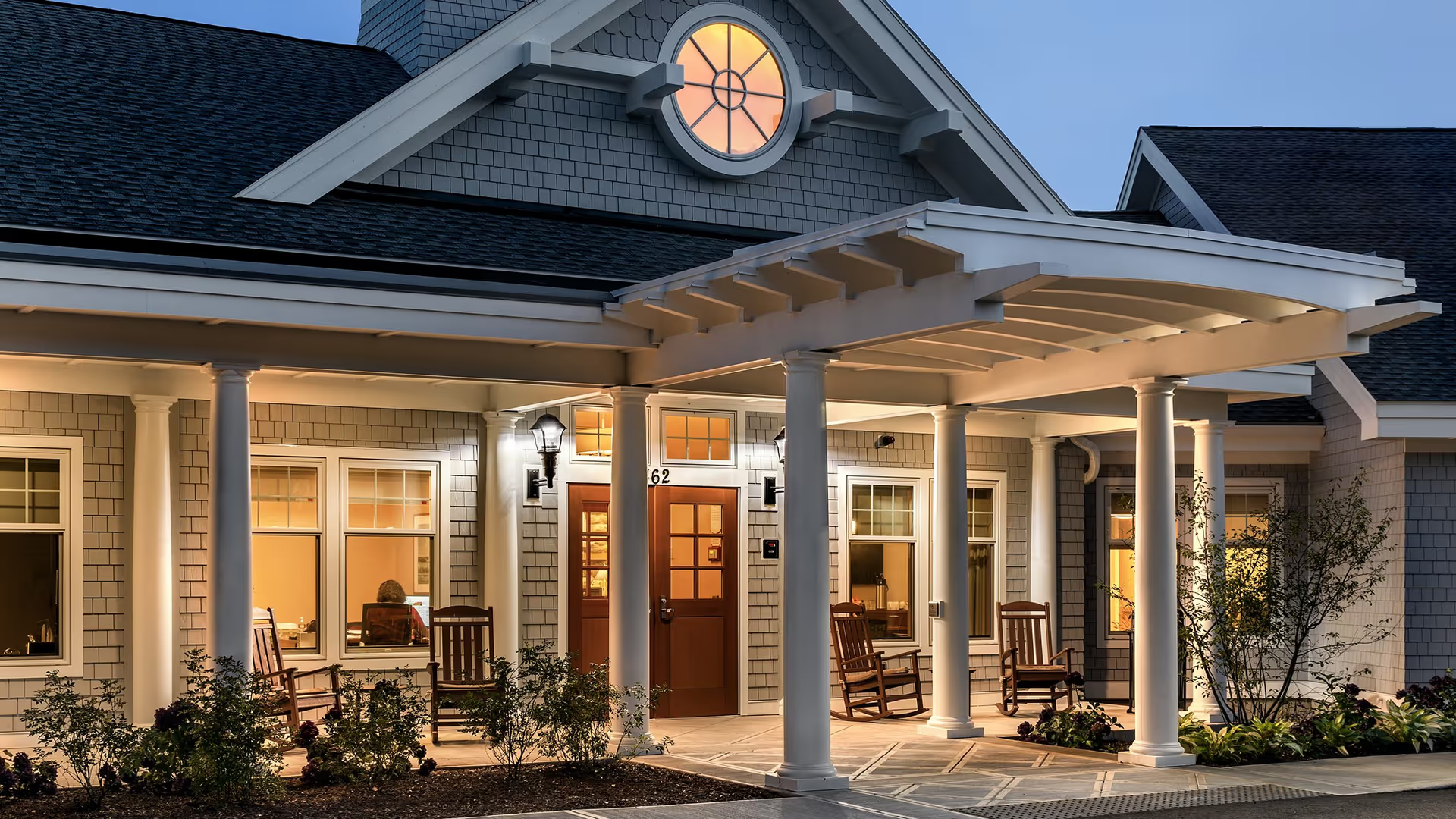
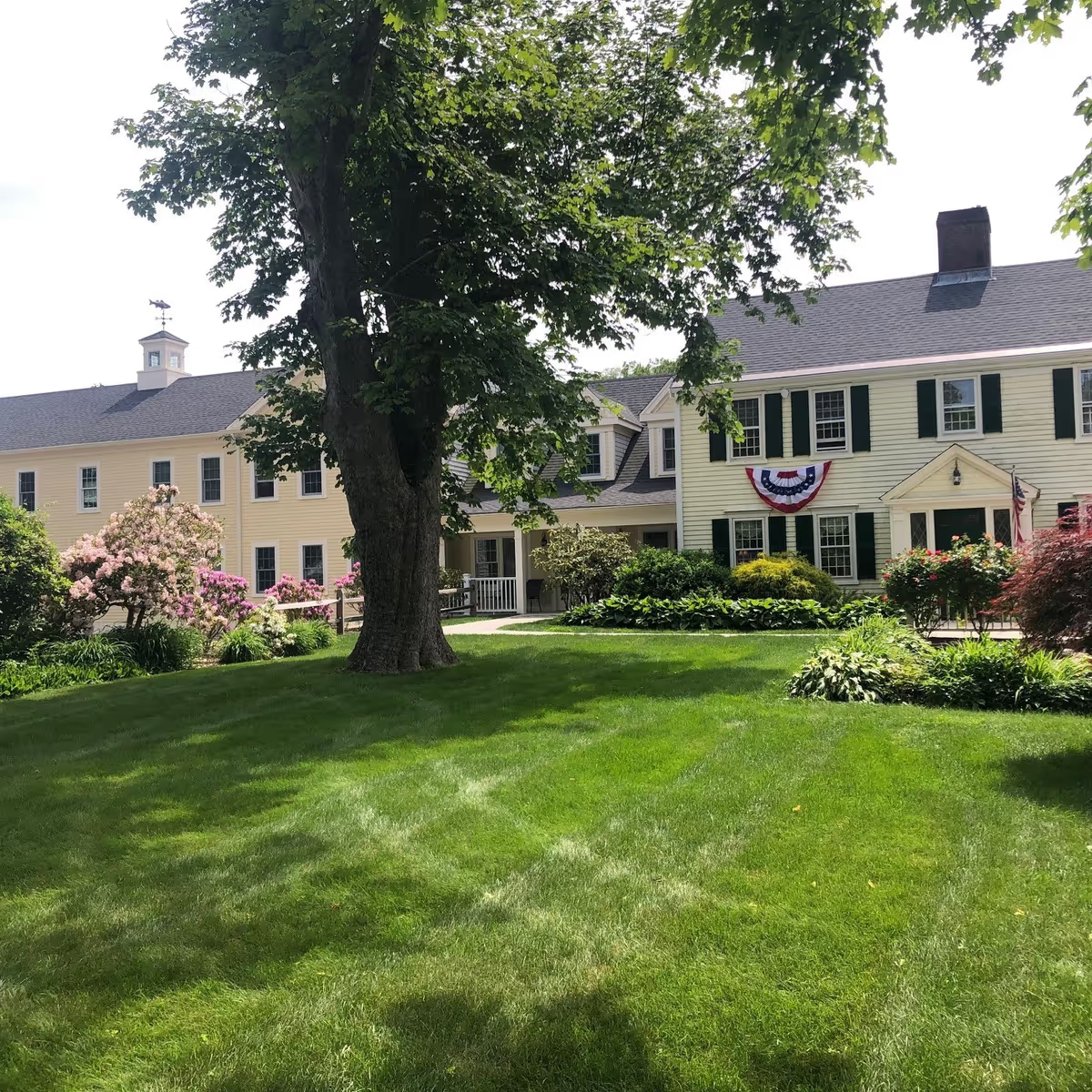
The physical plant and housekeeping receive generally favorable comments for cleanliness and recent renovations, although multiple reviewers note parts of the property are older and in need of updates. Outdoor spaces, gardens, and patios are often highlighted as attractive features. At the same time, some reviewers express sanitation or maintenance concerns in specific areas, underscoring variability across the campus.
Management and administrative themes show both strengths and weaknesses. Several reviewers praise on-site leadership (general manager, executive director) and admissions staff for helpfulness and clear coordination. Contrasting feedback points to inconsistent communication from management, perceived emphasis on revenue or a la carte charges, and uneven corporate responsiveness. These differences are reflected in the polarized experiences families report: smooth transitions and excellent local service versus frustration around communication, staffing, and contract/fee issues.
Taken together, Brookdale Cape Cod presents as a community with many operational strengths — a warm staff culture in places, solid dining, apartment-style living, and attractive outdoor/common spaces — alongside persistent operational risks tied to staffing consistency, clinical oversight, and uneven programming in memory care. Prospective residents and families would benefit from focused questions during tours and admissions: current staffing ratios, medication-administration protocols, memory-care activity and outdoor-access schedules, examples of recent maintenance/renovation work, and a clear breakdown of fees and a la carte charges. Doing so will help clarify whether the facility’s current operational state aligns with a given resident’s care and lifestyle needs.