Assisted Living in Massachusetts

    Assisted living communities provide personalized care and support while helping seniors maintain their independence. Services include help with daily activities, medication management, meals, and personal care.

    777 communitiesAvg $7,562/mo

    Paying for assisted living in Massachusetts

    Most families in Massachusetts pay for assisted living out of pocket, at least at first. Common funding sources include personal savings, retirement income, the sale of a home, long-term care insurance, and certain veterans benefits. Costs vary widely by region and by the level of care a resident needs — you can see current local pricing in the pricing tables below.

    Public programs in Massachusetts can help cover the care portion of assisted living for people with limited income and assets, but they never pay for room and board (your monthly rent and meals). Planning early gives you the most options.

    Does MassHealth cover assisted living in Massachusetts?

    MassHealth (the Massachusetts Medicaid program) does not pay assisted living room and board, but it can help pay for personal care services delivered in a residence through the Group Adult Foster Care (GAFC) program.

    • GAFC covers help with bathing, dressing, getting around, and other daily tasks, plus medication reminders, nursing oversight, and case management, for eligible adults living in a participating assisted living residence or other supported housing.
    • To qualify, you must be 22 or older, have MassHealth Standard or CommonHealth, and need daily hands-on help or supervision with at least one activity of daily living. Your primary care provider must order it.
    • If you get SSI, the state's SSP-G payment helps with the residence's monthly fee. In 2026, SSI and SSP-G together pay up to $1,448 a month for one person. It is only for residences served by a GAFC provider.

    In 2026, a single person 65 or older qualifies for MassHealth Standard with monthly income up to $1,330 and assets up to $2,000. For a couple, the limits are $1,804 and $3,000. The home you live in does not count. If your income is higher, you may still qualify by meeting a deductible.

    Not every community participates in GAFC, and the Frail Elder Waiver and the state Home Care Program cannot be used in an assisted living residence. Start by applying for MassHealth, then ask residences whether they are GAFC providers. The sections below list every limit and how to apply.

    Does Medicare cover assisted living in Massachusetts?

    No. Medicare does not pay for assisted living room and board or for ongoing custodial (personal) care anywhere, including Massachusetts.

    Medicare may still help with related medical needs — for example, doctor visits, hospital stays, and short-term skilled nursing or rehabilitation after a qualifying hospital stay — but not the day-to-day cost of living in a residence.

    For free, unbiased help understanding Medicare, Medigap, and drug coverage, contact Massachusetts's SHINE program (Serving the Health Insurance Needs of Everyone), reachable through MassOptions at 1-800-243-4636.

    Help paying for assisted living in Massachusetts

    Someone turning 65 today has almost a 70% chance of needing some type of long-term care, according to the federal Administration for Community Living. In Massachusetts, MassHealth's Group Adult Foster Care pays for hands-on care in a participating assisted living residence, and the state's SSP-G supplement to SSI helps residents of those residences pay the monthly fee.

    MassHealth Standard for People 65 and Older

    MassHealth is Massachusetts's Medicaid program. MassHealth Standard is its most complete coverage. For people 65 and older it pays for doctor visits, hospital care, prescriptions, personal care, and long-term care services. It also pays Medicare Part A and Part B premiums, and Medicare copays and deductibles for care other than prescriptions. It does not pay assisted living rent, but it does pay for Group Adult Foster Care, the hands-on help you get in a participating residence.

    The limits below are for people 65 and older who do not live in a nursing home. The income limit is 100% of the federal poverty level and changes each March. The home you live in does not count as an asset, but MassHealth may claim money from your estate after your death.

    Higher limits apply to some long-term care programs. For home care through a waiver, such as the Frail Elder Waiver, and for PACE, you can have income up to $2,982 a month in 2026, and assets up to $2,000. If you live in a nursing home, you keep $72.80 a month for personal needs, and a spouse at home can keep up to $162,660 in assets.

    Who qualifies

    • Age 65 or older
    • Massachusetts resident and U.S. citizen or eligible non-citizen
    • Income and assets under the limits below. If you are married and live with your spouse, both incomes count
    • If your income is over the limit, you may still qualify by meeting a deductible. This means you first pay a set amount of medical bills over six months yourself, and then MassHealth pays. You can also qualify by spending your assets down to the limit
    HouseholdMonthly incomeAssets
    Single$1,330$2,000
    Couple$1,804$3,000

    How to apply

    Fill out the Application for Health Coverage for Seniors and People Needing Long-Term-Care Services. You can submit it online, or print it and mail or fax it. You can also apply in person at a MassHealth Enrollment Center. For a paper application or help filling it out, call MassHealth Customer Service at 800-841-2900 (TTY 711).

    Apply or learn moreCall (800) 841-2900

    2026 figures from the Health Connector's 2026 MassHealth income chart and MassHealth's program financial guidelines.

    MassHealth Group Adult Foster Care (GAFC)

    A MassHealth benefit that pays for daily hands-on help in an assisted living residence or other supported housing. A GAFC aide helps you with bathing, dressing, getting around, and other daily tasks, and gives medication reminders. A nurse and a case manager oversee your care plan.

    GAFC does not pay room and board. MassHealth's rates for GAFC do not include any amount for it. If you get SSI, the state's SSP-G payment, listed below, can help pay the residence's monthly fee.

    An assisted living residence can offer GAFC only if it is certified by the state and signs up with MassHealth as a GAFC provider, so not every residence takes part.

    Who qualifies

    • Age 22 or older
    • Have MassHealth Standard or CommonHealth
    • Have a medical or mental condition that means you need daily hands-on help, or cueing and supervision, with at least one of these tasks: bathing, dressing, using the toilet, moving from bed or chair, walking, or eating
    • Your primary care provider orders GAFC for you
    • Live in an assisted living residence or other housing that has a GAFC provider

    How to apply

    First apply for MassHealth if you do not have it. Then ask the assisted living residence whether it is a GAFC provider, and ask your primary care provider to order GAFC. The provider's nurse will assess your needs. For questions, call MassHealth Customer Service at 800-841-2900 (TTY 711).

    Apply or learn moreCall (800) 841-2900

    State Supplement Program for Assisted Living (SSP-G)

    A monthly state cash payment added to SSI for people who live in an assisted living residence. The Department of Transitional Assistance (DTA) runs it, and the state calls this living arrangement "G." You can use the money toward the residence's monthly fee for rent and services.

    In 2026, SSI and SSP-G together pay up to $1,448 a month for one person, or $1,086 for each member of a couple. Your payment is lower if you have other income. If your income is too high for SSI, you may still get part of the state payment.

    Who qualifies

    • Get SSI, or have income too high for SSI but low enough for part of the state payment. Either way, you must apply for SSI first
    • Age 65 or older, blind, or disabled, and a Massachusetts resident
    • Live in a state-certified assisted living residence that is served by a certified Group Adult Foster Care (GAFC) provider
    • Pay the residence one fixed fee for rent and support services
    • Not get help from any other federal or state rental assistance program

    How to apply

    Apply for SSI with Social Security online, by phone, or at a local office. SSP payments are based on SSI eligibility. If you qualify, you get two payments, one from Social Security and one from the state, generally on the first of the month. For questions, call the State Supplement Program at 877-863-1128.

    Apply or learn moreCall (877) 863-1128

    2026 figures from MassHealth's program financial guidelines.

    Care at home in Massachusetts

    If you would rather stay in your own home, these Massachusetts programs can pay for care there. The Frail Elder Waiver and the Home Care Program cannot serve you in an assisted living residence.

    Frail Elder Waiver (FEW)

    A MassHealth program for older adults who need nursing home level care but want to live at home. A case manager builds a service plan with you. Services can include a personal care aide, homemaker and chore help, home-delivered meals, adult day programs, respite for family caregivers, an emergency call button, and home changes for safety.

    You can live in your own home, a family member's home, or congregate housing. You cannot use the waiver while living in an assisted living residence or rest home. There is a limit on how many people it can serve each year.

    Who qualifies

    • Age 65 or older, or age 60 to 64 with a disability
    • Need nursing home level of care, based on an assessment by a nurse from your local Aging Services Access Point (ASAP)
    • Need at least one waiver service each month
    • Qualify for MassHealth Standard under the waiver's rules: in 2026, income up to $2,982 a month and assets up to $2,000. Only your own income counts. A spouse can keep up to $162,660 in assets
    • Not be in another waiver, a One Care plan, or PACE. People 65 and older can join a Senior Care Options plan and keep their waiver services

    How to apply

    Contact your local Aging Services Access Point (ASAP) and ask for a clinical assessment, or mail the waiver application to your ASAP. To find your ASAP, call MassOptions at 800-243-4636. MassHealth decides the financial side, so you also need to apply for MassHealth.

    Apply or learn moreCall (800) 243-4636

    2026 figures from MassHealth's program financial guidelines.

    State Home Care Program

    A program run by the Executive Office of Aging & Independence through local Aging Services Access Points (ASAPs). A care manager and nurse help plan and arrange services at home, such as personal care, homemaker help, home-delivered meals, adult day health, respite for family caregivers, transportation, and an emergency call button. What you pay depends on your income.

    Who qualifies

    • Age 60 or older, a person with a disability, or under 60 with early-onset Alzheimer's disease or a related dementia
    • Need help with daily tasks, based on an assessment
    • Live at home in Massachusetts, not in a nursing home or a certified assisted living residence

    How to apply

    Call MassOptions at 800-243-4636, Monday through Friday, 9 a.m. to 5 p.m. They can tell you more and help you find the ASAP that serves your town.

    Apply or learn moreCall (800) 243-4636

    Program of All-inclusive Care for the Elderly (PACE)

    A program run by MassHealth and Medicare that helps older adults who need nursing home level care keep living in the community. A PACE team of doctors, nurses, therapists, and other staff plans and provides all your care. Most care happens at a PACE center, and some happens at home. It covers everything Medicare and MassHealth cover, including prescriptions, adult day health, transportation, meals, and hospital care. There are no copays.

    You do not need MassHealth to join. If you meet MassHealth's rules, MassHealth may pay your PACE premium. In 2026 the limits for one person are income up to $2,982 a month and assets up to $2,000. If your income is higher, you can pay privately or join with Medicare only.

    Who qualifies

    • Age 55 or older. If you are 55 to 64, you need a disability determination
    • Certified by the state as needing nursing home level care
    • Live in the service area of a PACE organization
    • Able to live safely in the community
    • Agree to get all your health care through the PACE organization

    How to apply

    Contact the PACE organization that serves your area. Its team will assess your needs and send your application to MassHealth.

    Apply or learn more

    2026 figures from MassHealth's PACE eligibility page and MassHealth's program financial guidelines.

    Health insurance and prescriptions in Massachusetts

    Medicare covers most medical care after 65, but not assisted living. These programs add drug coverage and help pay Medicare's premiums and deductibles. For free help comparing plans, call SHINE, Massachusetts's Medicare counseling program, through MassOptions at 1-800-243-4636.
    Medicare (Part A and Part B)

    The federal health insurance program for people 65 and older. Part A covers hospital stays and a short period of skilled nursing care after a hospital stay. Part B covers doctor visits, outpatient care, and medical equipment. Medicare does not pay for assisted living rent or for help with daily tasks like bathing and dressing. In 2026, Part B costs $202.90 a month with a $283 yearly deductible, and the Part A hospital deductible is $1,736.

    Who qualifies

    • Age 65 or older, or younger with a qualifying disability or end-stage renal disease
    • Part A has no monthly premium if you or your spouse worked and paid Medicare taxes for at least 10 years

    How to apply

    Apply online through Social Security, by phone, or at a local Social Security office. If you already get Social Security when you turn 65, you are usually signed up automatically.

    Apply or learn moreCall (800) 772-1213

    2026 figures from the Centers for Medicare & Medicaid Services.

    Medicare Advantage (Part C)

    Plans sold by private insurers that replace Original Medicare. They must cover everything Original Medicare covers, and many add drug, dental, vision, or hearing coverage. Plans, costs, and doctor networks vary by county.

    Who qualifies

    • Enrolled in Medicare Part A and Part B
    • Live in the plan's service area

    How to apply

    Compare plans in your ZIP code with Medicare's plan finder, then enroll online, by calling Medicare, or through the plan. Most people change plans during open enrollment, October 15 to December 7.

    Apply or learn moreCall (800) 633-4227

    Medicare Part D (prescription drugs)

    Drug plans that add prescription coverage to Original Medicare. Each plan has its own list of covered drugs and its own premium. Most Medicare Advantage plans already include drug coverage.

    Who qualifies

    • Enrolled in Medicare Part A or Part B
    • Not in a Medicare Advantage plan that already covers drugs

    How to apply

    Use Medicare's plan finder to compare plans that cover the drugs you take, then enroll online, by phone, or through the plan.

    Apply or learn moreCall (800) 633-4227

    Extra Help with drug costs

    A federal program, also called the Part D Low-Income Subsidy, that pays most Part D premiums, deductibles, and drug copays. People who get Medicaid, SSI, or a Medicare Savings Program qualify automatically.

    Who qualifies

    • Enrolled in Medicare
    • Income and assets under the limits below. The asset limit includes $1,500 per person set aside for burial
    HouseholdYearly incomeAssets
    Single$23,940$18,090
    Married$32,460$36,100

    How to apply

    Apply online through Social Security or by phone. Your State Health Insurance Assistance Program (SHIP) can help you apply for free.

    Apply or learn moreCall (800) 772-1213

    2026 figures from Medicare.gov.

    MassHealth Medicare Savings Programs

    MassHealth programs that pay Medicare costs for people with limited income. They used to be called MassHealth Buy-In. You do not need to be on MassHealth to get one, and there is no asset limit. Anyone in one of these programs is also enrolled in Extra Help and in the Health Safety Net for care at hospitals and community health centers.

    Qualified Medicare Beneficiary (QMB) pays the Part A premium if you have one, the Part B premium, and Medicare deductibles, coinsurance, and copays. Providers cannot bill you for Medicare copays, though you may still pay a pharmacy copay. Specified Low-Income Medicare Beneficiary (SLMB) and Qualifying Individual (QI) pay the Part B premium.

    Who qualifies

    • Massachusetts resident
    • Enrolled in Medicare
    • Monthly household income under the limits in the table below. QMB is for income up to 190% of the federal poverty level, and SLMB and QI are for income up to 225%. The limits change each March 1
    • No asset limit
    ProgramSingleCouple
    QMB$2,527$3,427
    SLMB and QI$2,993$4,058

    How to apply

    Fill out the short Medicare Savings Programs application and mail or fax it, or submit it online. For help, call MassHealth Customer Service at 800-841-2900 (TTY 711), or a SHINE counselor through MassOptions at 800-243-4636.

    Apply or learn moreCall (800) 841-2900

    2026 figures from the Health Connector's 2026 MassHealth income chart and MassHealth's Medicare Savings Programs page.

    Cash assistance in Massachusetts

    Social Security and SSI are federal, and you can spend both on assisted living. The SSI amounts below are the federal part only. Massachusetts adds a State Supplement Program (SSP) payment to SSI. The amount depends on where you live. In a certified assisted living residence served by a Group Adult Foster Care provider, SSI and SSP together come to $1,448 a month for one person in 2026.

    Social Security retirement benefits

    Monthly income for retired workers, based on what you earned during your working years. You can spend it on anything, including assisted living. You need at least 40 work credits, which is about 10 years of work. Benefits can start at 62, and the monthly check is larger if you wait until full retirement age or later.

    How to apply

    Apply online, by phone, or at a local Social Security office.

    Apply or learn moreCall (800) 772-1213

    Supplemental Security Income (SSI)

    A monthly federal payment for people who are 65 or older, blind, or disabled and have very little income and savings. Getting SSI usually qualifies you for Medicaid as well.

    Who qualifies

    • Age 65 or older, blind, or disabled
    • U.S. citizen, U.S. national, or qualifying non-citizen
    • Countable income below the maximum payment, and assets under the limits below
    HouseholdMonthly paymentAssets
    Single$994$2,000
    Couple$1,491$3,000

    How to apply

    Apply online, by phone, or at a local Social Security office.

    Apply or learn moreCall (800) 772-1213

    2026 figures from the Centers for Medicare & Medicaid Services.

    Other ways to pay for assisted living in Massachusetts

    OptionHow it works
    VA Aid & AttendanceA pension supplement for wartime veterans and surviving spouses who need help with daily activities. It adds a monthly amount on top of a VA pension that can be applied toward assisted living.
    Long-term care insuranceIf a policy is already in place, it may cover much of the monthly cost. Check the daily benefit, elimination period, and any assisted living restrictions before relying on it.
    Reverse mortgage (HECM)Homeowners 62+ can borrow against home equity, with no monthly payments due until the home is sold. Most useful when one spouse stays in the home.
    Life insurance conversionSome whole-life policies can be sold or converted into a long-term care benefit while the policyholder is still living.
    Home sale or bridge loanProceeds from selling a home — or a short-term bridge loan while it's on the market — can fund care during a transition.

    Free and low-cost resources for Massachusetts seniors

    Compare & evaluate communities

    Massachusetts list of certified Assisted Living Residences

    Official, searchable list of every assisted living residence currently certified by the state — verify a community before you tour.

    Assisted Living Residences (AGE)

    The state's main hub explaining how assisted living is certified and overseen in Massachusetts, with consumer guides and residents' rights.

    Pay for care

    MassHealth Group Adult Foster Care (GAFC) fact sheet

    Explains the MassHealth program that can cover personal care services for eligible residents of approved assisted living settings.

    Apply for MassHealth (seniors & long-term-care services)

    How to apply for MassHealth coverage if you are 65+ or need long-term-care services, including eligibility and required documents.

    (800) 841-2900

    SHINE Medicare counseling program

    Free, unbiased counseling on Medicare, Medigap, and drug coverage from the state's health insurance assistance program.

    (800) 243-4636

    Executive Office of Veterans Services

    State veterans agency administering Chapter 115 benefits and other financial help that can offset care and living costs for eligible veterans.

    (888) 844-2838

    Know your rights & get help

    Long-Term Care Ombudsman Program

    Free, confidential advocates who help resolve problems for residents of assisted living, rest homes, and nursing homes.

    (617) 222-7495

    File an Assisted Living Residence (ALR) complaint

    How to report concerns about a resident's health, safety, staffing, or treatment to the state's Assisted Living Certification Unit.

    Massachusetts Legal Resource Finder

    Free statewide tool that matches older and low-income residents to civil legal aid programs, including elder-law help.

    Support for families & caregivers

    Find your local Aging Services Access Point (ASAP/AAA)

    Locate the Area Agency on Aging serving your city or town for free help navigating long-term care options.

    (800) 243-4636

    Family Caregiver Support Program

    Connects unpaid family caregivers with a specialist for free information, planning help, and respite resources.

    (800) 243-4636

    Laws & regulations

    651 CMR 12.00 — Certification Procedures and Standards for Assisted Living Residences

    The full Massachusetts regulation governing how assisted living residences are certified, staffed, and operated, published on Mass.gov by the Executive Office of Aging & Independence.

    National resources

    Eldercare Locator

    Federal service that connects you to vetted local aging resources — care options, transportation, and in-home support — by ZIP code.

    (800) 677-1116

    Planning & paying for long-term care (LongTermCare.gov)

    Federal guide to the full range of ways families plan and pay for long-term care.

    Alzheimer's Association 24/7 Helpline

    Round-the-clock information, crisis help, and emotional support for families facing dementia.

    (800) 272-3900

    Assisted living laws and regulations in Massachusetts

    In Massachusetts, assisted living communities are called Assisted Living Residences (ALRs) and must be certified by the Executive Office of Aging & Independence (AGE) before they can operate or advertise as assisted living. State rules for ALRs are set out in the regulations at 651 CMR 12.00.

    State standards address how a residence is staffed and trained, what services it must offer, how residents are admitted and assessed, medication management, and residents' rights. AGE renews certifications periodically, conducts compliance reviews, requires incident reporting, and investigates complaints. Records from these reviews and complaints are generally public.

    Before choosing a community, confirm it is currently certified and look into its compliance and complaint history. You can verify a residence's certification status and review the state's list of certified ALRs using the official search linked above, and you can raise concerns through AGE's Assisted Living Certification Unit or the Long-Term Care Ombudsman.

    You can read the full rules in 651 CMR 12.00: Certification Procedures and Standards for Assisted Living Residences.

    Check a community's license before you commit

    The Massachusetts Executive Office of Aging & Independence (AGE) licenses these communities as Assisted Living Residence (ALR) certifications and publishes their inspection and complaint history.

    Search the state's licensed facility database

    Last reviewed June 2026.

    Frequently asked questions about assisted living in Massachusetts

    MassHealth does not pay for assisted living room and board, but its Group Adult Foster Care (GAFC) program can cover personal care services for eligible residents living in a participating residence. If you get SSI and live in a residence served by a GAFC provider, SSI and the state's SSP-G payment together pay up to $1,448 a month in 2026 to help with the monthly fee. To get GAFC you need MassHealth Standard or CommonHealth. In 2026, a single person 65 or older qualifies for MassHealth Standard with monthly income up to $1,330 and assets up to $2,000. Not every community participates.

    In 2026, a single person 65 or older qualifies for MassHealth Standard with monthly income up to $1,330 and assets up to $2,000. For a couple, the limits are $1,804 and $3,000. The home you live in does not count. The income limit changes each March. For home care waivers such as the Frail Elder Waiver, and for PACE, a single person can have income up to $2,982 a month and assets up to $2,000. People with higher income may still qualify by meeting a deductible.

    Costs vary considerably by region and by how much care a resident needs, so there is no single statewide price. The pricing tables below show current local figures for communities in your area. Most families pay privately at first, using savings, income, the sale of a home, long-term care insurance, or veterans benefits.

    Assisted living residences (ALRs) provide housing, meals, and help with daily activities for people who live fairly independently, and they are certified by the Executive Office of Aging & Independence. Nursing homes provide 24-hour skilled medical and nursing care for people with more serious health needs and are licensed and inspected separately. Assisted living is generally a lower level of care than a nursing home.

    Assisted living is for adults who can live mostly independently but need some help with daily activities such as bathing, dressing, medication reminders, or meals. Each residence assesses applicants to confirm it can safely meet their needs. For help paying through MassHealth's GAFC program, you must also meet financial eligibility rules and need hands-on assistance or supervision with at least one activity of daily living.

    Use the state's official list of certified Assisted Living Residences to confirm a community is currently certified by the Executive Office of Aging & Independence. The state conducts compliance reviews and investigates complaints, and those records are generally public. You can also raise concerns through the Assisted Living Certification Unit or the Long-Term Care Ombudsman at 617-222-7495.

    No. Medicare does not pay for assisted living room and board or for ongoing custodial care. It may cover related medical services such as doctor visits, hospital care, and short-term skilled nursing or rehab after a qualifying hospital stay. For free help understanding your Medicare options, contact the state's SHINE program through MassOptions at 1-800-243-4636.
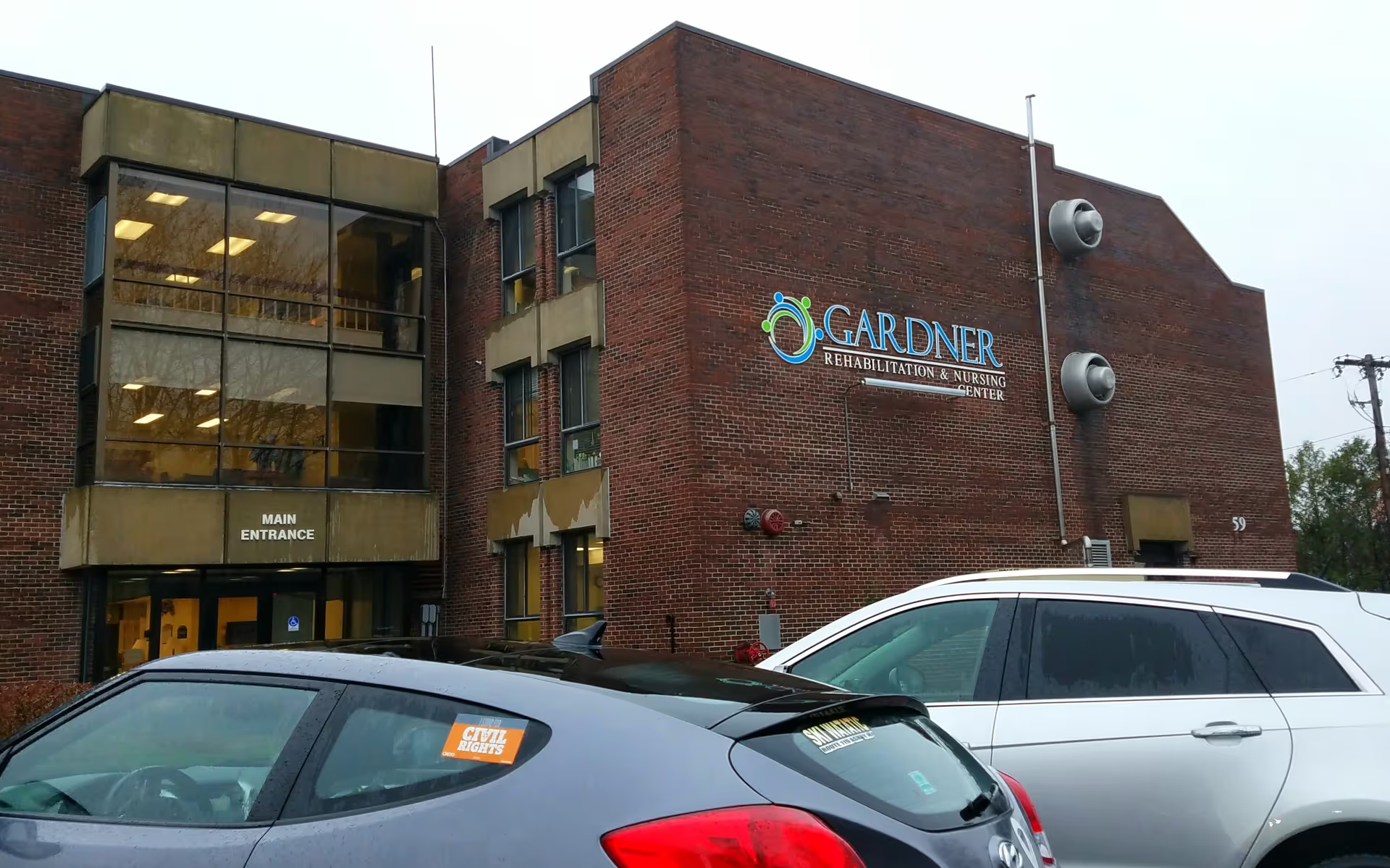
    Top-rated communities in Massachusetts

    Top cities for assisted living in Massachusetts

    1. 95 facilities$7,956/mo
    2. 90 facilities$8,088/mo
    3. 90 facilities$8,107/mo
    4. 88 facilities$8,095/mo
    5. 86 facilities$7,820/mo
    6. 85 facilities$8,160/mo
    7. 83 facilities$7,919/mo
    8. 82 facilities$8,071/mo
    9. 82 facilities$7,582/mo
    10. 79 facilities$8,055/mo
    11. 77 facilities$7,491/mo
    12. 77 facilities$7,735/mo

    Cost of assisted living in Massachusetts

    The average cost of assisted living in Massachusetts is $7,562/month, compared to $4,896/month nationally.

    Room typeMassachusettsNational avg
    Studio$6,850$4,738
    1 Bedroom$7,902$5,204
    2 Bedrooms$7,095$5,170
    Semi-Private$6,951$4,368

    * Average monthly costs across communities in Massachusetts.

    Cost by care type in Massachusetts

    Care typeAvg. monthly costCommunities
    Independent Living$7,425305
    Assisted Living$7,562777
    Memory Care$7,861543

    Assisted Living cost in Massachusetts vs. nearby states

    StateAvg. monthly cost
    New York$5,929
    Vermont$5,940
    Connecticut$6,037
    Rhode Island$6,566
    New Hampshire$7,086
    Massachusetts$7,562
    National average$4,896

    * assisted living averages across communities in each state.

    Explore all cities in Massachusetts

    A

    1. Abington
    2. Acton
    3. Acushnet Center
    4. Agawam
    5. Amesbury
    6. Amherst
    7. Andover
    8. Arlington
    9. Ashland
    10. Athol
    11. Attleboro
    12. Auburn
    13. Ayer

    B

    1. Baldwinville
    2. Bedford
    3. Belchertown
    4. Belmont
    5. Beverly
    6. Billerica
    7. Blackstone
    8. Bliss Corner
    9. Boston
    10. Bourne
    11. Boxford
    12. Bradford
    13. Braintree
    14. Brewster
    15. Bridgewater
    16. Brighton
    17. Brockton
    18. Brookline
    19. Burlington
    20. Buzzards Bay

    C

    1. Cambridge
    2. Canton
    3. Cedar Crest
    4. Centerville
    5. Charlestown
    6. Charlton
    7. Chelmsford
    8. Chelsea
    9. Chestnut Hill
    10. Chicopee
    11. Clinton
    12. Cochituate
    13. Cohasset
    14. Concord
    15. Cordaville

    D

    1. Dalton
    2. Danvers
    3. Dartmouth
    4. Dedham
    5. Dennis Port
    6. Devens
    7. Dighton
    8. Dorchester
    9. Dracut
    10. Duxbury

    E

    1. East Bridgewater
    2. East Dennis
    3. East Douglas
    4. East Falmouth
    5. East Harwich
    6. East Longmeadow
    7. East Pepperell
    8. East Sandwich
    9. Easthampton
    10. Easton
    11. Edgartown
    12. Everett

    F

    1. Fairhaven
    2. Fall River
    3. Falmouth
    4. Fiskdale
    5. Fitchburg
    6. Forestdale
    7. Framingham
    8. Franklin

    G

    1. Gardner
    2. Gloucester
    3. Great Barrington
    4. Green Harbor
    5. Greenfield
    6. Groton
    7. Groveland

    H

    1. Hadley
    2. Hanover
    3. Hanscom AFB
    4. Hanson
    5. Harwich
    6. Harwich Center
    7. Harwich Port
    8. Haverhill
    9. Hingham
    10. Holden
    11. Holliston
    12. Holyoke
    13. Hopedale
    14. Hopkinton
    15. Housatonic
    16. Hudson
    17. Hyannis
    18. Hyde Park

    I

    1. Ipswich

    J

    1. Jamaica Plain

    K

    1. Kingston

    L

    1. Lancaster
    2. Lanesboro
    3. Lawrence
    4. Lee
    5. Leeds
    6. Lenox
    7. Lenox Dale
    8. Leominster
    9. Lexington
    10. Lincoln
    11. Littleton
    12. Littleton Common
    13. Longmeadow
    14. Lowell
    15. Ludlow
    16. Lynn
    17. Lynnfield

    M

    1. Madaket
    2. Malden
    3. Mansfield
    4. Mansfield Center
    5. Marblehead
    6. Marion
    7. Marion Center
    8. Marlborough
    9. Marshfield
    10. Marshfield Hills
    11. Mashpee
    12. Mashpee Neck
    13. Mattapan
    14. Mattapoisett
    15. Mattapoisett Center
    16. Maynard
    17. Medfield
    18. Medford
    19. Medway
    20. Melrose
    21. Methuen
    22. Methuen Town
    23. Middleboro
    24. Middleborough
    25. Middleborough Center
    26. Middleton
    27. Milford
    28. Millbury
    29. Millers Falls
    30. Millis
    31. Millis-Clicquot
    32. Milton
    33. Monomoscoy Island
    34. Monson Center
    35. Monument Beach

    N

    1. Nahant
    2. Nantucket
    3. Natick
    4. Needham
    5. Needham Heights
    6. New Bedford
    7. New Seabury
    8. Newburyport
    9. Newton
    10. Newton Upper Falls
    11. Newtonville
    12. North Adams
    13. North Andover
    14. North Attleboro
    15. North Billerica
    16. North Chatham
    17. North Chelmsford
    18. North Dartmouth
    19. North Eastham
    20. North Easton
    21. North Falmouth
    22. North Lakeville
    23. North Pembroke
    24. North Plymouth
    25. North Quincy
    26. North Reading
    27. North Scituate
    28. North Seekonk
    29. North Westport
    30. Northampton
    31. Northborough
    32. Northbridge
    33. Northwest Harwich
    34. Norton
    35. Norton Center
    36. Norwell
    37. Norwood

    O

    1. Oak Bluffs
    2. Ocean Bluff-Brant Rock
    3. Ocean Grove
    4. Onset

    P

    1. Palmer
    2. Peabody
    3. Pembroke
    4. Pinehurst
    5. Pittsfield
    6. Plymouth
    7. Pocasset
    8. Popponesset
    9. Popponesset Island
    10. Provincetown

    Q

    1. Quincy

    R

    1. Randolph
    2. Raynham
    3. Raynham Center
    4. Reading
    5. Revere
    6. Rochdale
    7. Rochester
    8. Rockland
    9. Rockport
    10. Rowley

    S

    1. S Natick
    2. Sagamore
    3. Salem
    4. Salisbury
    5. Sandisfield
    6. Sandwich
    7. Saugus
    8. Scituate
    9. Seabrook
    10. Seconsett Island
    11. Sharon
    12. Shelburne Falls
    13. Shrewsbury
    14. Siasconset
    15. Smith Mills
    16. Somerset
    17. Somerville
    18. South Ashburnham
    19. South Dartmouth
    20. South Deerfield
    21. South Dennis
    22. South Duxbury
    23. South Hadley
    24. South Lancaster
    25. South Yarmouth
    26. Southbridge
    27. Southwick
    28. Springfield
    29. Sterling
    30. Stoneham
    31. Stoughton
    32. Sudbury
    33. Swampscott
    34. Swansea

    T

    1. Taunton
    2. Teaticket
    3. Tewksbury
    4. The Pinehills
    5. Topsfield
    6. Turners Falls
    7. Tyngsborough

    U

    1. Upton
    2. Uxbridge

    V

    1. Vineyard Haven

    W

    1. Wakefield
    2. Walpole
    3. Waltham
    4. Ware
    5. Wareham
    6. Wareham Center
    7. Watertown
    8. Watertown Town
    9. Wayland
    10. Webster
    11. Wellesley
    12. West Boylston
    13. West Bridgewater
    14. West Brookfield
    15. West Chatham
    16. West Concord
    17. West Dennis
    18. West Falmouth
    19. West Newton
    20. West Roxbury
    21. West Springfield
    22. West Wareham
    23. West Warren
    24. West Yarmouth
    25. Westborough
    26. Westfield
    27. Westford
    28. Weston
    29. Westwood
    30. Weweantic
    31. Weymouth
    32. White Island Shores
    33. Whitinsville
    34. Whitman
    35. Wilbraham
    36. Williamstown
    37. Wilmington
    38. Winchendon
    39. Winchester
    40. Winthrop
    41. Woburn
    42. Woods Hole
    43. Worcester
    44. Wrentham

    Y

    1. Yarmouth
    2. Yarmouth Port

    Other types of senior living in Massachusetts

    Assisted Living in other states

    1. Alabama
    2. Alaska
    3. American Samoa
    4. Arizona
    5. Arkansas
    6. California
    7. Colorado
    8. Connecticut
    9. Delaware
    10. District of Columbia
    11. Federated States of Micronesia
    12. Florida
    13. Georgia
    14. Guam
    15. Hawaii
    16. Idaho
    17. Illinois
    18. Indiana
    19. Iowa
    20. Kansas
    21. Kentucky
    22. Louisiana
    23. Maine
    24. Marshall Islands
    25. Maryland
    26. Massachusetts
    27. Michigan
    28. Minnesota
    29. Mississippi
    30. Missouri
    31. Montana
    32. Nebraska
    33. Nevada
    34. New Hampshire
    35. New Jersey
    36. New Mexico
    37. New York
    38. North Carolina
    39. North Dakota
    40. Northern Mariana Islands
    41. Ohio
    42. Oklahoma
    43. Oregon
    44. Palau
    45. Pennsylvania
    46. Puerto Rico
    47. Rhode Island
    48. South Carolina
    49. South Dakota
    50. Tennessee
    51. Texas
    52. Utah
    53. Vermont
    54. Virgin Islands
    55. Virginia
    56. Washington
    57. West Virginia
    58. Wisconsin
    59. Wyoming
    © 2026 Mirador Living