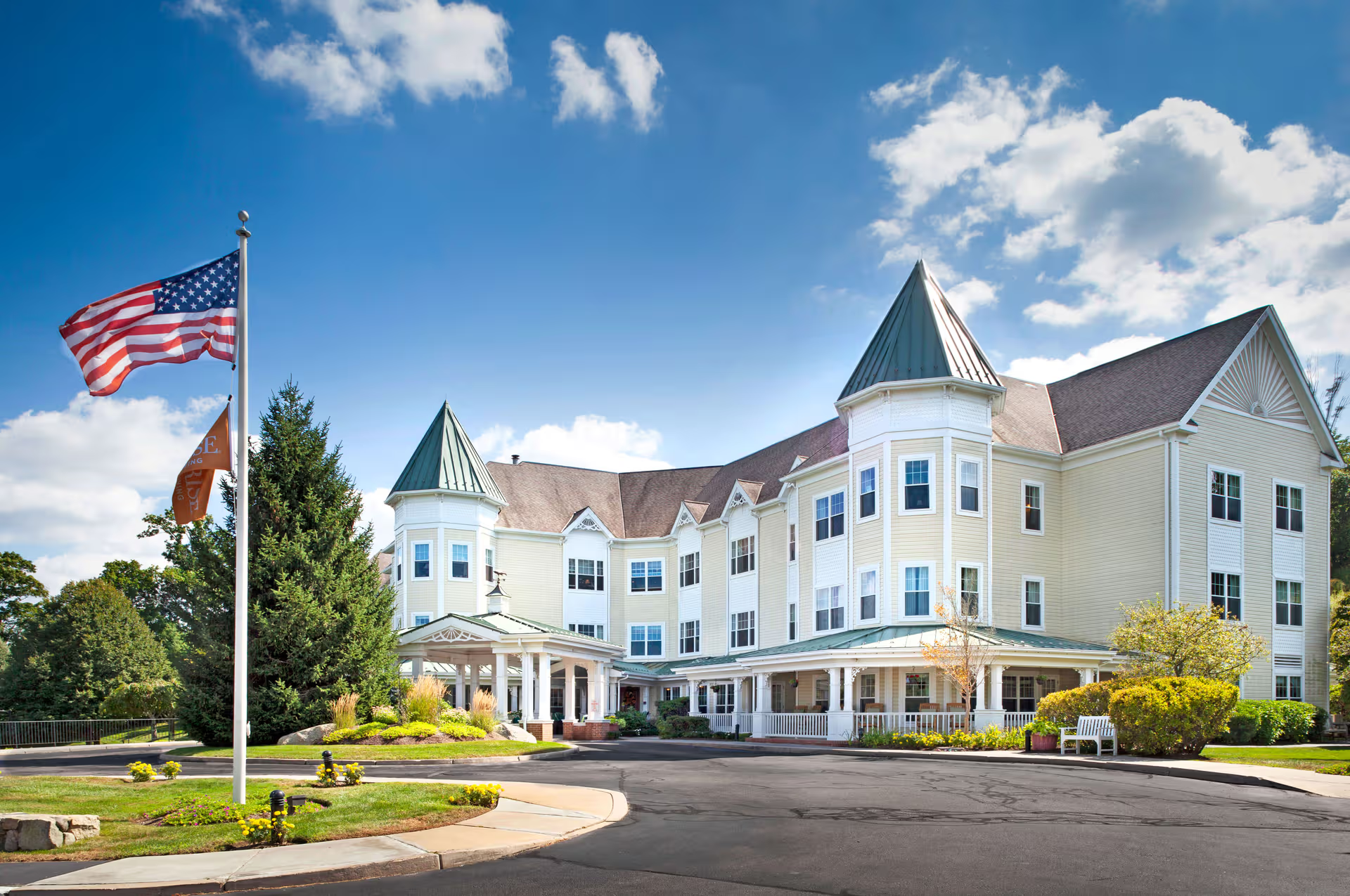
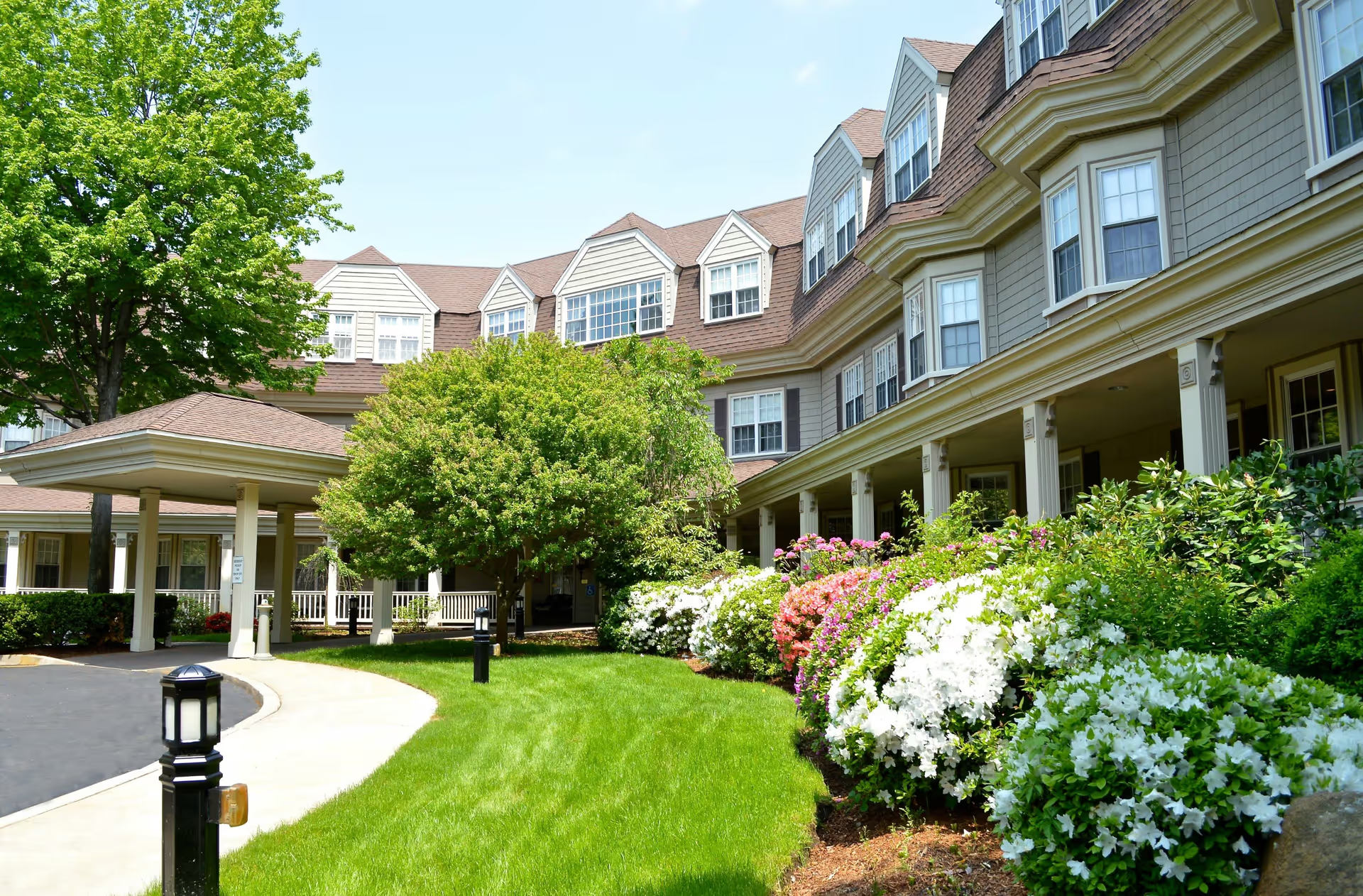
Benchmark at Hanover receives predominantly positive feedback from residents’ families and visitors. The most consistent strength is the staff’s warm, patient, and attentive approach. Families describe residents being known by name, treated as individuals, and supported in ways that help them feel safe and included. Memory care is especially praised, including its leadership, family communication, and support for residents’ engagement and dignity. Several families also describe responsive management and helpful guidance during the move-in process or as care needs change.
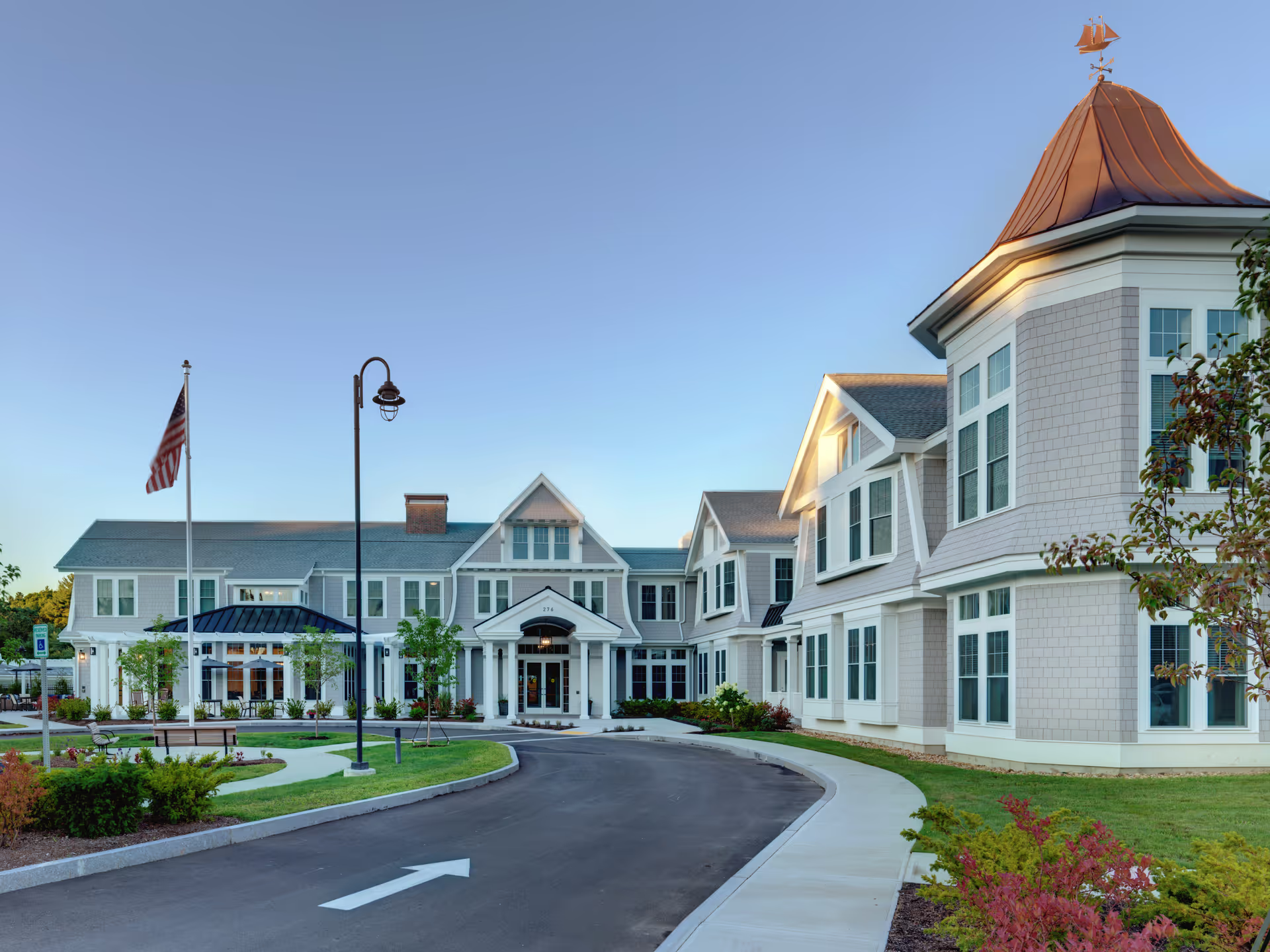
Activities are a strong feature across the reviews. Residents are described as having regular access to crafts, games, entertainment, outings, and social opportunities, with staff helping residents participate according to their interests and abilities. Families report that these programs support adjustment, socialization, and quality of life. The building is frequently described as clean, attractive, contemporary, and well maintained, with appealing apartments and amenities. Visitors also value the location and the availability of services such as hair care and other appointments arranged onsite.
Dining feedback is generally favorable: some families praise the food, and one visitor noted that staff offered alternatives when a resident wanted a different meal. However, a few comments identify opportunities to improve menu variety, nutritional choices, consistency, and meals in memory care. One family was also uncertain whether staffing was fully adequate.
The overall positive pattern is not universal. One strongly negative family account raised concerns about medication-management continuity, delays in answering requests for help, room suitability for mobility needs, staff communication, and management accountability. The account also questioned a medication decision during an acute behavioral episode and described a serious fall; it states that the resident later died during the stay, but does not establish a causal connection. These concerns differ sharply from the many favorable accounts of attentive care and responsive leadership, so families may wish to ask directly about medication procedures, call-response expectations, mobility accommodations, staffing, and how concerns are escalated.