
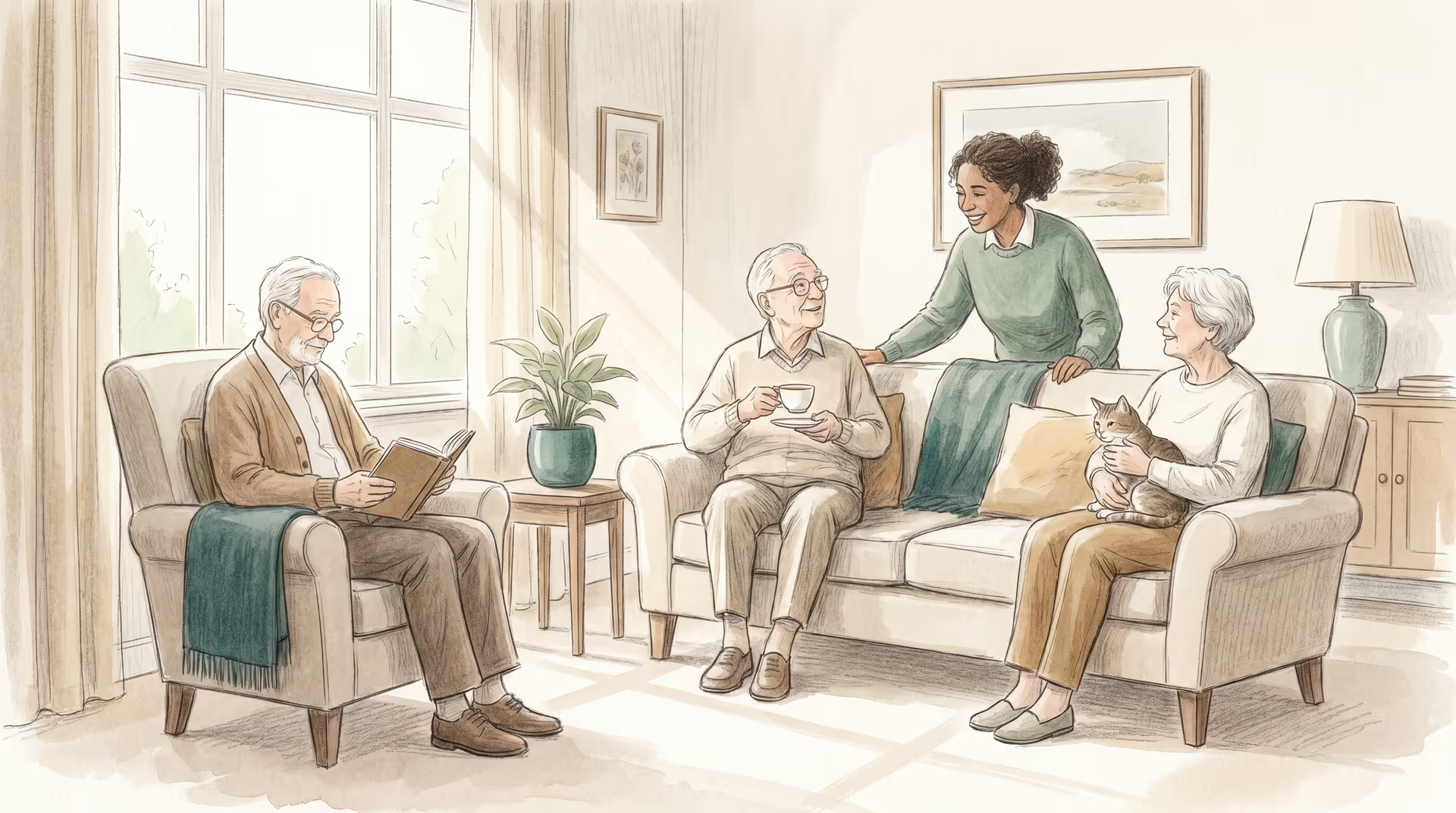
What is a Board and Care Home?
A board and care home is a specialized residential environment designed to provide seniors and other individuals requiring assistance with daily living activities with a high level of personalized care and attention. These homes fall under the broader category of assisted living communities, which aim to support residents in maintaining as much independence as possible, in a setting that feels like home.
Distinct from larger assisted living facilities, board and care homes typically accommodate a smaller number of residents, usually between 6 and 20 individuals. This smaller scale fosters a more intimate setting and allows staff to offer more individualized care and support. The environments are often residential houses that
owners adapt to meet the needs of their occupants, providing a comfortable, homelike atmosphere that can be particularly reassuring and less intimidating than larger institutional settings.
One of the unique aspects of board and care homes is their ability to offer a family-style living arrangement. This setup promotes a sense of community and belonging among residents, which can be beneficial for emotional and mental health. Each resident receives personalized care tailored to their specific health and personal needs, and services typically include meal preparation, housekeeping, laundry, medication management, and assistance with personal care tasks.
Moreover, board and care homes can handle a variety of healthcare requirements, with staff available around the clock to ensure safety and respond to any immediate needs. While they provide many of the same services as larger assisted living facilities, the smaller environment of a board and care home allows for more direct and immediate staff interaction, which can be particularly important for residents who require consistent monitoring or those with more complex care needs.
By choosing a board and care home, residents and their families can find comfort in knowing that the setting is safe, supportive, and highly attentive to the nuanced needs of its residents, making it a good option for those seeking a blend of independence and care.
The benefits of board and care homes
Board and care homes have numerous advantages that cater specifically to the needs of individuals requiring assistance with daily activities while still desiring to maintain a level of independence. These benefits enhance the quality of life for residents and provide peace of mind for their families. Here are some of the main benefits:
Personalized attention and care
Because of the smaller size of board and care homes, typically hosting fewer residents compared to larger assisted living facilities, staff can provide more personalized care and attention. This ensures that each resident's individual needs and preferences are met, including dietary requirements, personal care, and medication management.
Homelike environment
Board and care homes are often actual homes converted into care facilities, which helps in maintaining a homelike atmosphere. This setting can be particularly comforting for residents, making the transition from independent living to assisted living smoother and less stressful. The familiar, cozy environment helps build a sense of belonging and community among residents.
Enhanced safety and security
With staff available 24/7, board and care homes provide a safe environment for residents, particularly those who may be at risk of falls, have memory issues such as dementia, or other health conditions that require constant supervision. The intimate setting also allows for immediate response to any emergencies.
Community and social interaction
Living in a board and care home offers opportunities for social interaction and activities that are important for mental and emotional health. Social gatherings, games, shared meals, and other community activities help residents maintain an active and socially engaged lifestyle, which can support their overall well-being.
Cost-Effectiveness
In many cases, board and care homes can be more cost-effective than larger assisted living facilities because they provide a comprehensive care package tailored to individual needs without the overhead associated with larger institutions. This can make them an economically sensible choice for long-term care.
Flexibility
Board and care homes often provide greater flexibility in the services offered, adapting quickly to changes in a resident's health or personal preferences as individual requirements evolve over time.
Overall, board and care homes provide a supportive living option for those who require assistance but still wish to maintain a degree of independence. By offering tailored care in a homelike environment, these homes address the practical needs of their residents and enrich their lives through community and personal attention.
The cost of board and care homes
Board and care homes are an affordable alternative to traditional assisted living facilities, particularly because they cater to smaller groups and provide a more personalized level of care. Costs vary based on factors such as the home's location, the intensity of care required, and the amenities offered. Typically, monthly fees range from $2,000 to $5,000, covering room and board, meals, care services, and often utilities and transportation. This price range can be particularly attractive when compared to the higher costs associated with larger assisted living facilities or nursing homes, which offer similar services but at a higher scale and cost.
Financial considerations for board and care homes depend on the individual's needs and the specifics of the home chosen. Families usually fund this care through personal savings, pensions, or long-term care insurance, and may also explore eligibility for assistance through Medicaid or Veterans benefits, depending on the state and financial circumstances.
When selecting a board and care home, it's worth opting for one that provides a transparent pricing structure. This ensures the home clearly outlines all costs from the start, helping families manage their budgets effectively and avoid unexpected expenses. The cost-effectiveness, combined with the intimate, personalized care environment of board and care homes, makes them a practical option for those seeking assisted living.
How to choose the right board and care home
Choosing the right board and care home involves thorough research and multiple visits to potential homes. Ensure that the home is licensed by the appropriate state authorities, such as the department of health or social services. Always check for any formal complaints or inspection reports available on the agency's website to gauge the home's compliance and quality of care.
During visits, observe the overall atmosphere to assess whether the environment feels relaxed and welcoming. Notice how staff interact with residents: are they attentive and responsive, or do they seem overburdened? Engaging with current residents and their families can provide invaluable insights into daily life and satisfaction levels at the home. Inquire about the staff-to-resident ratio, the cleanliness of the facilities, the availability of medical care, and how staff accommodate personal care needs.
Review the range of services and amenities offered, including meal quality, room options, safety features like handrails and call buttons, and the variety of social activities. Check if the costs are all-inclusive or if there are different pricing models depending on the level of care required. Understand how the home handles health emergencies and ongoing medical appointments. Lastly, reflect on your personal impressions: does the place feel like it could be a comfortable, long-term home for you or your loved one? If there's any doubt, visiting other homes can help confirm the best fit for your needs and expectations. This approach ensures the chosen board and care home is a safe and suitable place that feels like a true home.
