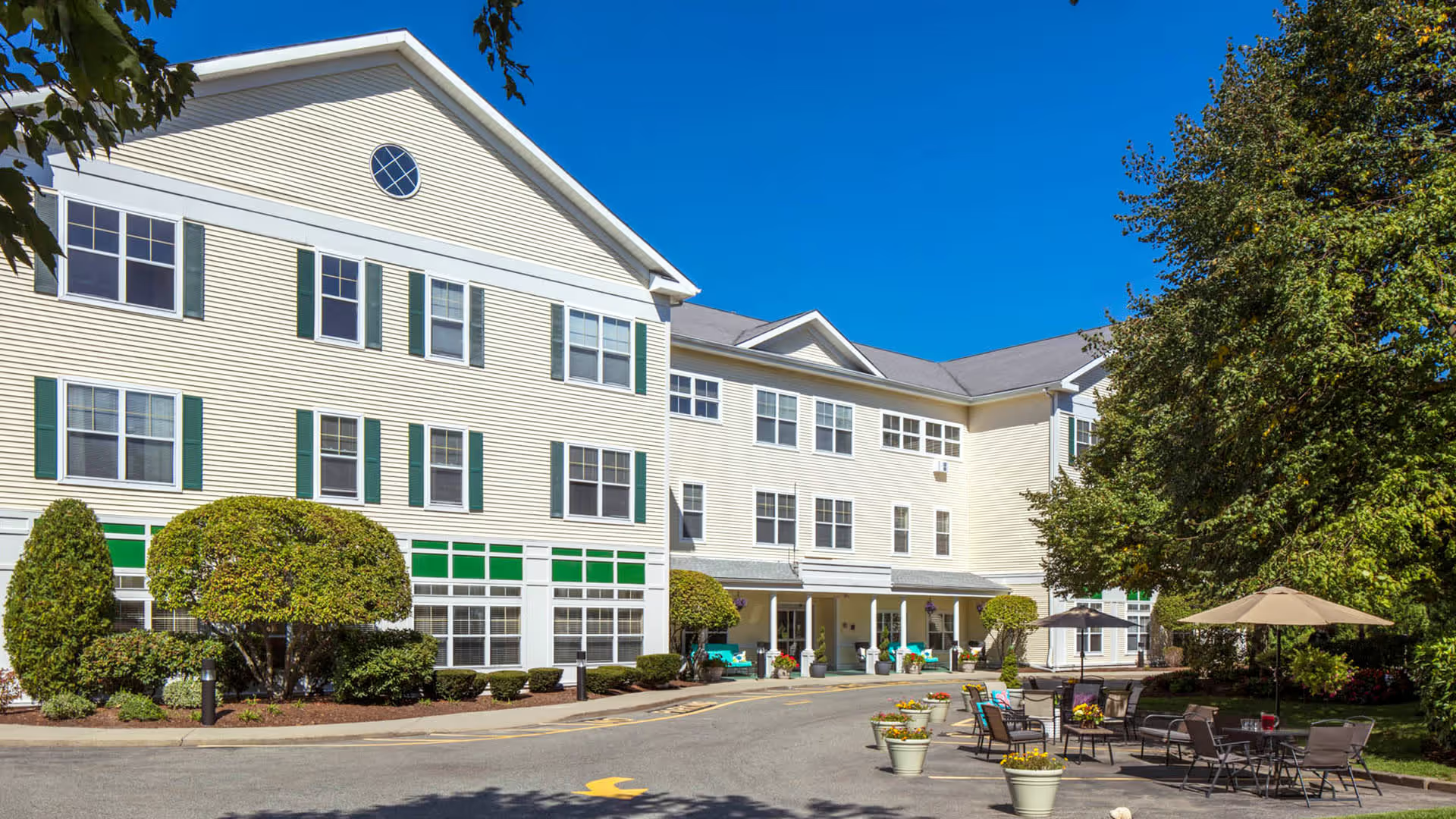
Paying for assisted living in Rhode Island
Most Rhode Island families pay for assisted living out of pocket at first, using a mix of savings, retirement income, the proceeds from selling a home, and long-term care insurance. Costs vary widely depending on the community, the part of the state, the size of the apartment, and how much daily help a resident needs. You can compare current pricing for communities across Rhode Island in the pricing tables below.
Private pay is not the only option, though. Once savings are spent down, some residents qualify for help through Medicaid, and certain veterans and their surviving spouses may receive VA benefits that offset care costs. It helps to understand what each program does and does not pay for before you choose a community.
Does Rhode Island Medicaid (LTSS) cover assisted living in Rhode Island?
Yes, in many cases. Rhode Island Medicaid's Long-Term Services and Supports (LTSS) program can help pay for the care a resident receives in a state-licensed Assisted Living Residence that is certified to participate in LTSS. Covered services may include personal care assistance, medication management, homemaker and chore help, and supervision.
What Medicaid will not pay is room and board, the rent, meals, and basic housing costs that make up a large share of an assisted living bill. Those remain the resident's responsibility.
To qualify, an applicant must meet both:
- Financial limits on income and countable assets, and
- A functional (clinical) level-of-care need.
Not every community accepts Medicaid, so ask before you move in. You can apply through HealthSource RI or the Department of Human Services, and The POINT can walk you through the process.
Does Medicare cover assisted living in Rhode Island?
No. Medicare does not pay for assisted living room and board or for the ongoing custodial care (help with bathing, dressing, and daily living) that defines assisted living.
Medicare may still cover related medical needs, such as:
- A short, medically necessary stay in a skilled nursing facility after a qualifying hospital stay,
- Doctor visits, hospital care, and prescription drugs, and
- Eligible home health or hospice services.
For free, unbiased help understanding what Medicare covers, contact Rhode Island's State Health Insurance Assistance Program (SHIP) through the Office of Healthy Aging.