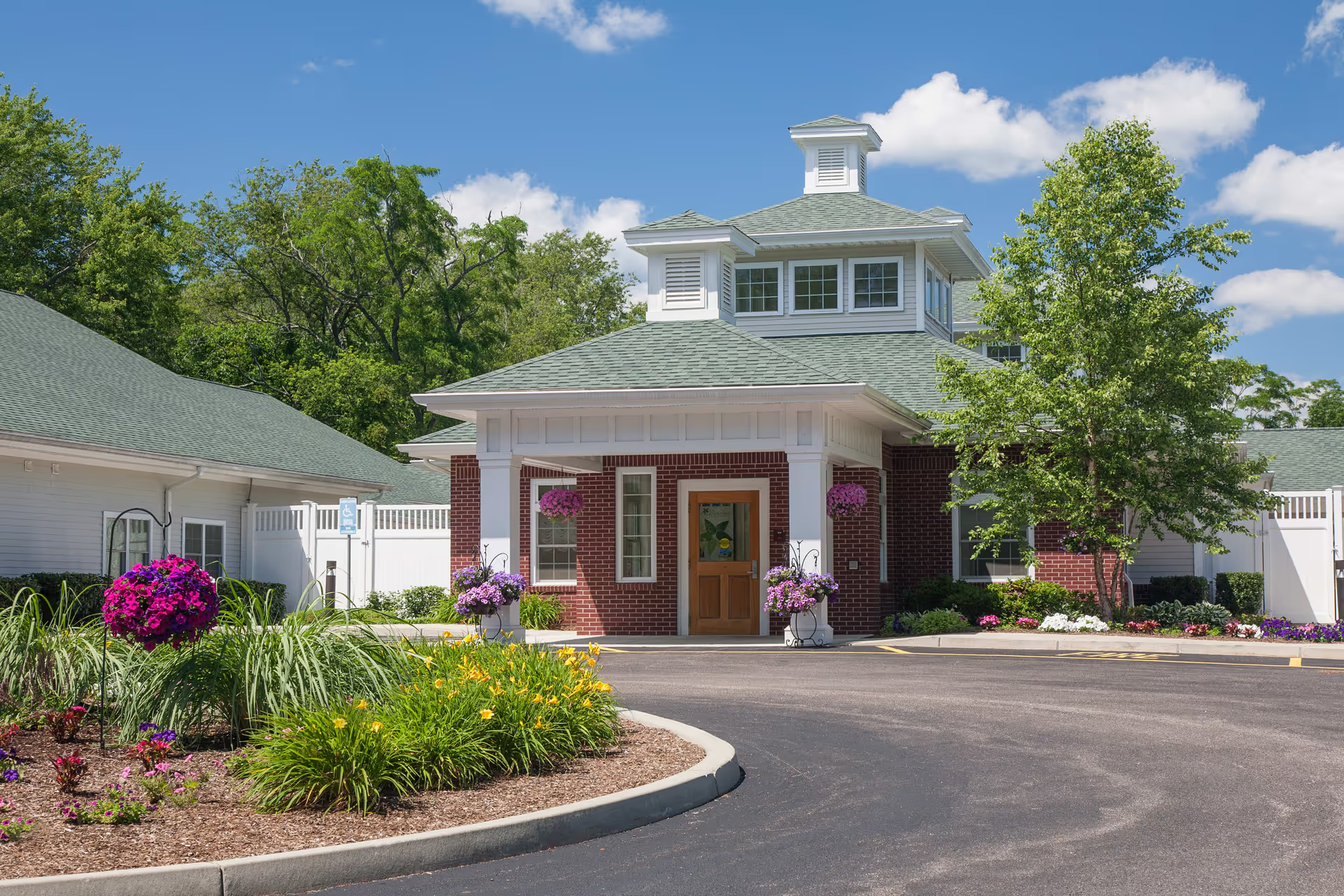
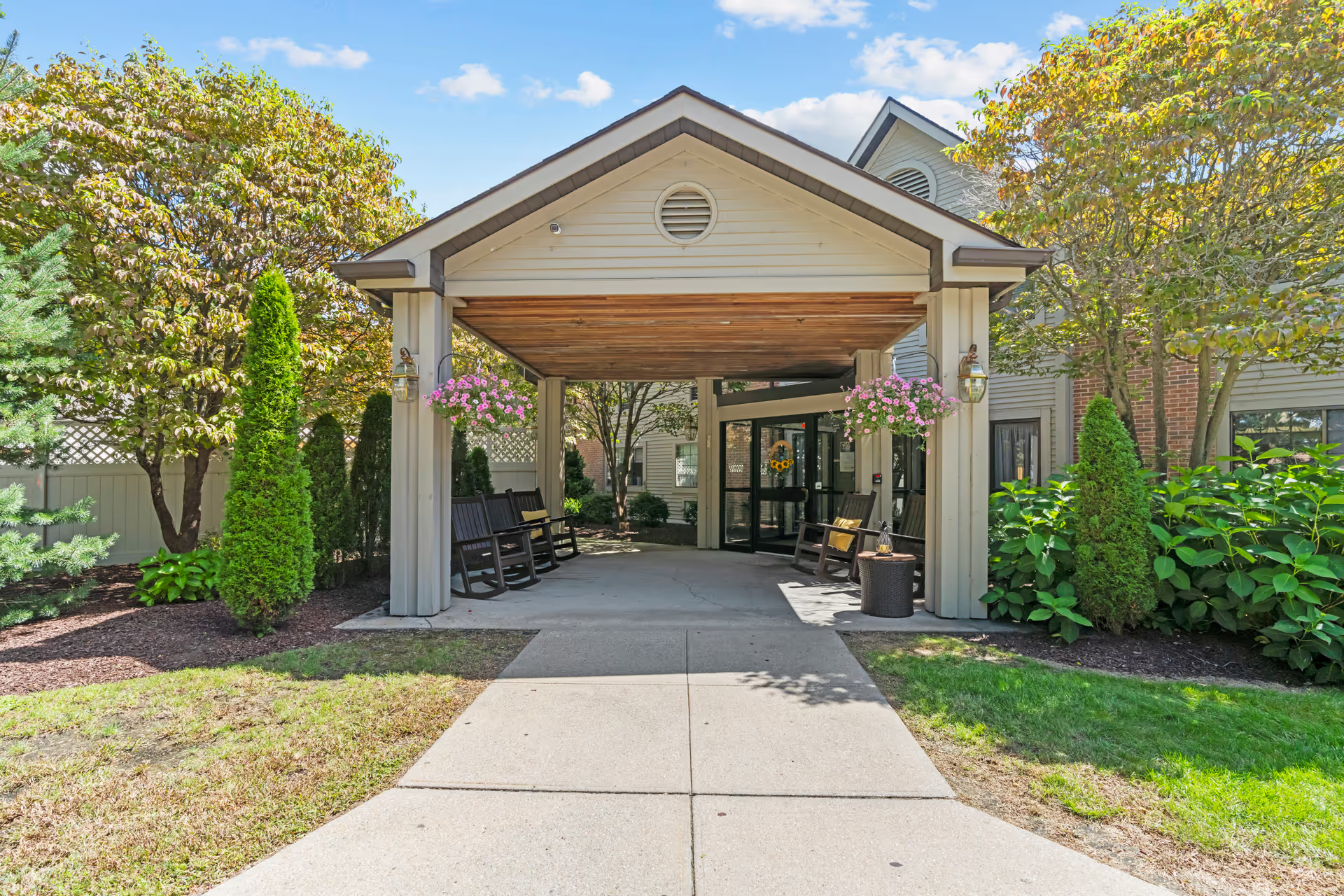
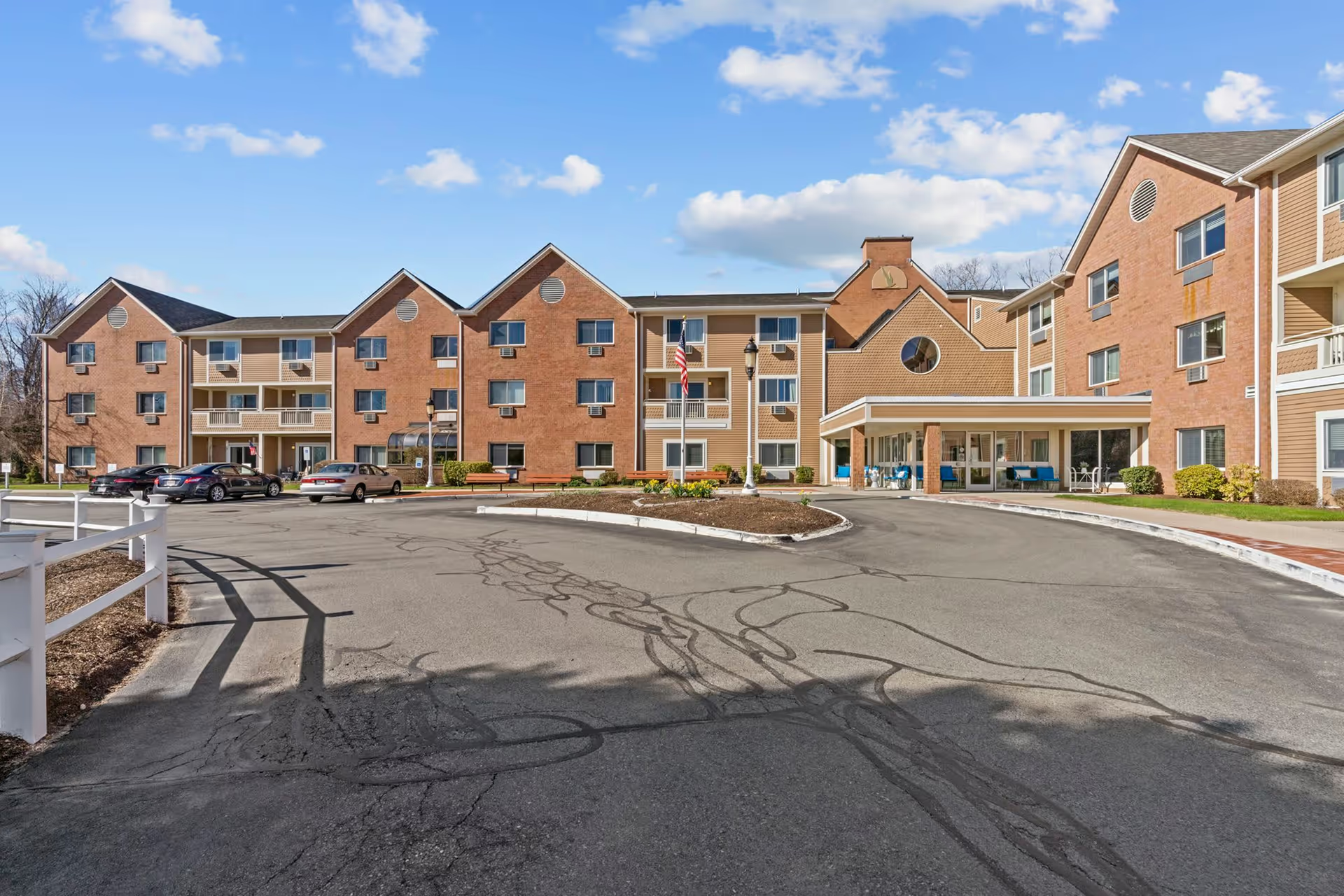
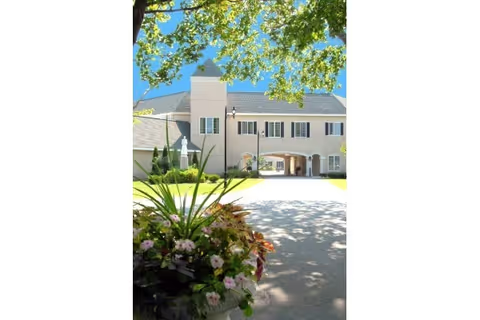
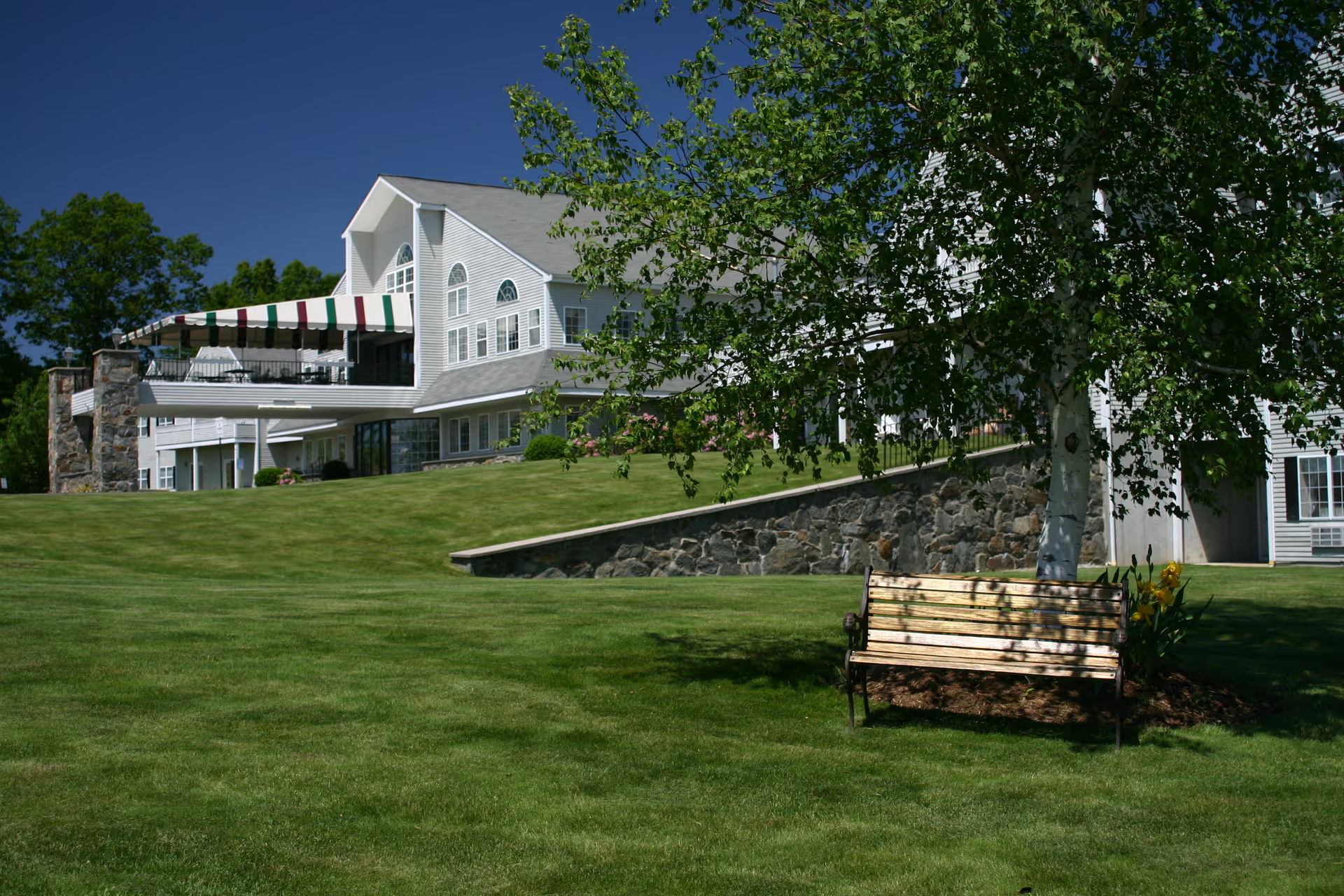
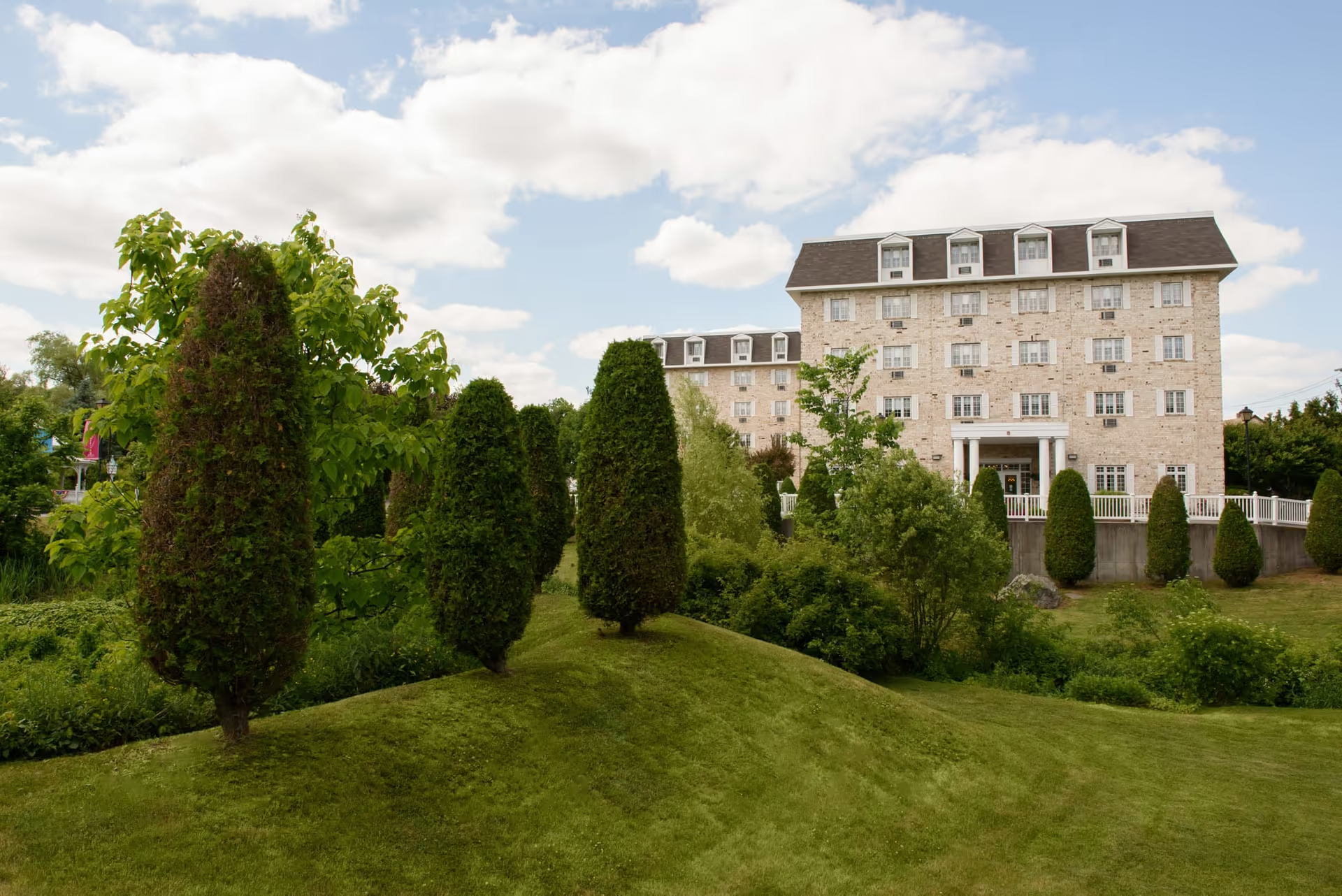
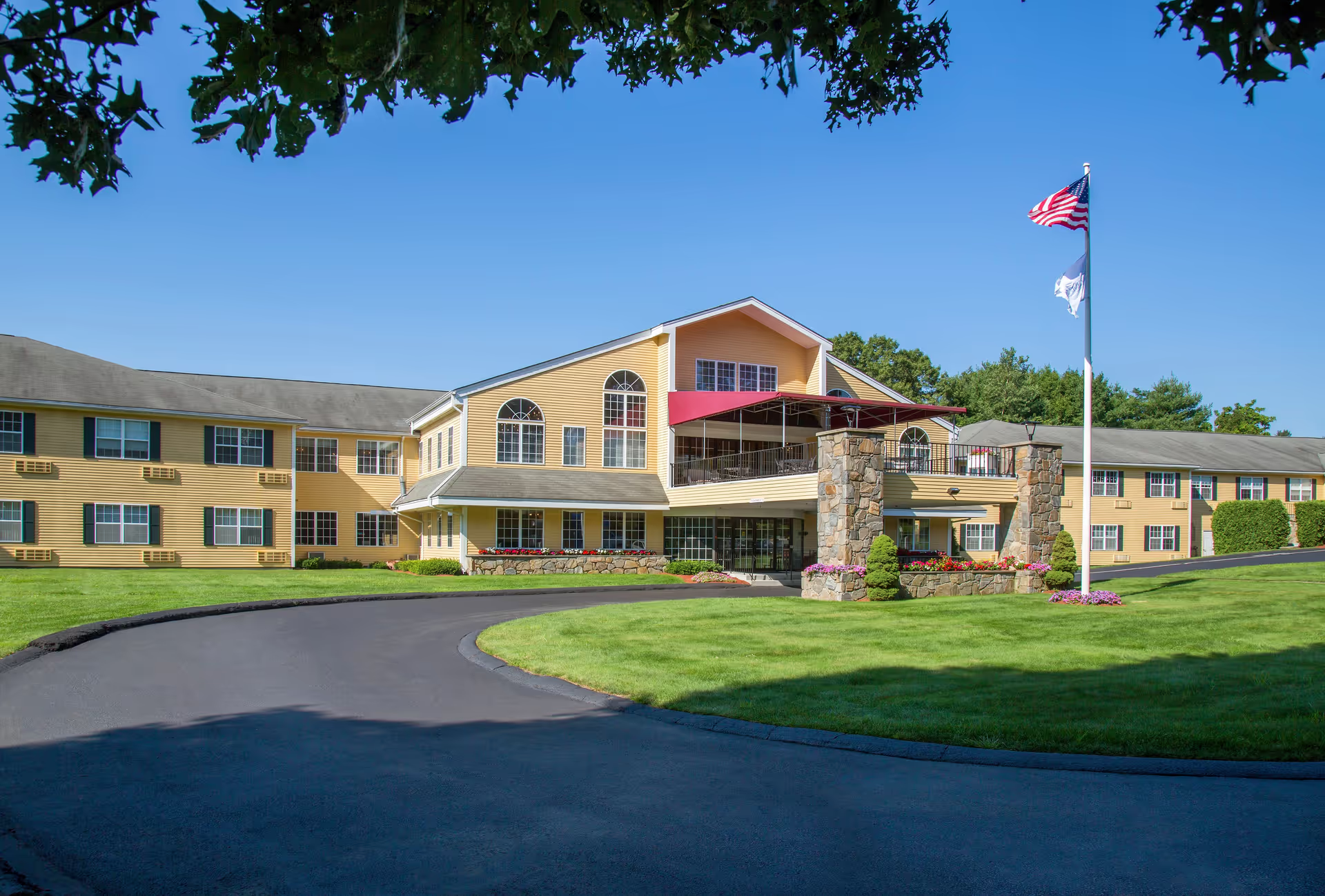
Overall impression: Atria Lincoln Place is frequently described as an upscale, well‑appointed senior living community with consistently strong marks for staff quality, cleanliness, and on-site amenities. Reviewers commonly highlight the welcoming social environment, active programming, and facility upkeep. Families and residents cite the setting and layout—bright dining spaces, attractive common areas, a central courtyard for memory care, and multiple leisure amenities—as important contributors to quality of life.
Care and staff: The dominant theme across feedback is the quality and continuity of staff. Caregivers, nurses, and long‑tenured employees are frequently characterized as compassionate, knowledgeable, and personally attentive; families note good medication coordination, responsive nursing leadership, and 24/7 on-call CNAs. These strengths make the community well suited to assisted‑living and memory‑care residents who require daily support. At the same time, some comments point to variability in staffing levels that can affect program delivery and occasional communication missteps with families (including instances of insensitive outreach), suggesting opportunities to standardize family‑facing processes.
Dining: Dining receives mixed but generally positive feedback. Many reviewers praise the dining room environment, accommodating dining staff, and instances of above‑average culinary care (including attention to special diets). Conversely, others identify inconsistent meal preparation and service problems—menu items unavailable, temperature and presentation concerns, reliance on convenience items, or diminishing variety at times. These contrasting impressions indicate that while the culinary team is capable and often praised, operational consistency in meal production and service is a recurring area for improvement.
Activities and social life: Activity programming is a clear strength. The calendar commonly includes a wide range of social, recreational, and wellness offerings—group games, live music, fitness classes, arts and crafts, outings, and regular themed social hours. This programming supports an active social community and is especially beneficial for residents who prefer structured engagement. Reviewers who are very independent and highly active, however, sometimes find the offerings insufficiently challenging or wish for more frequent/longer off‑site outings and transportation options tailored to higher‑functioning residents.
Facilities and amenities: The physical plant is repeatedly described as bright, clean, and well maintained, with desirable amenities such as an indoor pool, salon, fitness room, library, and pleasant outdoor seating. Apartment units are described as comfortable and customizable, though several comments note compact studio footprints that may not meet every resident’s space expectations. The secure memory‑care layout is highlighted for ease of monitoring, but reviewers also raised privacy/security concerns related to shared amenity access and occasional outside use of facilities.
Management and business practices: Management is viewed as accessible and responsive by many families, with praise for move‑in coordination and ongoing communication. At the same time, a number of financial and policy concerns recur: the community commands premium pricing, families note annual rent increases and teaser rates, and payment options are limited (with Medicaid not accepted in some cases). These factors make the community less affordable for budget‑constrained families. There are also isolated but notable concerns about family outreach and bereavement communication practices that management should address to maintain trust.
Patterns to consider: The strongest, most consistent positives are staff quality, cleanliness, amenities, and an active social program—attributes that create a family‑like atmosphere and improved resident engagement for many. The most consistent cautions relate to cost and value, dining consistency, apartment size, and occasional limits in programming for very independent residents or those with very high medical needs. Prospective residents and families should weigh the community’s strengths in caregiving and lifestyle against affordability, meal preferences, and space requirements, and should ask targeted questions about pricing escalation, meal-service procedures, staffing ratios, and the community’s capacity to support advanced clinical needs before deciding.