Overall impression: Village at Waterman Lake-Lp is consistently praised for its caring staff, cleanliness, and resort-like campus with strong emphasis on social programming and scenic amenities. Families and residents frequently highlight attentive caregivers, long-tenured teams, and ready access to supervision, which contribute to perceived safety and dignity. The property’s lakeside setting, multiple dining venues, and broad activity calendar (boat rides, concerts, bazaars, intergenerational animal visits, day trips) are repeatedly cited as major contributors to resident engagement and improved wellbeing.
Care and staff: Care quality is generally described as compassionate and person-centered. Reviewers note knowledgeable nursing and direct-care teams, expertise in dementia care, on-site physician and therapy services, and staff practices that support residents’ hygiene, appearance, and daily routines. The facility’s low staff-to-resident ratio and 24/7 supervisory model are viewed as strengths. That said, there are recurring operational concerns: families described episodic delays in hands-on care (for example timing for showers or dressing), variable responsiveness to email/phone communications, and instances where administrative follow-up was lacking. These indicate variability in day-to-day staffing and communication systems rather than a uniform pattern of neglect.
Dining: Dining is a prominent selling point for many residents—restaurant-style service, multiple dining rooms (including a lake-view main room), and a diverse menu with attention to portioning and healthy options are frequently commended. Multiple reviewers praised high-quality culinary staff and meal presentation. Contrastingly, a subset of reports raises substantive concerns about inconsistent meal quality and food-safety controls, including specific unacceptable meal incidents. These contrast with other positive dining accounts and suggest that kitchen quality-control and consistency should be a targeted management priority.
Activities and social life: Programming is broad and active, with offerings spanning on-site classes, games, arts and crafts, outings, pontoon lake tours, concerts, and pet/animal interactions. Many families observed improved mood and social reintegration for residents following placement. A pattern emerges where larger, general-interest events are strong but some residents would benefit from more intentionally structured small-group or quieter activities; reviewers requested more options for residents who find large-group events overstimulating or who need more personalized engagement.
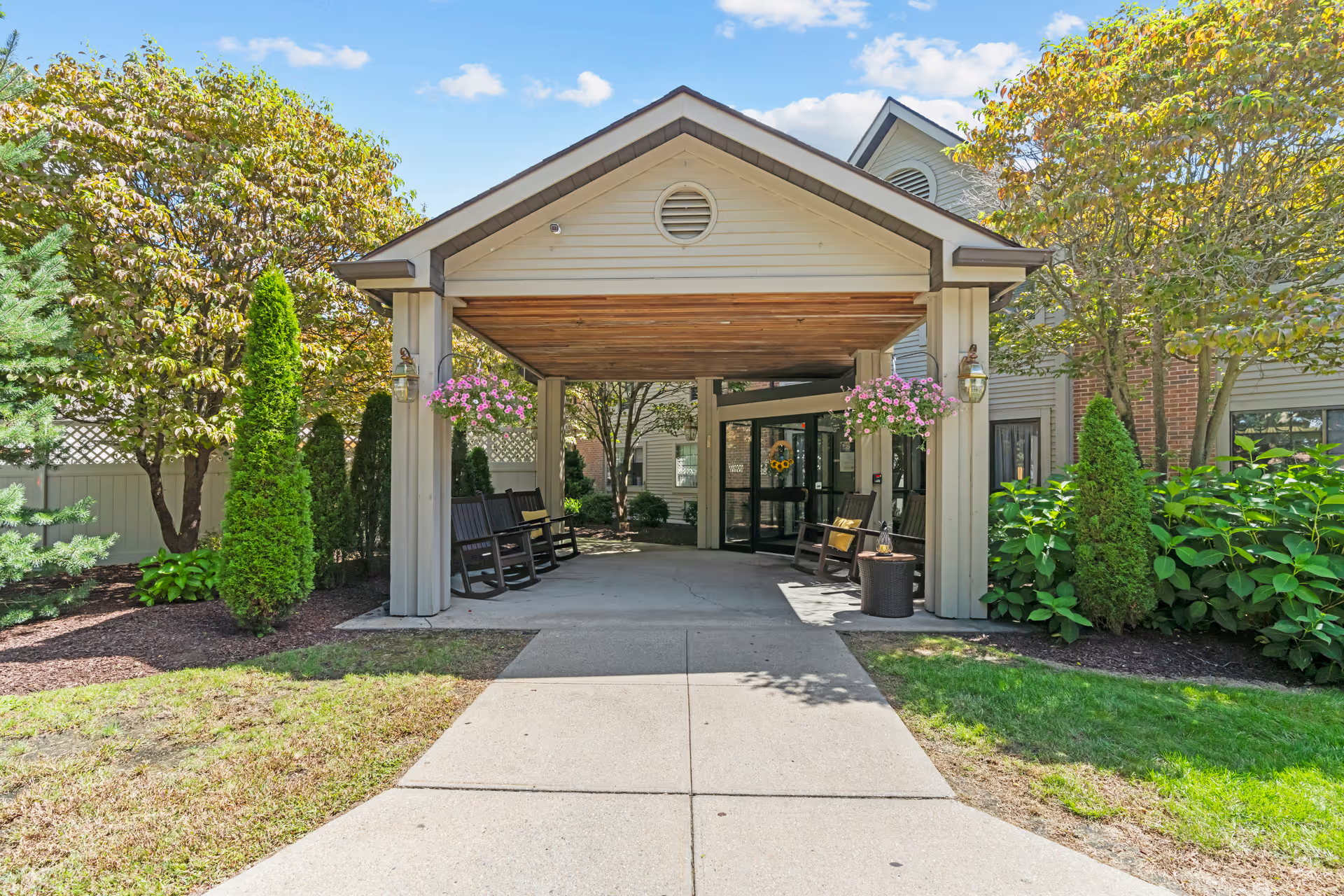
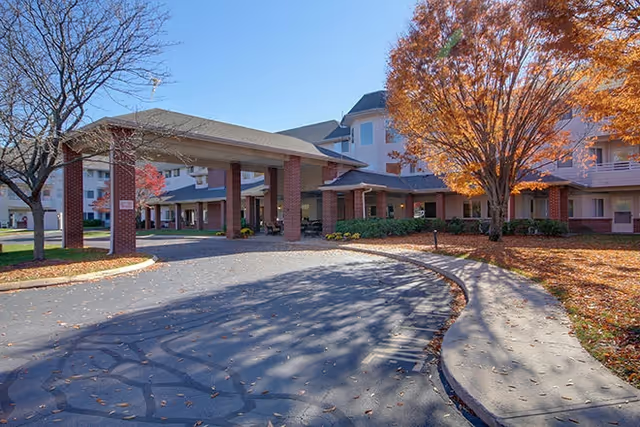
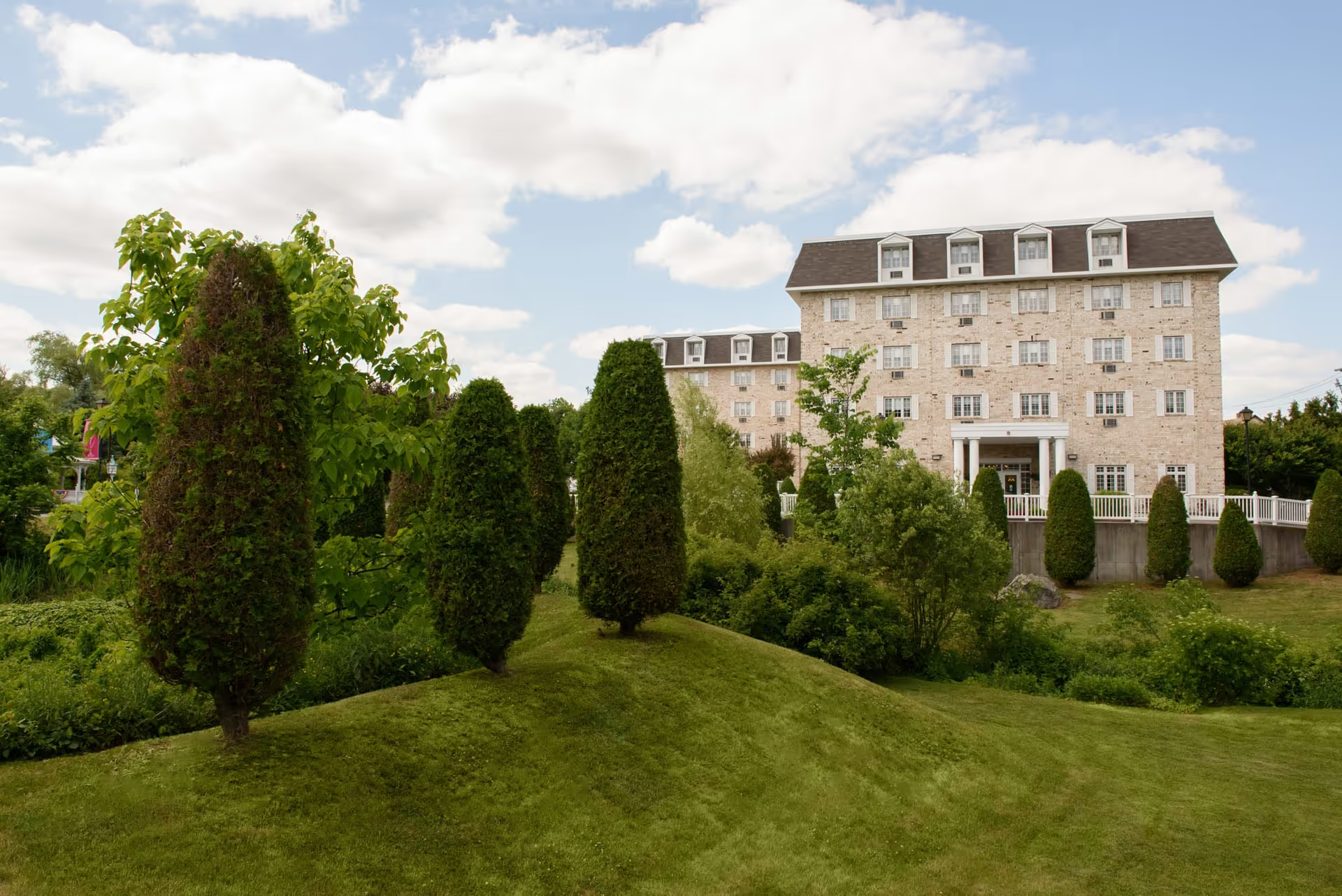
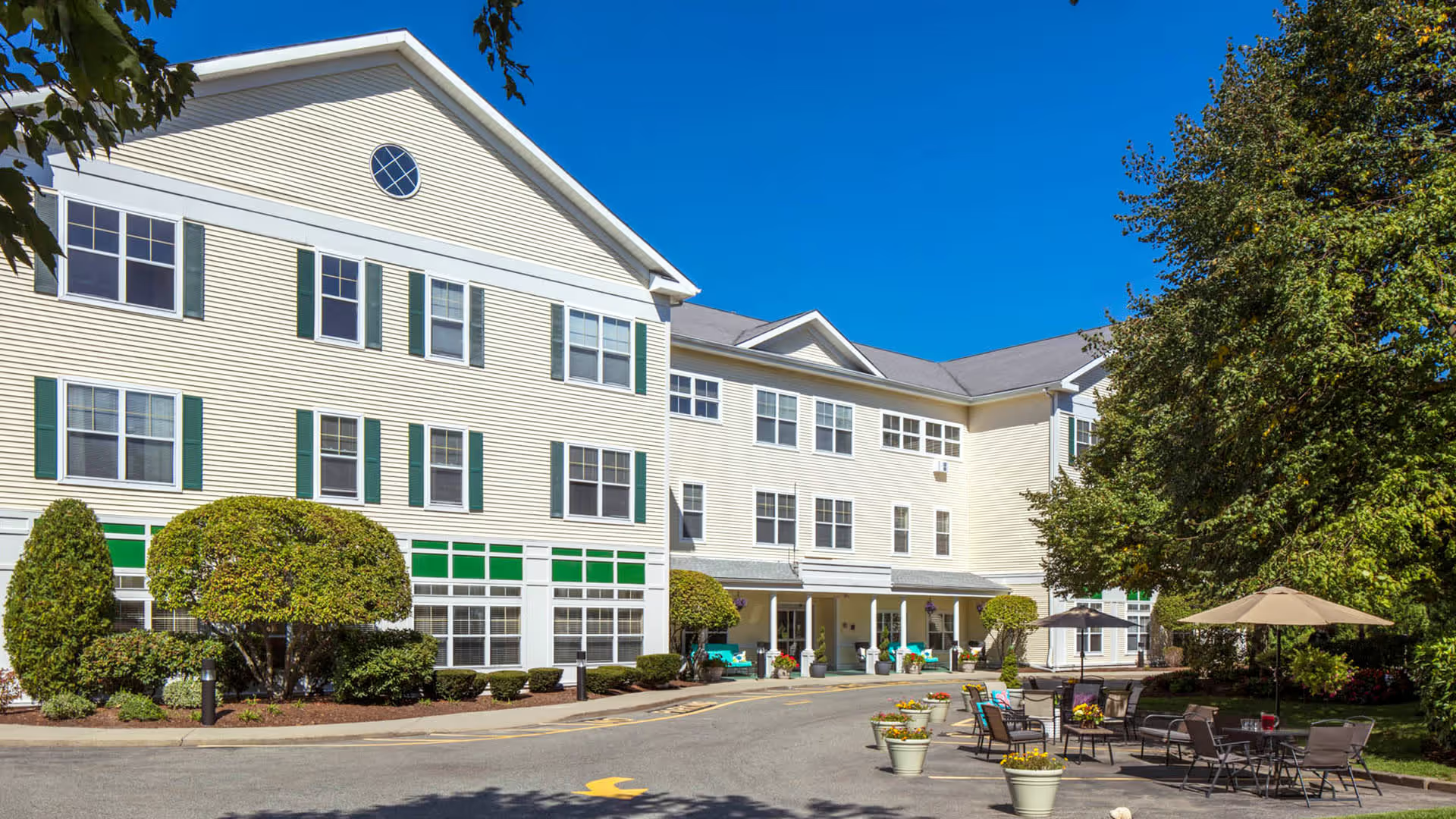
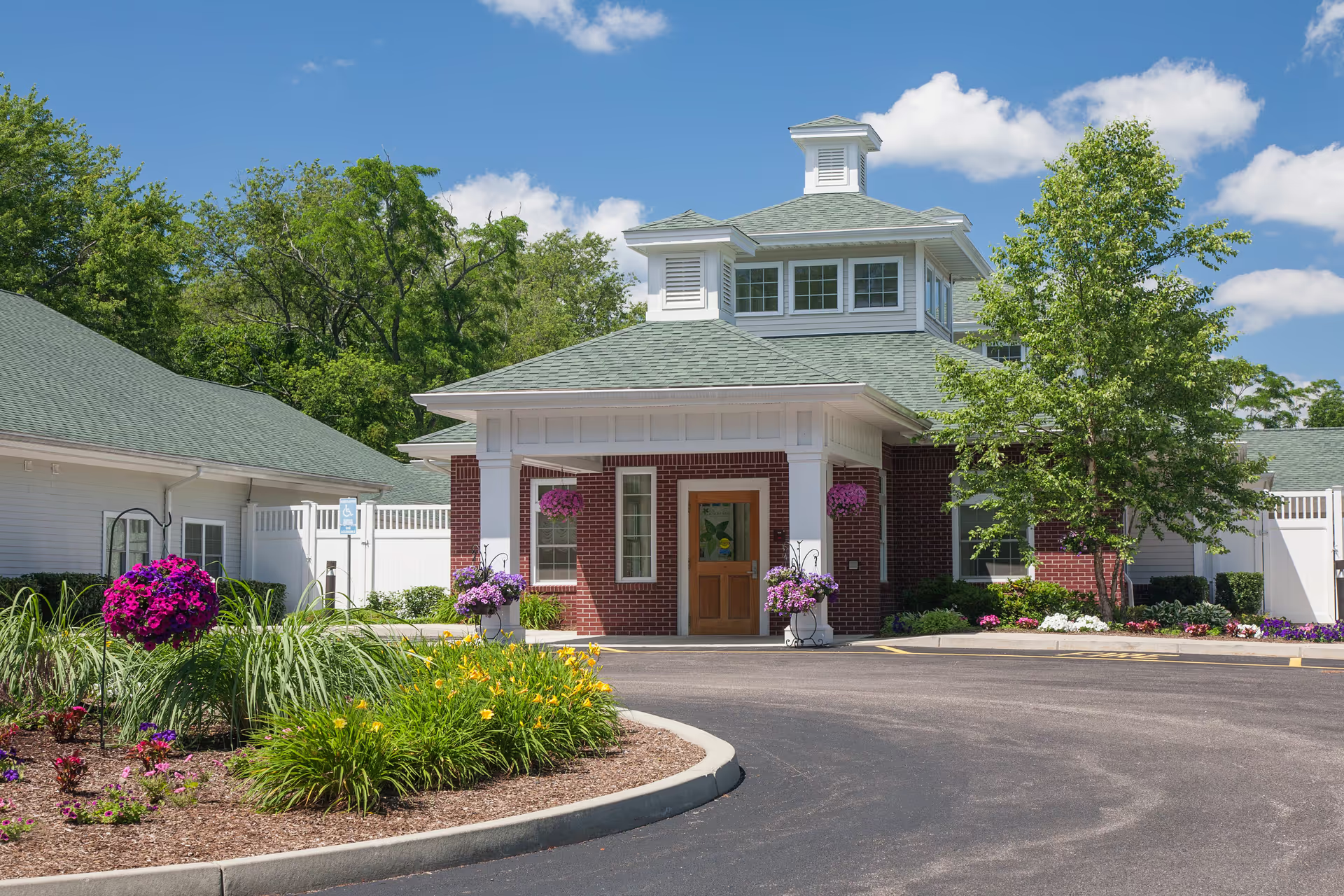
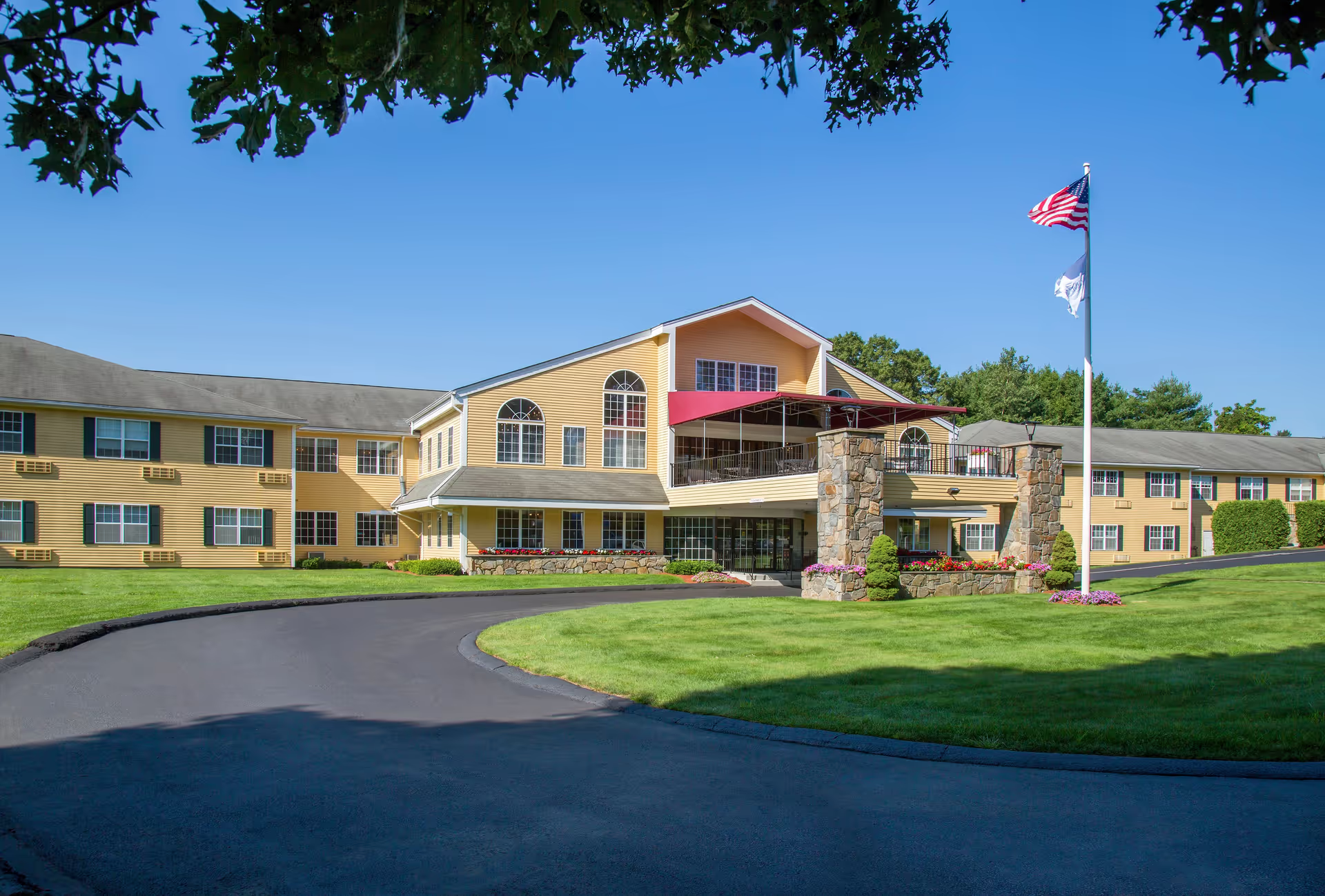
Facilities and physical environment: The 30-acre lakeside campus and well-maintained interiors receive high marks for cleanliness, decor, and amenities (kitchenettes, balconies, club rooms, pub/tea rooms, gardens). Safety features for memory care and fenced outdoor areas are noted positively. Conversely, the facility’s scale and layout can feel overwhelming to some residents and relatives; certain unit types were described as small for individual needs. Accessibility to the waterfront on foot is limited by road layout and distance, which matters to families seeking immediate outdoor access.
Management and operations: Management is frequently described as proactive and supportive—helping with transitions to higher levels of care, coordinating transfers, and providing emotional support to families. Positive comments about housekeeping, maintenance responsiveness, and concierge services are common. Operational weaknesses center on administrative processes and transparency: unclear ala‑carte pricing structures, contract and refund disputes in isolated cases, delayed communications, and limited public-funding acceptance (not accepting Medicaid/Medicare) that affect affordability for some families. Staffing variability in care areas and occasional understaffing were also noted, contributing to the care‑delay observations described above.
Notable patterns and advice for prospective families: The facility is a strong fit for residents who prioritize an active lifestyle, high-quality dining, scenic grounds, and a staff-oriented, family-like culture—and for families willing to pay private‑pay premiums. Prospective residents with significant sensitivity to large campuses, those requiring Medicaid coverage, or those who need consistently small-group programming should assess fit carefully. When touring, ask explicitly about food-safety and quality-control procedures, staffing ratios for the specific unit you are considering, how medication administration and care-response times are tracked, meal attendance/assignment policies, and how pricing and ala‑carte charges are communicated in writing. Overall, Village at Waterman Lake-Lp offers many strong clinical and social supports but demonstrates some operational variability that merits clarified expectations before move-in.