The Lighthouse at Lincoln is consistently described as a memory-care–focused community with substantial strengths in caregiving, environment, and programming. Many families emphasize the facility’s dementia expertise: caregivers are frequently characterized as compassionate, dementia-trained, and attentive. Reviewers praise a family-centered culture in which staff get to know residents, provide individualized care plans, and maintain frequent communication with families. Executive leadership and specific staff members are often singled out for being hands-on and engaged with both residents and families.
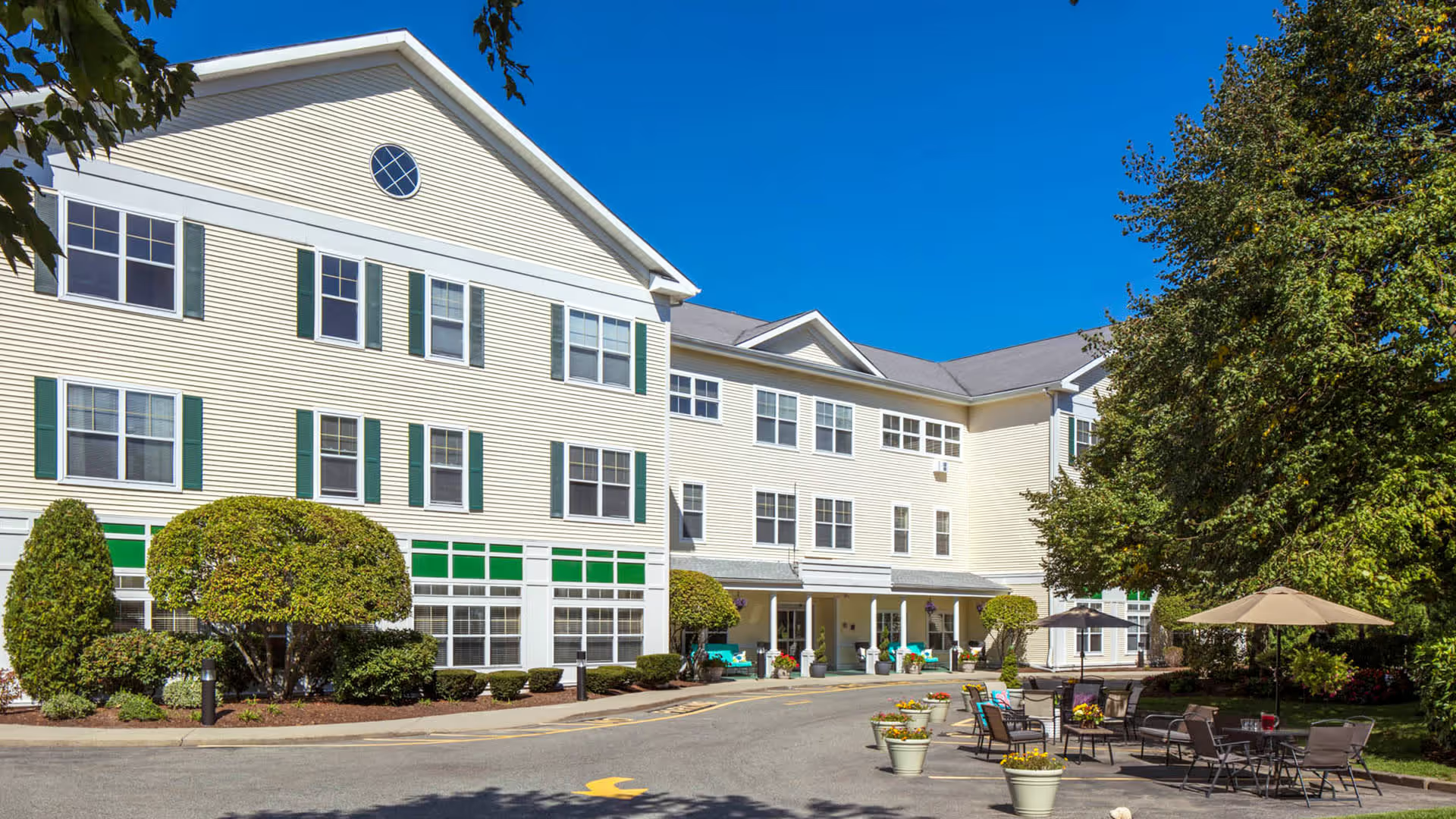
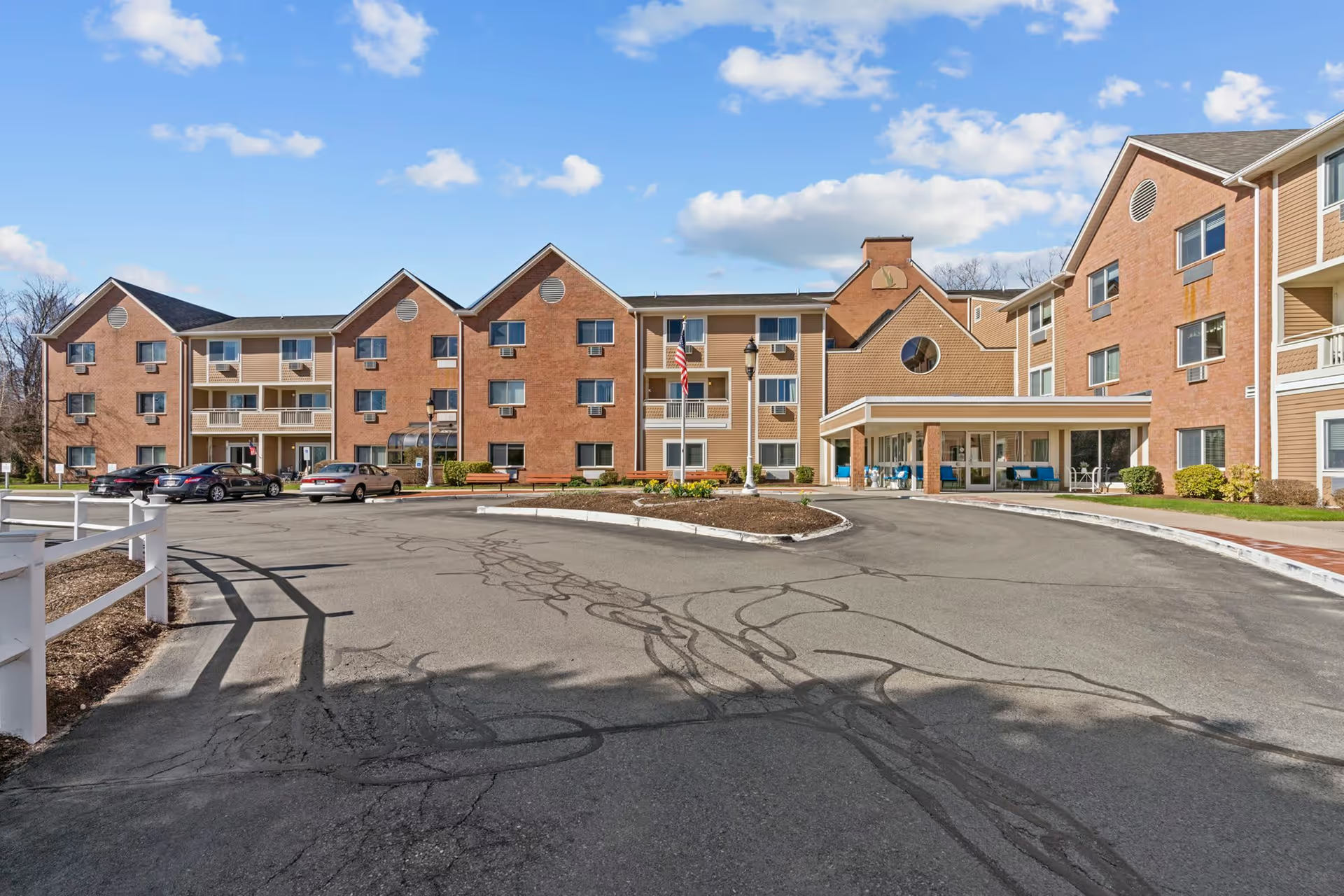
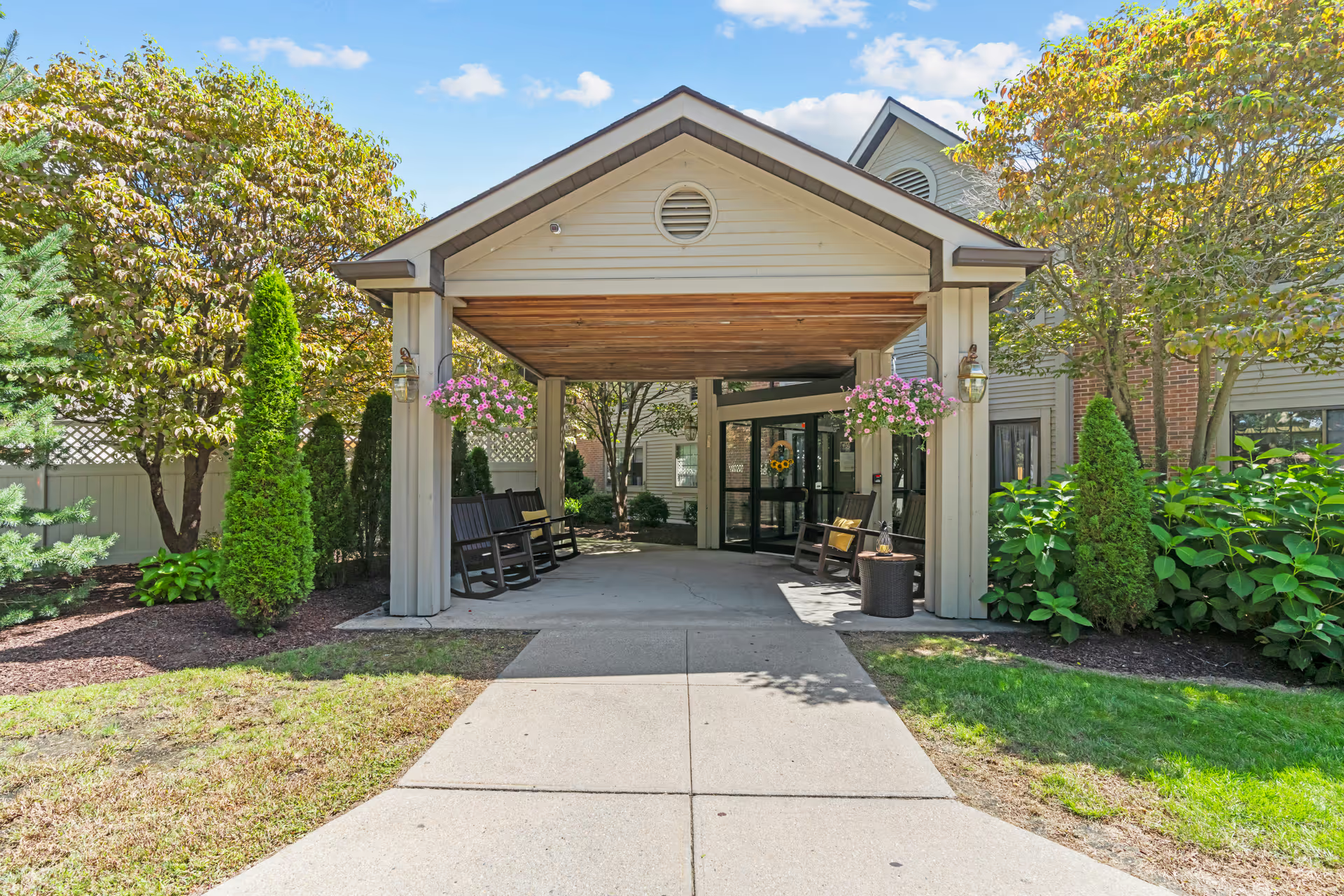
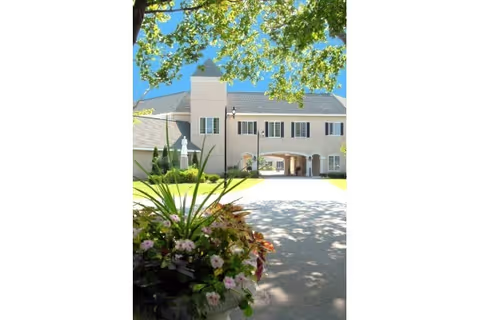
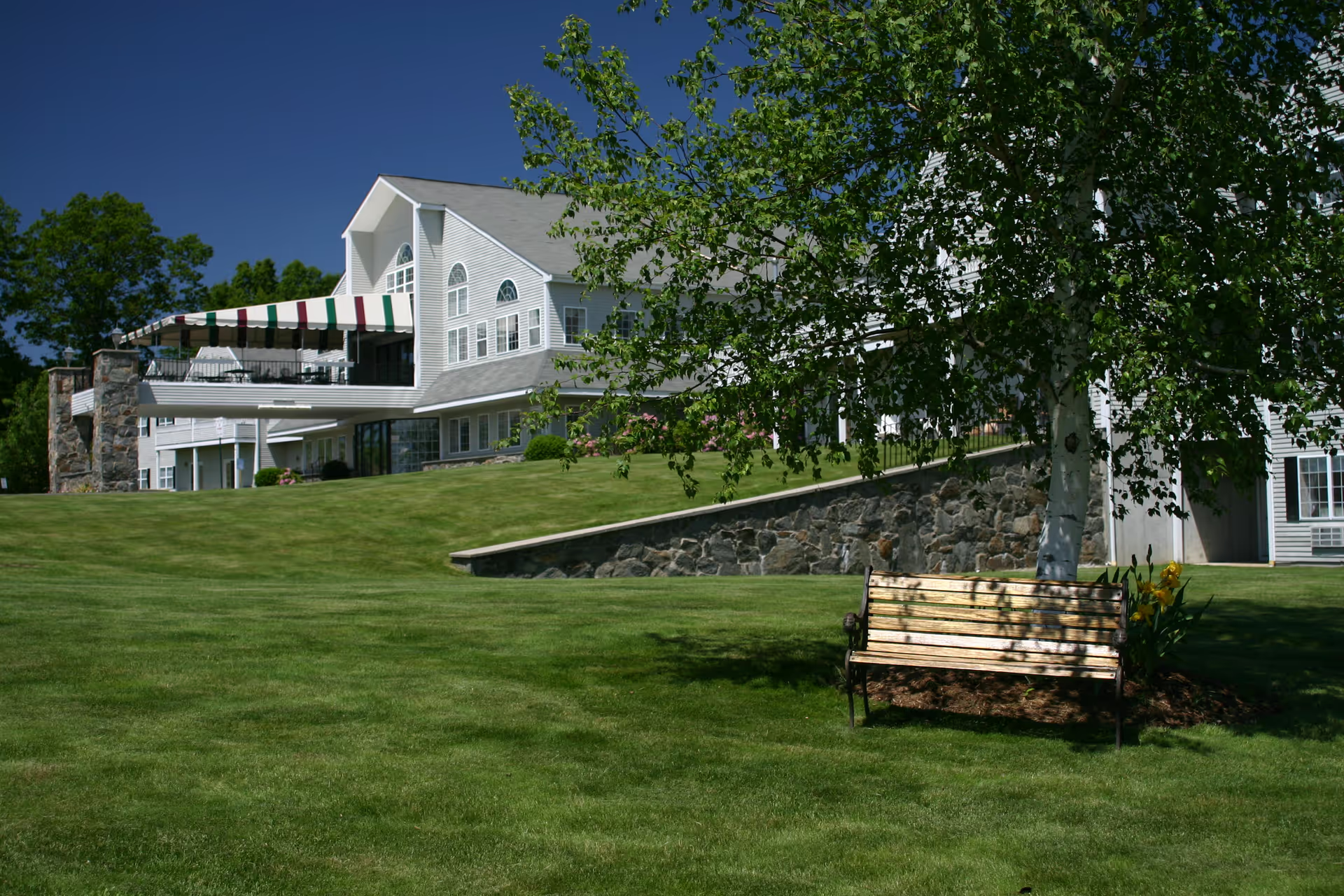
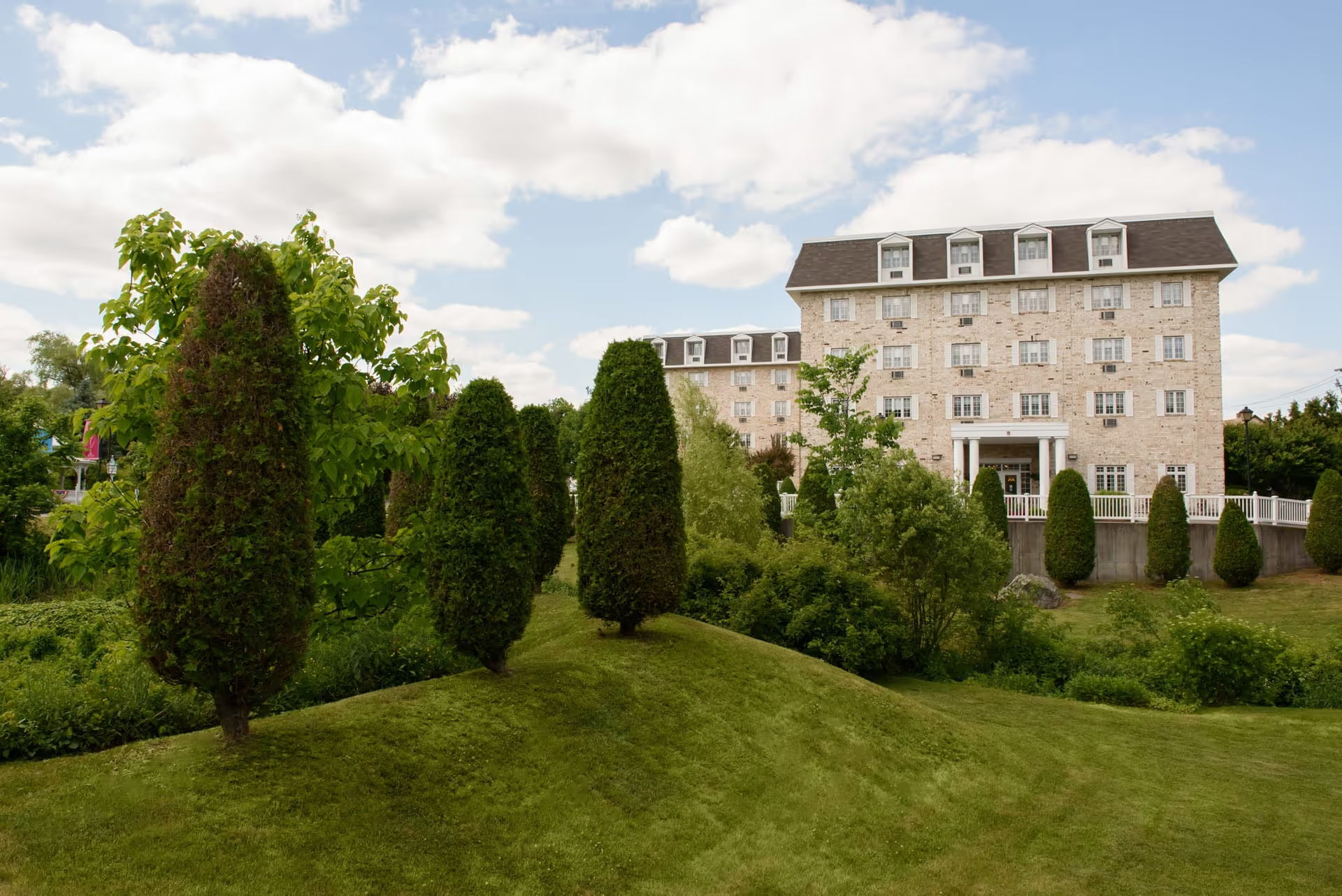
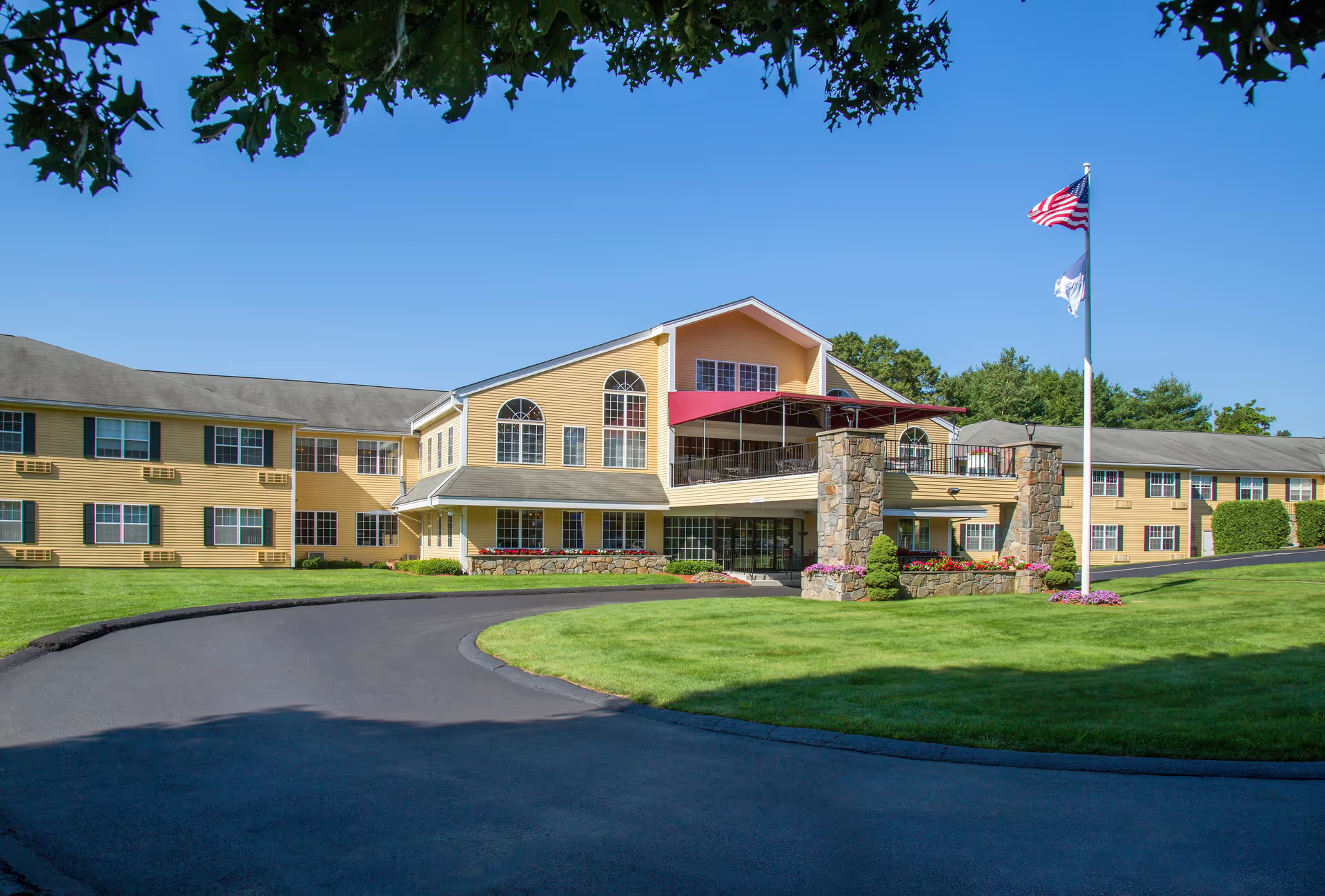
The physical environment is another clear positive. The building and apartments are repeatedly described as bright, clean, and well maintained, with home-like finishes, walk-in bathrooms, secured outdoor areas, and a layout designed for memory care (separate units/household model). Maintenance responsiveness and infection-control practices (for example, during COVID) have been highlighted as effective. Culinary offerings receive mixed but often favorable feedback: many reviewers report chef-prepared, customizable meals and special touches such as baked goods and holiday programming, though food quality is not uniformly praised.
Programming and daily life are strong selling points. The activities calendar is broad and dementia-appropriate, including art therapy, pet therapy, exercise classes (chair yoga, Barre and Balance, Tai Chi), live music, holiday harpists, crafts, outings, and family-oriented events. Staff are noted for encouraging participation, providing meaningful engagement, and supporting caregiver education and family events. The community also provides supportive end-of-life coordination and hospice-friendly care when needed.
Areas for prospective residents and families to weigh include a set of operational inconsistencies that recur across reviews. Staffing levels and shift consistency are cited as uneven at times, which can affect activity participation, weekend housekeeping frequency, and overall continuity of care. A subset of comments points to variable staff conduct and professionalism, including boundary or communication issues during busy periods; this is best understood as uneven culture and training application rather than the prevailing norm. Clinical handoffs and medication transitions—especially around hospital changes—have produced setbacks for some residents, indicating opportunities to strengthen pharmacy/medical coordination and transition protocols. Safety-process adherence and fall-prevention practices were raised as concerns in isolated cases and suggest a need for consistent application of safety checks and incident response.
Finally, financial and management topics appear as considerations. The community projects a premium, well-appointed product; some families find the pricing consistent with that level but note that not all costs felt inclusive and that annual rent increases have been a financial burden. A few reviewers also described variability in administrative responsiveness, while many others praised specific leaders for being communicative and supportive. Overall, Lighthouse at Lincoln presents as a well-appointed, dementia-specialized community with strong programming and a compassionate staff core; families should tour, discuss staffing patterns and clinical-transition protocols, and review contract/pricing terms to confirm alignment with their expectations and needs.