Smithfield Woods generates a largely mixed but strongly polarized picture: many families and visitors describe a warm, home-like community with engaged staff, active programming, and attractive apartment options, while recurring operational concerns center on staffing consistency, housekeeping, and service reliability.
Care and staff: A dominant strength across reviews is the caregiving culture. Long-tenured employees, approachable nurses and CNAs, and staff who know residents by name are frequently cited as contributing to a compassionate environment. Several reviewers highlight excellent personal care, attentive one-on-one interactions, and strong rehabilitation supports when needed. At the same time, a recurring operational pattern is inconsistent staffing levels and periodic reliance on temporary or agency staff. This has been linked by families to delays in assistance, uneven delivery of paid supplemental care, and occasional lapses in medication timing or administration. Overall, the community demonstrates pockets of strong clinical practice combined with variability in response times and continuity of care.
Dining and food service: Dining receives mixed feedback. Many visitors praise portions of the kitchen operation—descriptions include restaurant-style service, accommodating servers, and memorable special meals—while other accounts point to inconsistent food quality, limited menu choices (often two entrees), rushed meal periods, and errors related to dietary restrictions or allergies. These patterns suggest a capable dining team but an operational model that can struggle with customization, consistency, and meal-service pacing during peak periods.
Activities and social life: Activity programming is a standout area. The community offers a broad schedule (music programs, live entertainment, arts and crafts, exercise classes, bingo, scenic bus trips, and special events) that many residents find engaging. Families report high levels of resident participation, strong music and social programming, and regular offsite outings. Some reviewers note that less-mobile residents or those with higher care needs may have more limited access to certain activities, indicating variation in program reach.
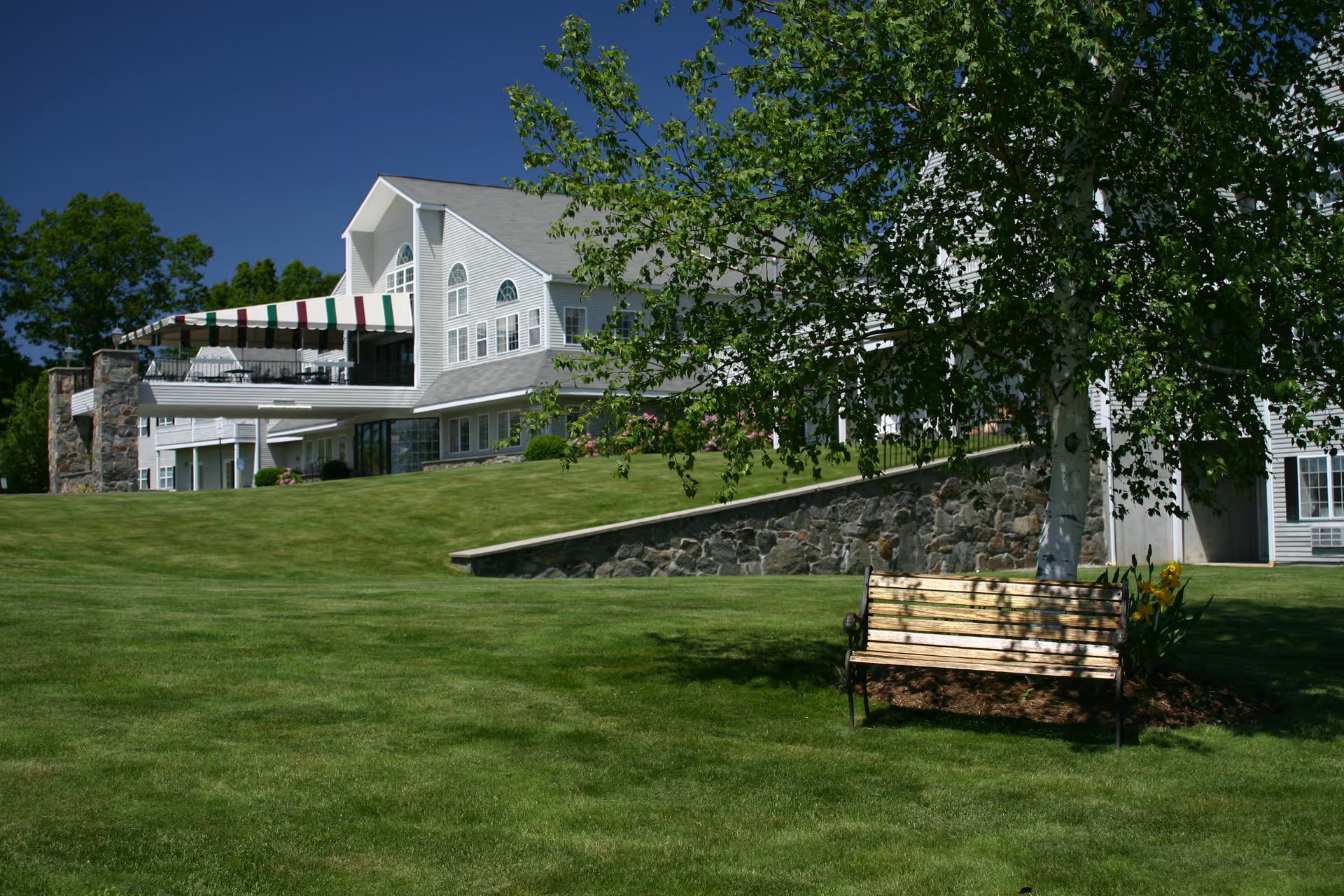
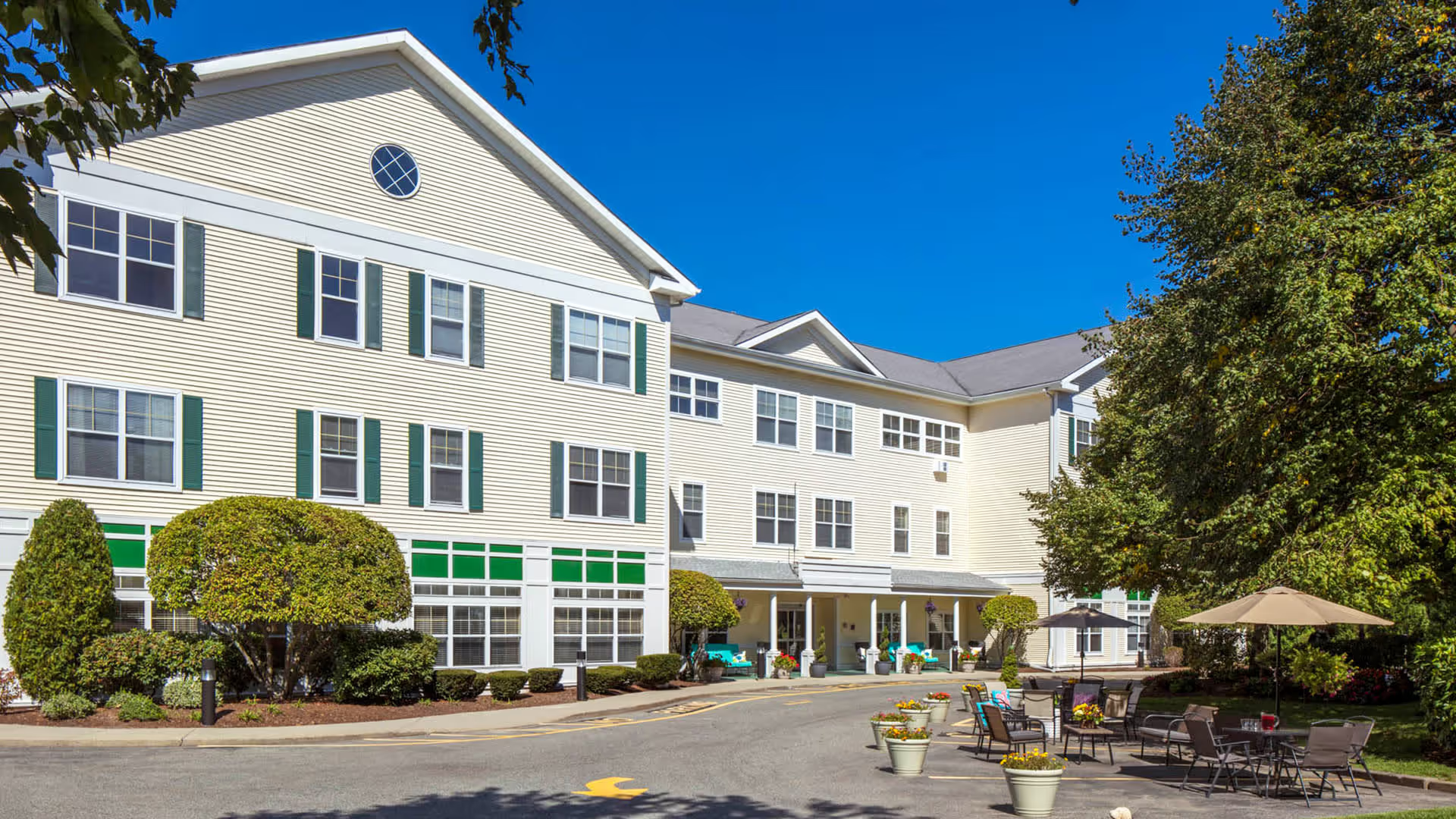
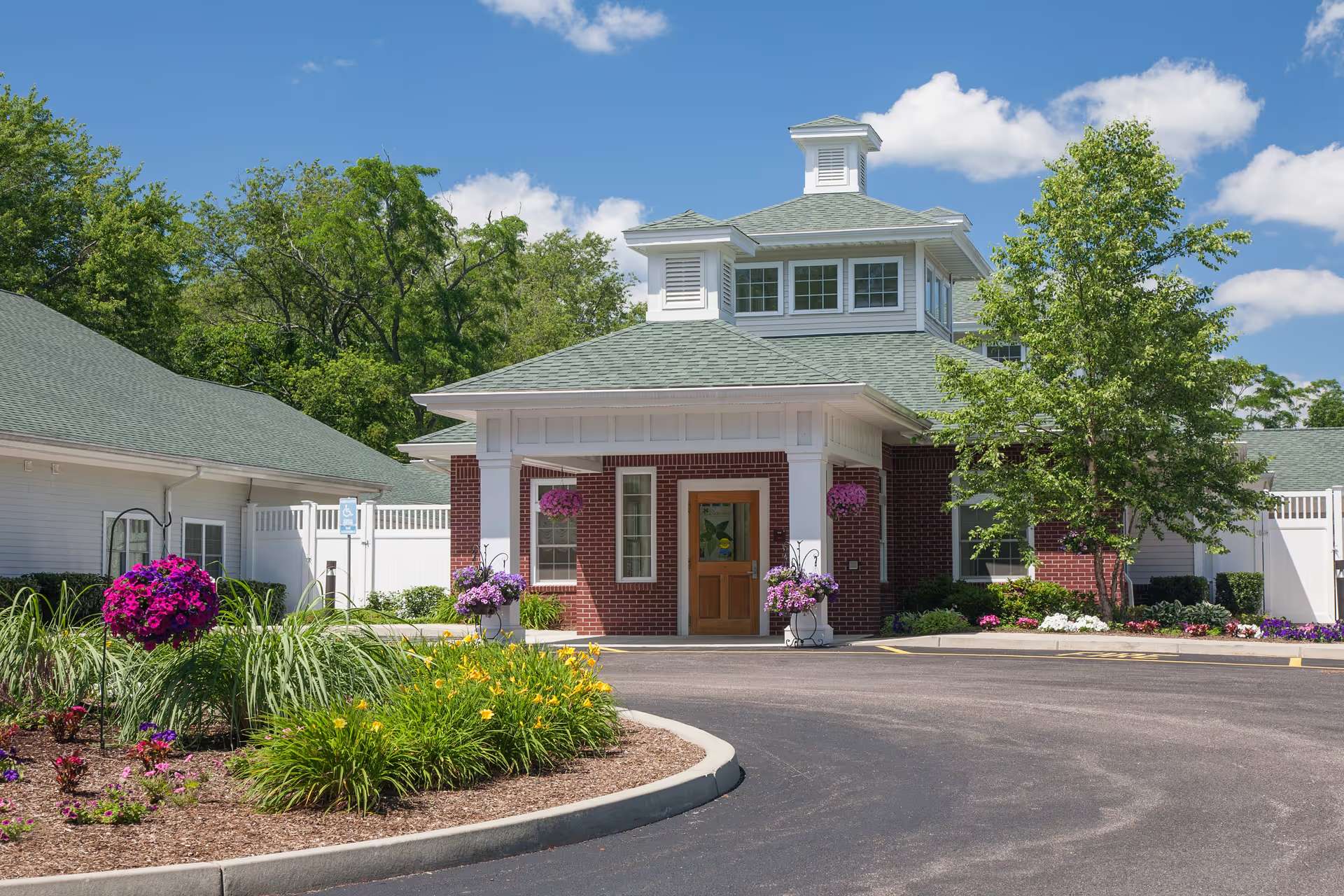
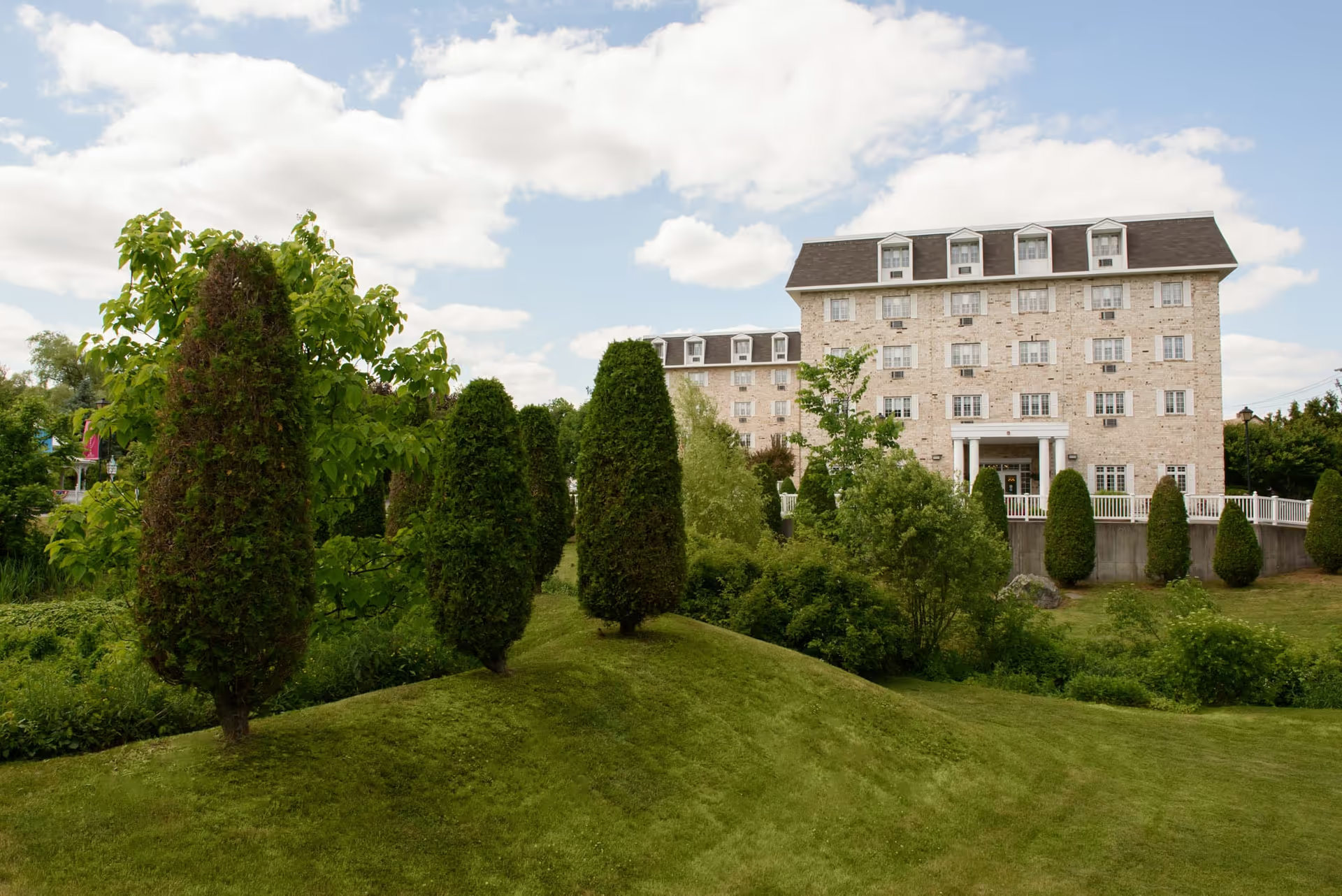
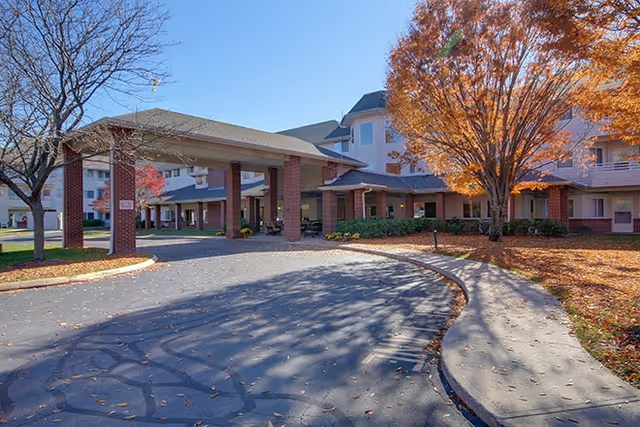
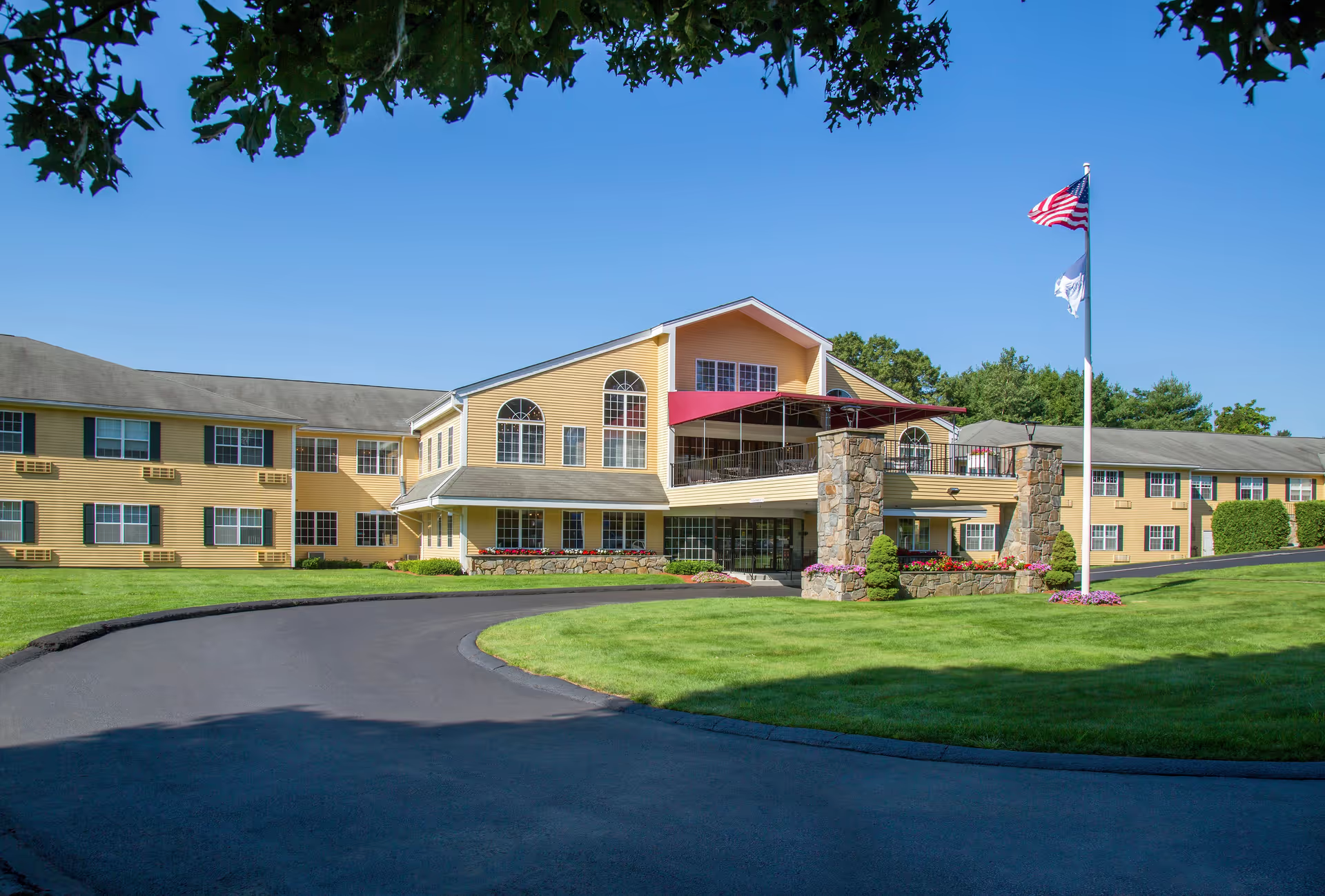
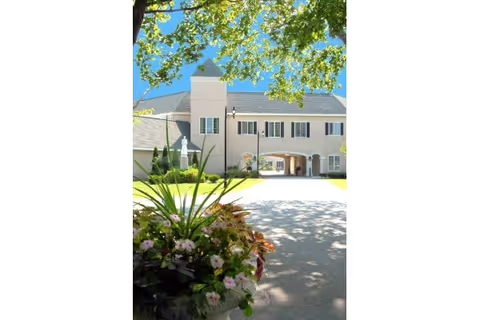
Facilities and accessibility: Physical plant strengths include recent renovations in parts of the building, bright dining rooms, generously sized apartments and studios, and accessibility features such as handicap showers and grab rails. The campus setting and outdoor areas are appreciated. Conversely, several reviews raise sanitation and cleanliness concerns in specific areas (dust accumulation, inconsistent room upkeep), and ongoing construction contributes to an uneven experience across units. Some units are described as darker or less welcoming, and a few families noted limited handicapped accessibility in particular rooms, suggesting variability across the physical inventory.
Management and operations: Management impressions are mixed. Positive comments call out visible, engaged leadership, an open-door policy, and staff who communicate proactively with families. The Executive Director received direct praise from multiple sources. Other reviews describe inconsistent administrative responsiveness, long wait times to reach managers, unclear billing or charge practices, and reductions in scheduled caregiver hours. These contrasts indicate that administrative performance may depend on timing, staffing levels, or personnel changes.
Notable patterns and considerations: The most salient pattern is high variability—many reviewers report excellent, personalized care and a lively social environment, while a meaningful subset describe operational breakdowns tied to staffing, housekeeping, meal consistency, medication timing, and administrative follow-through. This produces uneven experiences between residents and across time.
For prospective residents and families, relevant questions to ask during a tour include current staffing ratios (day/evening/night and weekend coverage), agency-staff usage, medication-administration protocols, allergy and special-diet handling, housekeeping and laundry schedules, what services are included in the contract versus billed separately, and how the community supports participation in activities for residents with limited mobility. Observing a mealtime, reviewing recent quality records if available, and speaking with families of current residents in the intended unit can help clarify how consistently the community delivers on the strengths described in many reviews.