Overall impression: Briarcliffe Gardens Memory Care Assisted Living is frequently described as a facility with strong dementia expertise and a highly compassionate front line. Many families highlight the warmth and professionalism of caregiving staff, individualized care plans, and attentive nursing coordination. Positive end-of-life experiences and examples of peaceful transitions were also described, reflecting strengths in comfort-focused care and clinical communication during critical moments.
Care and staff: Reviewers consistently praise the caregiving team's knowledge of dementia care, frequent clinical updates, and open family communication. Specific staff roles — nurses, care coordinators, and activities personnel — receive favorable mention for responsiveness, while some families credit the owners and leadership for explaining care philosophy and design. At the same time, accounts indicate variability in staffing levels and supervision: periods of understaffing, high resident-to-staff ratios, and inconsistencies in staff conduct and responsiveness have been described. These operational issues are associated with delayed responses to call signals and lapses in timely assistance for personal care needs.
Dining and activities: Dining is generally viewed positively, with many families noting home-style meals, appealing aromas, and food tailored to resident preferences. The programmatic calendar appears robust, with emphasis on music, arts and crafts, games, exercise, and social dining — elements that support engagement and social inclusion. A few reviewers however raised concerns about meal monitoring and feeding practices, suggesting that supervision during mealtimes may be inconsistent in some situations.
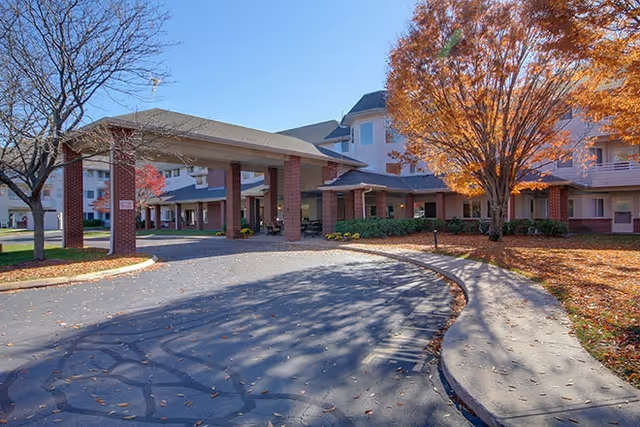
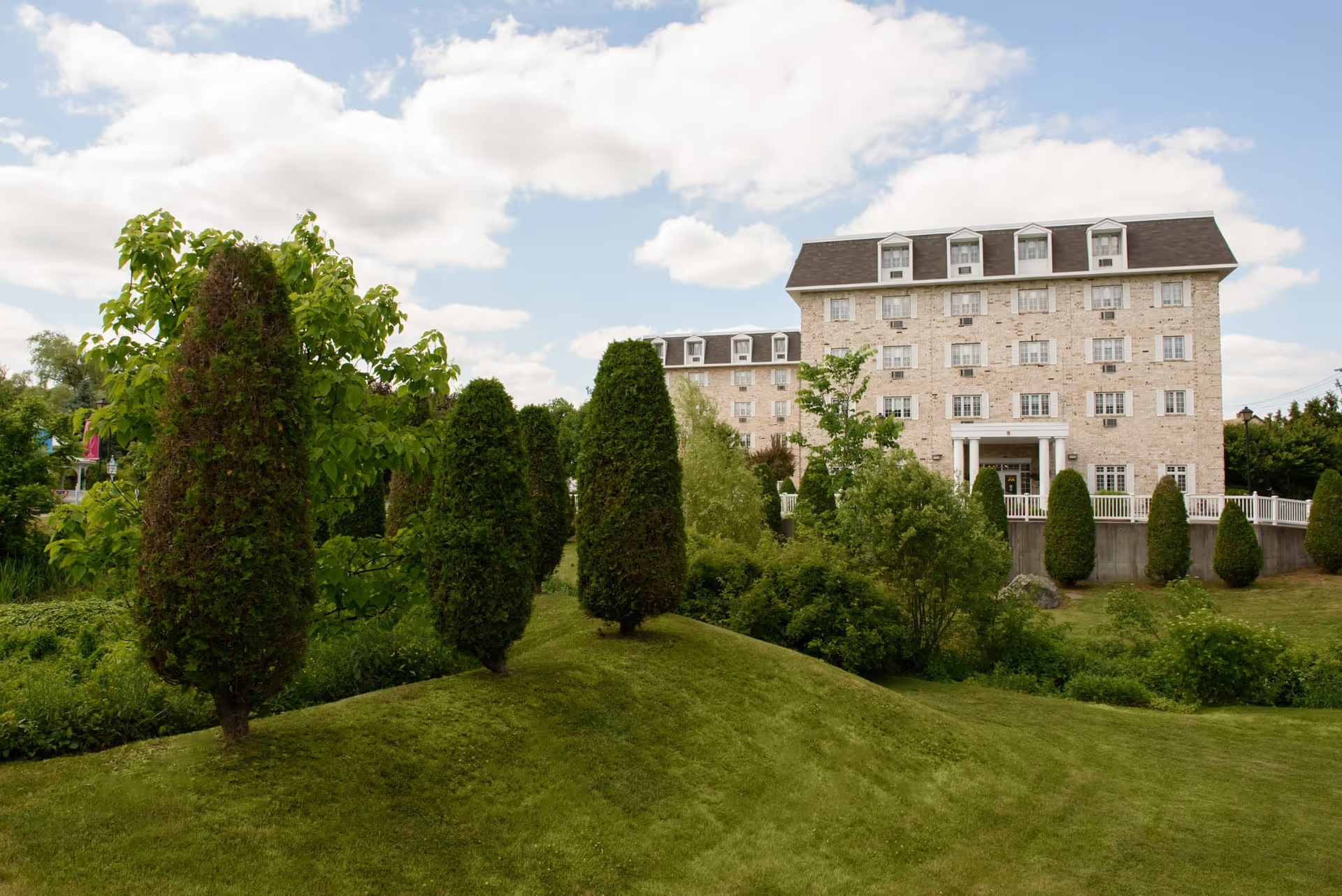
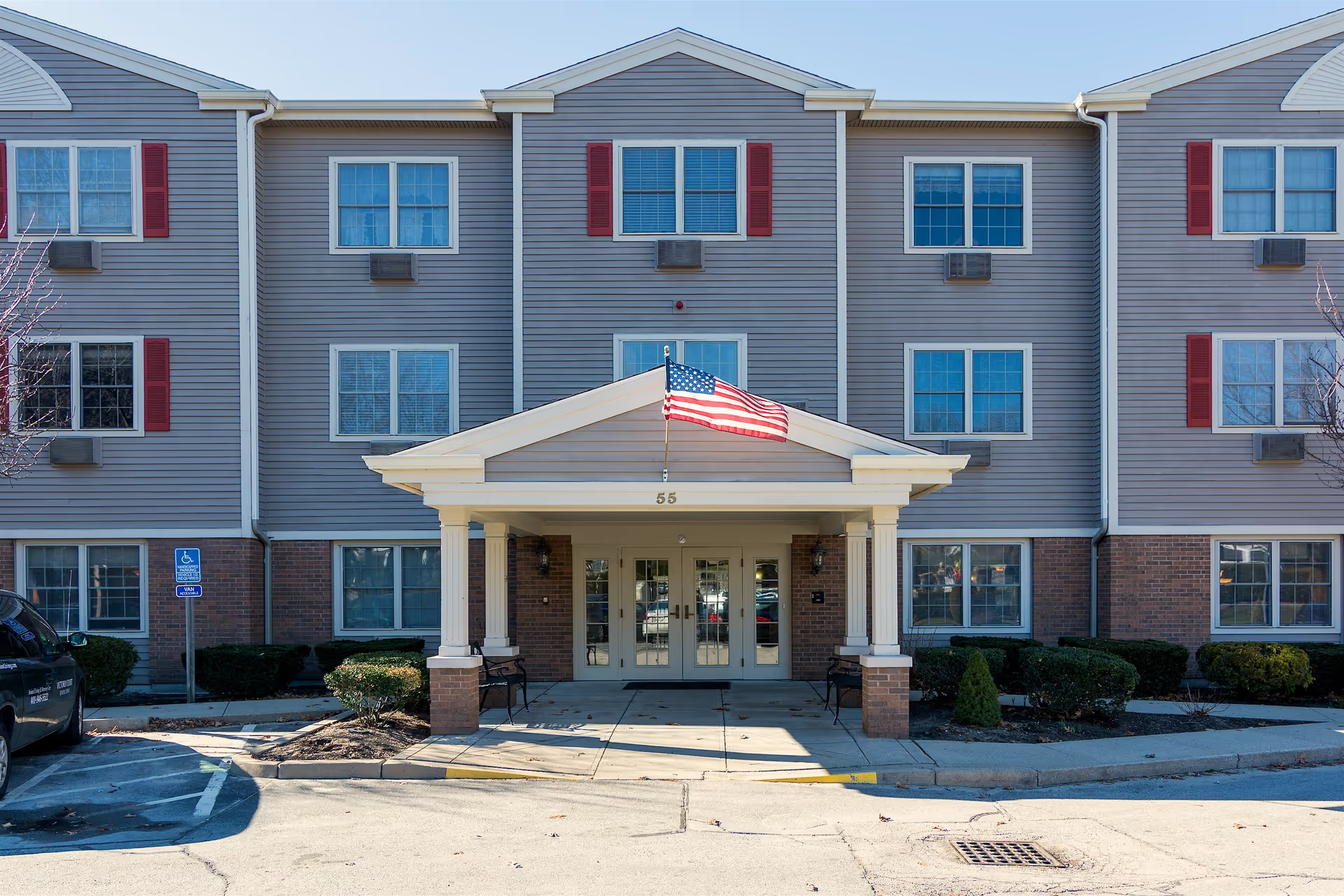
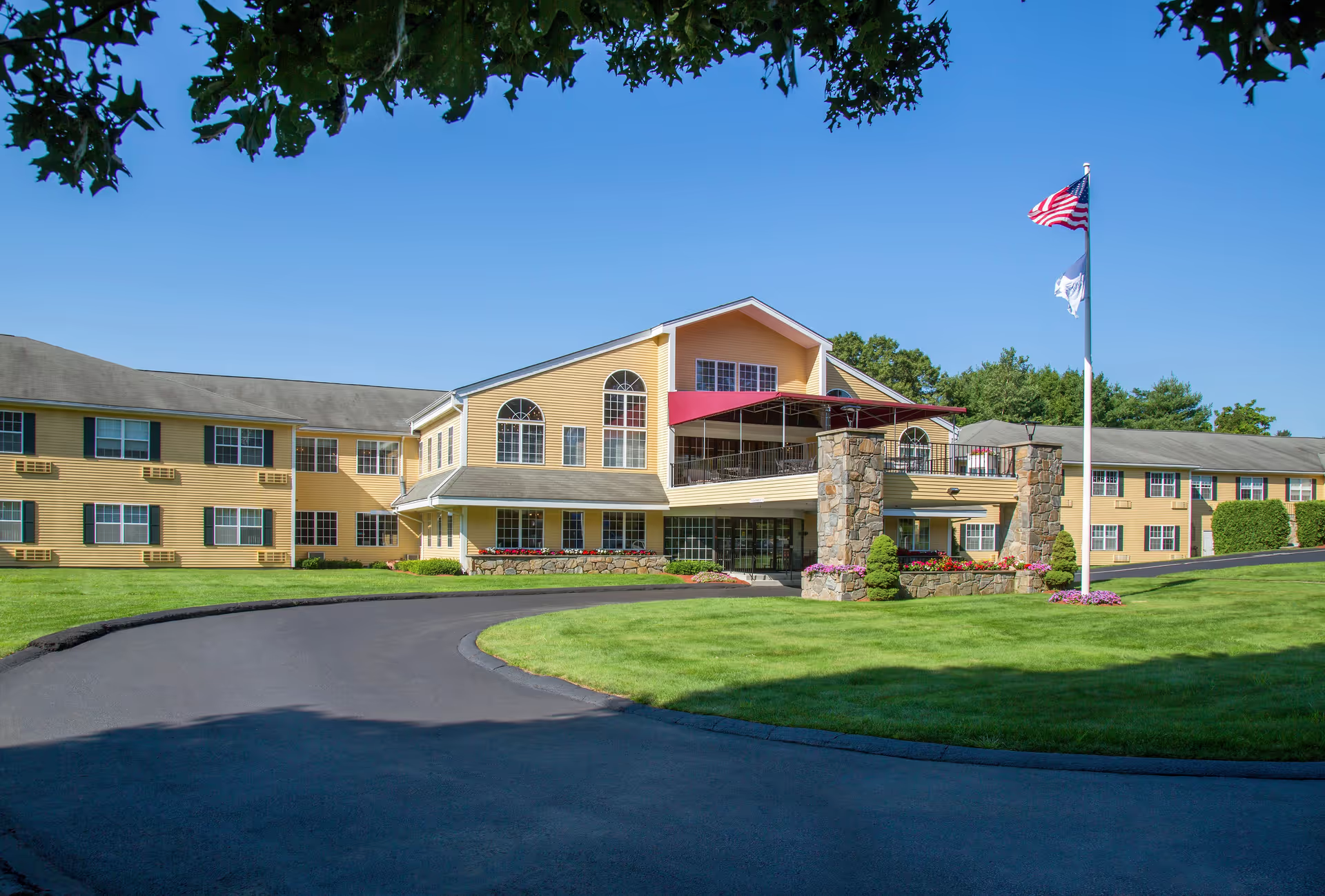
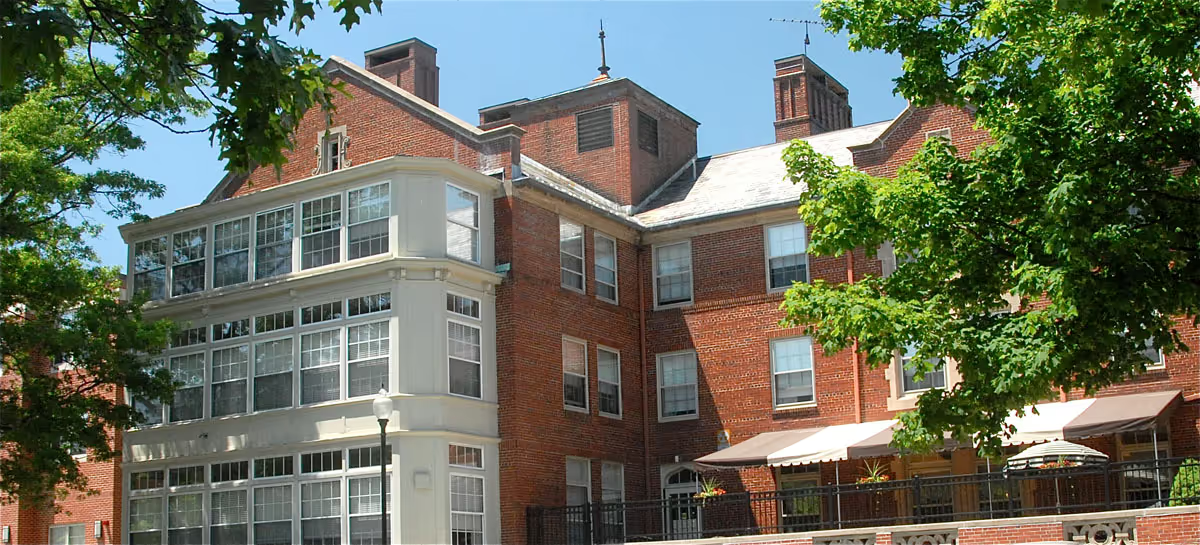
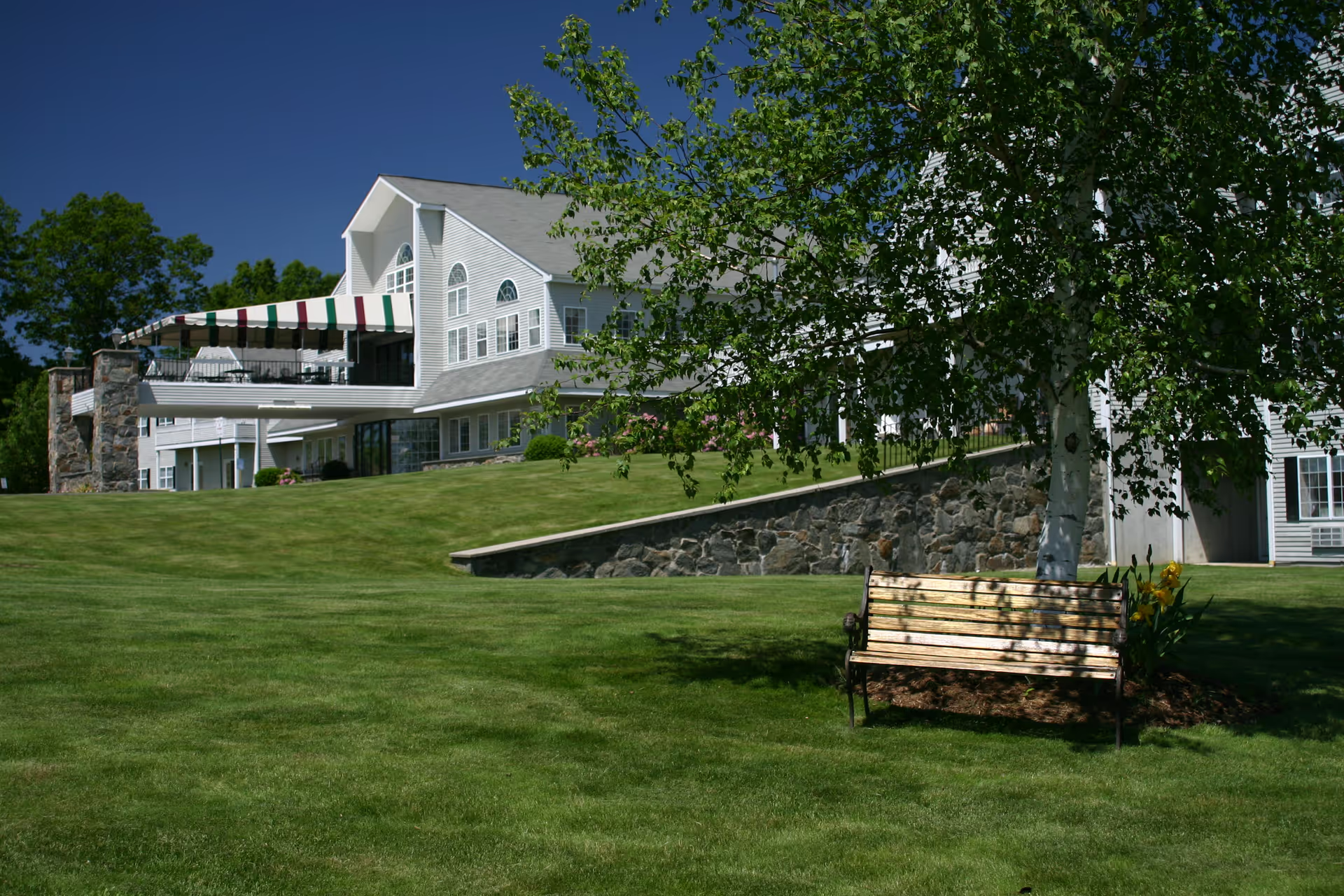
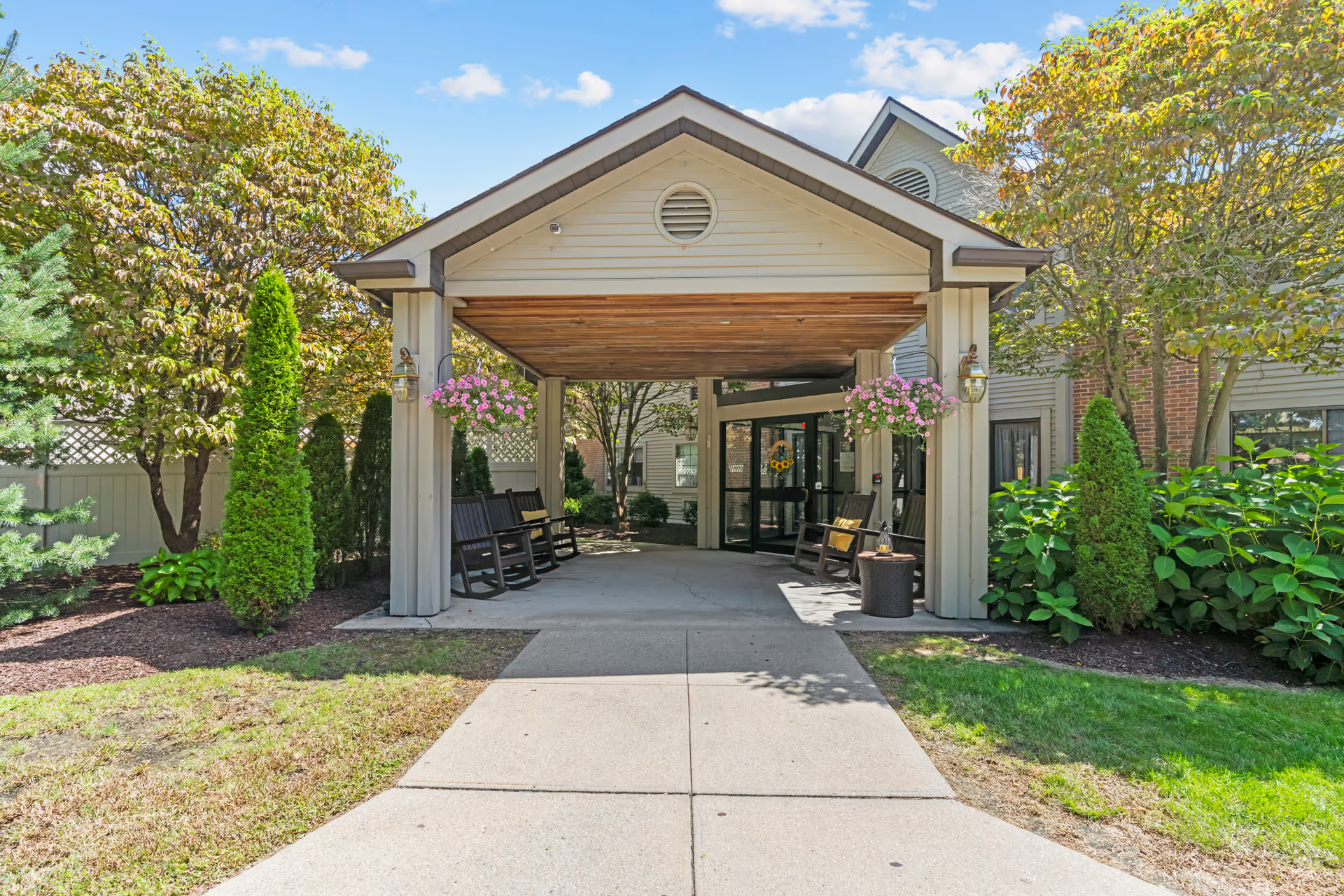
Facilities and environment: The facility is often described as bright, well-maintained, and home-like — features include natural light, skylights, sunrooms, private rooms, well-appointed common areas, and a landscaped outdoor garden. The campus layout with separate buildings by level of care and dog-friendly grounds is appreciated for its scale and accessibility. Conversely, some units (notably certain rehab areas) are called out for cleanliness and odor-control issues and for weaker maintenance performance; reviewers mentioned equipment or repair delays and occasional facility-level sanitation concerns.
Management, admissions, and transparency: Many families report helpful, compassionate guidance through placement and steady communication afterward. Positive impressions of value and competitive pricing were recorded. Areas for improvement include admissions and sales communication, where some families found the process unhelpful, and perceived discrepancies between marketing claims and actual experiences in specific units. Additionally, several accounts point to gaps in staff supervision and accountability that management may need to address to ensure consistent service across all shifts and units.
Notable patterns and recommendations: The dominant pattern is one of strong, dementia-informed caregiving and an engaging activity program combined with a campus that many families find attractive and comfortable. However, operational inconsistencies — particularly staffing levels, call-response times, supervision, unit-to-unit quality variation, and maintenance responsiveness — recur often enough to merit attention. Prospective residents and families would benefit from asking targeted questions at tour and contract time about staffing ratios by shift, call-bell response targets, unit-specific cleanliness protocols, mealtime supervision practices, and how management tracks and resolves complaints or deviations from promised services.