Overall impression: Westerly Rehabilitation & Healthcare Center elicits strongly mixed feedback. Many families and visitors describe consistently positive experiences — notably compassionate nursing and CNA care, strong rehabilitation outcomes, an active activities program, and a clean, recently updated physical environment. At the same time, a cluster of serious operational concerns appears in a subset of accounts; these concerns concentrate on clinical oversight, unit-level supervision, medication handling, and administrative responsiveness.
Care and staff: A recurring strength is the direct care team. Nurses, CNAs, therapists, and social services receive frequent praise for attentiveness, professionalism, and patient-focused rehabilitation that supports safe returns home. Admissions and rehab intake processes are described as welcoming and well organized. However, several reviewers raised clinical-safety issues including avoidable hospital transfers, infections, and traumatic injuries; these reports point to inconsistent clinical oversight, variable incident-response processes, and occasional lapses in treatment timing. Families should clarify supervision ratios, fall-prevention protocols, medication administration safeguards, and communication expectations before placement.
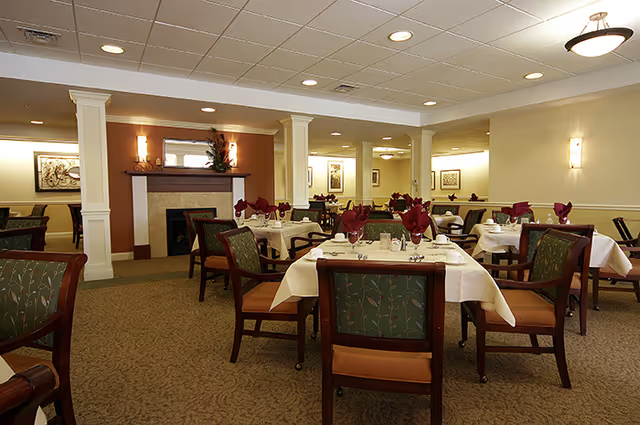
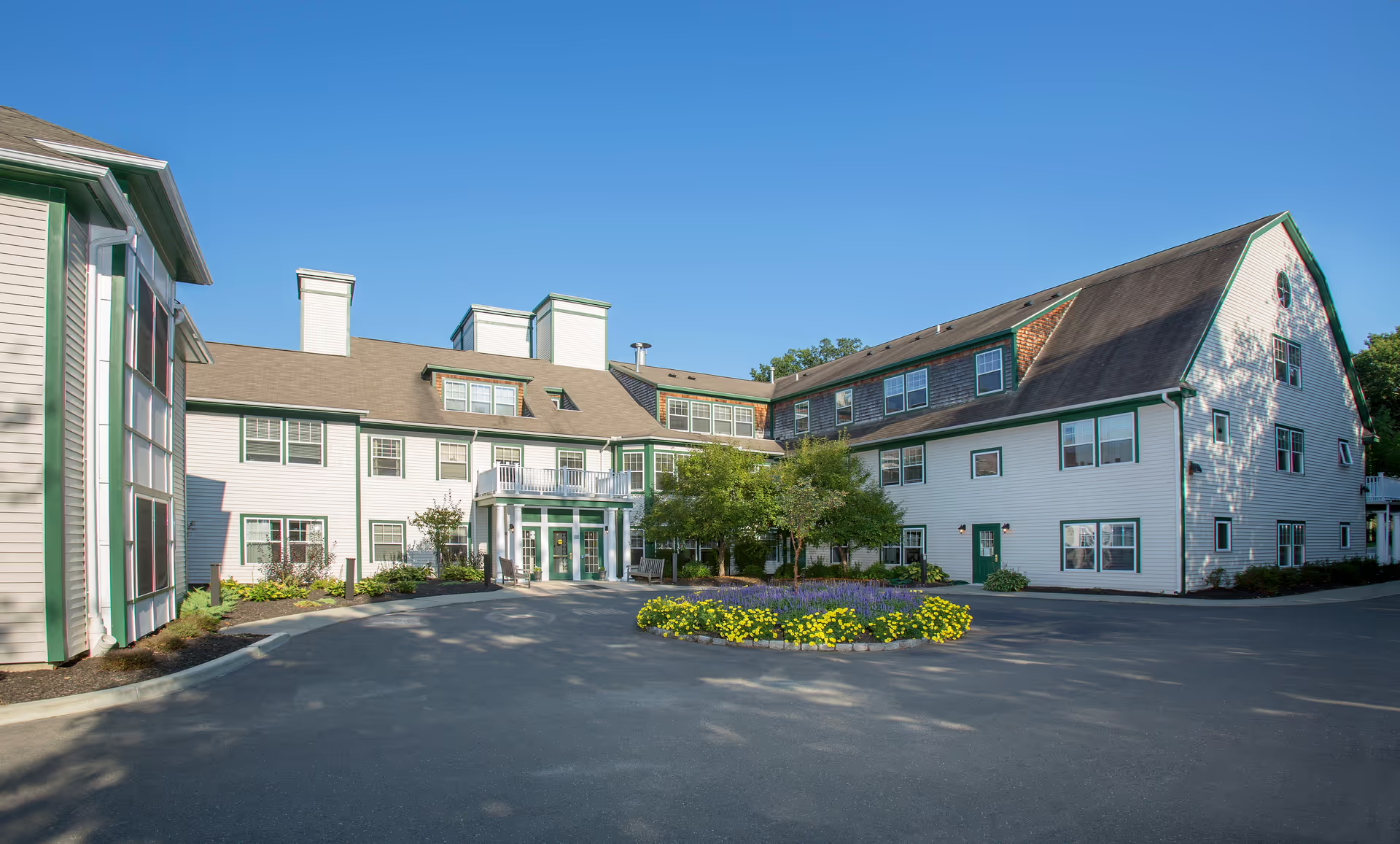
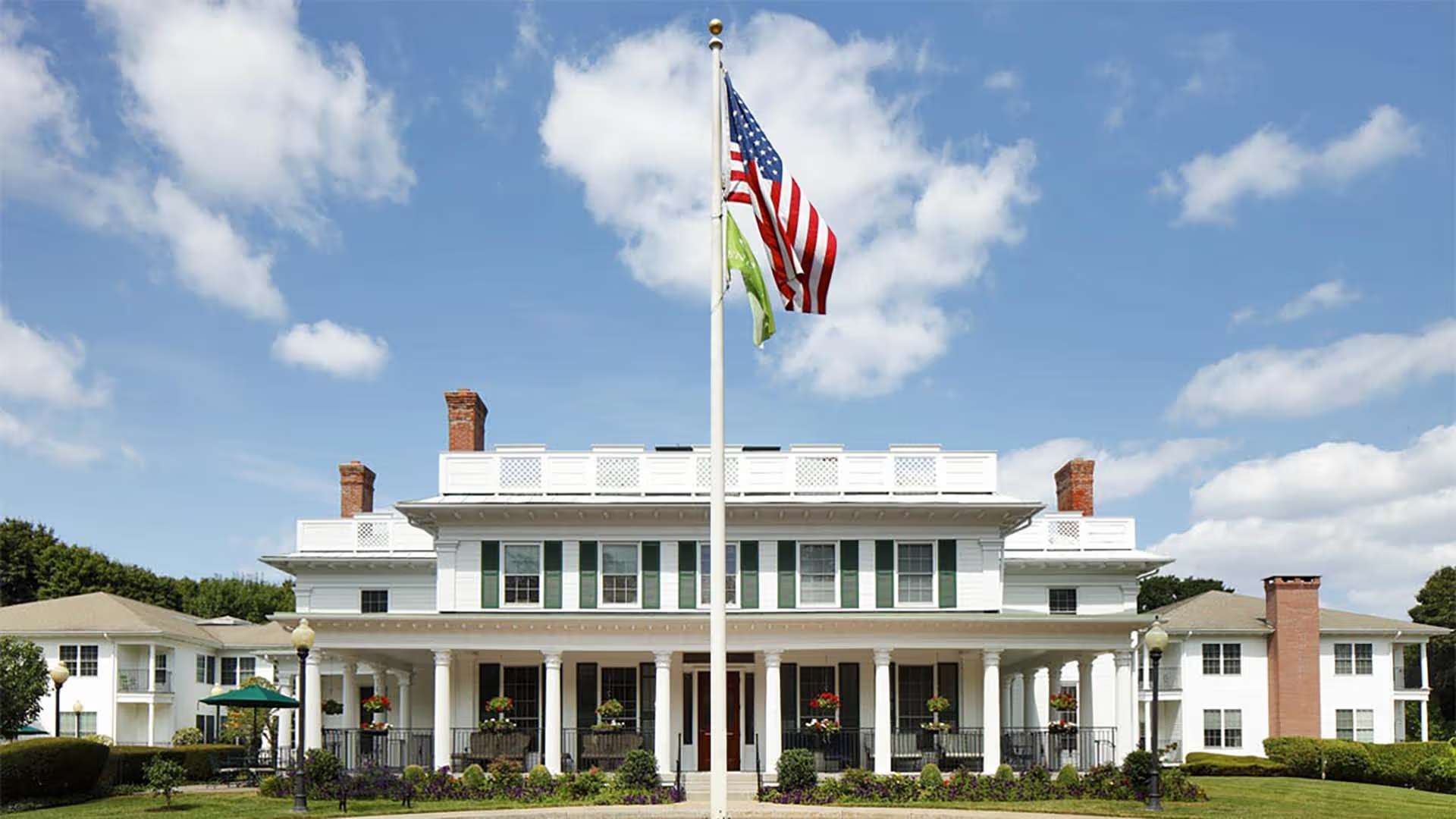
Dining, activities, and facilities: The facility scores well for its activities program and social offerings — residents are described as engaged through outings, holiday events, bingo, and specialized groups. Meals are often praised for quality and portioning, with some menu items singled out positively, though other comments describe variable food satisfaction. Physical plant feedback is generally favorable: renovated rooms, tidy common areas, and attractive grounds are noted repeatedly. Nonetheless, there are isolated sanitation and incontinence-care concerns, and at least one comment referenced pest-control issues; prospective families may wish to tour the unit(s) where the resident will live and inquire about housekeeping and pest-control schedules.
Management and operations: Human-resources practices and employee development are highlighted as strengths (sign-on incentives, continuing education, and recognition programs). Several staff-centered comments describe a supportive workplace that can benefit resident care. Conversely, a number of families report administrative unresponsiveness, inconsistent family communication, and personnel-culture issues (favoritism/nepotism and cliques) that can undermine trust. Operational deficiencies were also described around security systems (door codes and alarms), room/property handling after transitions or deaths, and prescription-control processes — including serious allegations of medication loss. These are procedural concerns that should be clarified with leadership during a tour.
Bottom line: Westerly demonstrates clear strengths in hands-on care, rehabilitation, activities, and physical upkeep, but the facility also shows operational variability that has had significant consequences for some residents. Prospective residents and their families would be well served by an in-person visit, targeted questions about supervision and medication safeguards, review of incident-communication procedures, and confirmation of documentation and consent practices before placement.