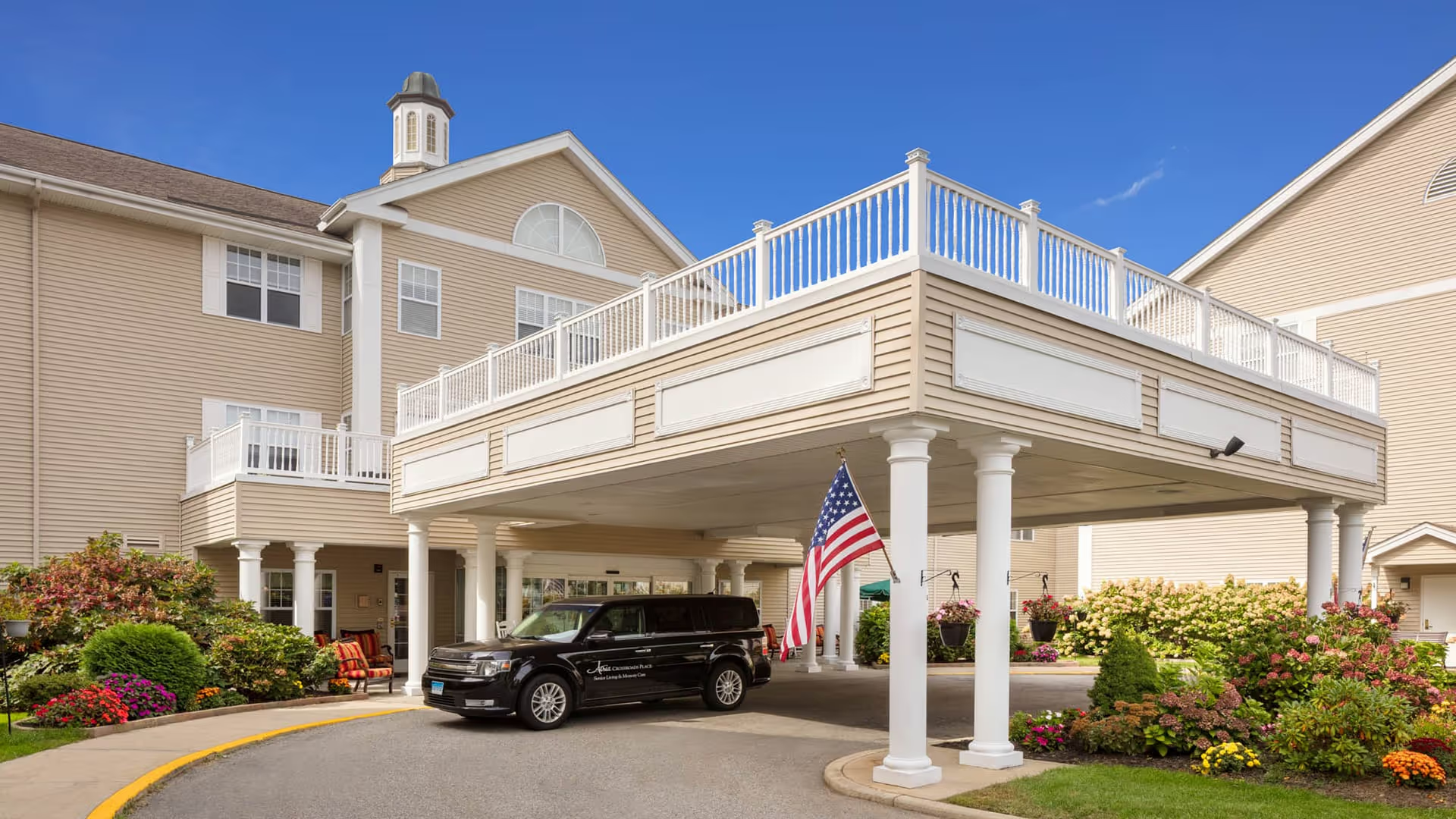
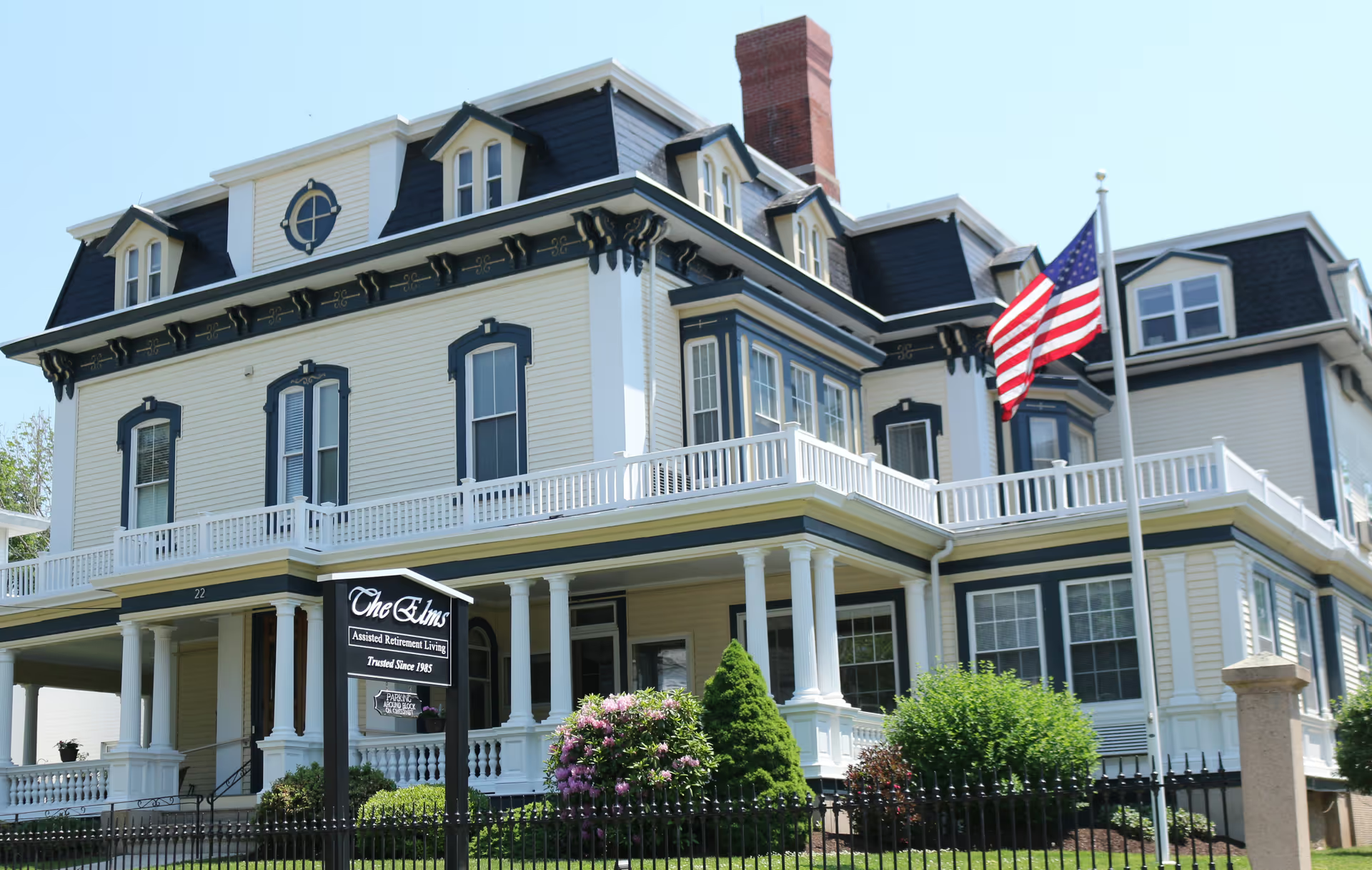
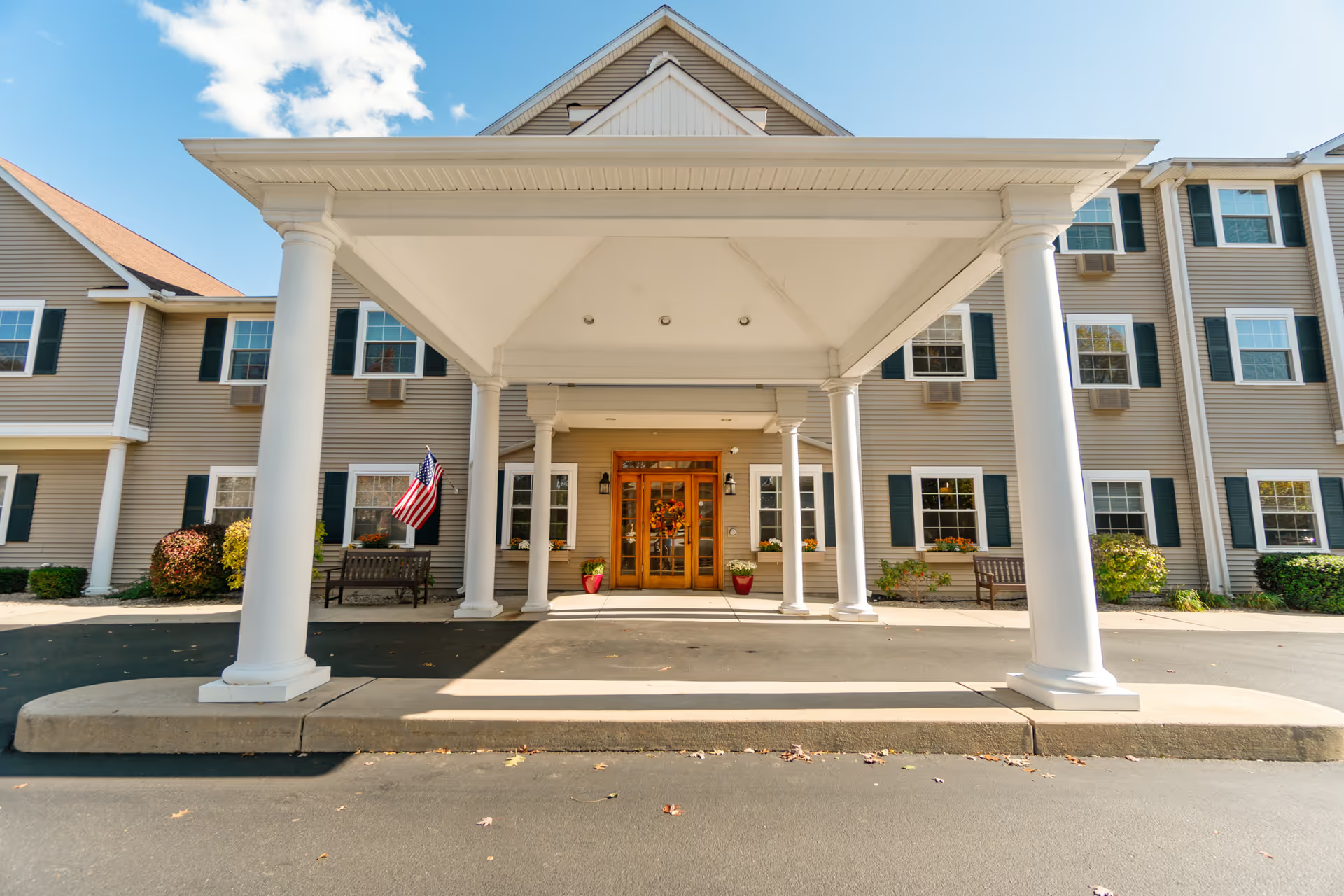
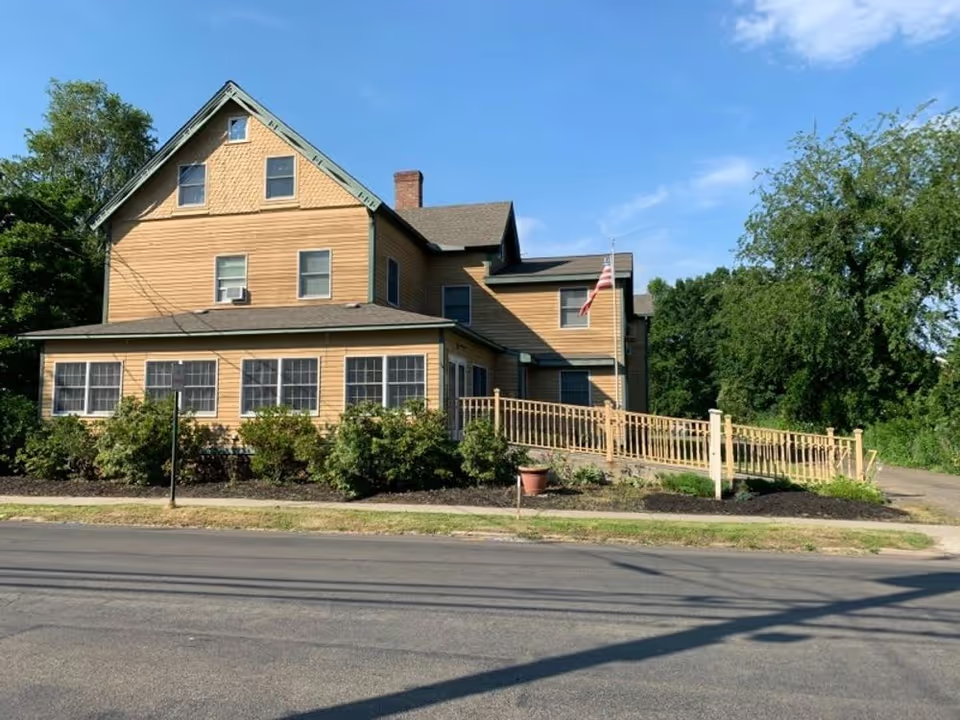
Crescent Point at Niantic presents a mixed but distinct profile: the facility is widely described as clean, recently renovated, and thoughtfully designed with hotel-like common areas, comfortable apartments, and pleasant outdoor spaces. Many families praise an attentive, caring front-line workforce, responsive dining staff, a varied restaurant-style menu, and a broad array of activities (art, music, gardening, baking, outings) that support social engagement. Several reviewers highlighted strong move-in support, helpful administration during transitions, on-site therapy services, and amenities such as an on-site salon and shuttle options.
Care quality appears variable. Positive experiences emphasize compassionate aides, engaged nurses, effective rehabilitation/occupational-therapy support, and smooth transitions for residents who require moderate assistance. However, there are substantive operational concerns related to clinical and safety practices: reviewers describe medication-management gaps and pharmacy coordination problems, issues with property handling during room moves, and instances suggesting weaknesses in emergency-response and transfer-safety processes. Memory-care programming is described positively in small-group contexts by some families, yet others note limited physical activity and declining oversight for residents with higher-acuity Alzheimer’s needs; the facility is not consistently positioned to serve residents who require skilled-nursing level care.
Staff and management themes are mixed. Many accounts praise compassionate, responsive staff and administrators who facilitate family contact and accommodate preferences. At the same time, families report inconsistent communication, variable tone and accountability among staff, and uneven experiences with night-shift coverage. These patterns translate into practical concerns: lack of transparent billing, unexplained out-of-pocket charges, and an a la carte pricing structure that can increase overall cost. Admissions and tour experiences also vary—some prospective families describe thorough, accommodating tours while others experienced differing levels of detail or admissions follow-through.
Dining and activities are strengths for many residents: the dining team is frequently described as accommodating and attentive, menus as varied, and activities as plentiful and community-oriented. Still, there are operational limits noted—early or inflexible meal times that require acclimation for some residents, and lower-intensity programming in the memory unit for individuals needing more stimulation.
For prospective families: Crescent Point at Niantic offers many features associated with a high-end assisted living community—modern facilities, active dining services, and a generally compassionate staff—but with important caveats. Key questions to pursue on a tour or during intake include: the facility’s medication-administration protocols and pharmacy relationships, RN coverage and night staffing patterns, specifics of memory-care programming and activity intensity, exact inclusive versus a la carte charges and billing practices, property-management procedures during room moves, and reliability of promised ancillary services (transportation, scheduled escorts). Doing so will help determine whether the community’s strengths align with a given resident’s clinical needs and financial expectations.