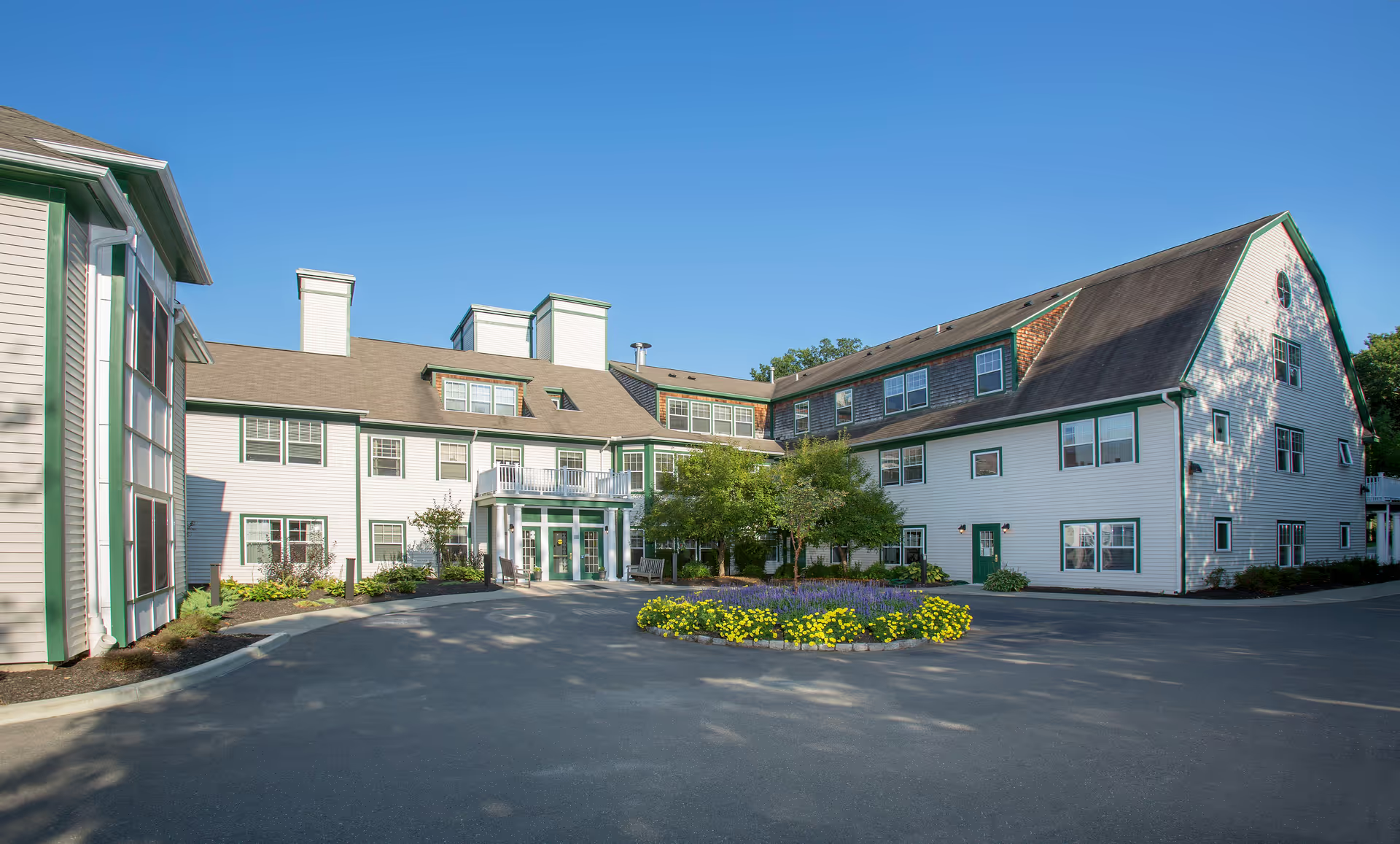
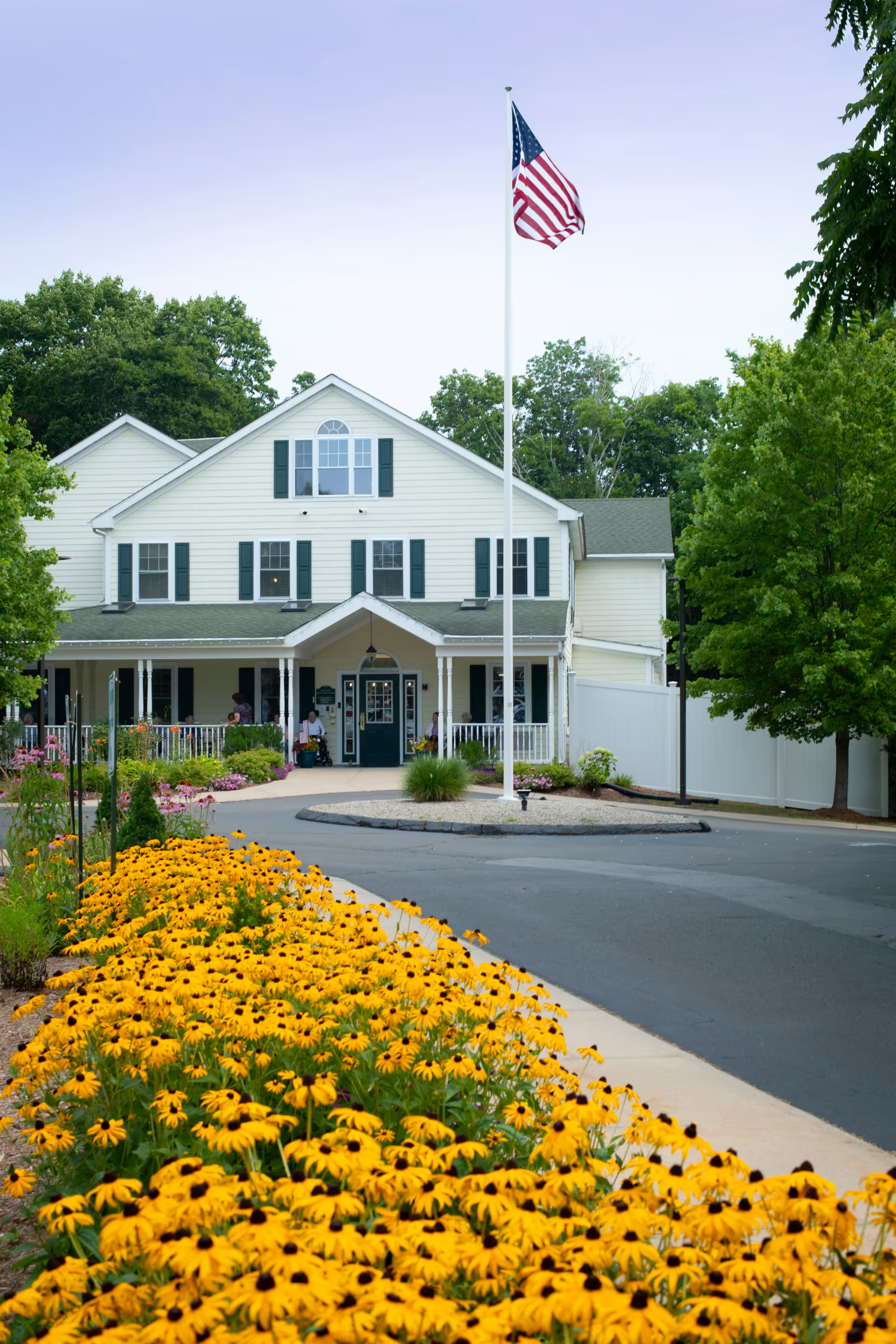
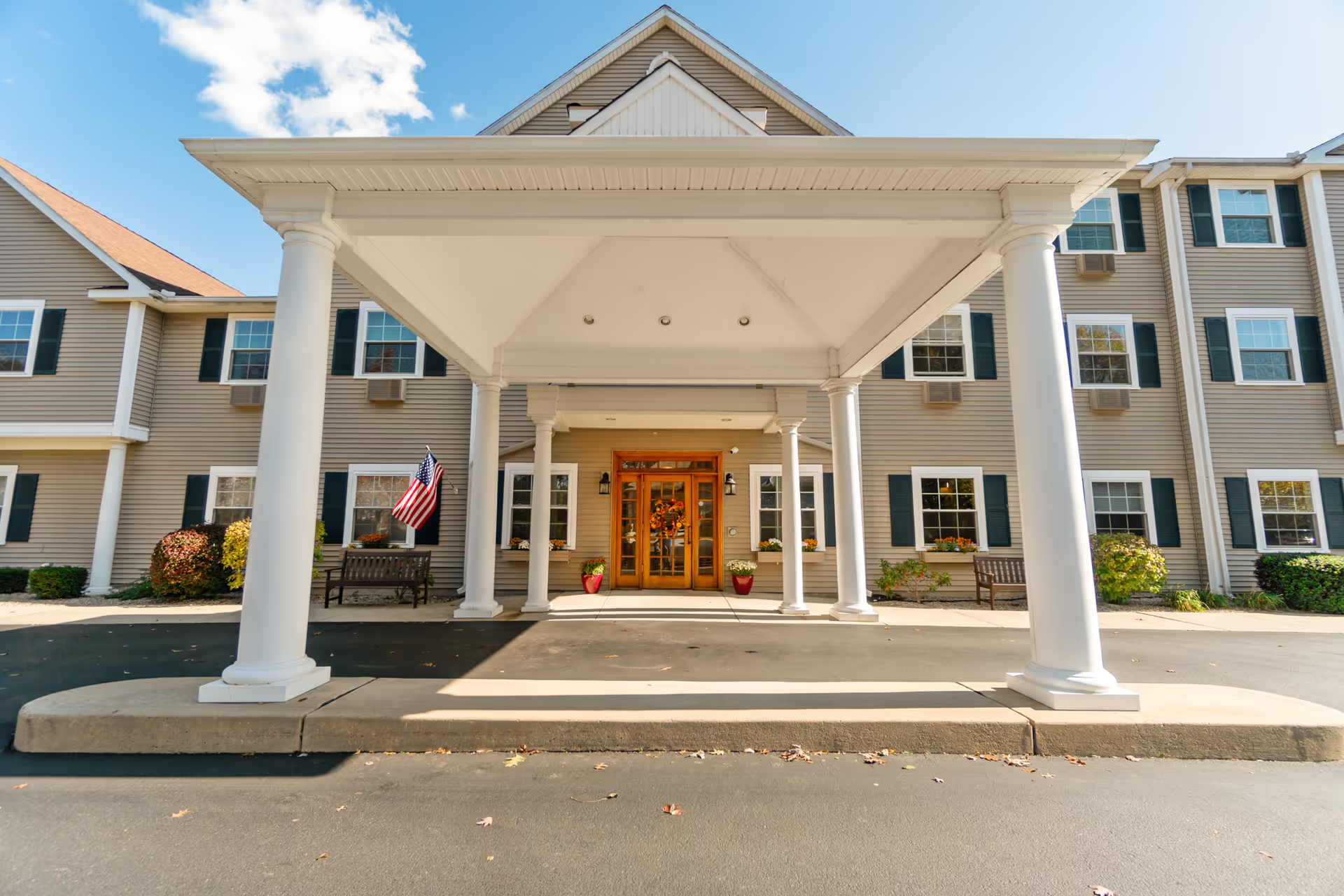
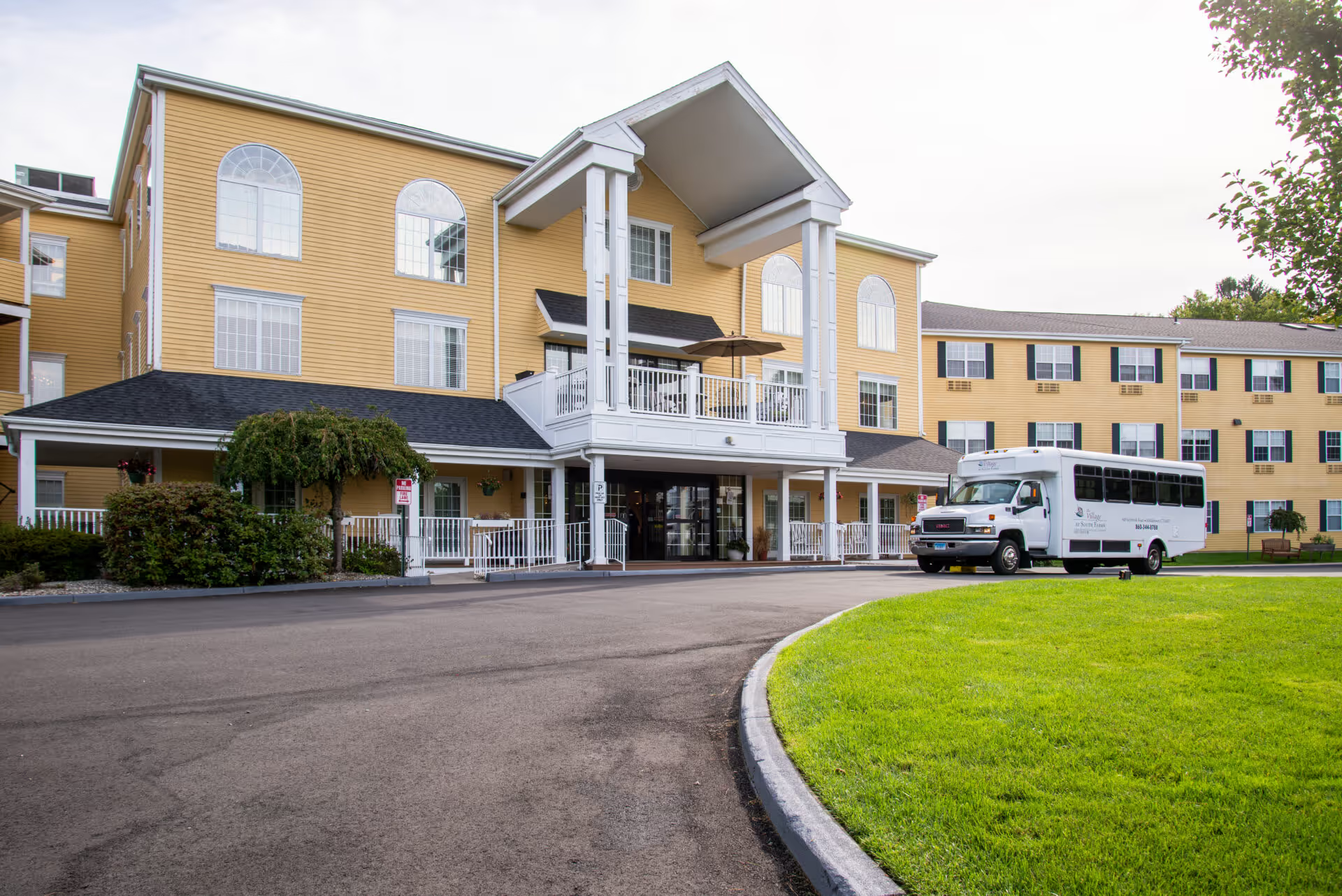
Atria Crossroads Place is described by many families as a warm, community-oriented senior living option with consistently praised frontline staff and an active social program. The facility's strengths include a welcoming, family-like atmosphere, staff who quickly learn residents' names, robust memory-care programming, and a broad calendar of activities—live music, outings, parties, exercise classes, and recurring social events are frequently cited. Dining is often highlighted as a positive feature: a restaurant-style dining room, an experienced chef, and special-event meals generate strong favorable feedback. The physical environment is generally described as clean, modern, and well maintained, with attractive common areas, courtyards, and a layout that accommodates mobility devices.
Care quality and clinical oversight present a mixed picture. Many reviewers describe attentive, compassionate caregivers and proactive wellness teams, and a visible medical director and on-call clinical support are noted as positives. At the same time, there are documented concerns about inconsistent responsiveness and clinical follow-up in certain situations. A small number of serious individual claims—including delayed emergency responses and extended waits for staff assistance—have been raised; these suggest variability in how clinical incidents are handled and warrant direct inquiry about staffing ratios, incident protocols, and hospice/advanced-care coordination during a prospective visit.
Dining and programming are strong selling points overall, but reviewers describe variability. While holiday meals, baked goods, and chef-driven menus receive praise, other comments point to uneven meal quality (burnt vegetables, menu differences from tour expectations) and specific issues in memory-care dining. Activity programming is broad and often engaging, but intensity and appropriateness of activities can vary by care level; some families felt that programming leaned toward assisted-living needs rather than independent-living enrichment in certain areas.
Facility amenities and unit characteristics are generally favorable: clean common spaces, multiple elevators, accessible design, pet policies, and a range of apartment types. That said, prospective residents should note repeated mentions of small apartment footprints, limited closet/storage space in some floor plans, occasional older sections, and ancillary-service limitations (understocked bistro, gym staffing). Location and highway noise were inconvenient for some families, and a few reviewers found certain units (basement walk-out patios or shared-bath configurations) less desirable.
Management and administrative experiences vary. Many families praise move-in help, transition support from sales and leadership staff, and proactive family communication (emails, texts, wellness outreach). Conversely, other families reported uneven administrative tone, unclear contract/fee handling, and disputes over deposits or cancellations. Cost is frequently described as relatively high; some reviews call attention to value concerns or limited acceptance of certain payment programs.
Overall pattern: the community offers strong social programming, a personable caregiving culture, and attractive facilities that many residents and families find highly satisfying. However, there is a clear pattern of operational variability—particularly around staffing consistency, clinical incident response, dining consistency, and administrative communication—that has produced polarized experiences. Recommended due diligence for prospective residents and families includes asking specific questions about staffing levels and turnover, clinical capabilities for particular medical needs, emergency/transfer protocols, sample menus and memory-care dining practices, apartment storage dimensions, and contract/fee policies. An in-person tour of both the neighborhood unit and the memory-care unit, a meal sample when possible, and direct conversations with clinical leadership will help clarify whether the community’s strengths align with an individual resident’s needs.