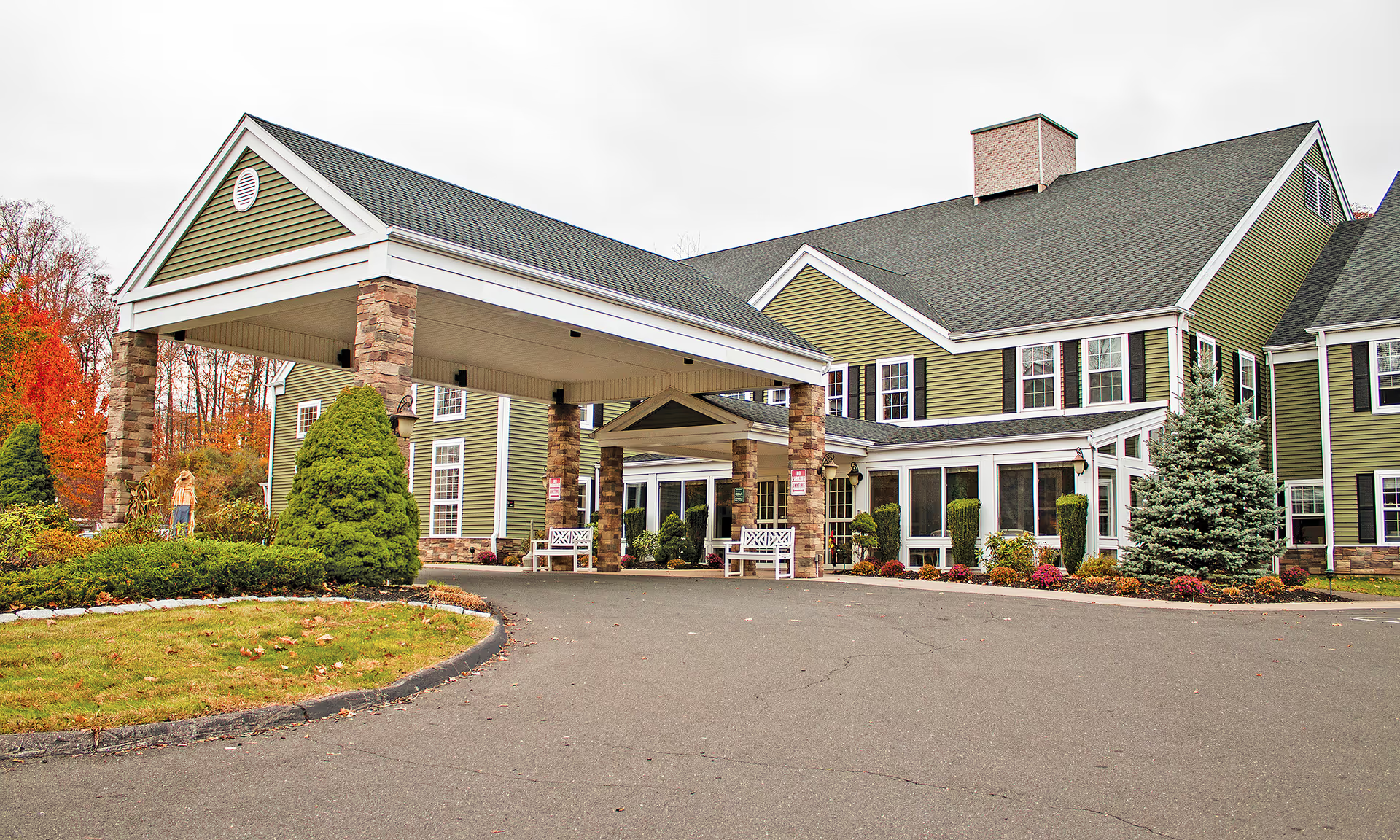
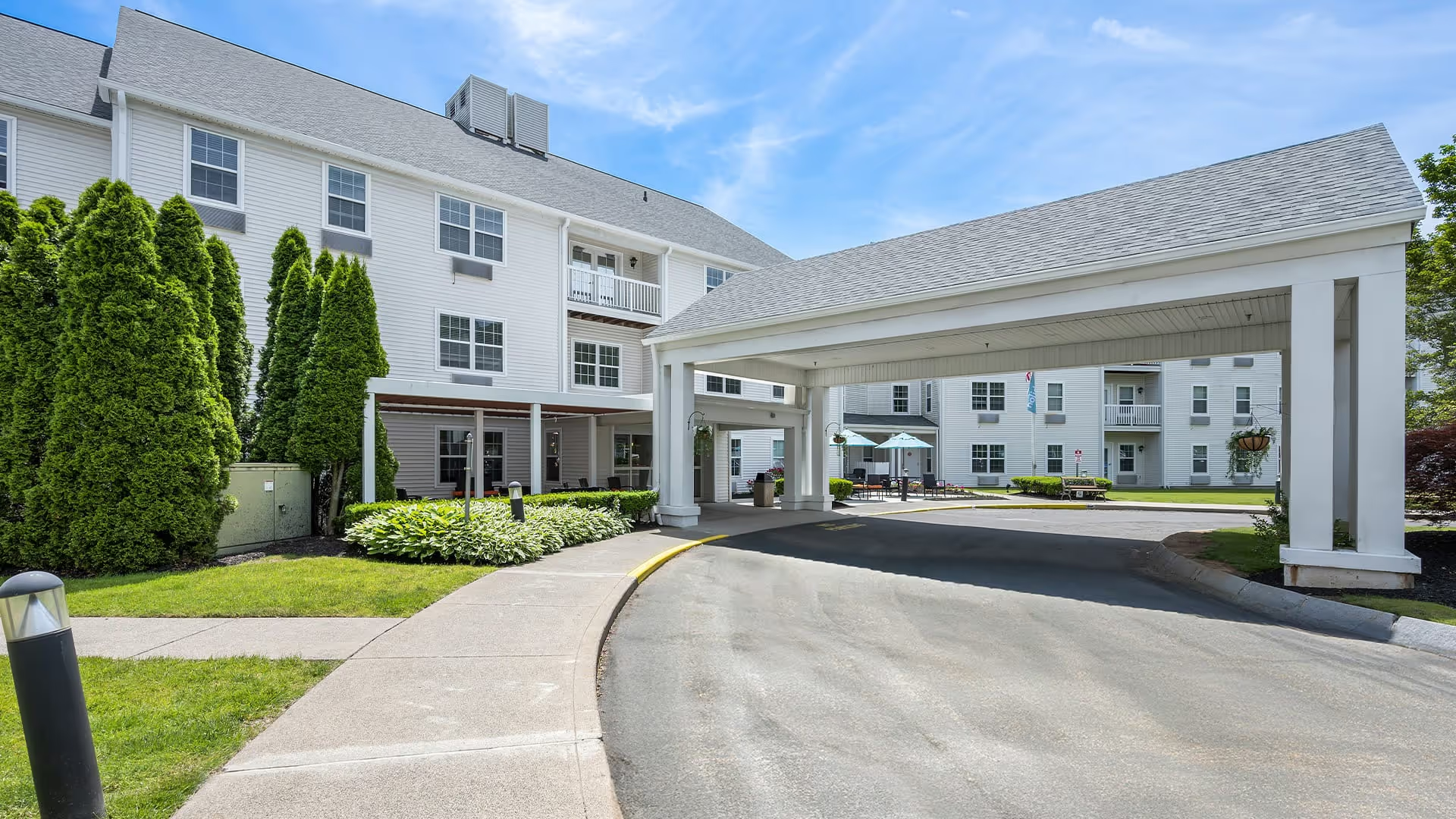
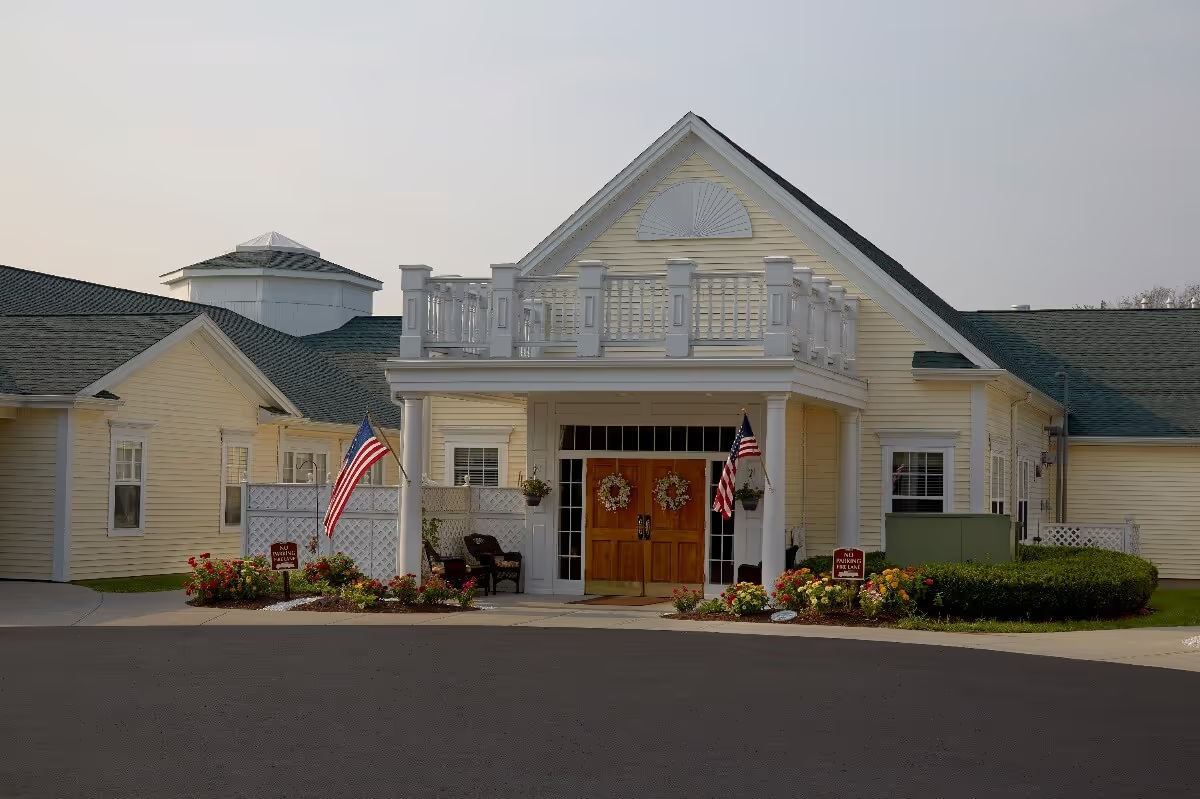
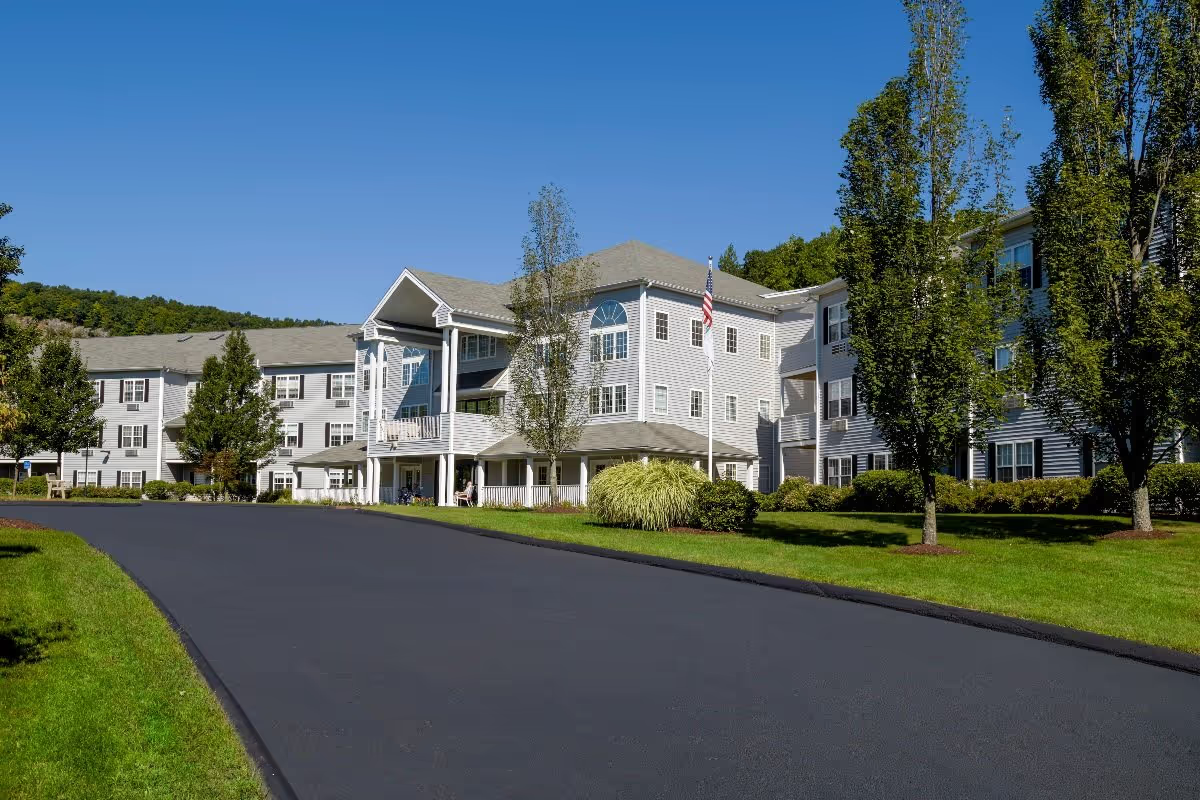
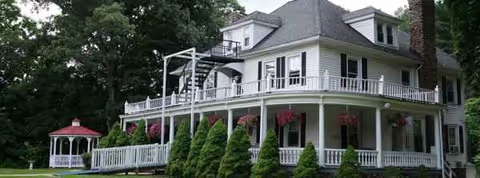
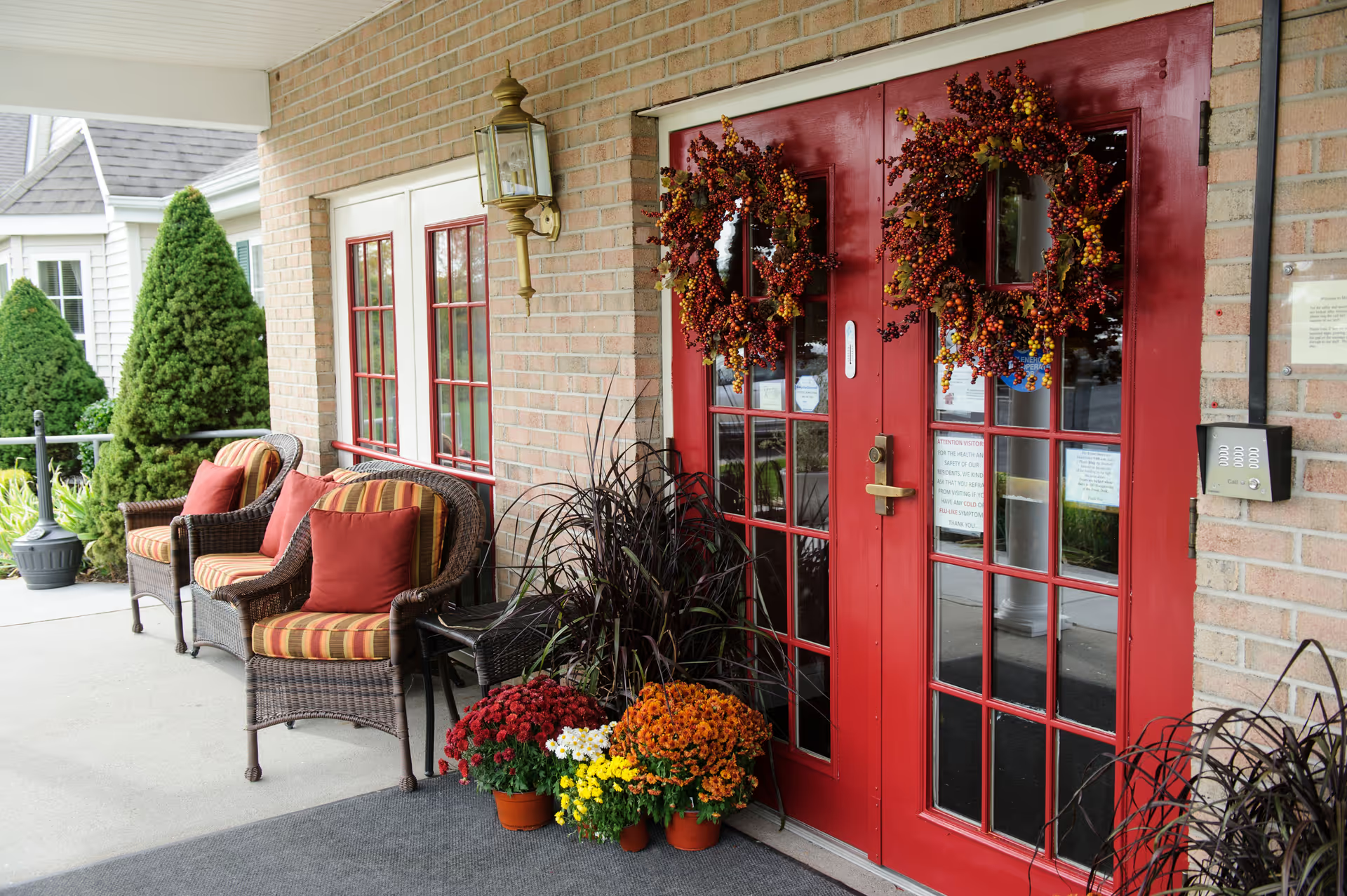
The Village at South Farms presents as a well-maintained, modern senior living community with a consistently positive social environment and many amenities. Reviewers commonly praise the facility’s appearance — clean common areas, attractive lobby and dining rooms, and thoughtfully furnished community spaces — and note a range of apartment options with accessible bathrooms and ample natural light. Housekeeping and maintenance responsiveness are repeatedly cited as strengths, contributing to an overall tidy and hotel-like atmosphere.
Care quality and staffing are central strengths for many families. Nursing, personal care aides, and recreational staff are frequently described as compassionate, attentive, and familiar with residents by name. The community supports physical-rehabilitation needs with outside and on-site therapy resources, and several accounts highlight proactive check-ins, well-executed care plans, and good communication from clinical teams. At the same time, reviewers describe episodic staffing shortages and shift-to-shift coordination problems that can delay assistance; these appear to be intermittent operational limitations rather than universal deficits.
Dining and food service receive mixed but detailed feedback. Numerous families commend the dining rooms, servers, flexible meal times, and specific menu items or specials; others describe bland or uninspired meals and limited responsiveness when residents request menu changes. This pattern suggests variability in culinary execution and experience across meal periods or menus, making food quality an area worth tasting and verifying during a visit.
Activities and social programming are notable strengths. The community offers an active calendar — classes, music, faith services, outings, daily social events (including happy hour), and thematic celebrations — and reviewers frequently report satisfied, socially engaged residents and a lively community culture. Educational offerings and technology classes are also available, supporting cognitive and social engagement for many residents.
Families identify several operational and management patterns to watch. Communication and coordination problems are the most common concerns: inconsistent handoffs between shifts, front-desk variability, and occasional lack of clarity about extra fees or billing practices. A number of reviewers expressed frustration with management accessibility and responsiveness in specific cases. Privacy and access-control issues have been raised (for example, unexpected entry into apartments and door-access inconsistencies), and there are isolated allegations of missing personal items; these point to the need for prospective families to confirm security and access policies.
A small set of reports raises more serious clinical concerns, including questions about medication-management decisions for residents with complex behavioral or psychiatric needs. These accounts highlight the importance of reviewing medication protocols, prescribing oversight, and interdisciplinary review processes for residents with advanced dementia or psychiatric comorbidities. Likewise, some families found the memory-care programming more reflective of assisted living than of intensive dementia care, indicating variation in suitability for higher-functioning or more behaviorally complex residents.
In summary, The Village at South Farms offers many of the features families seek: an attractive, clean environment; a warm caregiving culture; robust activities; and useful on-site services. Prospective residents and families should validate current staffing levels, observe meal service and sample menus, clarify fee structures and after-hours access procedures, ask about security and personal-belongings policies, and review medication oversight and the specific memory-care model to ensure an appropriate clinical fit.