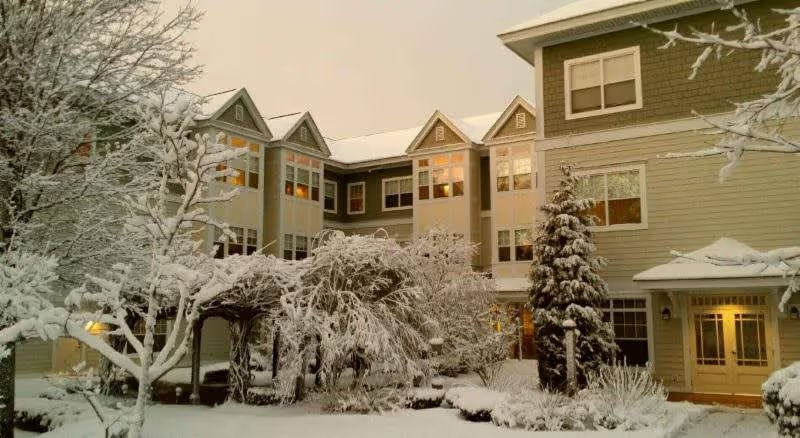
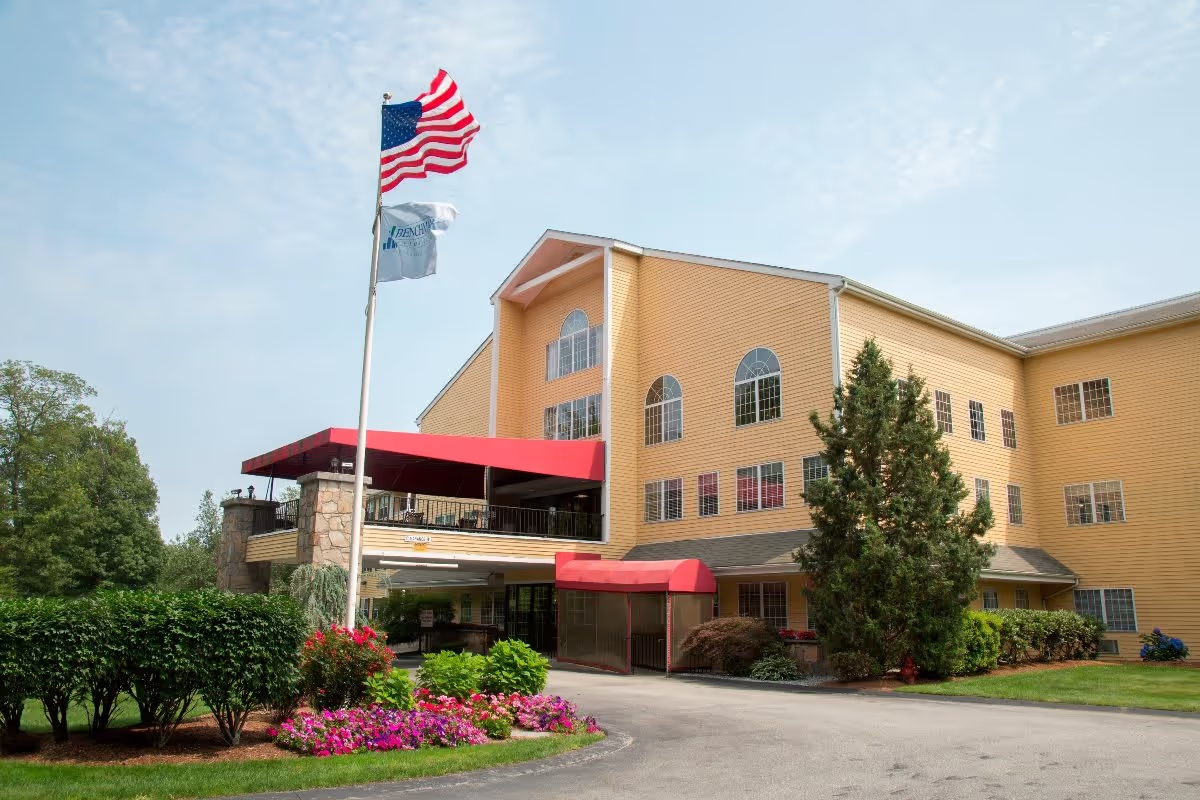
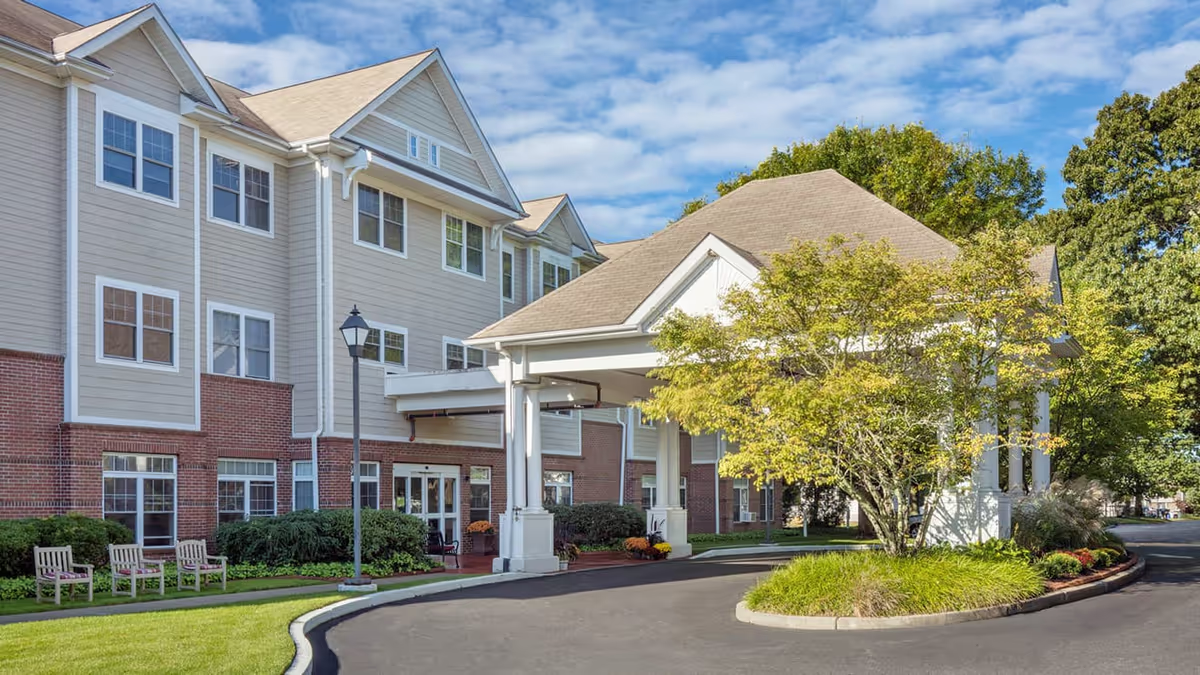
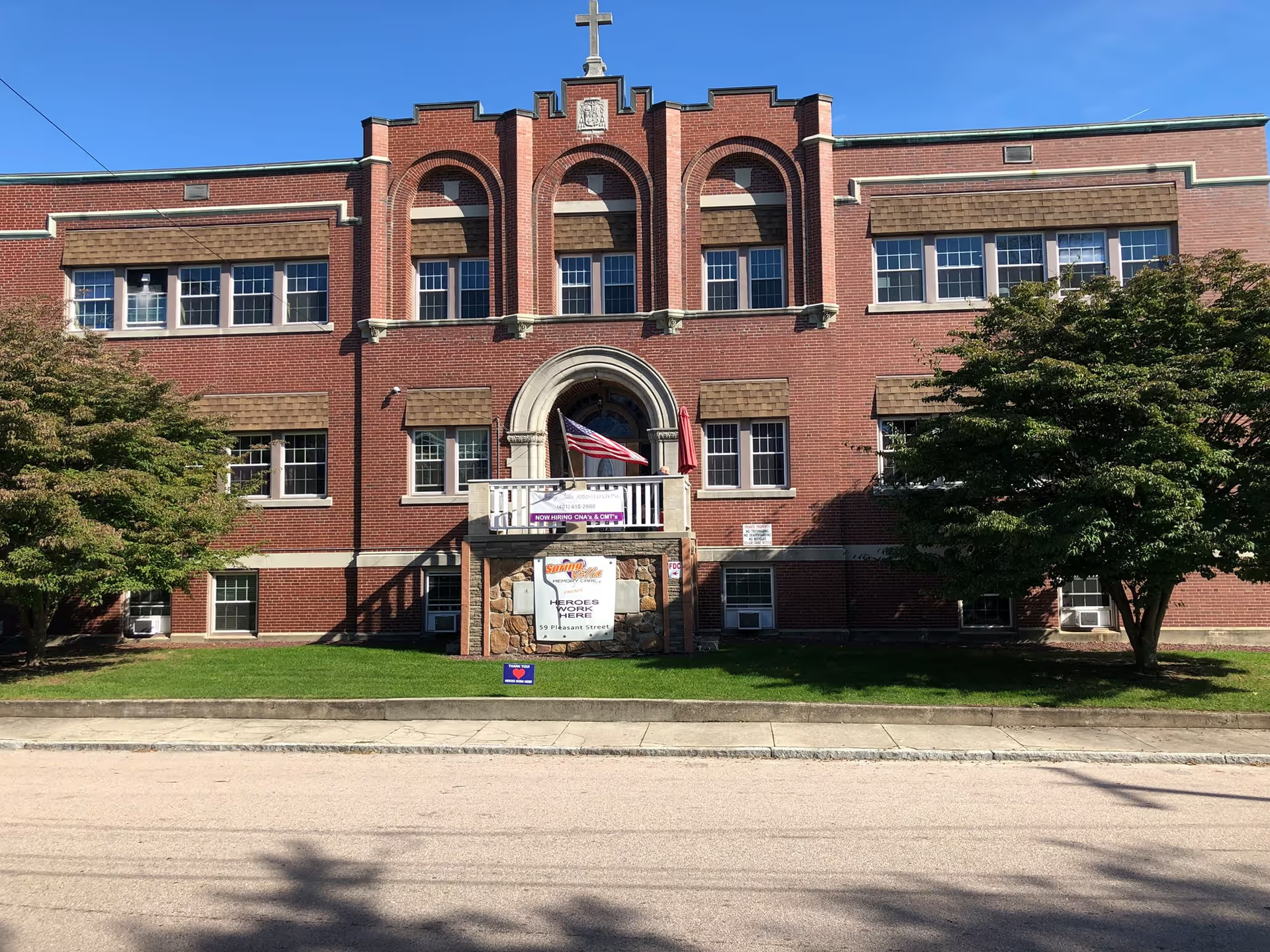
Bayview Rehabilitation at Scalabrini presents a largely positive environment characterized by very clean, well-kept facilities, attractive waterfront grounds, and strong rehabilitative services. Physical and occupational therapy receive frequent praise for their outcomes and patient-focused approach; many families credit therapy teams with enabling discharge home. The facility’s public spaces, sunrooms and patios, and a therapeutic garden contribute to a pleasant, recovery-oriented setting, and private rooms are described as spacious and comfortable.
Staffing is a prominent strength and a source of variability. Numerous accounts highlight compassionate, personable nurses, CNAs, and helpful admissions and social work personnel who facilitate admissions and discharge planning. At the same time, reviews indicate inconsistent staffing levels and uneven coverage across shifts—particularly overnight—which translates into variable responsiveness to call bells and delays in attending to resident needs. This variability also appears to contribute to differences in day-to-day resident experience across units and between shifts.
Clinical quality impressions are mixed but often positive for rehabilitation and wound care; many families describe attentive therapy, effective nursing oversight, and individualized rehab plans. However, there are recurring operational concerns around medication timing and administration delays, which families flagged as an important area for improvement. A small number of reviews raise serious safety and post-incident communication concerns; these are not characterized as facility-wide patterns but warrant attention and follow-up by decision-makers.
Dining and hospitality show a mixed picture. Breakfasts and some meals are praised, and hospitality features evoke a hotel-like feel, but reviewers also cite inconsistent meal temperatures, occasional menu limitations, and requests for menu review. Activities programming is active and varied in parts of the facility—pot painting, planting, live music and themed events are noted—yet programming consistency is uneven. Bingo is frequently mentioned and perceived by some families as overused, while outdoor and garden-based activities are underutilized in practice, partly because of awkward access and level differences in garden access points.
Facility amenities and atmosphere tend to be strengths: attractive landscaping, accessible patios with views, an on-site chapel and religious services, and renovated bright interiors are commonly noted. A few operational issues appear in reviews, including air-quality or odor concerns in specific areas, ongoing construction disruption, and a less-finished feel in certain memory-care spaces. Families also raised concerns about accountability for personal belongings and occasional communication gaps—missing clothing, accessories, or assistive devices were reported and framed as an operational weakness rather than an isolated event.
Management and communication receive mixed feedback. Admissions and social-work staff are frequently commended for being helpful and informative, and leadership is sometimes credited with responsive corrective action. Conversely, other families described delayed or insufficient communication, unreturned phone calls, and unclear information flow during transitions. The overall pattern is one of many consistently positive clinical and hospitality attributes tempered by operational variability tied to staffing, medication processes, and unit-level consistency. Prospective residents and families should weigh the facility’s strong rehabilitation and pleasant physical environment against the noted variability in day-to-day staffing responsiveness and operational controls when making placement decisions.