Overall impression: All American Assisted Living at Warwick is described predominantly as a well-kept, recently built community with a strong emphasis on social engagement and person-centered memory care. Families and visitors repeatedly highlight warm, compassionate interactions from direct care staff and nurses, active leadership, and a busy activities calendar. The facility's physical environment — bright common areas, restaurant-style dining, and pleasant grounds — is frequently cited as a positive contributor to resident wellbeing.
Care and staff: Review comments emphasize a cohesive caregiving team including CNAs, med techs and nurses who are seen as attentive, reassuring, and knowledgeable. Administration and activity leadership receive repeated praise for responsiveness and hands-on involvement; specific examples include proactive medication coordination with external providers and individualized adjustments to increase resident participation. At the same time, reviewers indicate variability in staffing levels at certain times, which can cause delayed responses or slower service. A few comments also point to occasional concerns about administrative tone and the need for clearer family orientation and care-plan communication.
Dining and therapies: Dining is generally viewed as a strength — restaurant-style service, multiple menu options, and accommodating kitchen staff are common positive notes. However, several reviewers note inconsistent food quality, occasional issues with meal temperature or timing, and a need for attention to specific dietary needs. On-site therapy and wellness offerings are appreciated and cited as helping clinical outcomes (rehabilitation, reduced edema, improved mobility).
Activities and social life: The community offers an active schedule with frequent onsite programs, wellness classes, and day trips. Activity staff are frequently named and praised for creativity and resident engagement; these programs are credited with improving mood and socialization, especially in memory-care households. Meal-time social stimulation and apartment-style layouts are seen as supportive of community integration.
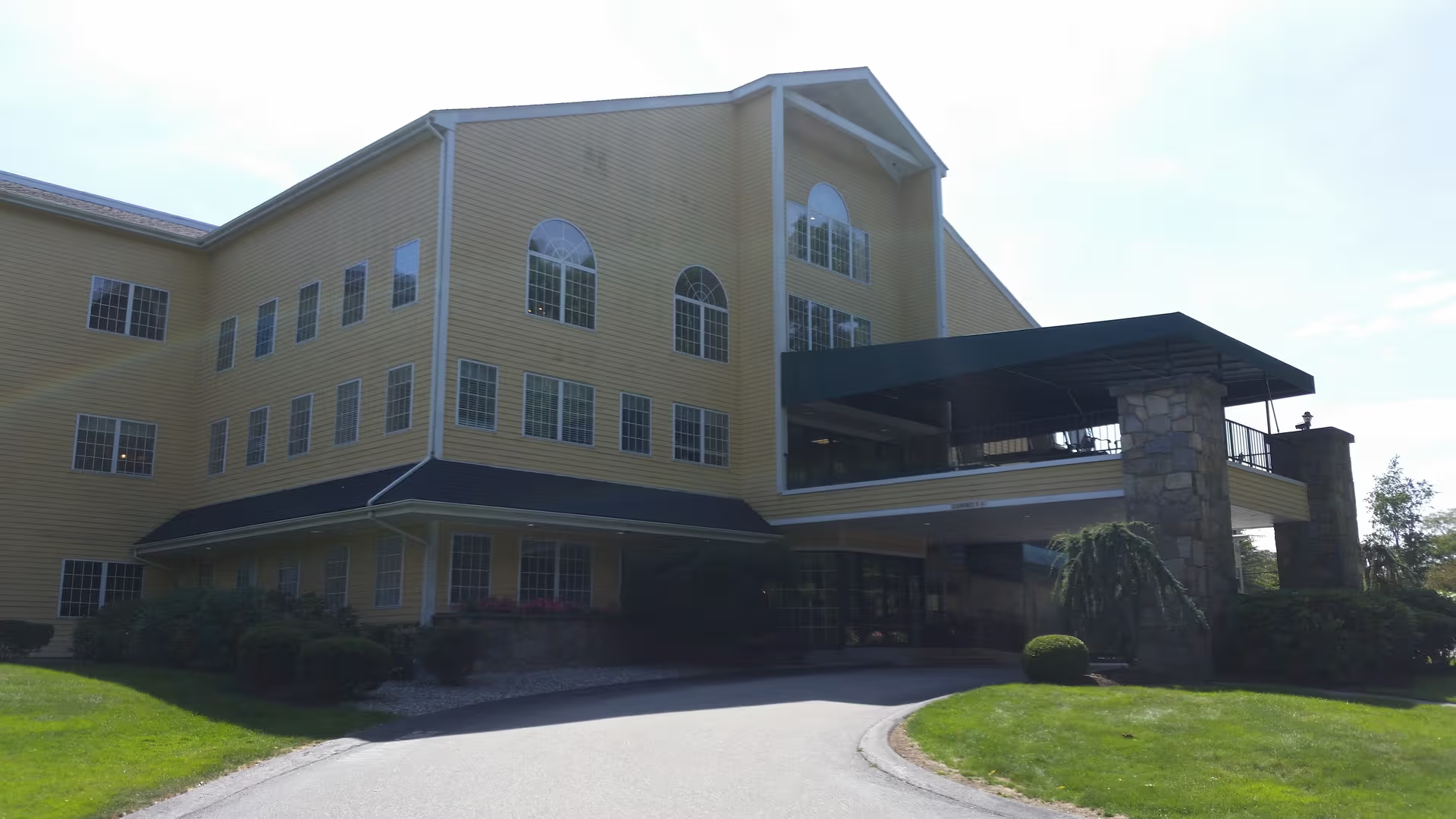
Facilities and operations: The building and units are noted as clean, modern, and hotel-like in presentation. Layouts include private and shared accommodations; while many families favor the apartment-style living and secure memory-care courtyard, some reviewers felt certain shared suites or smaller unit configurations reduced privacy or felt cramped. Operationally, recurring themes include intermittent maintenance request follow-up, laundry mismanagement (clothing mix-ups), and occasional sanitation or personal-care inconsistencies that warrant monitoring.
Management and notable patterns: Leadership is widely commended for accessibility and individualized problem-solving, but recurring operational gaps emerge around family communication, after-hours front-desk access, and cost-transparency (including periodic price increases). These are not universal but are frequent enough to recommend prospective residents clarify policies up front — for example, staffing patterns by shift, laundry and maintenance processes, after-hours contact procedures, and billing/fee changes.
Recommendation guidance: For families seeking an active, well-appointed memory-care or assisted-living option with engaged staff and a robust activities program, this community appears to offer strong psychosocial supports and a clean, modern environment. Prospective families should balance those strengths against the operational issues noted above by asking targeted questions during a tour: confirm suite type and privacy, review meal and dietary accommodations, observe staffing at different times of day, request examples of care-plan communication, and get written clarity on laundry and maintenance workflows and recent fee changes.