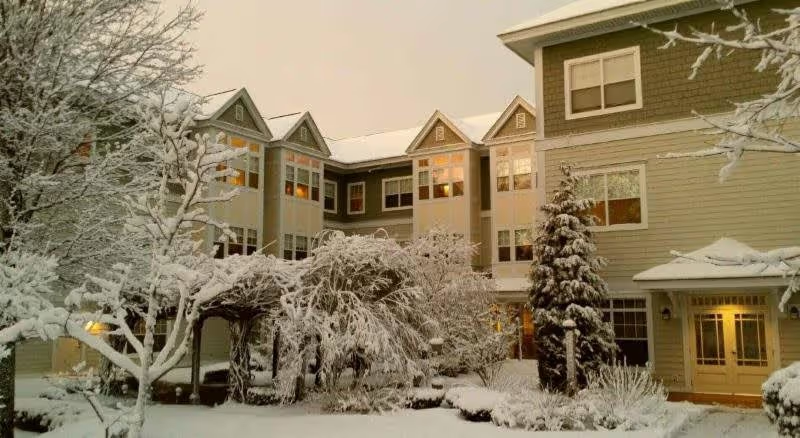
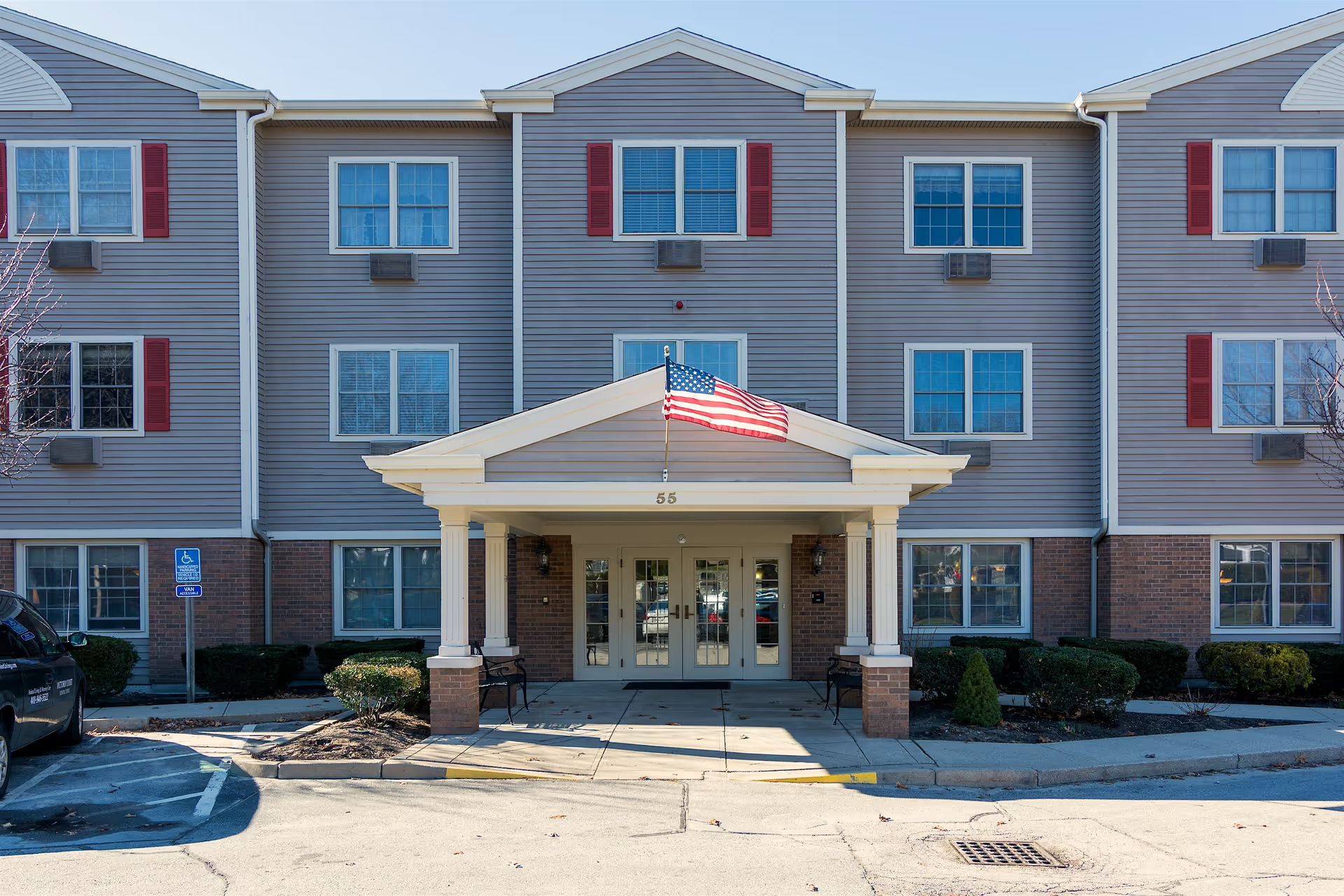
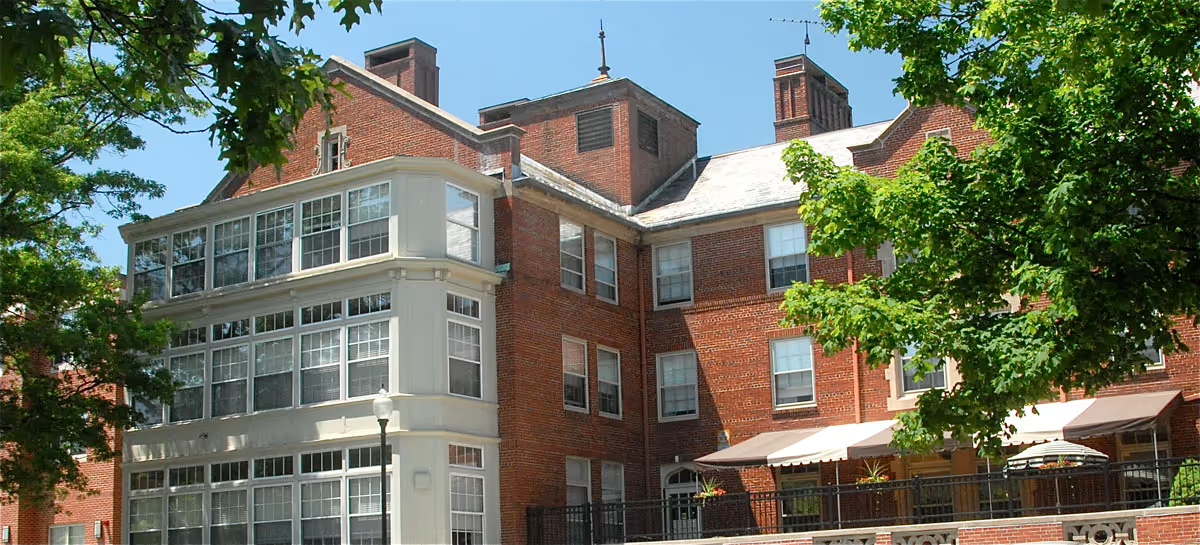
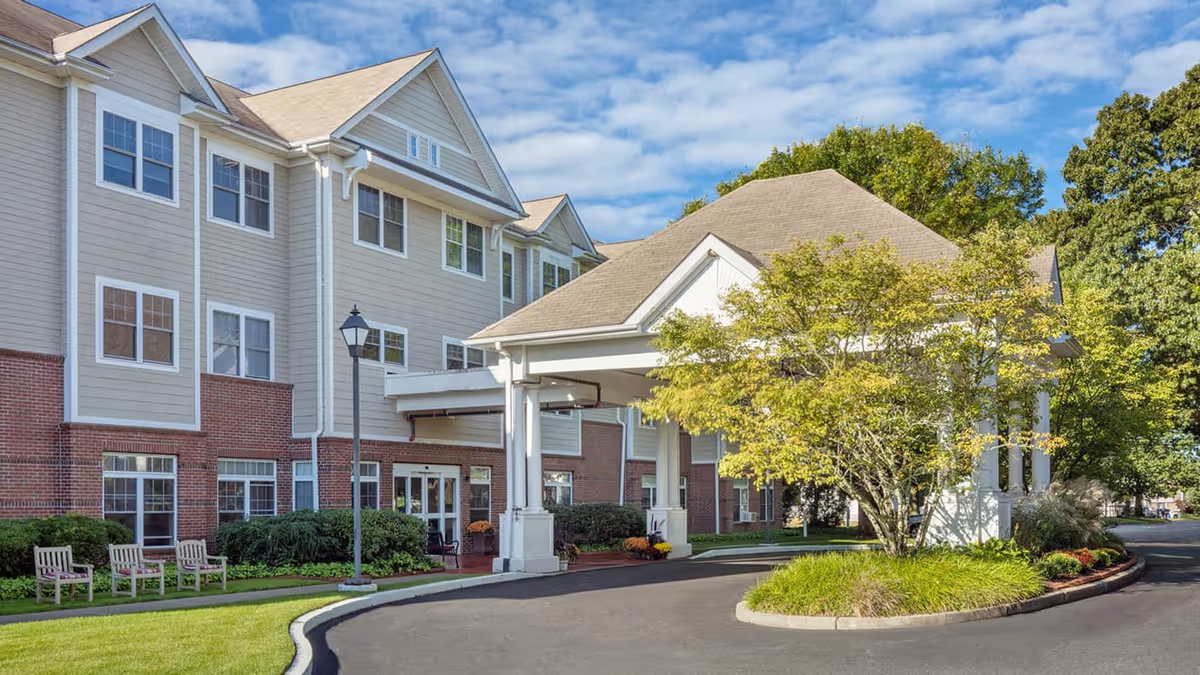
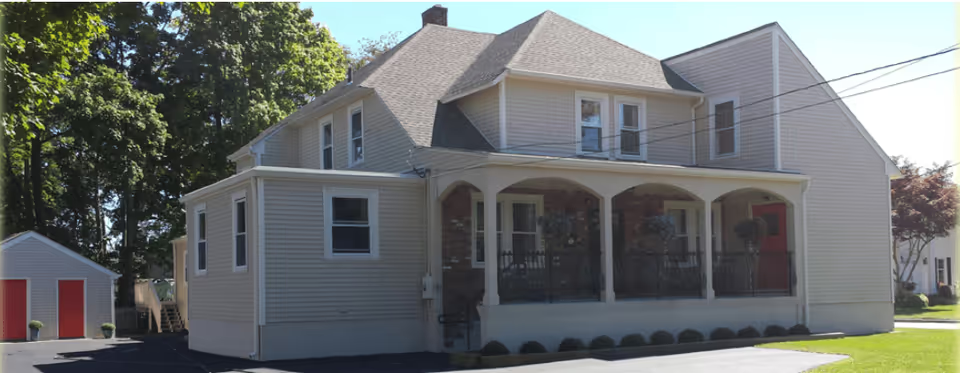
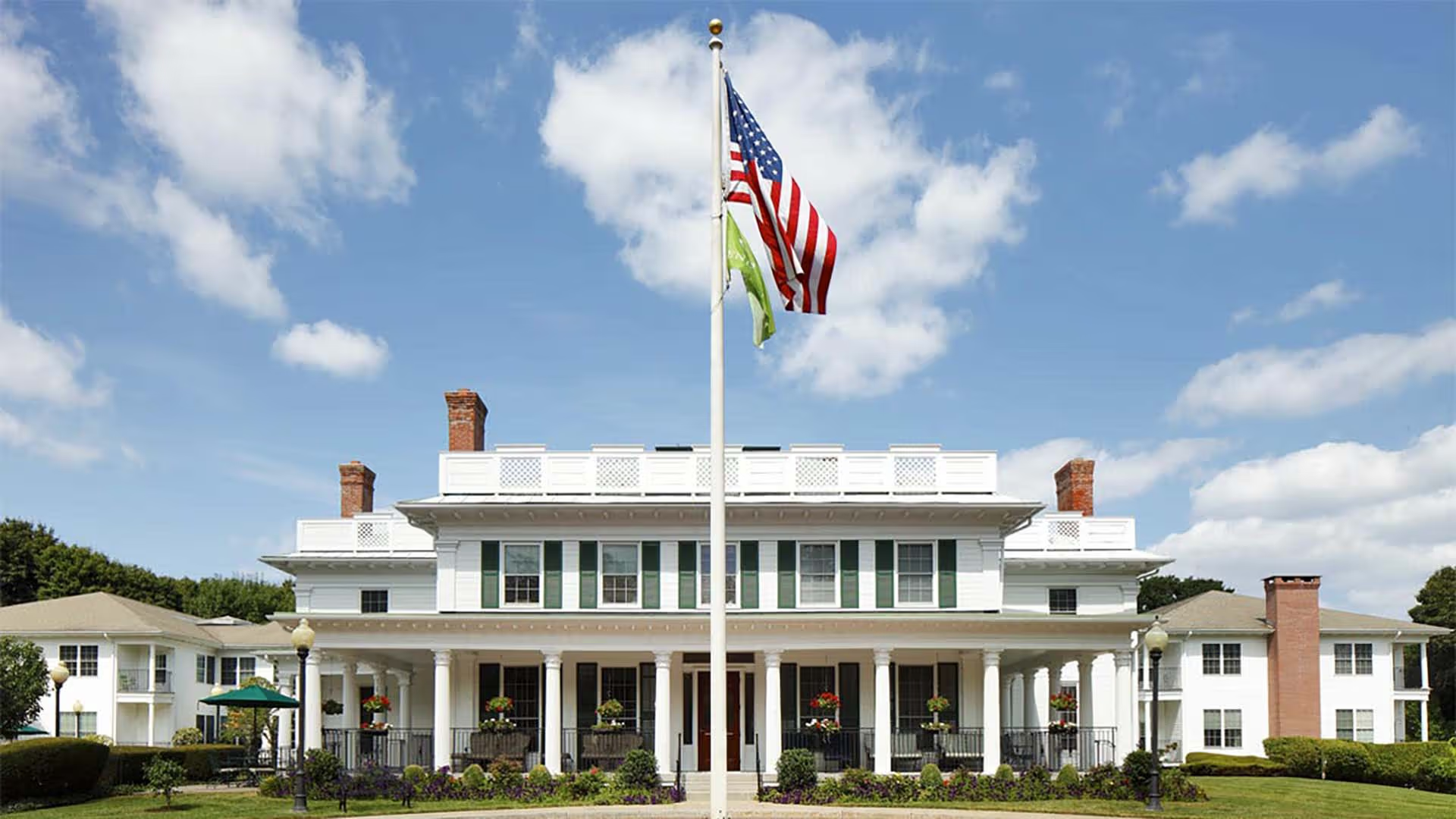
Greenwich Farms at Warwick is frequently described as an attractive, hotel‑style assisted living community with a strong social atmosphere. Many families and residents praise the facility’s appearance — well‑kept grounds, a glamorous lobby, roomy and well‑lit apartments — and note a range of on‑site amenities (game room and bar, exercise room, piano, church services, and scheduled outings) that support social engagement. The community places emphasis on activities: bingo, cards, pool table, Wii bowling, exercise groups, arts and crafts, shopping trips and regular off‑site excursions are commonly mentioned and contribute to resident socialization and reported mental and physical improvements.
Care and staffing receive mixed but often positive commentary. Numerous comments highlight compassionate, personable staff who provide attentive, resident-focused service; families frequently cited helpful admissions/tour staff, clear pricing explanations, and staff who go above and beyond. At the same time, there are recurring operational concerns: understaffing at certain times or shifts, delays in assistance (for example with personal care or bathing), and complaints about inconsistent supervision. Several families expressed that transition support and communication during moves from hospitals or rehab settings could be stronger. Importantly, the community is identified as an assisted‑living environment with limited skilled‑nursing capacity — families concerned about progression of clinical needs should verify long‑term care options beforehand.
Dining and housekeeping are generally seen as strengths but with variability. Many reviewers describe very good or gourmet meals, responsive dining staff, and flexibility around preferences; others described meals as merely adequate, indicating inconsistency in meal quality or expectations. Housekeeping and laundry services exist and are appreciated, though reviewers also raised sanitation and laundry‑equipment reliability concerns (stained carpets, broken washers, and uneven housekeeping responsiveness) that suggest variability across units or shifts.
Management and operations show both positive and negative patterns. Admissions, transparent pricing, and family‑inclusive practices are frequently commended, and maintenance response times are often quick. Conversely, some comments point to communication breakdowns with outside providers, leadership-level responsiveness issues, and the need for improved staff education and payroll/administrative processes. Safety‑related themes appear in several accounts (e.g., supervision gaps and the need for clearer transfer and safety protocols), indicating areas where operational practice could be strengthened.
Taken together, Greenwich Farms at Warwick presents as a well‑appointed, activity‑rich assisted‑living community with many strengths in staff engagement, amenities, and dining. Prospective residents and families should weigh those advantages against recurring concerns about staffing consistency, housekeeping and laundry reliability, cost, and the facility’s capacity to manage advancing clinical needs. Practical next steps for decision‑makers would be to observe staffing levels across shifts, review care‑level transition policies and skilled‑nursing options, inspect housekeeping routines and laundry facilities, and confirm contract and pricing details to ensure alignment with long‑term care expectations.