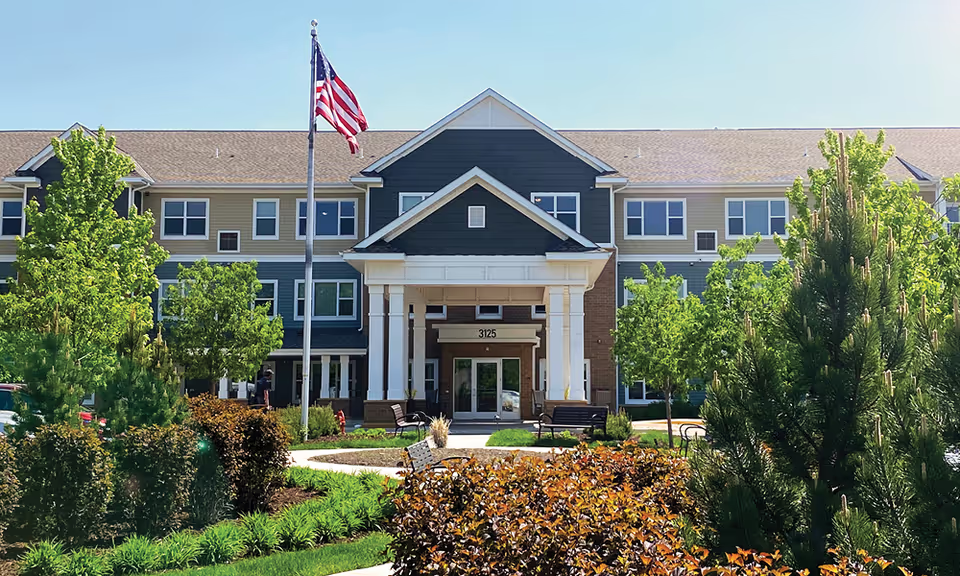
Assisted Living in Minnesota

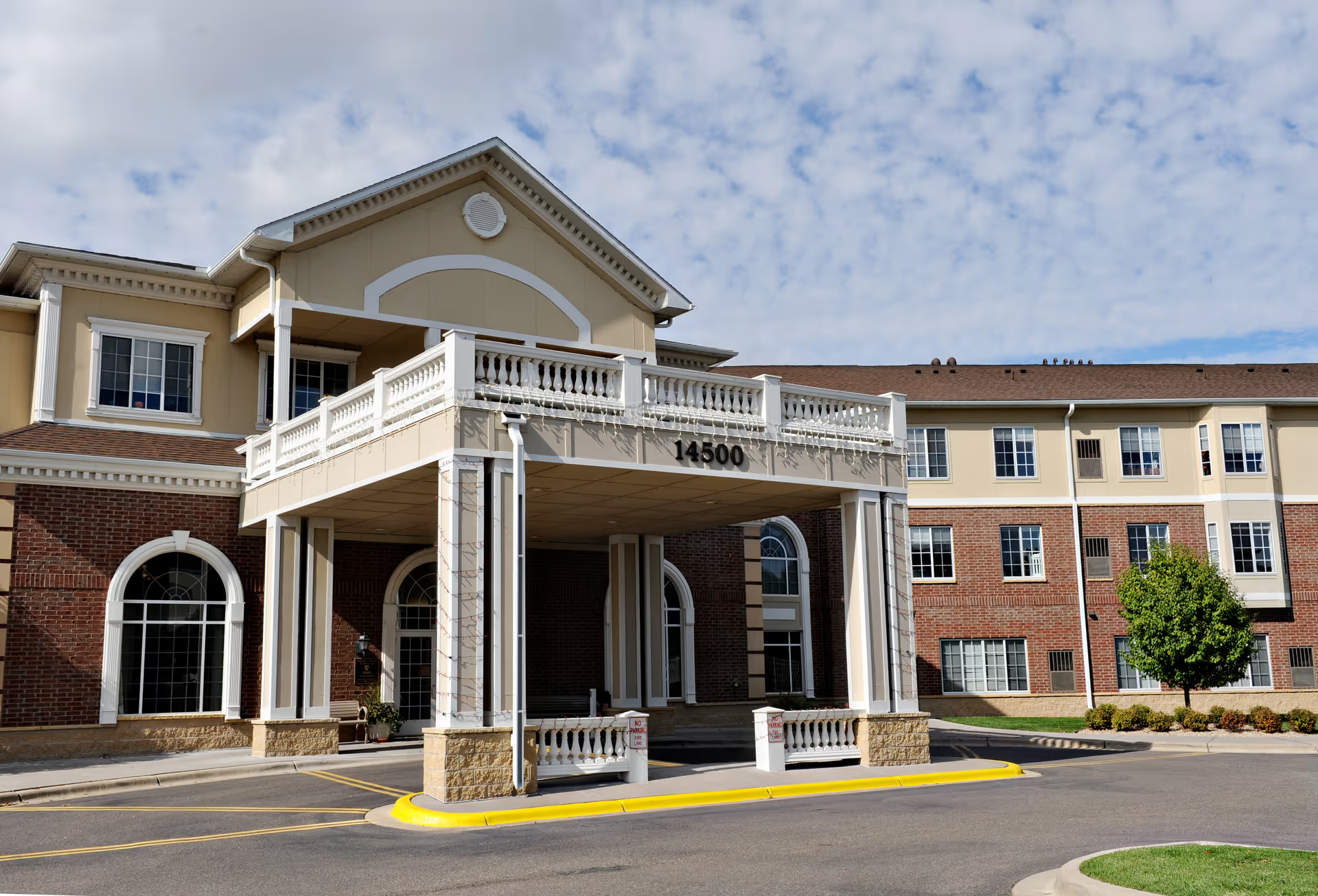
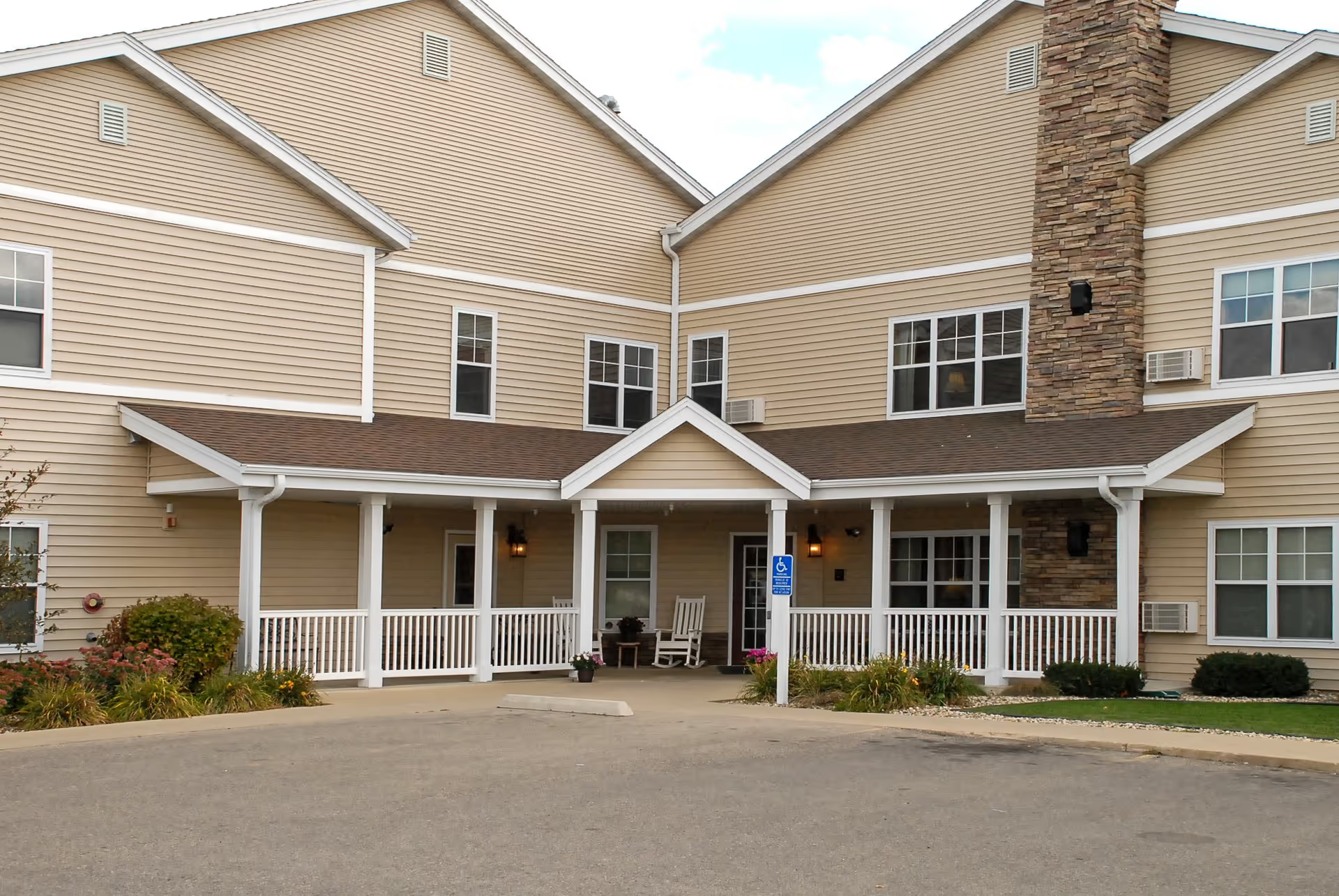
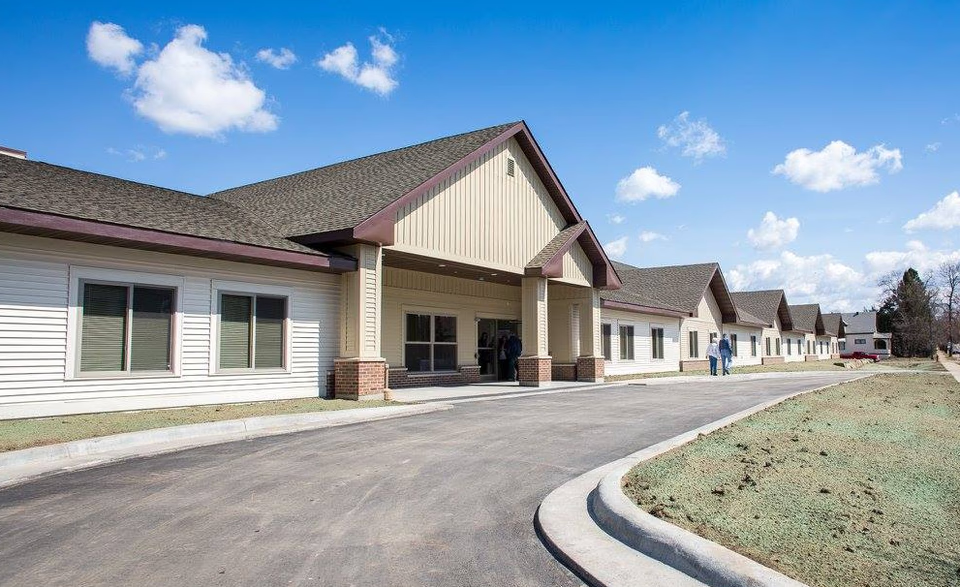
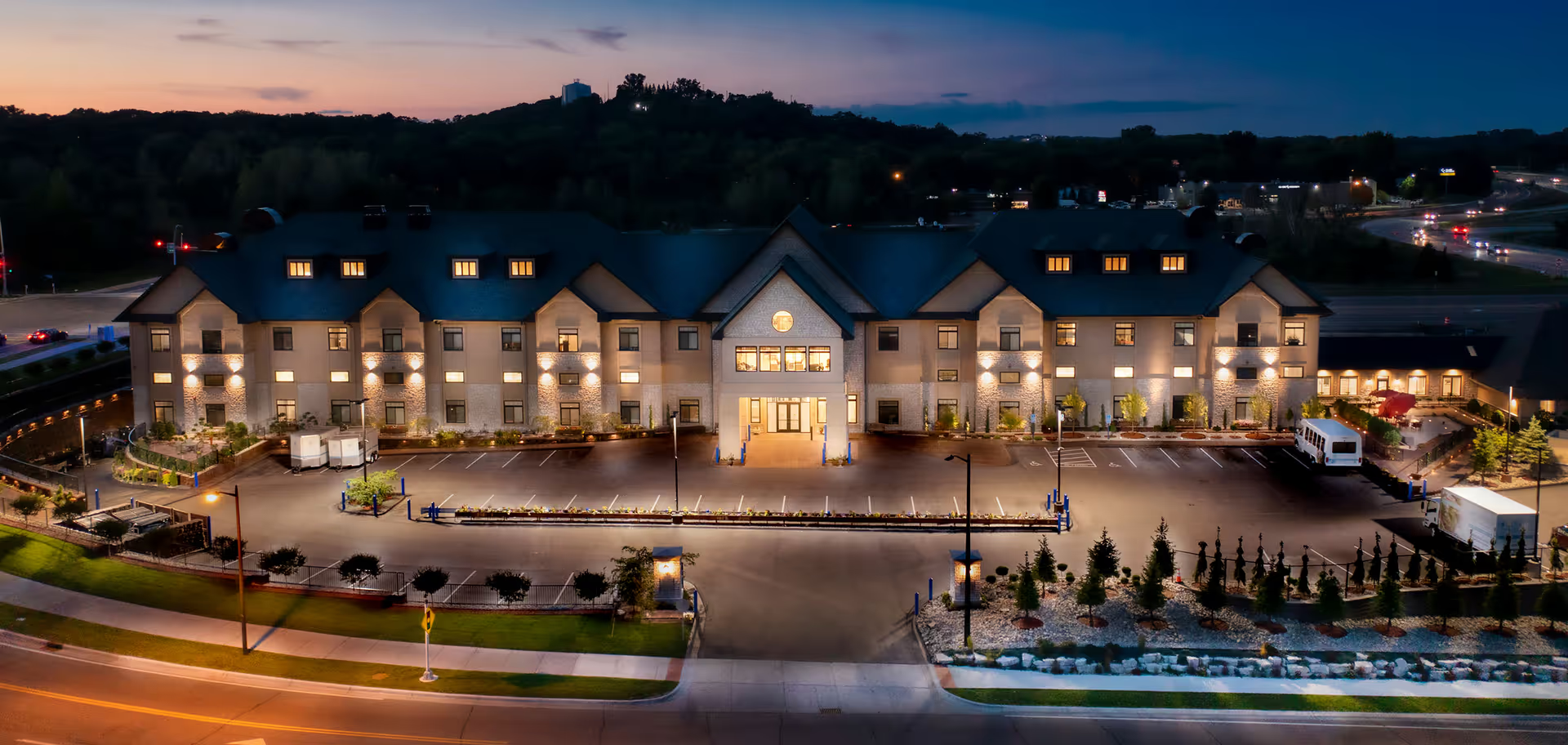
    Assisted living communities provide personalized care and support while helping seniors maintain their independence. Services include help with daily activities, medication management, meals, and personal care.

    3,810 communitiesAvg $5,223/mo

    Paying for assisted living in Minnesota

    Most Minnesota families pay for assisted living privately at first, using a mix of retirement income, savings, the proceeds from selling a home, long-term care insurance, or help from family. Costs vary widely depending on the region, the size of the apartment, and how much daily care a resident needs. You can compare typical pricing for specific communities and areas in the pricing tables below.

    Because assisted living can be a major expense, it helps to understand early on what public programs will and will not cover, so you can plan for the long term.

    Does Medical Assistance (Elderly Waiver) cover assisted living in Minnesota?

    Medical Assistance (MA) is Minnesota's Medicaid program. MA itself does not pay for assisted living room and board, but through the Elderly Waiver (EW) it can help cover the care and support services delivered in a licensed assisted living facility. In waiver language, these are called "customized living" services.

    To qualify for the Elderly Waiver, a person must:

    • Be age 65 or older
    • Be eligible for Medical Assistance. From July 1, 2026, the MA limits for one person are $1,330 a month in income and $3,000 in assets. For a couple, they are $1,804 and $6,000
    • Need the level of care that a nursing home provides, based on a free MnCHOICES assessment

    The Elderly Waiver uses a higher income limit of $2,982 a month in 2026. People with more income than that may still qualify but must pay more toward their care.

    Even when EW covers care services, the resident is still responsible for room and board. Minnesota's Housing Support program can help pay room and board for people with low incomes. Not every assisted living facility accepts the Elderly Waiver, so ask before you move in.

    To start, contact your county or tribal nation to ask for a MnCHOICES assessment and apply for Medical Assistance. Minnesota Aging Pathways (formerly the Senior LinkAge Line) can walk you through the process for free at 800-333-2433. The sections below list every limit and how to apply.

    Does Medicare cover assisted living in Minnesota?

    No. Medicare does not pay for assisted living room and board or for ongoing custodial care (help with bathing, dressing, meals, and supervision), which is the heart of what assisted living provides.

    Medicare may cover related medical needs, such as:

    • A short, medically necessary stay in a skilled nursing facility after a qualifying hospital stay
    • Doctor visits, hospital care, and many prescriptions
    • Medicare-certified home health or hospice care when you meet the criteria

    For free, unbiased help understanding your Medicare options, contact Minnesota's State Health Insurance Assistance Program (SHIP), Minnesota Aging Pathways (formerly the Senior LinkAge Line), at 800-333-2433.
    Help paying for assisted living in Minnesota

    Someone turning 65 today has almost a 70% chance of needing some type of long-term care, according to the federal Administration for Community Living. In Minnesota, the Elderly Waiver can pay for the care you get in assisted living, and Housing Support can help pay the rent and food.

    Medical Assistance for People 65+, Blind, or Disabled (MA-ABD)

    Medical Assistance (MA) is Minnesota's Medicaid program. This part of it covers people who are 65 or older, blind, or disabled. It pays for doctor visits, hospital care, prescriptions, and other medical care. It does not pay assisted living rent or meals.

    MA is also the door to long-term care. You must qualify for MA to get the Elderly Waiver, listed below, which pays for care in assisted living. The income limit is 100% of the federal poverty guidelines. The amounts in the table are in effect from July 1, 2026, through June 30, 2027.

    Who qualifies

    • Age 65 or older, or blind or disabled. A disability can be certified by Social Security or by the state's Medical Review Team
    • Minnesota resident
    • Monthly income and assets under the limits below. The asset limit goes up by $200 for each added family member. Your home, one car, and some burial funds do not count
    • If your income is over the limit, you may still qualify with a spenddown. That means you pay part of your medical bills each month, like a deductible, and MA pays the rest
    HouseholdMonthly incomeAssets
    Single$1,330$3,000
    Couple$1,804$6,000

    How to apply

    Fill out the MHCP Application for Certain Populations and mail, fax, or bring it to your county or tribal office. You can also call your county or tribal office and apply over the phone. To have an application mailed to you, call DHS Health Care Consumer Support at 800-657-3672. Minnesota Aging Pathways, at 800-333-2433, can help you fill it out for free.

    Apply or learn moreCall (800) 657-3672

    2026 figures from the DHS fact sheet on Medical Assistance for people 65 or older, blind, or disabled (DHS-2087C), the DHS income and asset guidelines (DHS-3461A), the Eligibility Policy Manual, MA-ABD asset limits, and the Eligibility Policy Manual, MA-ABD income limits.

    Elderly Waiver (EW)

    A Medical Assistance program for people 65 or older who need the level of care a nursing home gives but choose to live in the community. That includes your own home or an assisted living facility. In assisted living, the Elderly Waiver pays for the care and support the facility gives you, called customized living. That can include help with bathing, dressing, medicines, and meals. At home, it can pay for home care, adult day services, meals, chores, respite, and more.

    The Elderly Waiver does not pay room and board. You pay the rent and food yourself. Housing Support, listed below, can help some people pay it. About nine in ten people on the Elderly Waiver get it through a health plan, such as Minnesota Senior Health Options or Minnesota Senior Care Plus.

    Not every assisted living facility accepts the Elderly Waiver. Some limit how many residents can use it or keep a waiting list. The facility must be enrolled with DHS for the waiver to pay it, so ask before you move in.

    Who qualifies

    • Age 65 or older
    • Need the level of care a nursing home gives, based on a free MnCHOICES assessment
    • Qualify for Medical Assistance. Countable assets must be $3,000 or less
    • Gross income up to $2,982 a month in 2026. At or under that amount, you keep $1,353 a month (July 2026 to June 2027) for your own living costs, such as rent and food, and pay any income above that toward your care. If your income is higher, you may still qualify, but more of it goes toward your care first
    • Your care must cost less than nursing home care would
    • If you are married and your spouse lives at home, your spouse can keep up to $162,660 in assets in 2026 and between $2,705 and $4,066.50 a month in income

    How to apply

    Contact your county or tribal nation and ask for a MnCHOICES assessment. If you already have Medical Assistance through a health plan, ask your care coordinator. The assessment should happen within 20 calendar days of your request. It takes about two hours and is free. You also need to apply for Medical Assistance for long-term care, which may take 45 days or longer. Once approved, coverage may start back on the date of your assessment. Minnesota Aging Pathways, at 800-333-2433, can help you through the steps.

    Apply or learn moreCall (800) 333-2433

    2026 figures from the Eligibility Policy Manual, Appendix F standards and guidelines, the Eligibility Policy Manual, Elderly Waiver income rules, the Eligibility Policy Manual, MA-ABD asset limits, the DHS guide to Elderly Waiver services in assisted living (DHS-7935), and the DHS Elderly Waiver fact sheet (DHS-5357).

    Housing Support (formerly Group Residential Housing)

    A state program that pays room and board for older adults and adults with disabilities who have low incomes. The money goes straight to your housing provider to pay for rent, utilities, food, and household supplies. More than 20,000 Minnesotans get it each month. It is the main public help with room and board for people whose care in assisted living is paid by the Elderly Waiver.

    Effective July 1, 2026, the room and board rate is $1,221 a month in licensed group settings and $1,271 in community settings where residents have their own lease. Depending on your income, you may pay part of that amount to the provider yourself.

    Not everyone who qualifies for the Elderly Waiver qualifies for Housing Support, and your housing provider must have a Housing Support agreement with the county.

    Who qualifies

    • Age 65 or older, or younger than 65 with a disability or other condition that limits your ability to support yourself
    • Income and assets under the program's limits. You must meet rules from the SSI or General Assistance programs
    • Live with a provider that is authorized to take Housing Support

    How to apply

    Apply online at MNbenefits and check that you are requesting cash assistance. In the notes section, write that you are requesting Housing Support. You can also fill out the paper Combined Application Form and mail it to, or drop it off at, your county or tribal office.

    Apply or learn more

    2026 figures from the DHS Housing Support page and the DHS guide to Elderly Waiver services in assisted living (DHS-7935).

    Care at home in Minnesota

    If you would rather stay in your own home, this Minnesota program pays for care there before you qualify for Medical Assistance. The Elderly Waiver, listed above, can also pay for help at home.

    Alternative Care (AC)

    A state program for people 65 or older who need the level of care a nursing home gives but want to stay at home. It covers many of the same services as the Elderly Waiver, such as personal care, homemaker and chore help, home-delivered meals, adult day services, respite for family caregivers, and emergency response systems. It is for people with low income and savings who do not yet qualify for Medical Assistance. Depending on your income, you may pay a monthly fee of up to 30 percent of the cost of your services.

    Who qualifies

    • Age 65 or older
    • Need the level of care a nursing home gives, based on a MnCHOICES assessment
    • Your income and assets would not pay for more than 135 days in a nursing home
    • The services you need cost less than 75 percent of what the Elderly Waiver would pay for someone with similar needs
    • No other way to pay for the services

    How to apply

    Contact your county or tribal nation to ask for a MnCHOICES assessment. Minnesota Aging Pathways, at 800-333-2433, can connect you with other local services.

    Apply or learn moreCall (800) 333-2433

    2026 figures from the DHS Alternative Care page and the DHS Alternative Care fact sheet (DHS-4720).

    Health insurance and prescriptions in Minnesota

    Medicare covers most medical care after 65, but not assisted living. These programs add drug coverage and help pay Medicare's premiums and deductibles. For free help comparing plans, call Minnesota Aging Pathways (formerly the Senior LinkAge Line), the state's Medicare counseling program, at 800-333-2433.

    Medicare (Part A and Part B)

    The federal health insurance program for people 65 and older. Part A covers hospital stays and a short period of skilled nursing care after a hospital stay. Part B covers doctor visits, outpatient care, and medical equipment. Medicare does not pay for assisted living rent or for help with daily tasks like bathing and dressing. In 2026, Part B costs $202.90 a month with a $283 yearly deductible, and the Part A hospital deductible is $1,736.

    Who qualifies

    • Age 65 or older, or younger with a qualifying disability or end-stage renal disease
    • Part A has no monthly premium if you or your spouse worked and paid Medicare taxes for at least 10 years

    How to apply

    Apply online through Social Security, by phone, or at a local Social Security office. If you already get Social Security when you turn 65, you are usually signed up automatically.

    Apply or learn moreCall (800) 772-1213

    2026 figures from the Centers for Medicare & Medicaid Services.

    Medicare Advantage (Part C)

    Plans sold by private insurers that replace Original Medicare. They must cover everything Original Medicare covers, and many add drug, dental, vision, or hearing coverage. Plans, costs, and doctor networks vary by county.

    Who qualifies

    • Enrolled in Medicare Part A and Part B
    • Live in the plan's service area

    How to apply

    Compare plans in your ZIP code with Medicare's plan finder, then enroll online, by calling Medicare, or through the plan. Most people change plans during open enrollment, October 15 to December 7.

    Apply or learn moreCall (800) 633-4227

    Medicare Part D (prescription drugs)

    Drug plans that add prescription coverage to Original Medicare. Each plan has its own list of covered drugs and its own premium. Most Medicare Advantage plans already include drug coverage.

    Who qualifies

    • Enrolled in Medicare Part A or Part B
    • Not in a Medicare Advantage plan that already covers drugs

    How to apply

    Use Medicare's plan finder to compare plans that cover the drugs you take, then enroll online, by phone, or through the plan.

    Apply or learn moreCall (800) 633-4227

    Extra Help with drug costs

    A federal program, also called the Part D Low-Income Subsidy, that pays most Part D premiums, deductibles, and drug copays. People who get Medicaid, SSI, or a Medicare Savings Program qualify automatically.

    Who qualifies

    • Enrolled in Medicare
    • Income and assets under the limits below. The asset limit includes $1,500 per person set aside for burial
    HouseholdYearly incomeAssets
    Single$23,940$18,090
    Married$32,460$36,100

    How to apply

    Apply online through Social Security or by phone. Your State Health Insurance Assistance Program (SHIP) can help you apply for free.

    Apply or learn moreCall (800) 772-1213

    2026 figures from Medicare.gov.

    Minnesota Medicare Savings Programs

    Medical Assistance programs that pay Medicare costs for people with limited income. When your coverage starts, Social Security stops taking the Part B premium out of your check. There is no cost to join.

    Qualified Medicare Beneficiary (QMB) pays Part A and Part B premiums, deductibles, copays, and coinsurance. Service Limited Medicare Beneficiary (SLMB) and Qualified Individual (QI) pay the Part B premium. Qualified Working Disabled (QWD), which Medicare calls QDWI, pays the Part A premium for people under 65 with disabilities who lost premium-free Part A after going back to work.

    Who qualifies

    • Minnesota resident enrolled in, or eligible for, Medicare
    • Monthly income under the limits in the table below, in effect from July 1, 2026, through June 30, 2027. The limits already include the first $20 of income the state does not count
    • Assets up to $10,000 for one person or $18,000 for a household of two or more. For QWD, up to $4,000 or $6,000. Your home and one car usually do not count
    ProgramSingleCouple
    QMB$1,350$1,824
    SLMB$1,616$2,184
    QI$1,816$2,455
    QWD$2,680$3,627

    How to apply

    Fill out the MHCP Application for Certain Populations and send it to your county or tribal office. The county also checks whether you qualify for Medical Assistance. Coverage usually starts the month the county gets your application, and some people get Part B premiums paid back for up to three months. For free help applying, call Minnesota Aging Pathways at 800-333-2433.

    Apply or learn moreCall (800) 333-2433

    2026 figures from the DHS income and asset guidelines (DHS-3461A), the Eligibility Policy Manual, MSP asset limits, and the Eligibility Policy Manual, MSP income.

    Cash assistance in Minnesota

    Social Security and SSI are federal, and you can spend both on assisted living. The SSI amounts below are the federal part only. Minnesota adds a monthly state payment, Minnesota Supplemental Aid, for people who get SSI and for some people 65 or older, blind, or disabled whose income is a little too high for SSI.

    Social Security retirement benefits

    Monthly income for retired workers, based on what you earned during your working years. You can spend it on anything, including assisted living. You need at least 40 work credits, which is about 10 years of work. Benefits can start at 62, and the monthly check is larger if you wait until full retirement age or later.

    How to apply

    Apply online, by phone, or at a local Social Security office.

    Apply or learn moreCall (800) 772-1213

    Supplemental Security Income (SSI)

    A monthly federal payment for people who are 65 or older, blind, or disabled and have very little income and savings. Getting SSI usually qualifies you for Medicaid as well.

    Who qualifies

    • Age 65 or older, blind, or disabled
    • U.S. citizen, U.S. national, or qualifying non-citizen
    • Countable income below the maximum payment, and assets under the limits below
    HouseholdMonthly paymentAssets
    Single$994$2,000
    Couple$1,491$3,000

    How to apply

    Apply online, by phone, or at a local Social Security office.

    Apply or learn moreCall (800) 772-1213

    2026 figures from the Centers for Medicare & Medicaid Services.

    Minnesota Supplemental Aid (MSA)

    A monthly state cash payment on top of SSI to help pay for basic needs. The amount depends on the SSI payment that applies to you, or your income if you do not get SSI, and on a standard set by state law. People who get MSA also qualify for Medical Assistance.

    MSA can also pay for some special needs, such as a special diet your doctor orders, fees for a guardian, conservator, or representative payee, certain home repairs, and some furniture and appliances.

    Who qualifies

    • Age 18 or older
    • Get SSI, or would get it except that your income is too high. If your income is too high for SSI, you must be 65 or older, blind, or disabled under SSI rules
    • Assets up to $2,000 if you get SSI, or up to $10,000 if you do not

    How to apply

    Apply online at MNbenefits, or fill out the paper Combined Application Form and mail it to, or drop it off at, your county or tribal office.

    Apply or learn more

    2026 figures from the DHS Minnesota Supplemental Aid page.

    Other ways to pay for assisted living in Minnesota

    OptionHow it works
    VA Aid & AttendanceA pension supplement for wartime veterans and surviving spouses who need help with daily activities. It adds a monthly amount on top of a VA pension that can be applied toward assisted living.
    Long-term care insuranceIf a policy is already in place, it may cover much of the monthly cost. Check the daily benefit, elimination period, and any assisted living restrictions before relying on it.
    Reverse mortgage (HECM)Homeowners 62+ can borrow against home equity, with no monthly payments due until the home is sold. Most useful when one spouse stays in the home.
    Life insurance conversionSome whole-life policies can be sold or converted into a long-term care benefit while the policyholder is still living.
    Home sale or bridge loanProceeds from selling a home — or a short-term bridge loan while it's on the market — can fund care during a transition.

    Free and low-cost resources for Minnesota seniors

    Compare & evaluate communities

    MDH Health Care Provider Directory

    Official Minnesota Department of Health search to confirm an assisted living facility's license status and contact information.

    MDH View Facility Complaint and Survey Findings

    Public records of inspection (survey) results and complaint investigations for Minnesota health care facilities and providers.

    (651) 201-4200

    Pay for care

    Elderly Waiver (EW) and Alternative Care Program

    Minnesota Department of Human Services overview of the Medicaid waiver that can pay for customized living (care) services in assisted living.

    Medical Assistance & MinnesotaCare (MNsure)

    How to apply for Medical Assistance, Minnesota's Medicaid program, including financial-help applications.

    Senior LinkAge Line (Minnesota SHIP)

    Free statewide counseling on Medicare, long-term care options, and public benefits from the Minnesota Board on Aging.

    (800) 333-2433

    Minnesota Department of Veterans Affairs

    Benefits, resources, and state Veterans Homes that may help eligible veterans pay for long-term care.

    (888) 546-5838

    Know your rights & get help

    Office of Ombudsman for Long-Term Care

    Independent state advocates who investigate concerns and protect the rights of people receiving long-term care.

    (800) 657-3591

    MDH File a Complaint Against a Facility

    How to report concerns about an assisted living facility to the Minnesota Department of Health.

    (651) 201-4200

    LawHelpMN – Assisted Living and Nursing Homes

    Free legal information for Minnesota seniors on assisted living rights, with links to legal aid.

    (877) 696-6529

    Support for families & caregivers

    Senior LinkAge Line / Aging & Disability Resource Center

    Minnesota's ADRC connects families to local Area Agencies on Aging and community support, including caregiver help.

    (800) 333-2433

    Minnesota Aging Pathways (Board on Aging)

    State resource hub for older adults and family caregivers, including planning tools and education.

    (800) 333-2433

    Laws & regulations

    Minn. Stat. Chapter 144G — Assisted Living Licensure

    The full Minnesota statute governing how assisted living facilities are licensed, staffed, and operated, maintained by the Minnesota Revisor of Statutes and kept current as the law is amended.

    National resources

    Eldercare Locator

    Federal service that connects you to vetted local aging resources — care options, transportation, and in-home support — by ZIP code.

    (800) 677-1116

    Planning & paying for long-term care (LongTermCare.gov)

    Federal guide to the full range of ways families plan and pay for long-term care.

    Alzheimer's Association 24/7 Helpline

    Round-the-clock information, crisis help, and emotional support for families facing dementia.

    (800) 272-3900

    Assisted living laws and regulations in Minnesota

    Assisted living in Minnesota is licensed and regulated by the Minnesota Department of Health (MDH) through its Health Regulation Division. Under Minnesota Statutes chapter 144G, providers must hold either an Assisted Living Facility license or an Assisted Living Facility with Dementia Care license.

    State law sets standards for how communities operate, including staffing, employee training and background studies, admission and discharge practices, medication management, person-centered service planning, and resident rights. MDH carries out on-site surveys (inspections) and investigates complaints to confirm facilities are following these rules, and it can take enforcement action when they are not.

    Inspection results and complaint findings are public records. Before choosing a community, look up its current license status and review its survey and complaint history using MDH's official tools. Verifying a facility's license and inspection record is one of the most important steps you can take to protect a loved one.

    You can read the full rules in Minn. Stat. Chapter 144G — Assisted Living Licensure.

    Check a community's license before you commit

    The Minnesota Department of Health (Health Regulation Division, Assisted Living Licensure) licenses these communities as Assisted Living Facility (with a separate Assisted Living Facility with Dementia Care license)s and publishes their inspection and complaint history.

    Search the state's licensed facility database

    Last reviewed June 2026.

    Frequently asked questions about assisted living in Minnesota

    Medical Assistance does not pay for assisted living room and board, but through the Elderly Waiver it can cover the care and support services (called "customized living") provided in a licensed assisted living facility. To qualify, a person must be 65 or older, be eligible for Medical Assistance, and need a nursing-home level of care based on a MnCHOICES assessment. In 2026, the Elderly Waiver income limit is $2,982 a month, and the asset limit is $3,000 for most people. The resident still pays for room and board, which Housing Support can help cover for people with low incomes. Its room and board rate is $1,221 a month in licensed group settings from July 1, 2026.

    From July 1, 2026, through June 30, 2027, a single person who is 65 or older, blind, or disabled qualifies for Medical Assistance with monthly income up to $1,330 and assets up to $3,000. For a couple, the limits are $1,804 and $6,000. Your home, one car, and some burial funds do not count. People with higher income may still qualify with a spenddown. The Elderly Waiver allows income up to $2,982 a month in 2026.

    Costs depend heavily on the region of the state, apartment size, and how much daily care a resident needs, so monthly prices vary from one community to the next. The most accurate way to compare is to review the pricing tables below for specific communities and areas rather than relying on a single statewide average.

    Assisted living provides housing plus help with daily activities like bathing, dressing, meals, and medications for people who are mostly independent but need some support. A nursing home (skilled nursing facility) provides 24-hour skilled medical and nursing care for people with more complex health needs. They are licensed differently, and Medicare and Medicaid treat them differently.

    The Elderly Waiver serves people age 65 and older who are eligible for Medical Assistance and who need the level of care a nursing home provides, as determined by a MnCHOICES assessment. Your county or tribal nation arranges the assessment. Minnesota Aging Pathways (formerly the Senior LinkAge Line) can help you get started at no cost at 800-333-2433.

    Use the Minnesota Department of Health's Health Care Provider Directory to confirm a facility's license status, and view its survey (inspection) and complaint findings through MDH's public records tool. Checking both before you choose a community is one of the best ways to protect a loved one.

    No. Medicare does not pay for assisted living room and board or ongoing custodial care. It may cover related medical needs such as a short skilled-nursing stay after a qualifying hospital stay, doctor and hospital care, and Medicare-certified home health or hospice. For free help understanding your options, call Minnesota Aging Pathways, the state's SHIP, at 800-333-2433.

    Top-rated communities in Minnesota

    Top cities for assisted living in Minnesota

    1. 793 facilities$5,363/mo
    2. 774 facilities$5,348/mo
    3. 715 facilities$5,350/mo
    4. 690 facilities$5,353/mo
    5. 670 facilities$5,375/mo
    6. 665 facilities$5,380/mo
    7. 665 facilities$5,368/mo
    8. 657 facilities$5,310/mo
    9. 605 facilities$5,410/mo
    10. 592 facilities$5,453/mo
    11. 560 facilities$5,361/mo
    12. 553 facilities$5,324/mo

    Cost of assisted living in Minnesota

    The average cost of assisted living in Minnesota is $5,223/month, compared to $4,896/month nationally.

    Room typeMinnesotaNational avg
    Studio$5,102$4,737
    1 Bedroom$5,645$5,203
    2 Bedrooms$3,846$5,171
    Semi-Private$4,713$4,369

    * Average monthly costs across communities in Minnesota.

    Cost by care type in Minnesota

    Care typeAvg. monthly costCommunities
    Independent Living$5,805686
    Assisted Living$5,2233,810
    Memory Care$5,855857

    Assisted Living cost in Minnesota vs. nearby states

    StateAvg. monthly cost
    South Dakota$3,609
    North Dakota$3,820
    Wisconsin$4,839
    Minnesota$5,223
    Iowa$5,383
    National average$4,896

    * assisted living averages across communities in each state.

    Explore all cities in Minnesota

    A

    1. Ada
    2. Adams
    3. Adrian
    4. Afton
    5. Aitkin
    6. Albany
    7. Albert Lea
    8. Albertville
    9. Alden
    10. Alexandria
    11. Amboy
    12. Andover
    13. Annandale
    14. Anoka
    15. Apple Valley
    16. Appleton
    17. Arden Hills
    18. Argyle
    19. Arlington
    20. Atwater
    21. Audubon
    22. Aurora
    23. Austin
    24. Avon

    B

    1. Babbitt
    2. Bagley
    3. Balaton
    4. Barnesville
    5. Barnum
    6. Battle Lake
    7. Baudette
    8. Baxter
    9. Bayport
    10. Becker
    11. Belgrade
    12. Belle Plaine
    13. Bemidji
    14. Benson
    15. Bertha
    16. Big Lake
    17. Bird Island
    18. Biwabik
    19. Blackduck
    20. Blaine
    21. Blooming Prairie
    22. Bloomington
    23. Blue Earth
    24. Bovey
    25. Braham
    26. Brainerd
    27. Brandon
    28. Breckenridge
    29. Breezy Point
    30. Brewster
    31. Brooklyn Center
    32. Brooklyn Park
    33. Brooten
    34. Browerville
    35. Browns Valley
    36. Brownsdale
    37. Brownsville
    38. Brownton
    39. Buffalo
    40. Buffalo Lake
    41. Buhl
    42. Burnsville
    43. Butterfield
    44. Byron

    C

    1. Caledonia
    2. Cambridge
    3. Canby
    4. Cannon Falls
    5. Carlton
    6. Carver
    7. Cass Lake
    8. Center City
    9. Centerville
    10. Champlin
    11. Chanhassen
    12. Chaska
    13. Chatfield
    14. Chisago City
    15. Chisholm
    16. Circle Pines
    17. Clara City
    18. Claremont
    19. Clarissa
    20. Clarkfield
    21. Clarks Grove
    22. Clear Lake
    23. Clearbrook
    24. Clearwater
    25. Cleveland
    26. Cloquet
    27. Cohasset
    28. Cokato
    29. Cold Spring
    30. Coleraine
    31. Cologne
    32. Columbia Heights
    33. Columbus
    34. Coon Rapids
    35. Corcoran
    36. Cosmos
    37. Cottage Grove
    38. Cottonwood
    39. Courtland
    40. Crookston
    41. Crosby
    42. Crown College
    43. Crystal

    D

    1. Dassel
    2. Dawson
    3. Dayton
    4. Deephaven
    5. Deer River
    6. Deerwood
    7. Delano
    8. Dellwood
    9. Detroit Lakes
    10. Dilworth
    11. Dodge Center
    12. Dover
    13. Duluth
    14. Dundas

    E

    1. Eagan
    2. Eagle Bend
    3. Eagle Lake
    4. East Bethel
    5. East Grand Forks
    6. East Gull Lake
    7. Eden Prairie
    8. Eden Valley
    9. Edgerton
    10. Edina
    11. Elbow Lake
    12. Elgin
    13. Elk River
    14. Elko New Market
    15. Ellendale
    16. Ely
    17. Elysian
    18. Emily
    19. Esko
    20. Evansville
    21. Eveleth
    22. Excelsior
    23. Eyota

    F

    1. Fairfax
    2. Fairmont
    3. Falcon Heights
    4. Faribault
    5. Farmington
    6. Fergus Falls
    7. Fertile
    8. Foley
    9. Forest Lake
    10. Foreston
    11. Fosston
    12. Franklin
    13. Frazee
    14. Freeport
    15. Fridley
    16. Fulda

    G

    1. Gaylord
    2. Gem Lake
    3. Gibbon
    4. Gilbert
    5. Glencoe
    6. Glenville
    7. Glenwood
    8. Glyndon
    9. Golden Valley
    10. Good Thunder
    11. Goodhue
    12. Goodview
    13. Graceville
    14. Grand Marais
    15. Grand Meadow
    16. Grand Rapids
    17. Granite Falls
    18. Grant
    19. Greenbush
    20. Greenfield
    21. Greenwood
    22. Grove City

    H

    1. Hallock
    2. Halstad
    3. Ham Lake
    4. Hamburg
    5. Hampton
    6. Hancock
    7. Hanover
    8. Harmony
    9. Harris
    10. Hastings
    11. Hawley
    12. Hayfield
    13. Hector
    14. Henderson
    15. Hendricks
    16. Henning
    17. Hermantown
    18. Heron Lake
    19. Hibbing
    20. Hill City
    21. Hills
    22. Hilltop
    23. Hinckley
    24. Hoffman
    25. Hokah
    26. Holdingford
    27. Hopkins
    28. Houston
    29. Howard Lake
    30. Hoyt Lakes
    31. Hugo
    32. Hutchinson

    I

    1. Independence
    2. International Falls
    3. Inver Grove Heights
    4. Isanti
    5. Isle
    6. Ivanhoe

    J

    1. Jackson
    2. Janesville
    3. Jasper
    4. Jordan

    K

    1. Karlstad
    2. Kasota
    3. Kasson
    4. Keewatin
    5. Kenyon
    6. Kerkhoven
    7. Kiester
    8. Kimball

    L

    1. La Crescent
    2. La Prairie
    3. Lafayette
    4. Lake Benton
    5. Lake City
    6. Lake Crystal
    7. Lake Elmo
    8. Lake Park
    9. Lake Shore
    10. Lake St. Croix Beach
    11. Lakefield
    12. Lakeland
    13. Lakeville
    14. Lamberton
    15. Landfall
    16. Lanesboro
    17. Lauderdale
    18. Le Center
    19. Le Roy
    20. Le Sueur
    21. Lester Prairie
    22. Lewiston
    23. Lexington
    24. Lilydale
    25. Lindstrom
    26. Lino Lakes
    27. Litchfield
    28. Little Canada
    29. Little Falls
    30. Little Rock
    31. Littlefork
    32. Long Lake
    33. Long Prairie
    34. Lonsdale
    35. Loretto
    36. Luverne

    M

    1. Mabel
    2. Madelia
    3. Madison
    4. Madison Lake
    5. Mahnomen
    6. Mahtomedi
    7. Mankato
    8. Mantorville
    9. Maple Grove
    10. Maple Lake
    11. Maple Plain
    12. Mapleton
    13. Maplewood
    14. Marble
    15. Marine on St. Croix
    16. Marshall
    17. Martin Lake
    18. Mayer
    19. Mazeppa
    20. McIntosh
    21. Medford
    22. Medina
    23. Melrose
    24. Menahga
    25. Mendota Heights
    26. Milaca
    27. Minneapolis
    28. Minneota
    29. Minnesota Lake
    30. Minnetonka
    31. Minnetonka Beach
    32. Minnetrista
    33. Montevideo
    34. Montgomery
    35. Monticello
    36. Montrose
    37. Moorhead
    38. Moose Lake
    39. Mora
    40. Morgan
    41. Morris
    42. Morristown
    43. Motley
    44. Mound
    45. Mounds View
    46. Mountain Iron
    47. Mountain Lake

    N

    1. Nashwauk
    2. New Brighton
    3. New Hope
    4. New London
    5. New Prague
    6. New Richland
    7. New Ulm
    8. New York Mills
    9. Newport
    10. Nicollet
    11. Nisswa
    12. North Branch
    13. North Mankato
    14. North Oaks
    15. North St. Paul
    16. Northfield
    17. Norwood Young America
    18. Nowthen

    O

    1. Oak Grove
    2. Oak Park Heights
    3. Oakdale
    4. Olivia
    5. Onamia
    6. Orono
    7. Oronoco
    8. Ortonville
    9. Osakis
    10. Osseo
    11. Otsego
    12. Ottertail
    13. Owatonna

    P

    1. Park Rapids
    2. Parkers Prairie
    3. Paynesville
    4. Pelican Rapids
    5. Pequot Lakes
    6. Perham
    7. Pierz
    8. Pine City
    9. Pine Island
    10. Pine River
    11. Pipestone
    12. Plainview
    13. Plymouth
    14. Ponemah
    15. Preston
    16. Princeton
    17. Prinsburg
    18. Prior Lake
    19. Proctor

    R

    1. Ramsey
    2. Randall
    3. Ranier
    4. Raymond
    5. Red Lake
    6. Red Lake Falls
    7. Red Wing
    8. Redby
    9. Redwood Falls
    10. Renville
    11. Rice
    12. Rice Lake
    13. Richfield
    14. Richmond
    15. Robbinsdale
    16. Rochester
    17. Rock Creek
    18. Rockford
    19. Rockville
    20. Rogers
    21. Rollingstone
    22. Rose Creek
    23. Roseau
    24. Rosemount
    25. Roseville
    26. Royalton
    27. Rush City
    28. Rushford
    29. Rushford Village

    S

    1. Sabin
    2. Sacred Heart
    3. Saint John's University
    4. Sandstone
    5. Sartell
    6. Sauk Centre
    7. Sauk Rapids
    8. Savage
    9. Scandia
    10. Scanlon
    11. Sebeka
    12. Shafer
    13. Shakopee
    14. Sherburn
    15. Shoreview
    16. Shorewood
    17. Silver Bay
    18. Silver Lake
    19. Slayton
    20. Sleepy Eye
    21. South St. Paul
    22. Spicer
    23. Spring Grove
    24. Spring Lake Park
    25. Spring Park
    26. Spring Valley
    27. Springfield
    28. St. Anthony
    29. St. Augusta
    30. St. Bonifacius
    31. St. Charles
    32. St. Clair
    33. St. Cloud
    34. St. Francis
    35. St. James
    36. St. Joseph
    37. St. Louis Park
    38. St. Michael
    39. St. Paul
    40. St. Paul Park
    41. St. Peter
    42. St. Stephen
    43. Stacy
    44. Staples
    45. Starbuck
    46. Stephen
    47. Stewart
    48. Stewartville
    49. Stillwater
    50. Stockton
    51. Sunfish Lake

    T

    1. Taconite
    2. Taylors Falls
    3. The Lakes
    4. Thief River Falls
    5. Tonka Bay
    6. Tracy
    7. Trimont
    8. Truman
    9. Twin Valley
    10. Two Harbors
    11. Tyler

    V

    1. Vadnais Heights
    2. Victoria
    3. Vineland
    4. Virginia

    W

    1. Wabasha
    2. Wabasso
    3. Waconia
    4. Wadena
    5. Waite Park
    6. Walker
    7. Walnut Grove
    8. Wanamingo
    9. Warren
    10. Warroad
    11. Warsaw
    12. Waseca
    13. Watertown
    14. Waterville
    15. Watkins
    16. Waverly
    17. Wayzata
    18. Welcome
    19. Wells
    20. West Concord
    21. West St. Paul
    22. Westbrook
    23. Wheaton
    24. White Bear Lake
    25. Willmar
    26. Windom
    27. Winnebago
    28. Winona
    29. Winsted
    30. Winthrop
    31. Woodbury
    32. Woodland
    33. Worthington
    34. Wyoming

    Z

    1. Zimmerman
    2. Zumbrota

    Other types of senior living in Minnesota

    Assisted Living in other states

    1. Alabama
    2. Alaska
    3. American Samoa
    4. Arizona
    5. Arkansas
    6. California
    7. Colorado
    8. Connecticut
    9. Delaware
    10. District of Columbia
    11. Federated States of Micronesia
    12. Florida
    13. Georgia
    14. Guam
    15. Hawaii
    16. Idaho
    17. Illinois
    18. Indiana
    19. Iowa
    20. Kansas
    21. Kentucky
    22. Louisiana
    23. Maine
    24. Marshall Islands
    25. Maryland
    26. Massachusetts
    27. Michigan
    28. Minnesota
    29. Mississippi
    30. Missouri
    31. Montana
    32. Nebraska
    33. Nevada
    34. New Hampshire
    35. New Jersey
    36. New Mexico
    37. New York
    38. North Carolina
    39. North Dakota
    40. Northern Mariana Islands
    41. Ohio
    42. Oklahoma
    43. Oregon
    44. Palau
    45. Pennsylvania
    46. Puerto Rico
    47. Rhode Island
    48. South Carolina
    49. South Dakota
    50. Tennessee
    51. Texas
    52. Utah
    53. Vermont
    54. Virgin Islands
    55. Virginia
    56. Washington
    57. West Virginia
    58. Wisconsin
    59. Wyoming
    © 2026 Mirador Living