The Moments Memory Care presents as a purpose-built memory-care community with consistently highlighted strengths in clinical capability, environment, and programming. Families and visitors emphasize a highly trained, compassionate caregiving team supported by 24/7 nursing, dementia-focused protocols, and overt efforts to preserve resident dignity and recognition. Leadership and ownership presence is noted as proactive and accessible, contributing to a perception of organized care delivery and open communication channels between families and clinical staff.
Dining and daily life are emphasized as core strengths. The facility operates with executive-chef meals, a bistro, and made-to-order options supported by attentive dining staff. Programming is broad and purposeful: the Moments Adventure Club, music therapy, intergenerational choir, organized exercises, and frequent social events create multiple daily engagement opportunities. Families describe strong assistance during moves and transition periods, and the community culture is repeatedly characterized as family-like, welcoming, and focused on fellowship.
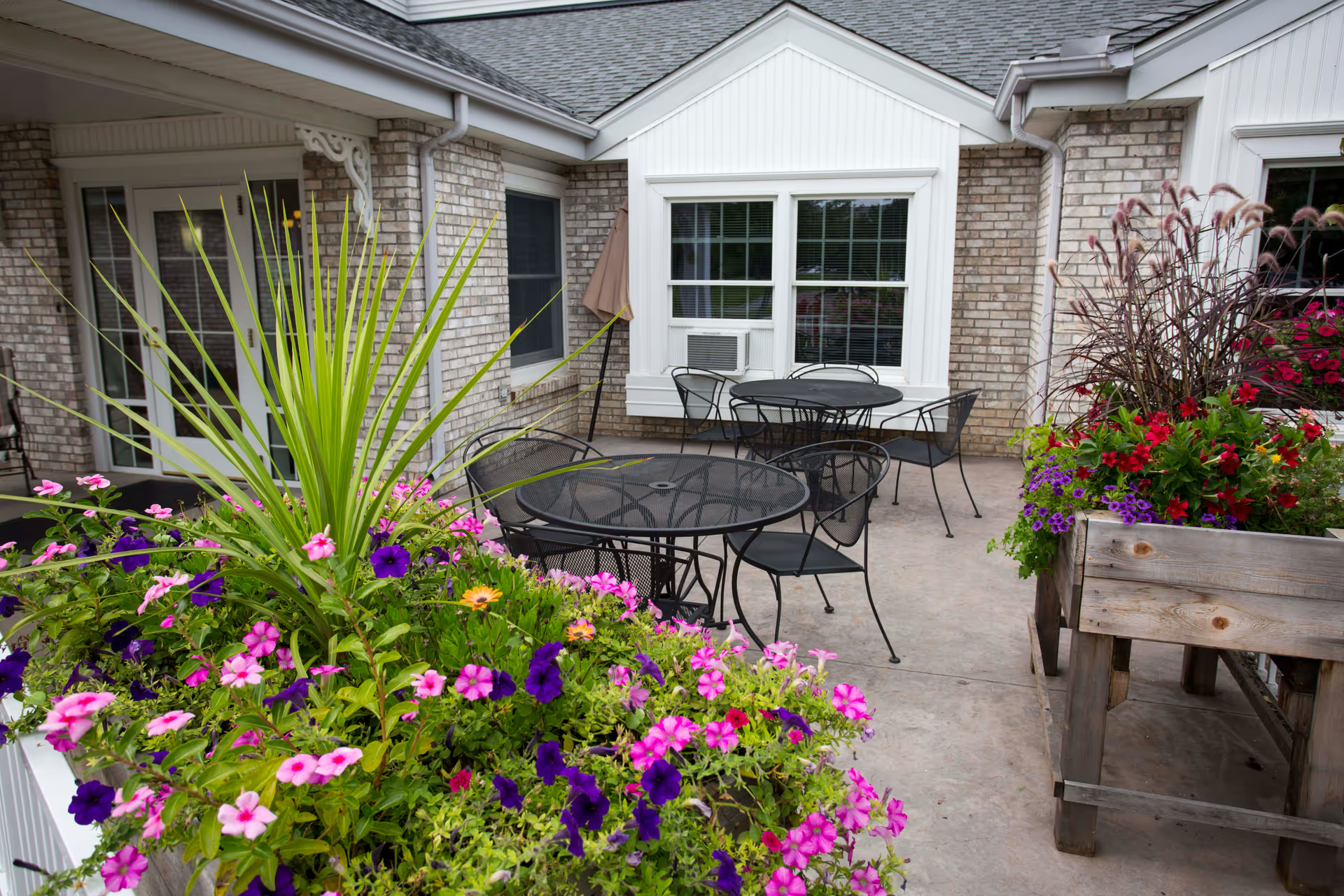
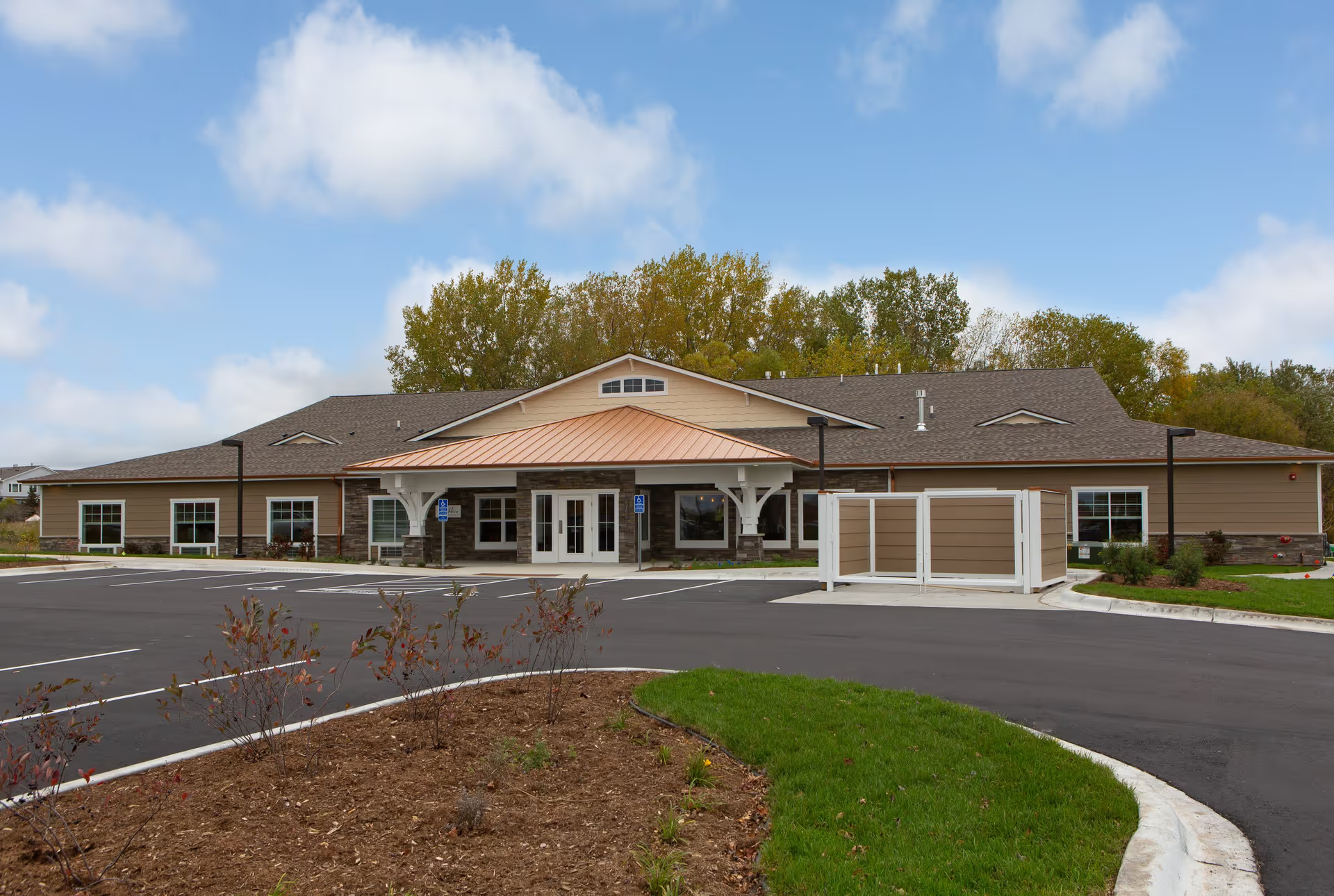
The physical environment and amenities receive consistent positive attention. The campus combines high-end architectural detail, abundant natural light, and dementia-friendly design elements such as themed corridors and personalized doors. Additional features include spacious private rooms with kitchenettes and large bathrooms, safe outdoor patios and verandas for visiting, advanced air-filtration, heated flooring, and onsite amenities (spa, salon, fitness and event spaces). Routine housekeeping and laundry processes are described as timely, and the facility’s landscaping and grounds are well maintained.
Notable patterns of concern center on operations and accessibility. Cost is a recurring constraint—many accounts describe the community as expensive—so affordability should be evaluated up front. Some families experienced inconsistent customer-service tone, particularly at front-desk or evening shifts, indicating variability in interpersonal interactions. Technical infrastructure and internet/technology support have been cited as gaps needing attention. Onsite logistics such as parking and site access (including a steep approach and limited parking capacity) may present challenges for visitors. Finally, caregiver continuity can vary; the staffing model sometimes relies on rotating assignments rather than a single primary caregiver, which may affect continuity for families seeking a dedicated point person.
Overall, Moments Memory Care projects a strong, thoughtful memory-care model with high marks for staff skill, programming, dining, and environment. Prospective residents and families should prioritize clarifying cost and contract details, ask about primary caregiver assignment and shift-level staffing patterns, and verify parking and technology arrangements during a tour to ensure the operational fit matches their priorities.