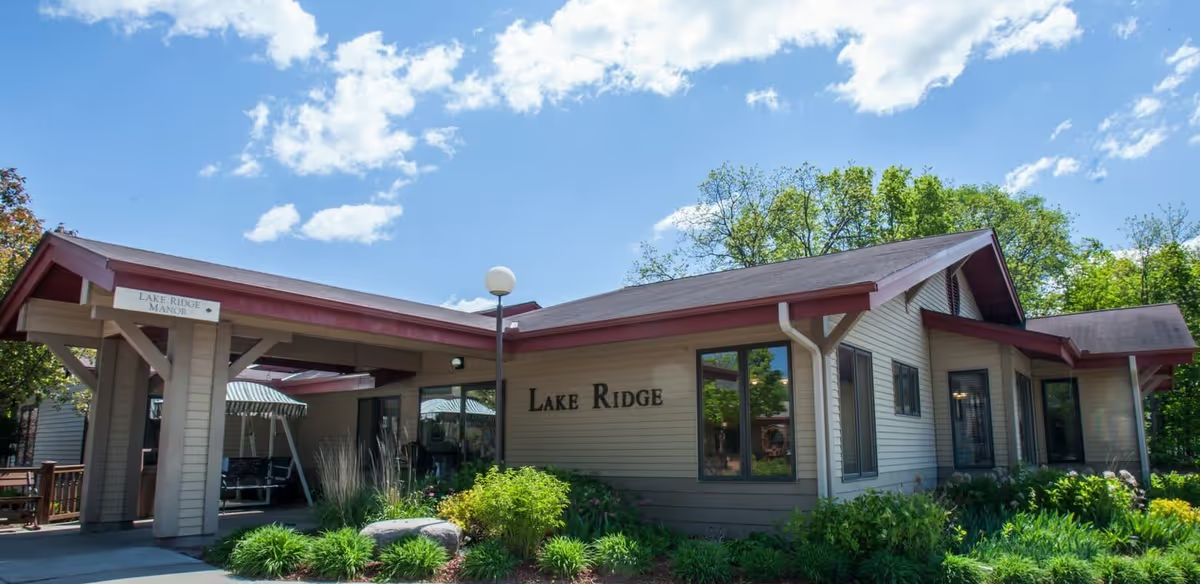
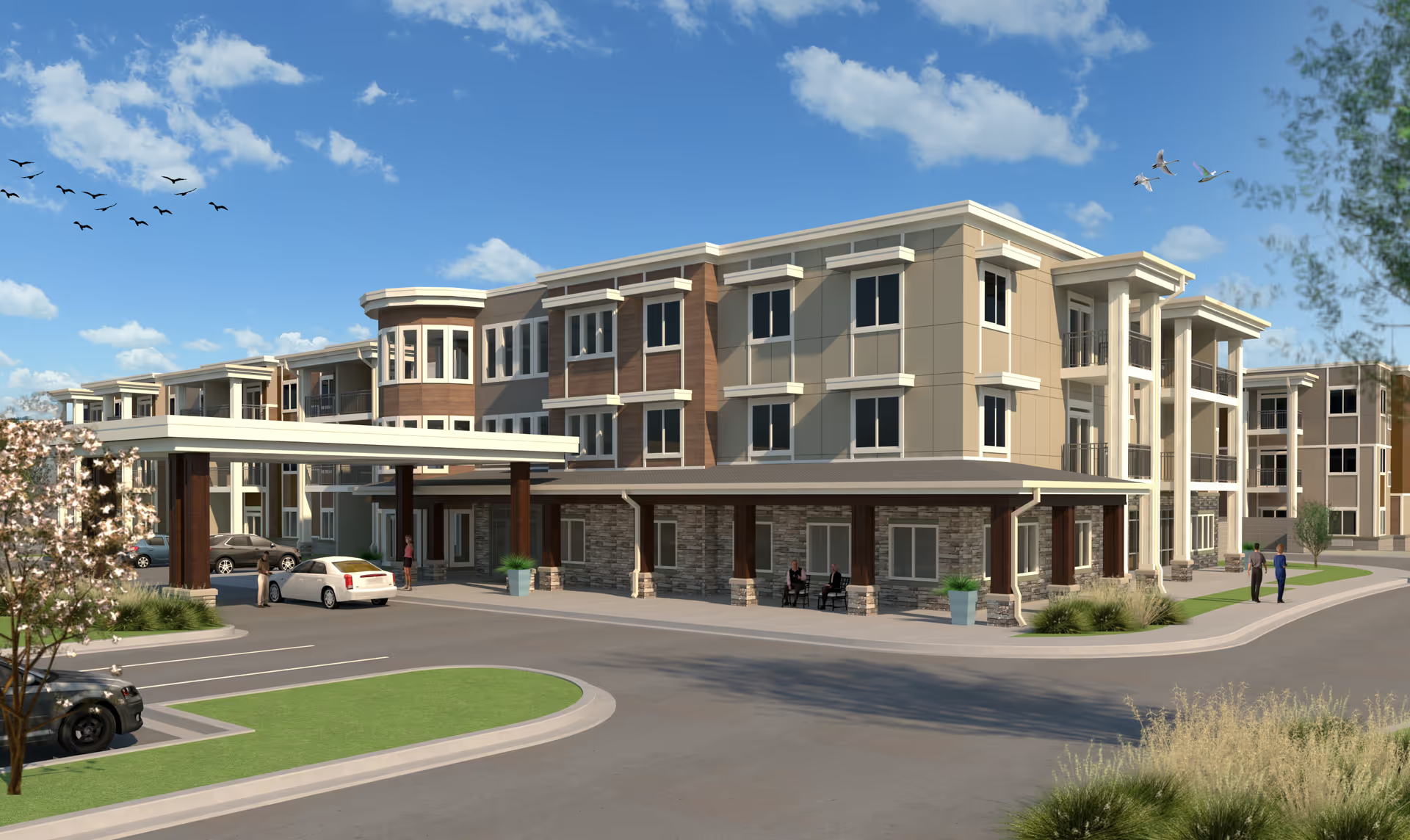
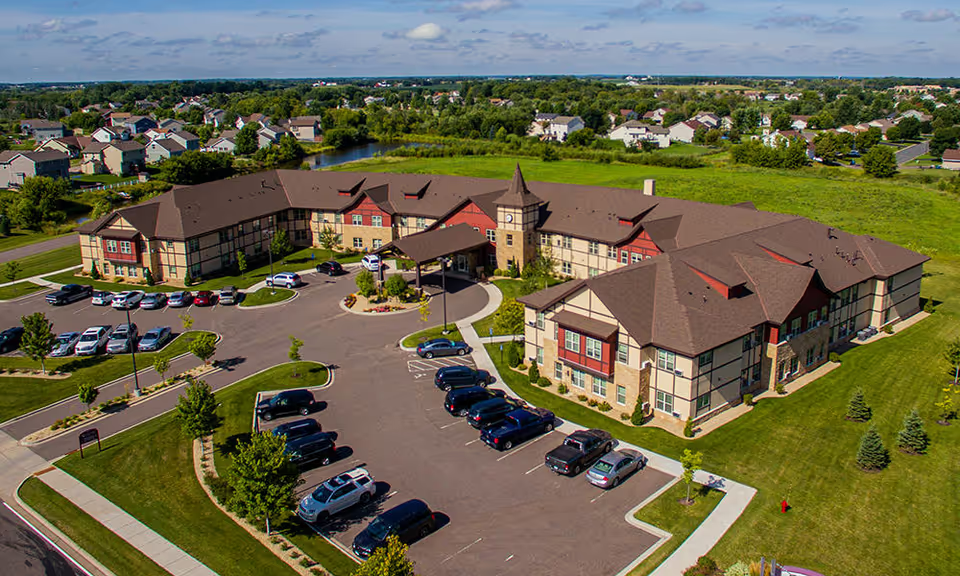
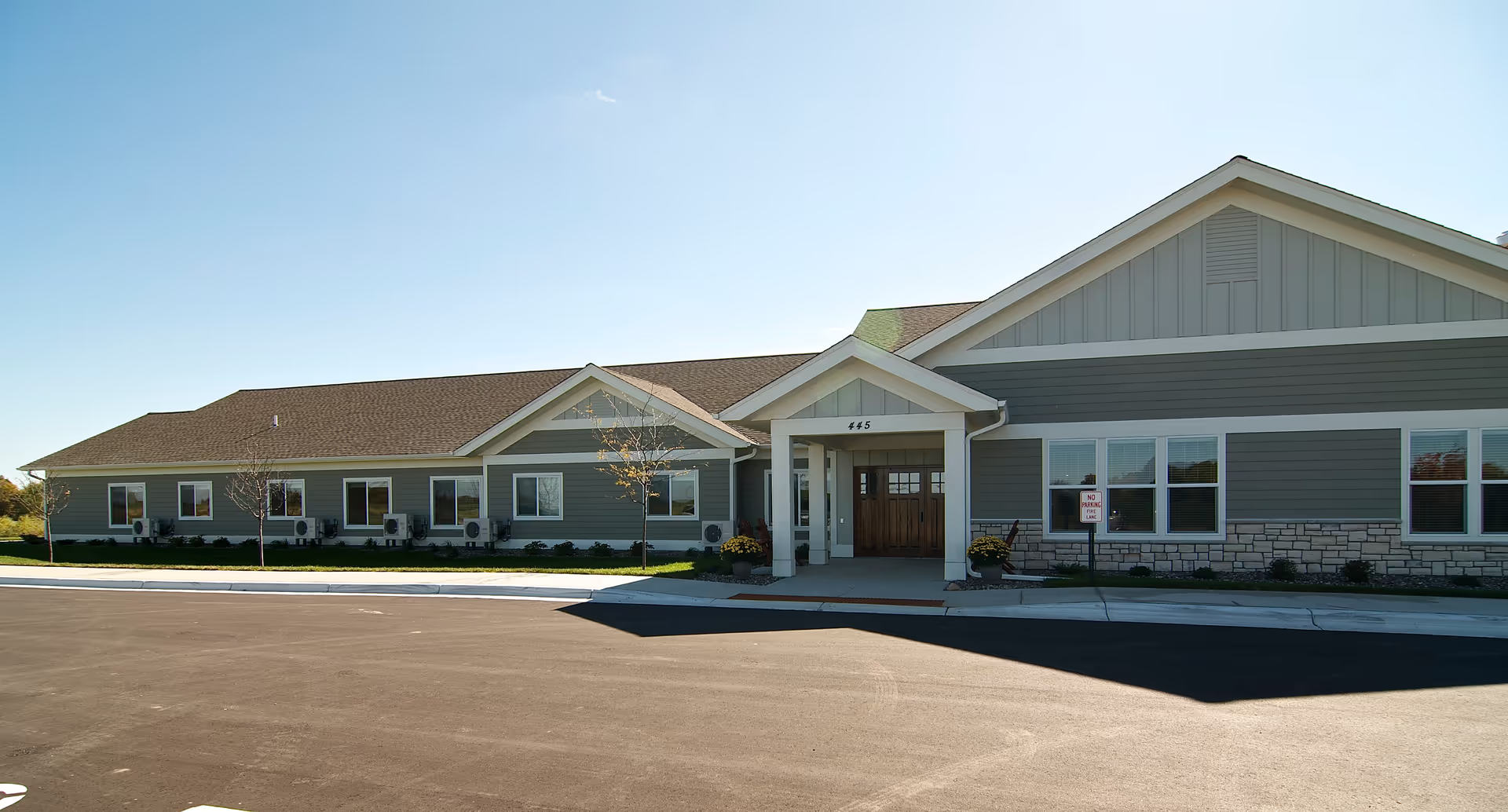
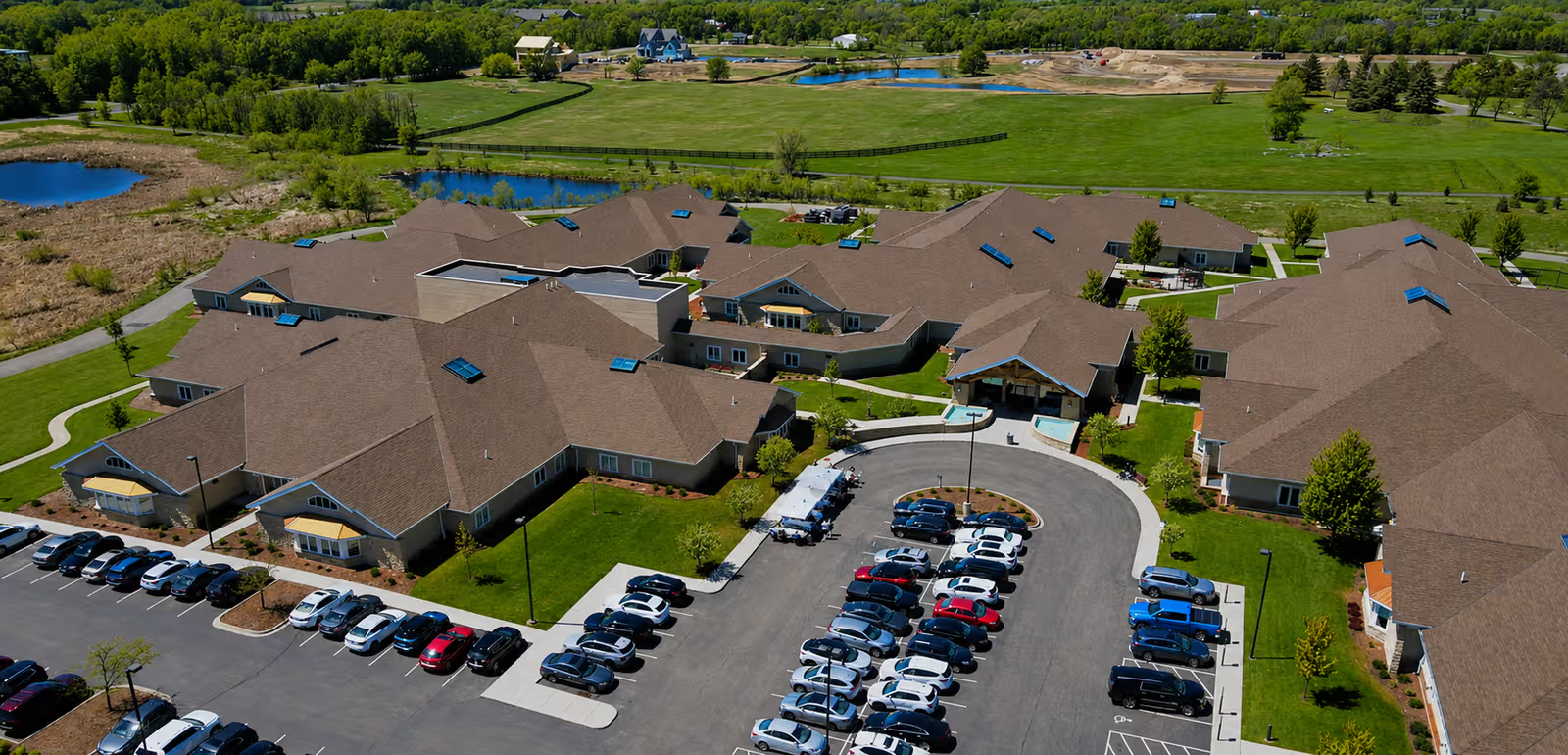
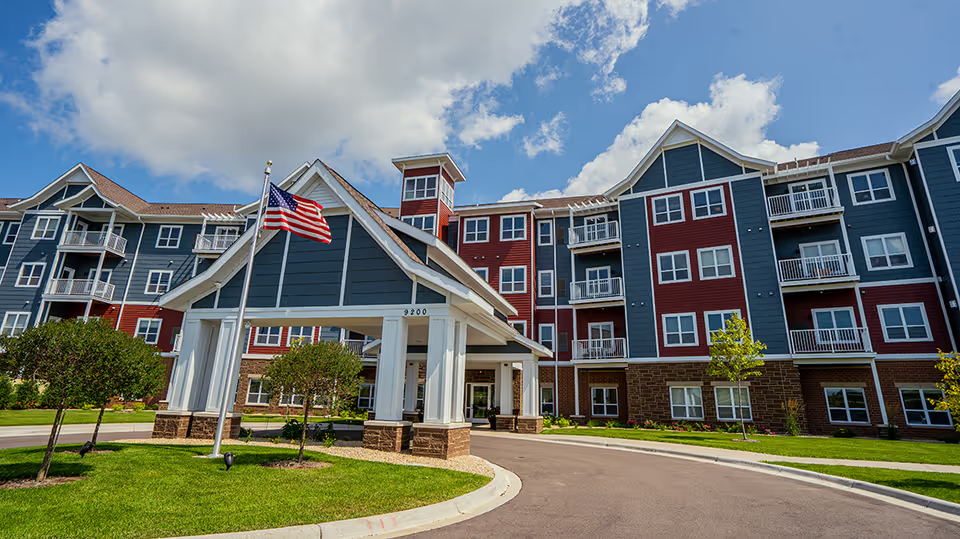
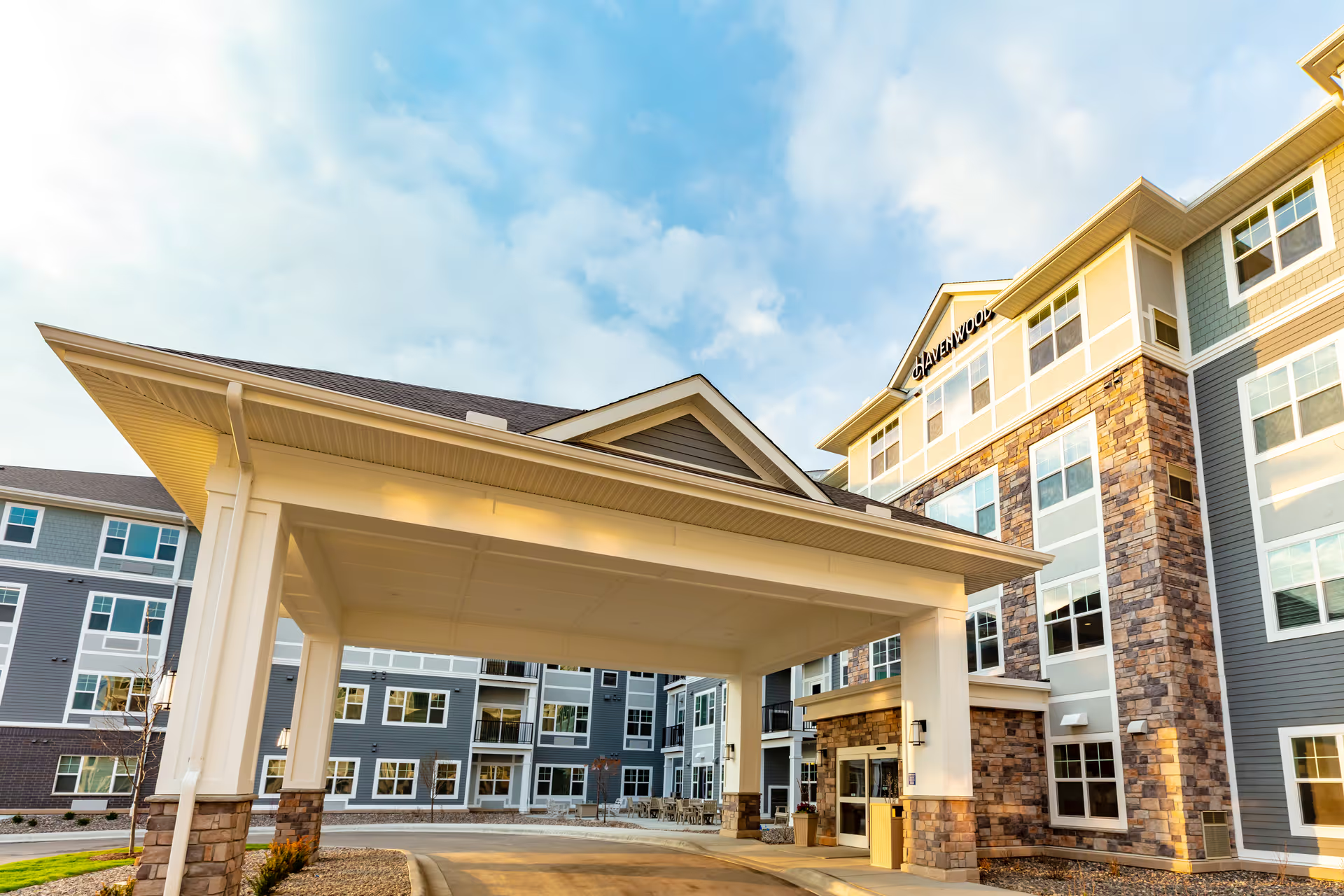
Havenwood of Buffalo is consistently described as a well-appointed, modern assisted-living community with strong emphasis on hospitality, social programming, and resident comfort. Reviewers repeatedly highlight a clean, attractive physical environment — including lake views, well-maintained landscaping, and bright common areas — and an array of on-site amenities such as a salon, library, and a well-equipped fitness center. Apartment units are described as spacious and home-like, and the property layout and grounds are frequently cited as assets for residents and visiting family.
Care quality and staffing are central strengths in the reviews. Families and residents characterize caregiving and nursing teams as caring, attentive, and invested in resident well-being; memory-care services and nursing responsiveness receive explicit praise in multiple accounts. Leadership and front-office staff are described as engaged and accessible, and numerous comments note staff who go beyond routine duties to help with transitions, admissions, and personalization of care. Safety features and clinical supports (24-hour coverage, pendants, in-house physician access referenced by some) contribute to perceptions of a secure environment.
Dining and programming are other prominent positives. The community offers restaurant-style dining with a broad selection of meals; many reviewers call out high food quality, enjoyable dining experiences (including special events and holiday meals), and accommodating service. Life-enrichment programming is varied and frequent — musical entertainment, crafts, outings, fitness classes, and individualized engagement are all cited. The fitness center is noted as a substantive amenity, with a range of machines, preset equipment, and available personal training.
Notable patterns of concern are limited but consistent enough to flag for prospective residents. Cost and availability emerge as recurring operational issues: pricing is often characterized as premium compared with nearby alternatives, and high occupancy can limit immediate move-in options. A smaller number of comments point to variability in staff responsiveness or communication tone, and an isolated cluster of concerns suggests occasional lapses in clinical leadership responsiveness in specific situations. While dining is generally praised, there are intermittent comments about menu choices or food presentation that suggest some variability in culinary execution. A few reviewers mention maintenance or equipment issues (for example, fitness-equipment malfunctions), which appear sporadic rather than systemic.
Overall, the dominant impression is of a professionally run, amenity-rich community with a strong culture of attentive caregiving and vibrant resident life. Prospective residents and families should weigh the community’s premium pricing and current occupancy status against the consistently positive accounts of staff engagement, dining, activities, and the quality of the physical environment. It may be helpful to confirm current availability, tour multiple unit types (including studio layouts) to assess perceived value, and discuss specific clinical-communication expectations during the admissions process to ensure alignment with family needs.