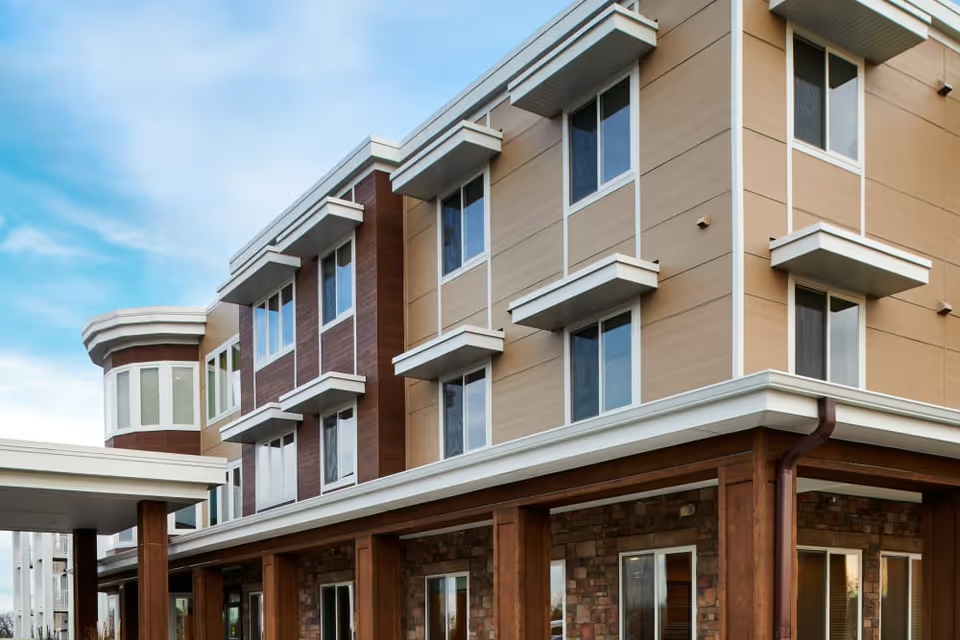
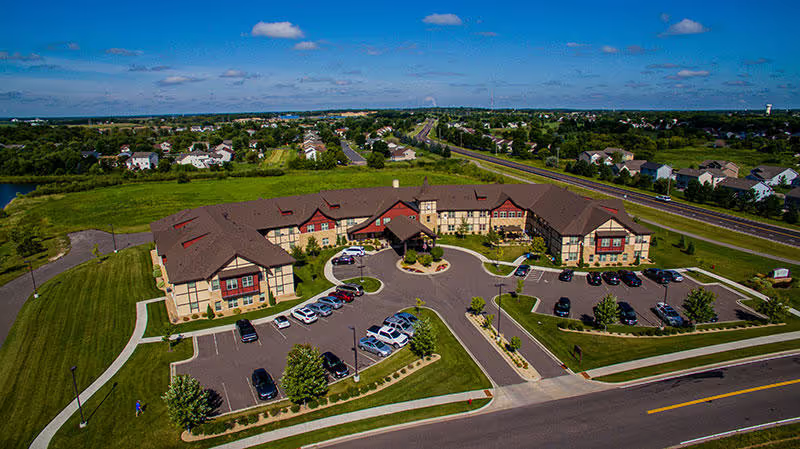
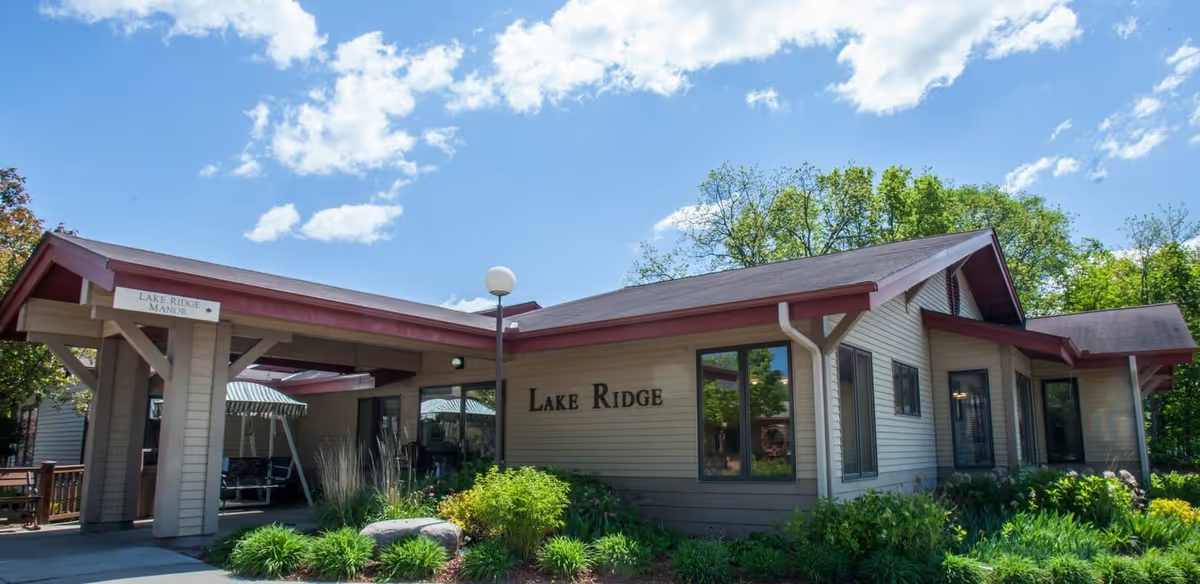
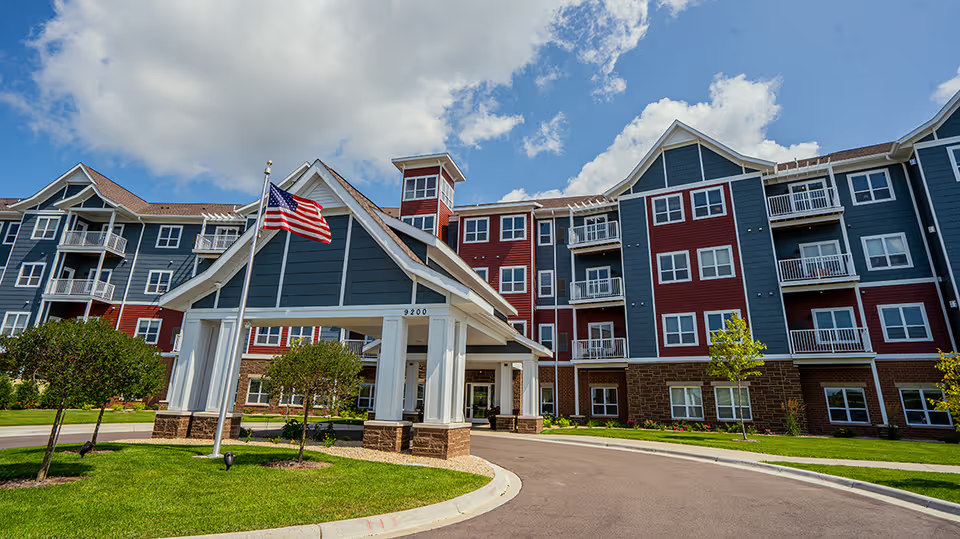
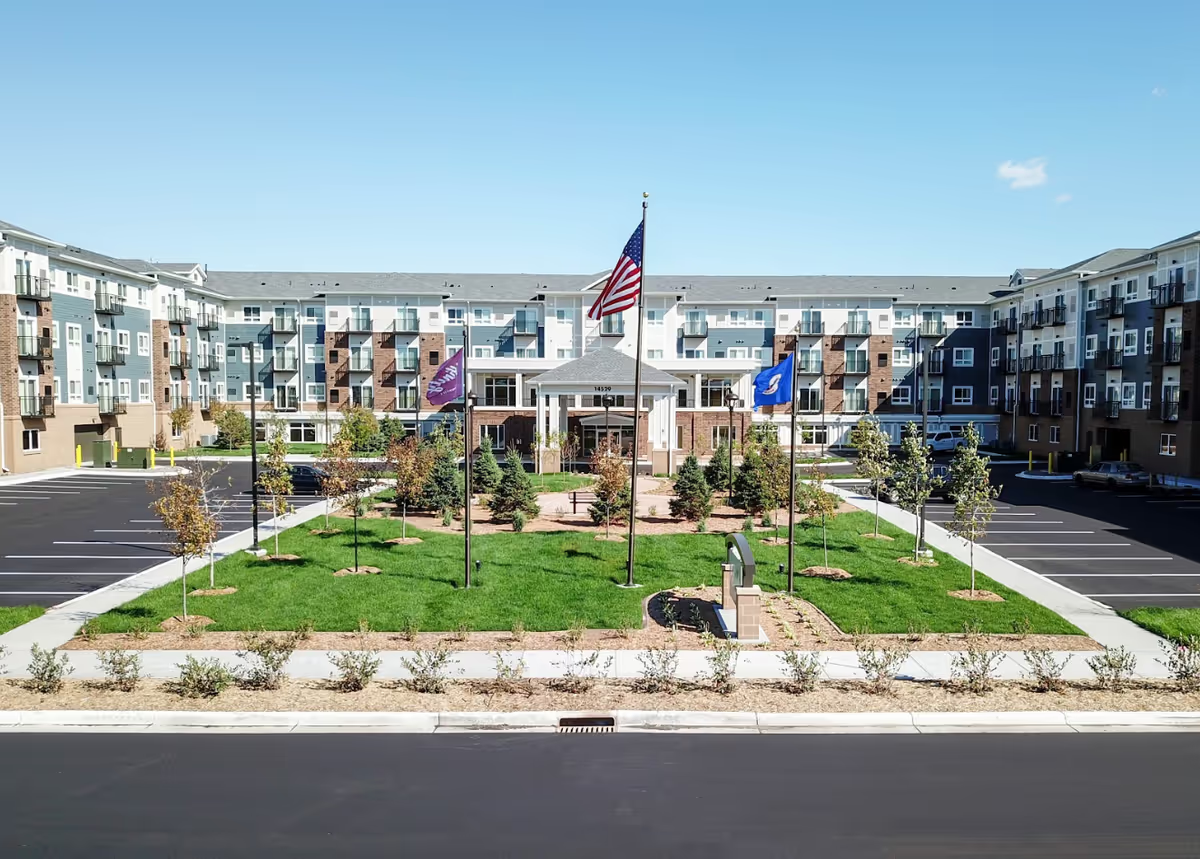
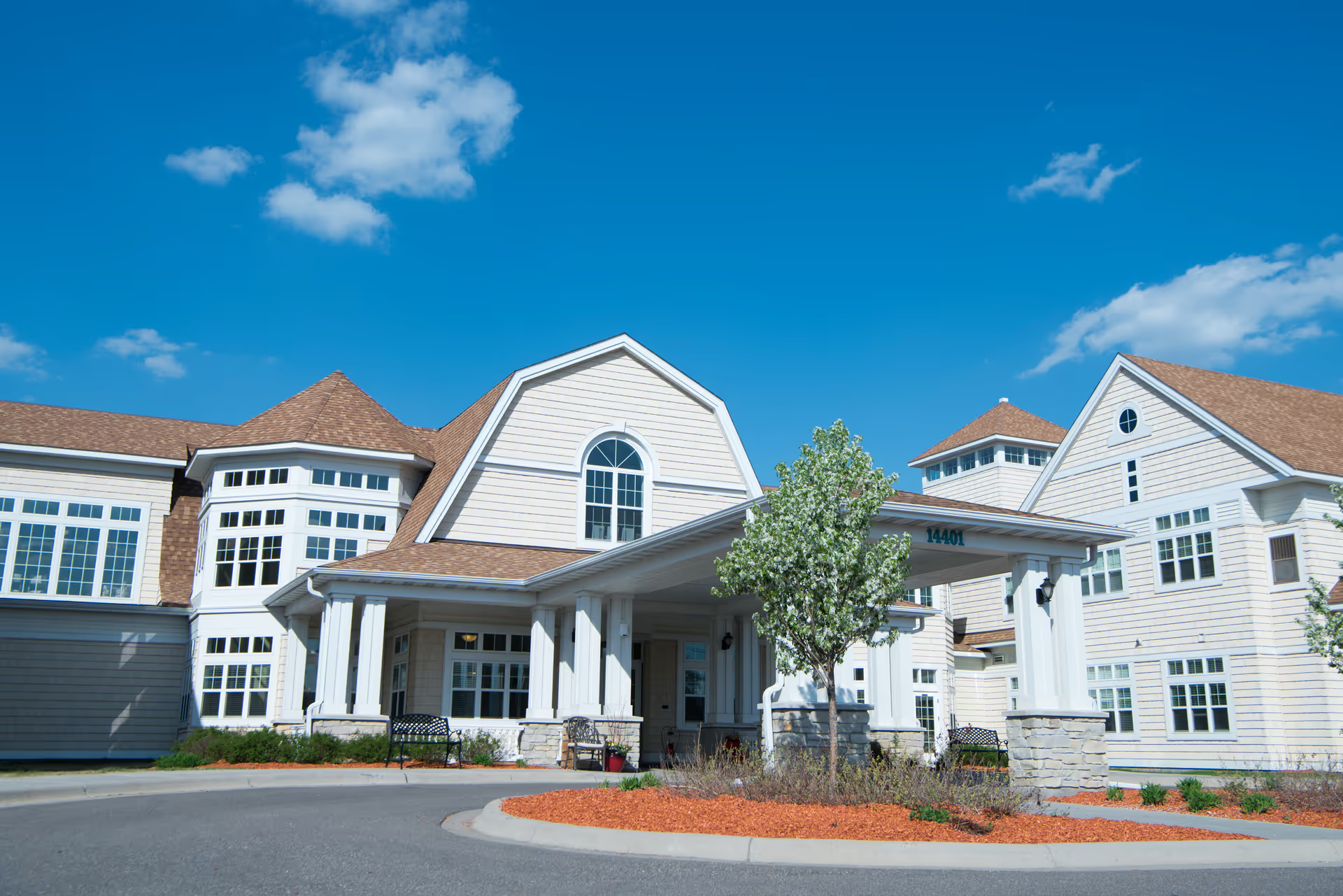
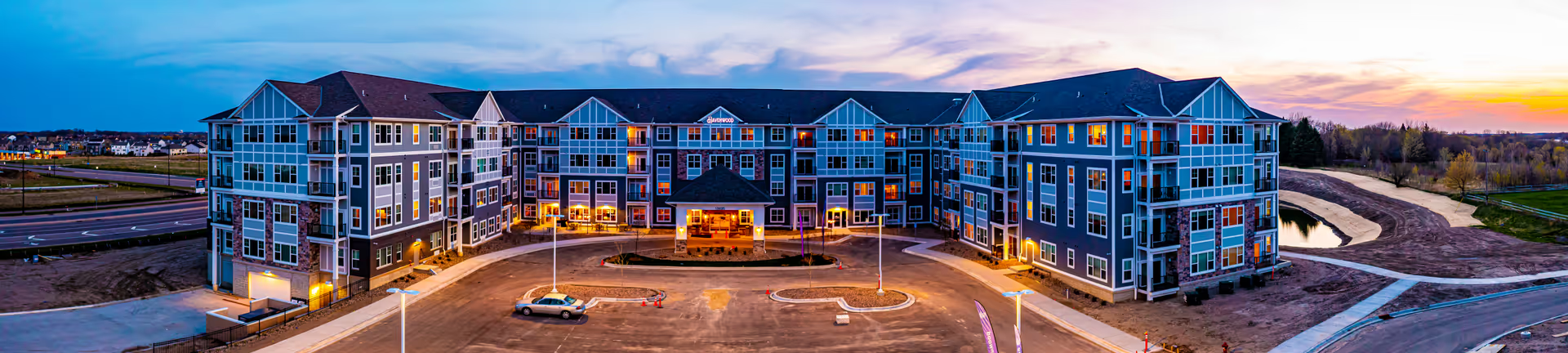
Ecumen St. Benedict's Community — Monticello presents as a well-equipped, faith-based senior living campus with a broad continuum of care from independent living through memory and skilled nursing. Strengths commonly highlighted include around-the-clock nursing and on-site primary-care support, coordinated home-care services, and a robust set of amenities such as a movie theatre, salon, library, and chapel with frequent worship opportunities. Apartments and grounds are often described as attractive and well-maintained, and many families emphasize compassionate, family-like interactions with direct-care staff.
Clinical and daily-care strengths include 24/7 nursing and memory-care availability, on-site physician services, coordinated home-care options, and three daily meals overseen by nutrition staff. Reviewers frequently note a broad activity calendar — cards, crafts, music programs, bus outings, theatrical presentations and social events — that supports social engagement and reduces isolation. Spiritual and pastoral offerings are prominent and valued by residents who prioritize faith-based programming.
There are consistent operational concerns to weigh alongside the positives. Staffing levels and consistency appear variable, and reviewers raise issues with responsiveness to resident needs and with emergency-call reliability; some responses described delays or barriers to first-responder access. Related clinical-safety patterns cited include medication-handling and transfer-safety gaps. Several comments also point to sanitation concerns in specific entry or common areas and to occasional variability in housekeeping consistency across the campus.
Dining and service delivery show strengths (nutrition oversight, many compliments about meals) but also some variability: families noted intermittent cold meal deliveries, limited independent-dining options without extra cost, and uneven meal experiences during pandemic-related restrictions. Administrative areas such as front-desk operations, intake logistics, and communication about pricing have been described as disorganized at times; multiple families expressed concern about cost levels and the transparency of price increases.
Memory-care and clinical management merit particular attention during the tour. While the facility offers memory-care services, reviewers described uneven experience in that unit and recommended asking specific questions about staffing ratios, dementia-specific training, and safety protocols. Accessibility and arrival logistics — parking distance, sidewalk routing, and unit-level access for walkers/wheelchairs — were called out as practical considerations for visitors and residents with mobility needs.
A small number of reviewers raised serious allegations, including formal complaints and police involvement; these statements are distinct from operational critiques and should be investigated directly with administration and by reviewing recent regulatory histories. Prospective residents and families would be well served by an in-person visit that includes observation of mealtime service, a review of emergency-call testing and response protocols, discussions about staffing ratios and turnover, clarity on contracts and fee increases, and a walkthrough of memory-care procedures and sanitation practices. Overall, the community offers substantial amenities and strong spiritual programming with many positive care experiences, but decision-makers should confirm operational reliability and safety measures to ensure alignment with their care priorities.