Stone Hill at Andover is presented across reviews as a professionally run, aesthetically appealing community with a pronounced emphasis on hospitality, social engagement, and culinary quality. Families and residents consistently praise the warmth and attentiveness of caregiving staff, the visibility and responsiveness of leadership, and the community’s ability to create a family-like atmosphere. Memory-care programming and 24-hour support receive repeated positive attention, as do end-of-life comfort and consistent caregiver assignments that support relationship-building.
Dining and lifestyle are clear strengths. The culinary team and dining leadership are described as creative and attentive, offering multiple dining venues (a modern dining room and a bistro), varied menus, and locally sourced ingredients. Programming is broad and active — examples include exercise and yoga classes, music and museum outings, arts, movie nights in a theater with reclining seats, and frequent social events — which contributes to residents’ engagement and a lively community vibe. On-site services such as physical therapy, a hair salon, laundry options, and well-maintained common spaces further support daily life and convenience.
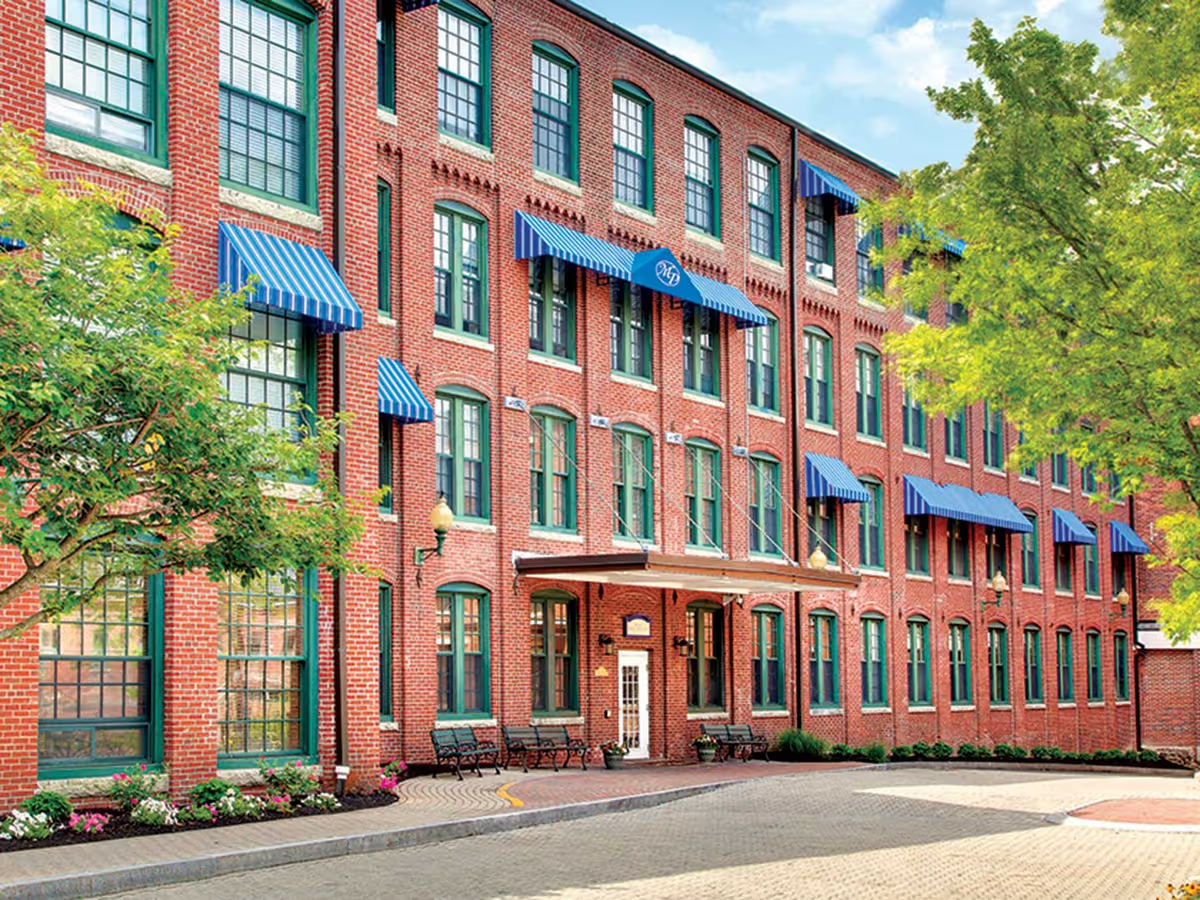
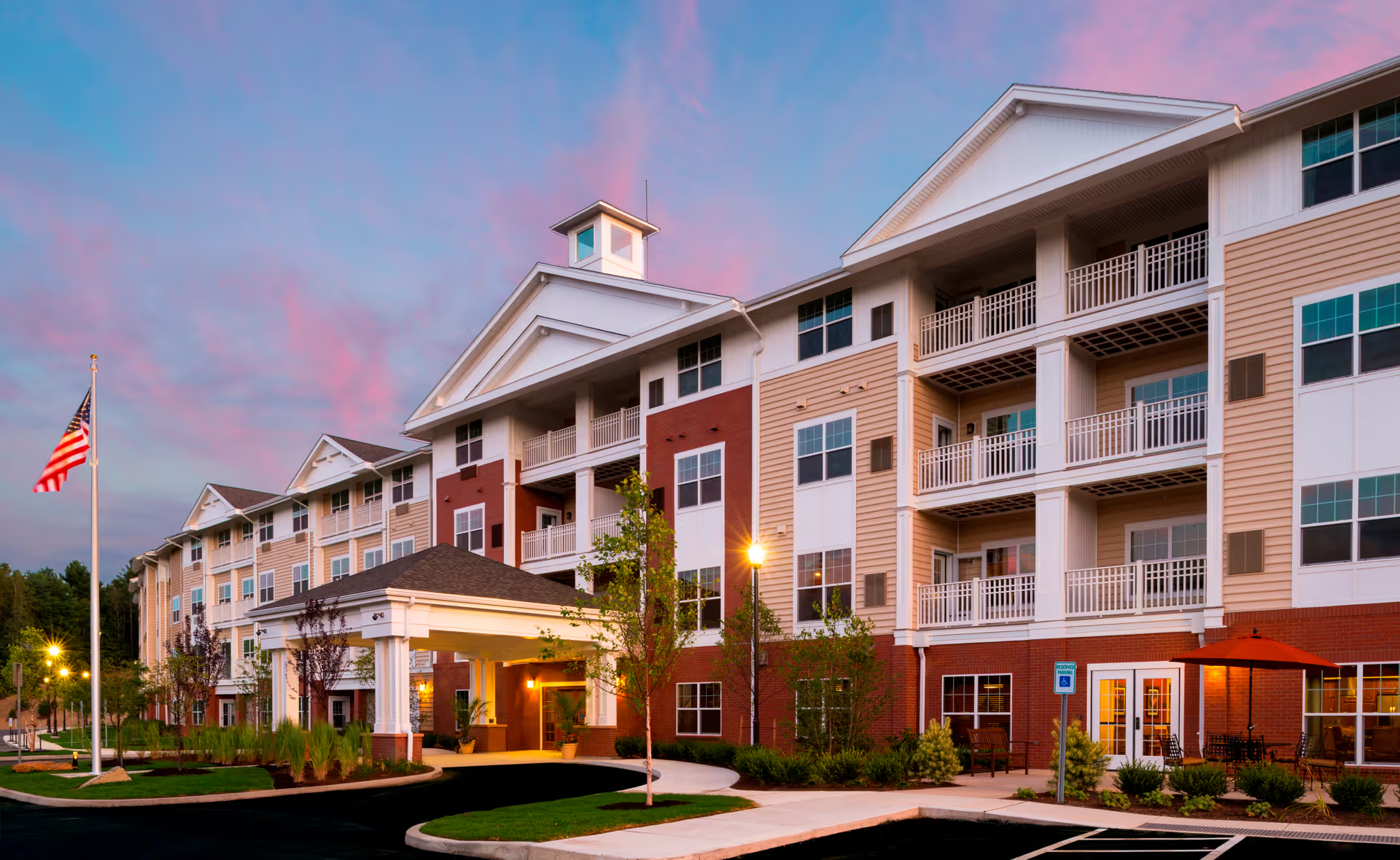
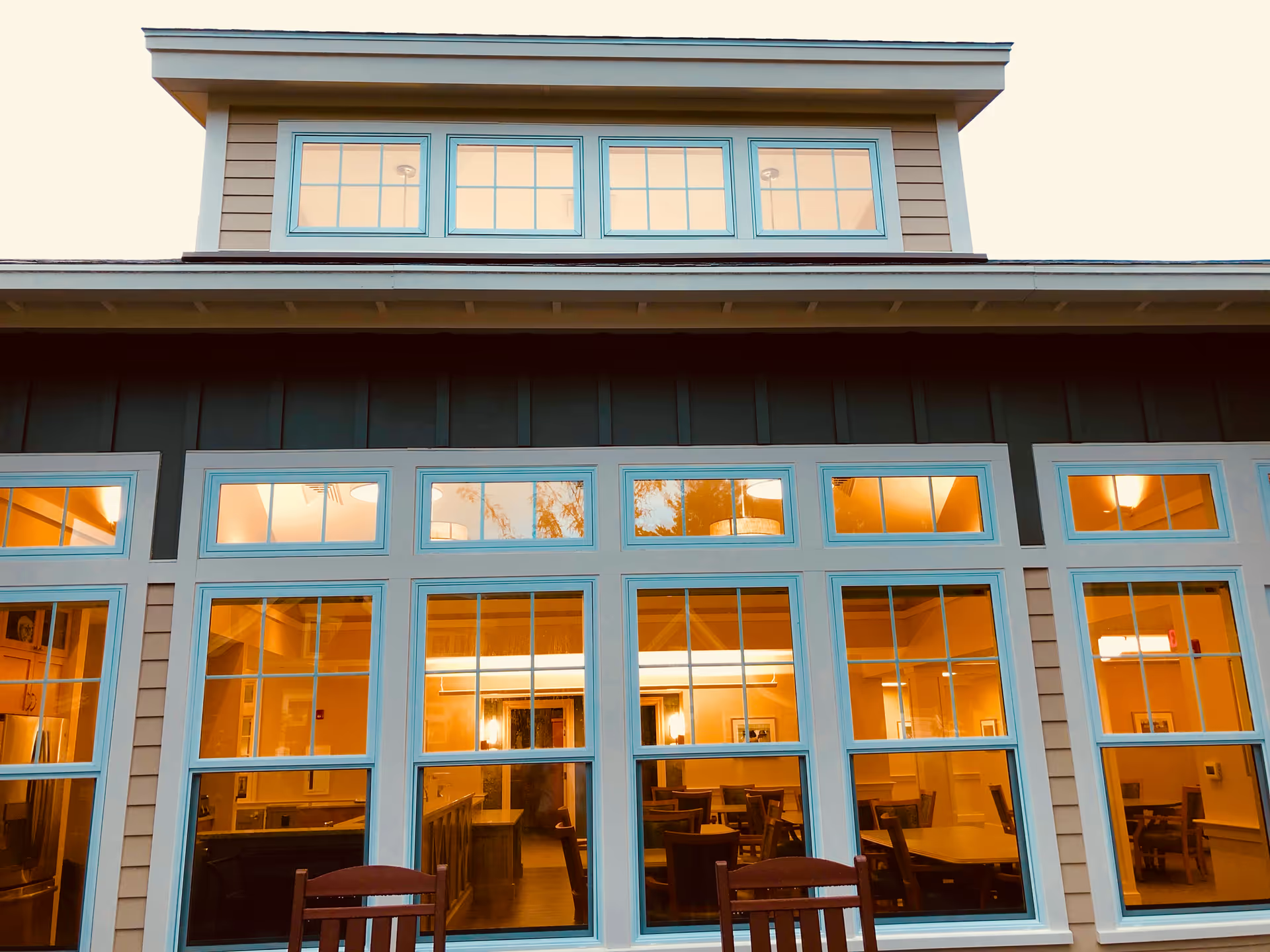
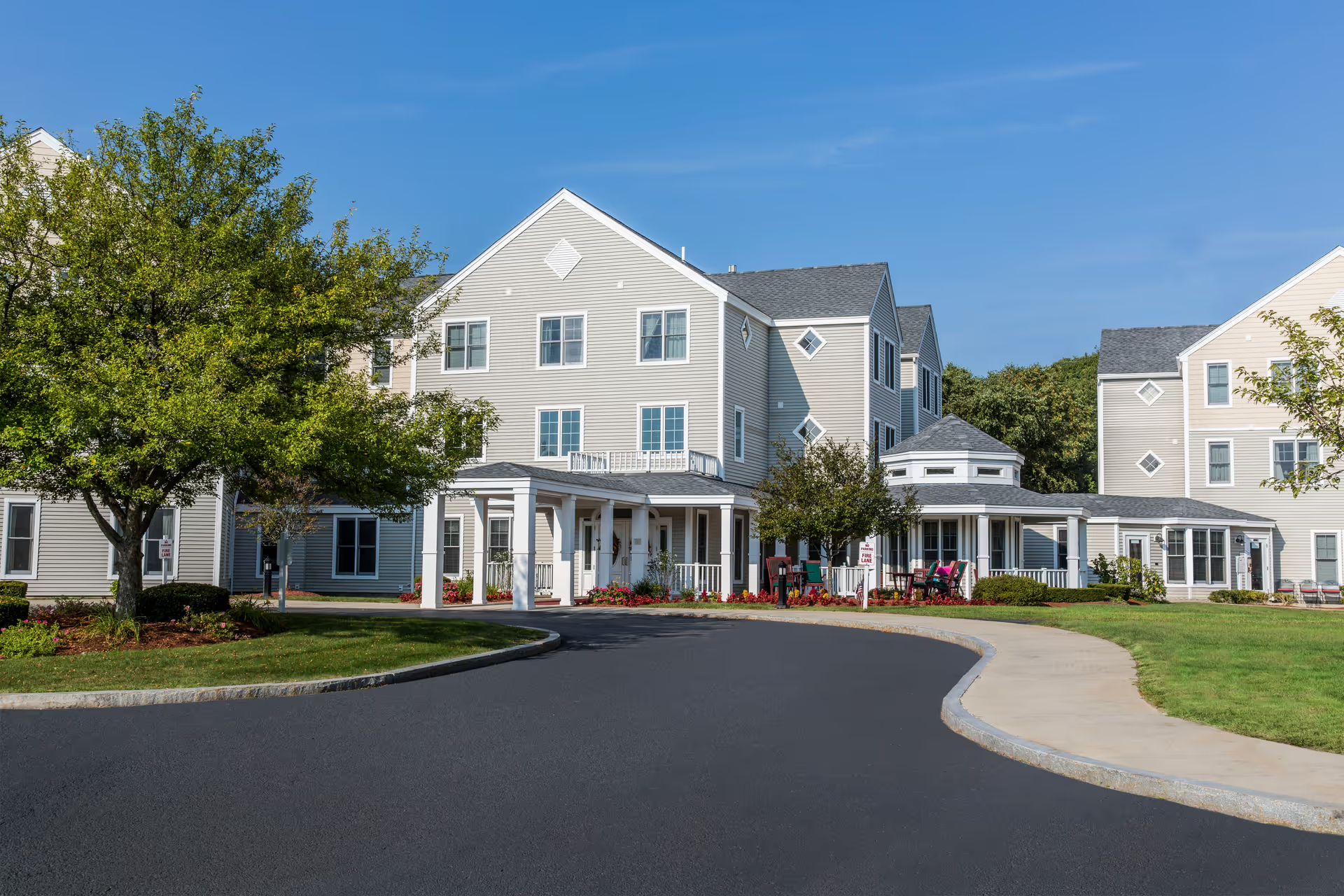
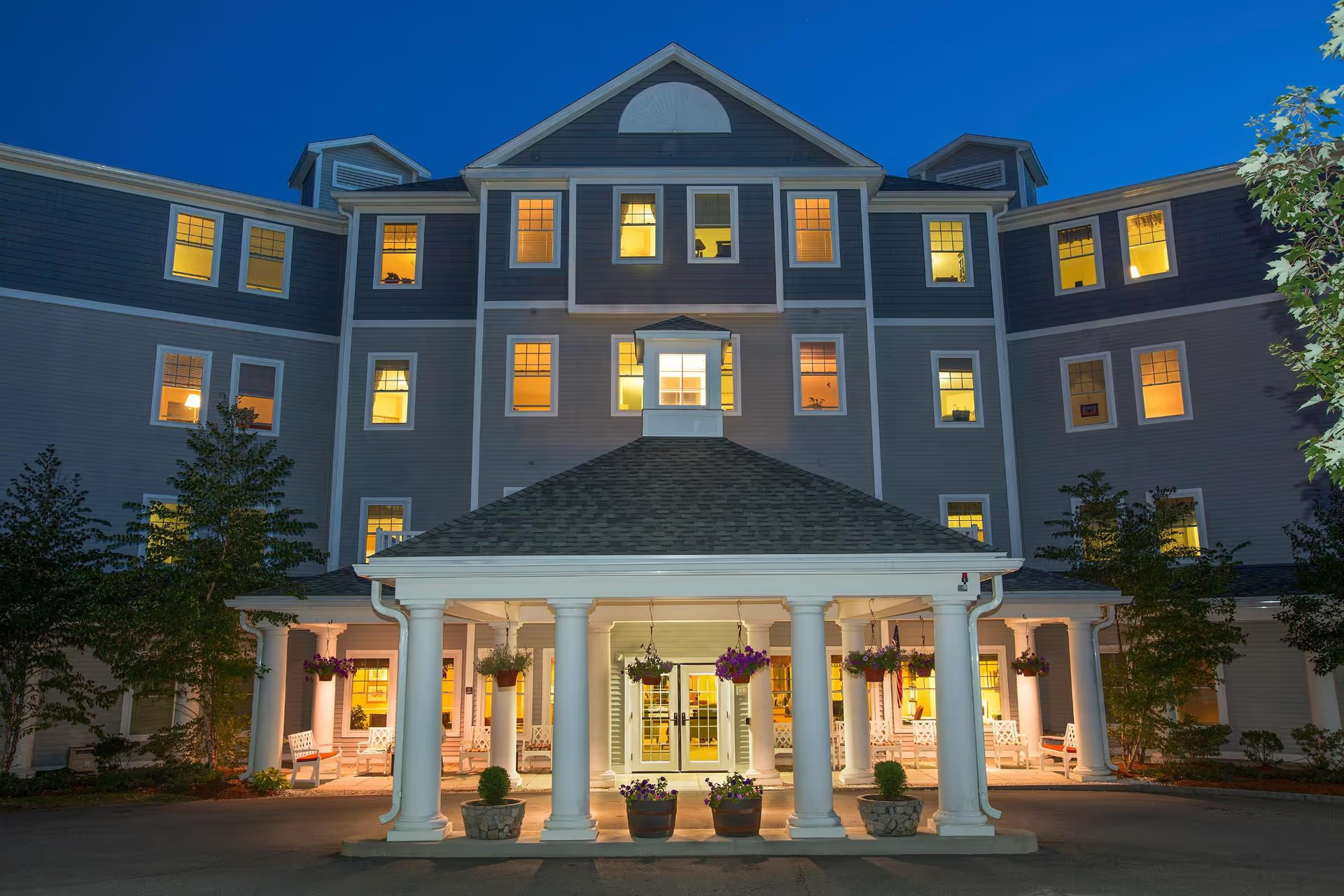
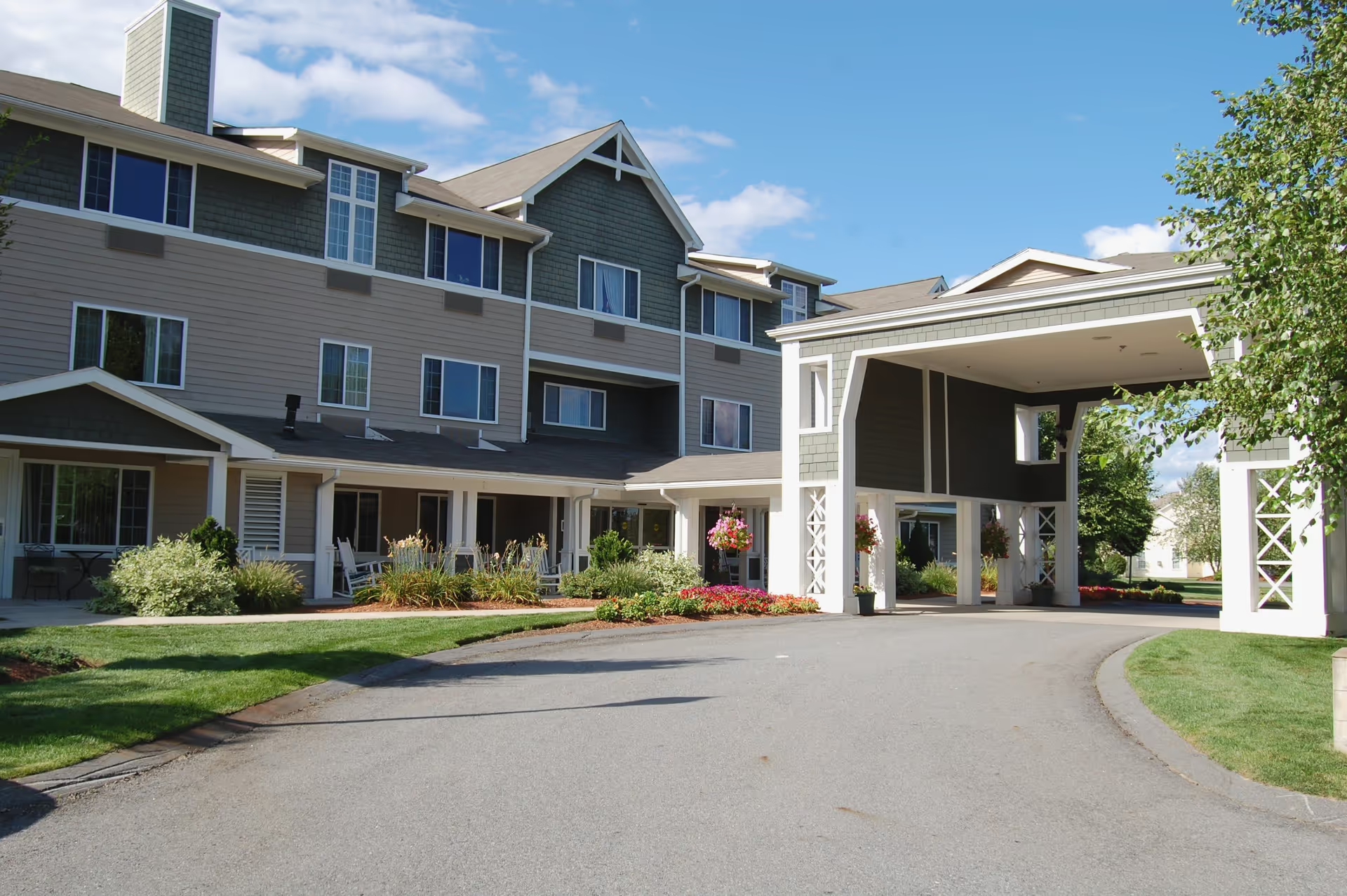
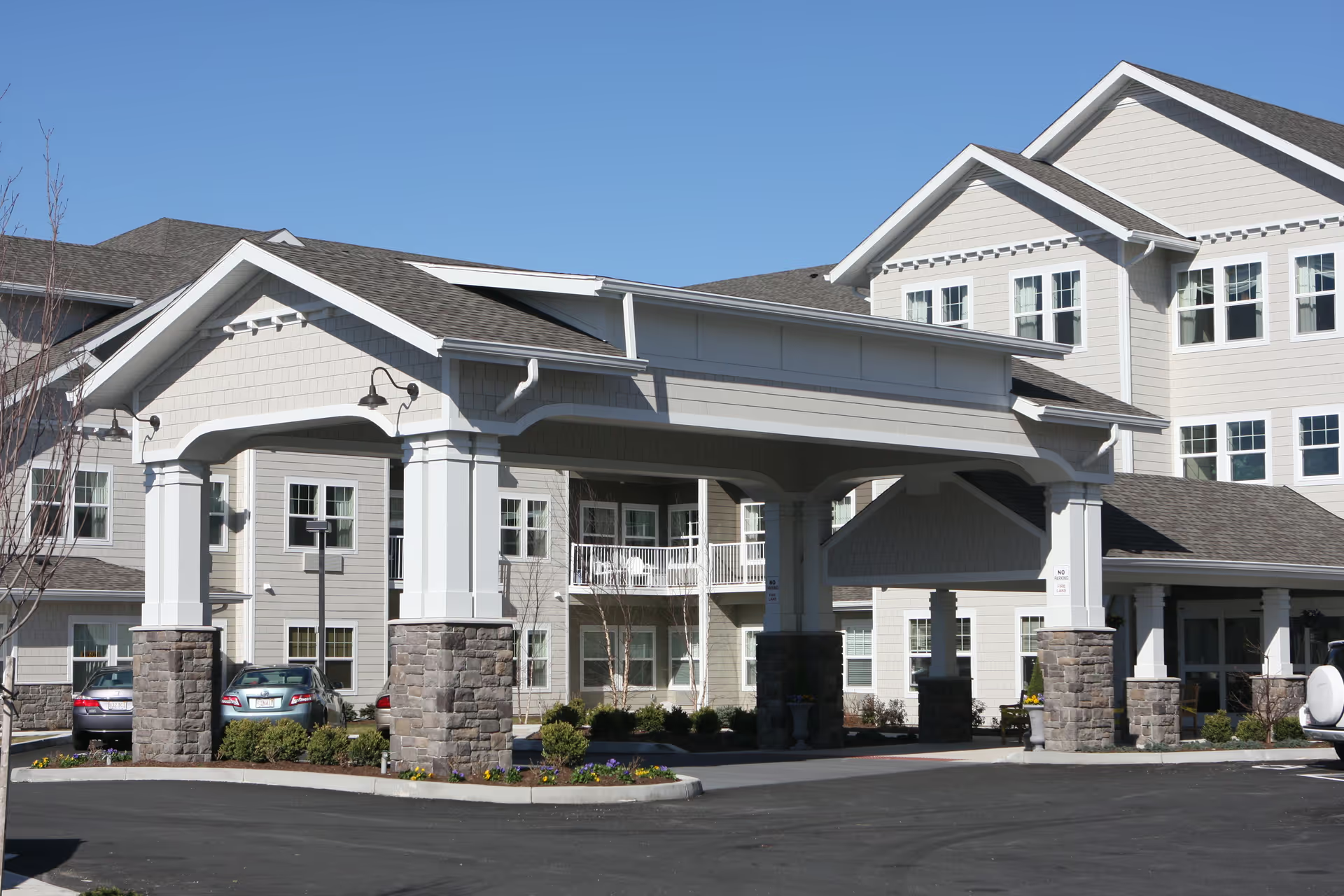
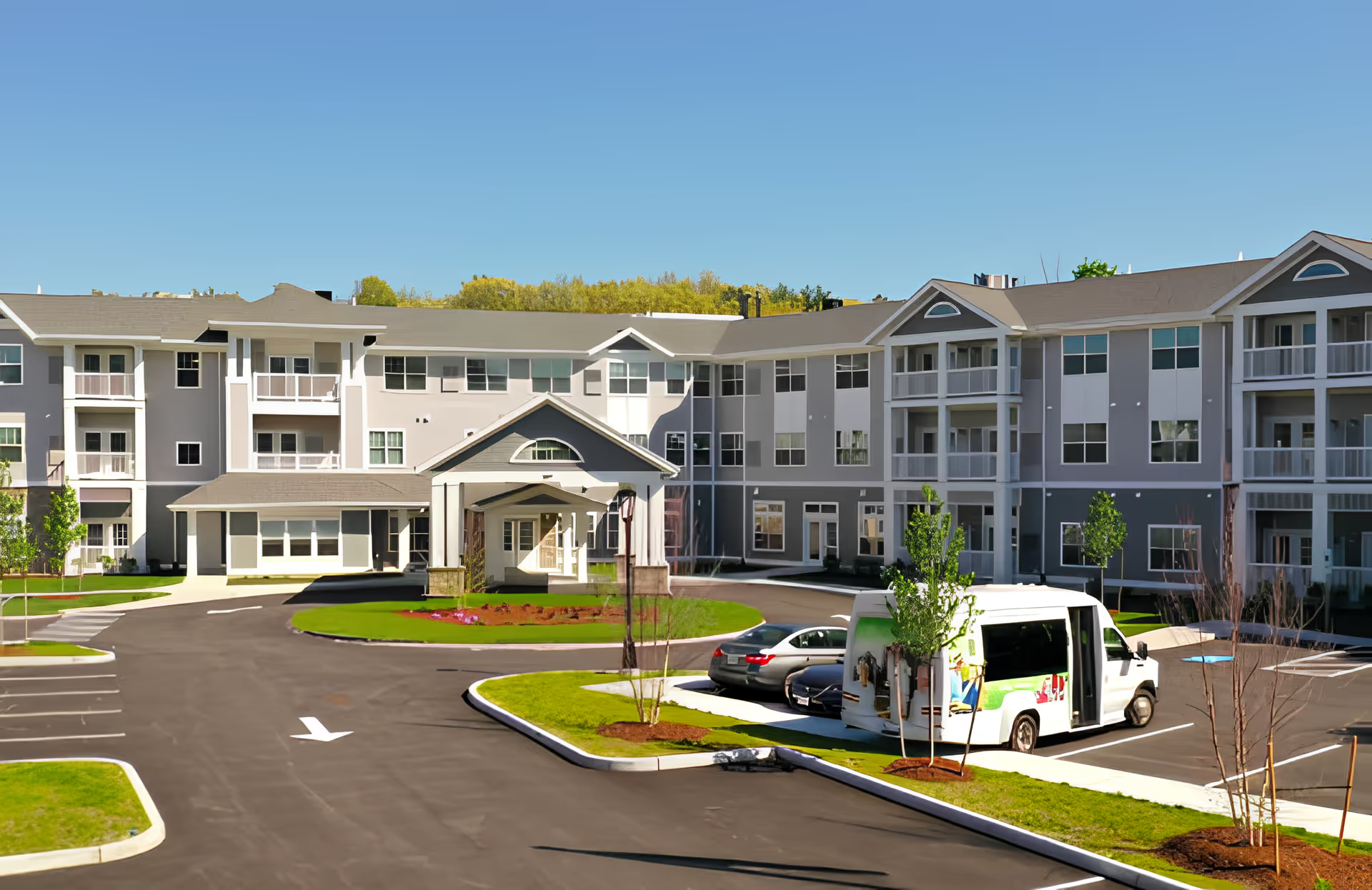
The physical environment is frequently noted as a selling point: attractive architecture, thoughtfully decorated interiors, clean public areas, and well-kept grounds with terraces, fenced outdoor areas, walking paths and courtyard features. Maintenance responsiveness and housekeeping are mentioned positively, and many families cite peace of mind from visible safety and infection-control practices.
Operationally, several patterns warrant careful consideration. Reviews indicate a limited on-site clinical scope for residents with higher medical needs: families describe gaps in routine clinical monitoring (for example, limited vital-sign checks), isolated medication-administration errors, and constraints on transfer/lift assistance that may require external emergency services. These observations suggest the facility may be best suited to residents whose primary needs are assistance with activities of daily living and memory-support rather than complex nursing care. Pricing and fee transparency are another recurring theme — reviewers mention periodic rate increases and supplemental charges (room-service fees and other extras) that can affect perceived value. There are also notes about variability in apartment sizes and some concerns about dining policy rigidity and meal portioning.
A small number of more serious concerns are present in the feedback, including an allegation related to construction activity and its community impact; prospective families should inquire specifically about any recent or ongoing construction, noise, and community relations. In addition, some comments point to occasional inconsistencies in resident social engagement across different areas of the community and questions about occupancy versus perceived value.
Recommendation: Stone Hill appears to offer a warm, activity-rich environment with particularly strong culinary offerings and a committed caregiving culture. Prospective residents and families should prioritize an in-person tour, ask detailed questions about clinical capabilities (vital-sign monitoring, medication administration protocols, and lift/transfer policies), request written fee schedules and recent rate-change history, and inspect apartment sizes to ensure a fit with care needs and budget. For families seeking an engaging, well-appointed community with strong memory-care programming and hospitality-focused staff, Stone Hill is a compelling option; for those requiring higher-acuity nursing services or extensive transfer assistance, further verification of clinical scope is advised prior to move-in.