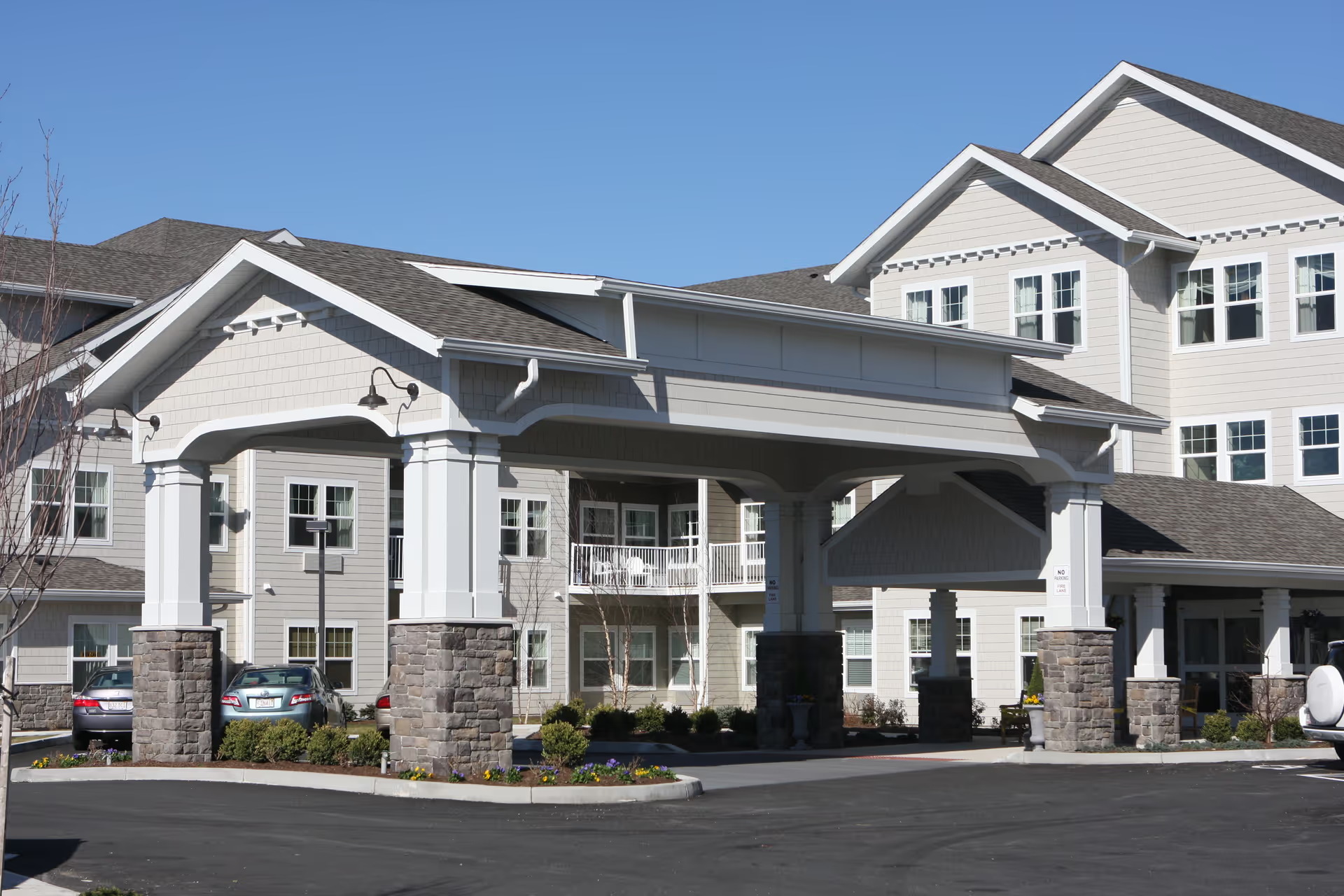
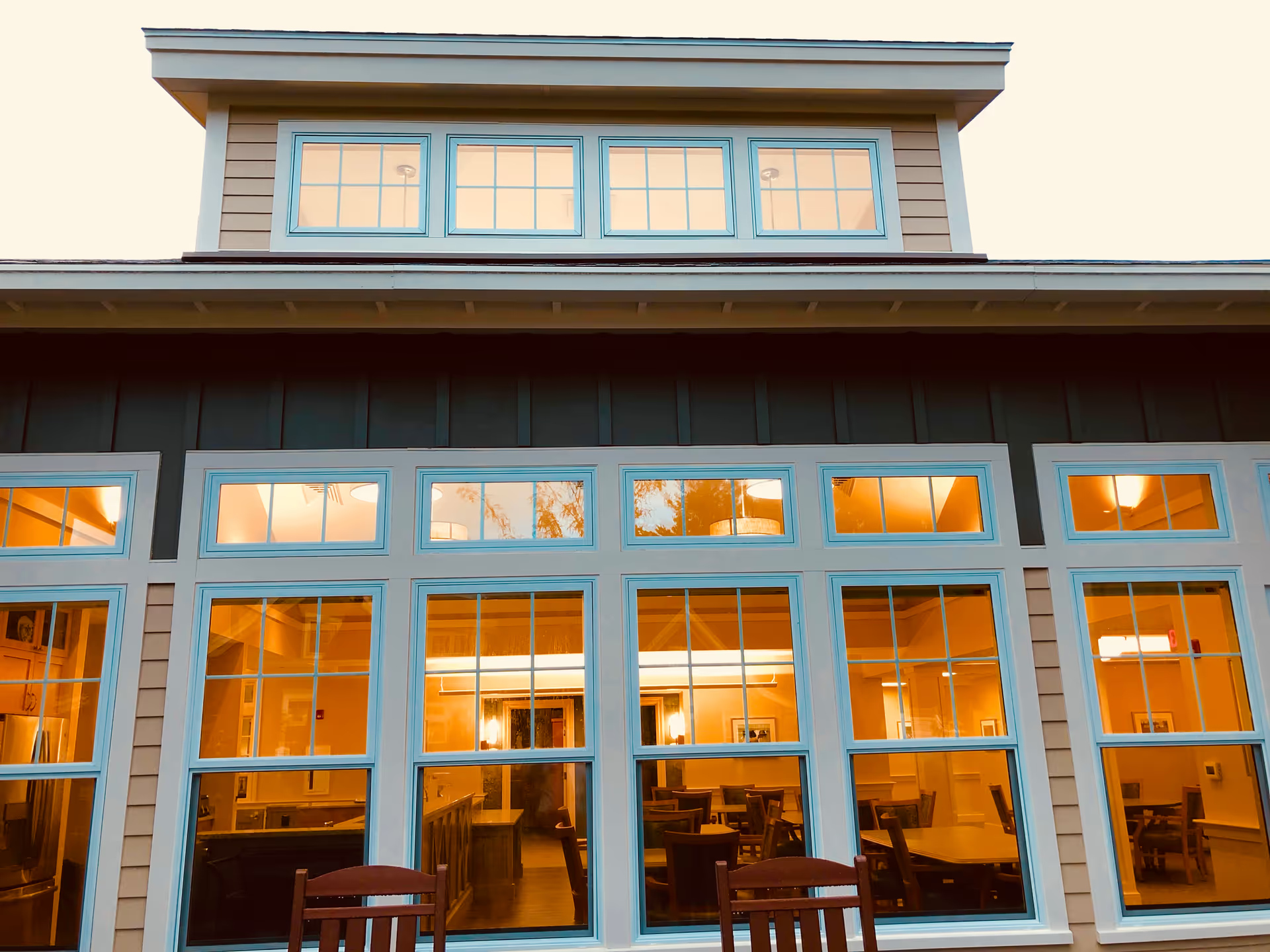
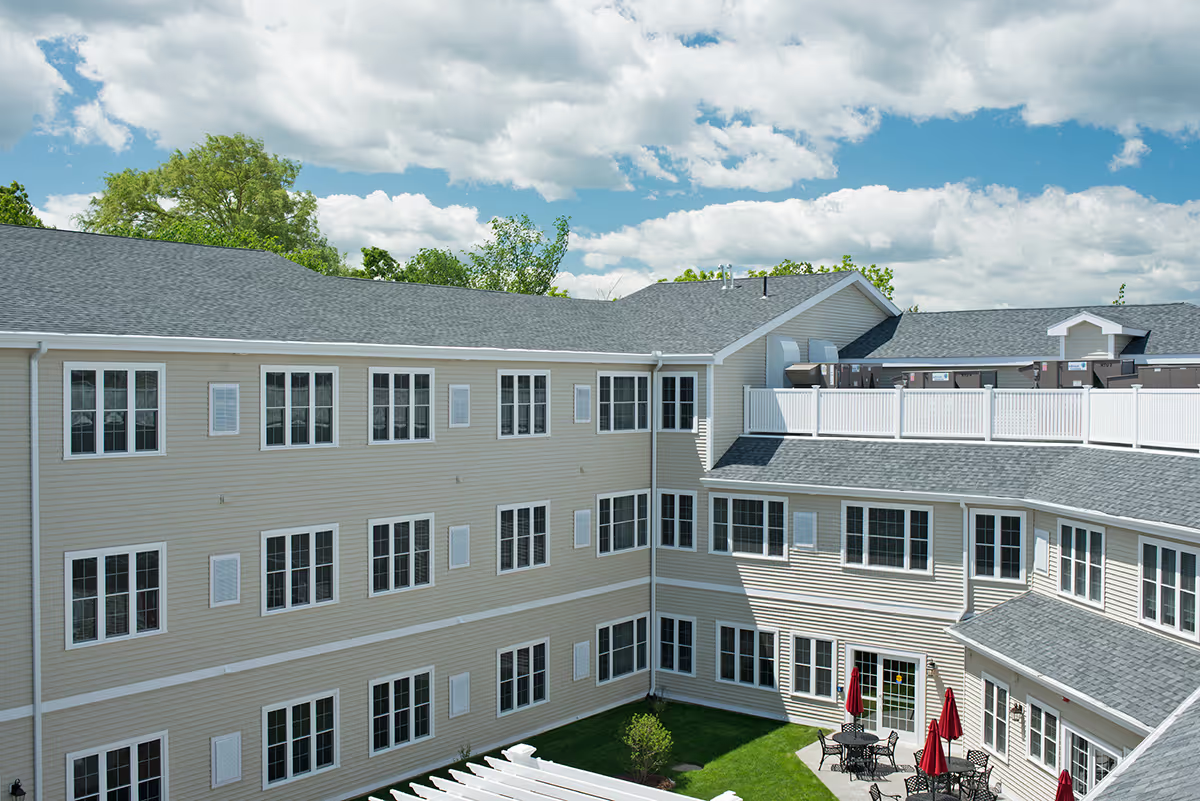
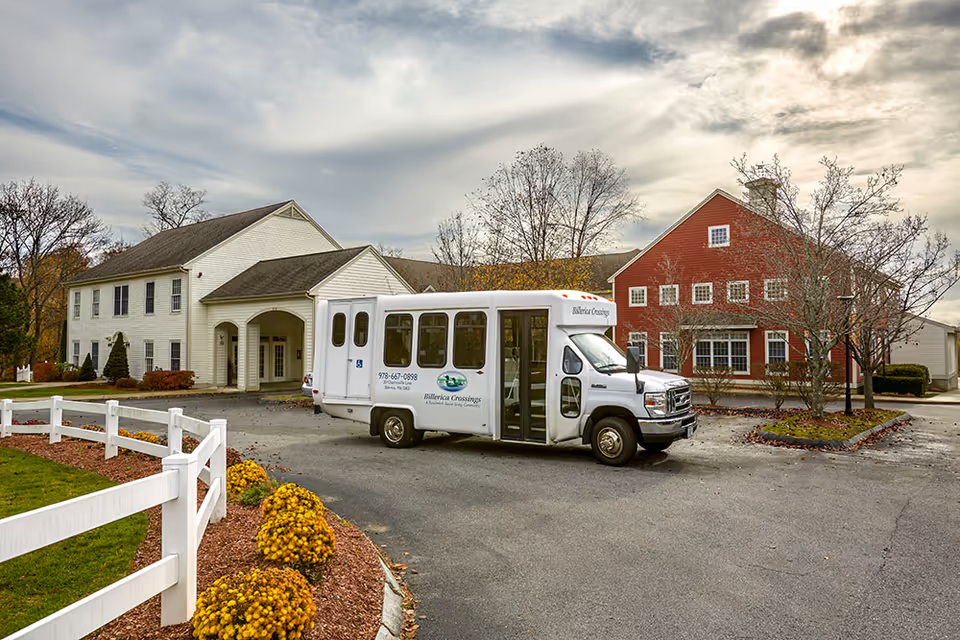
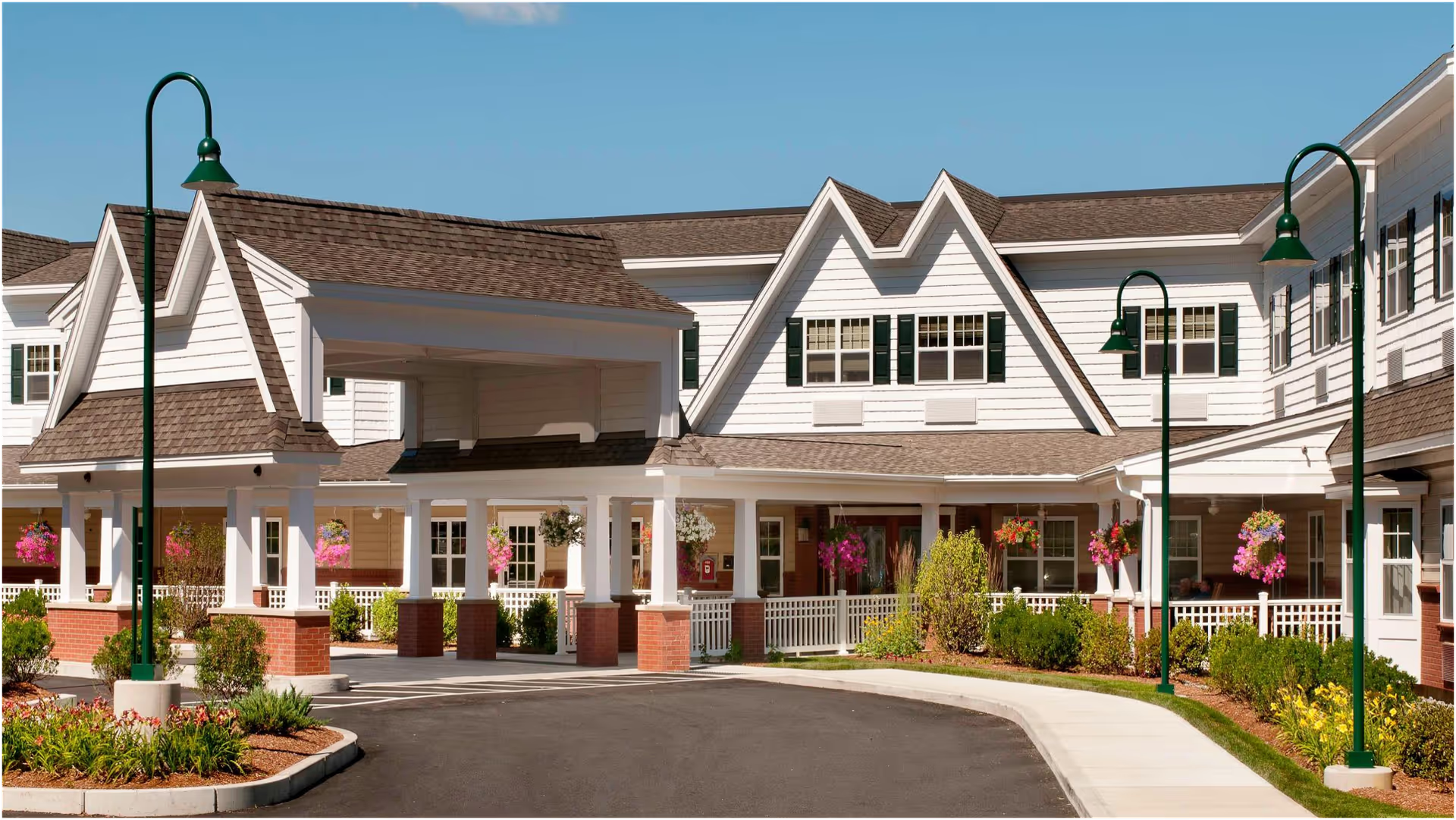
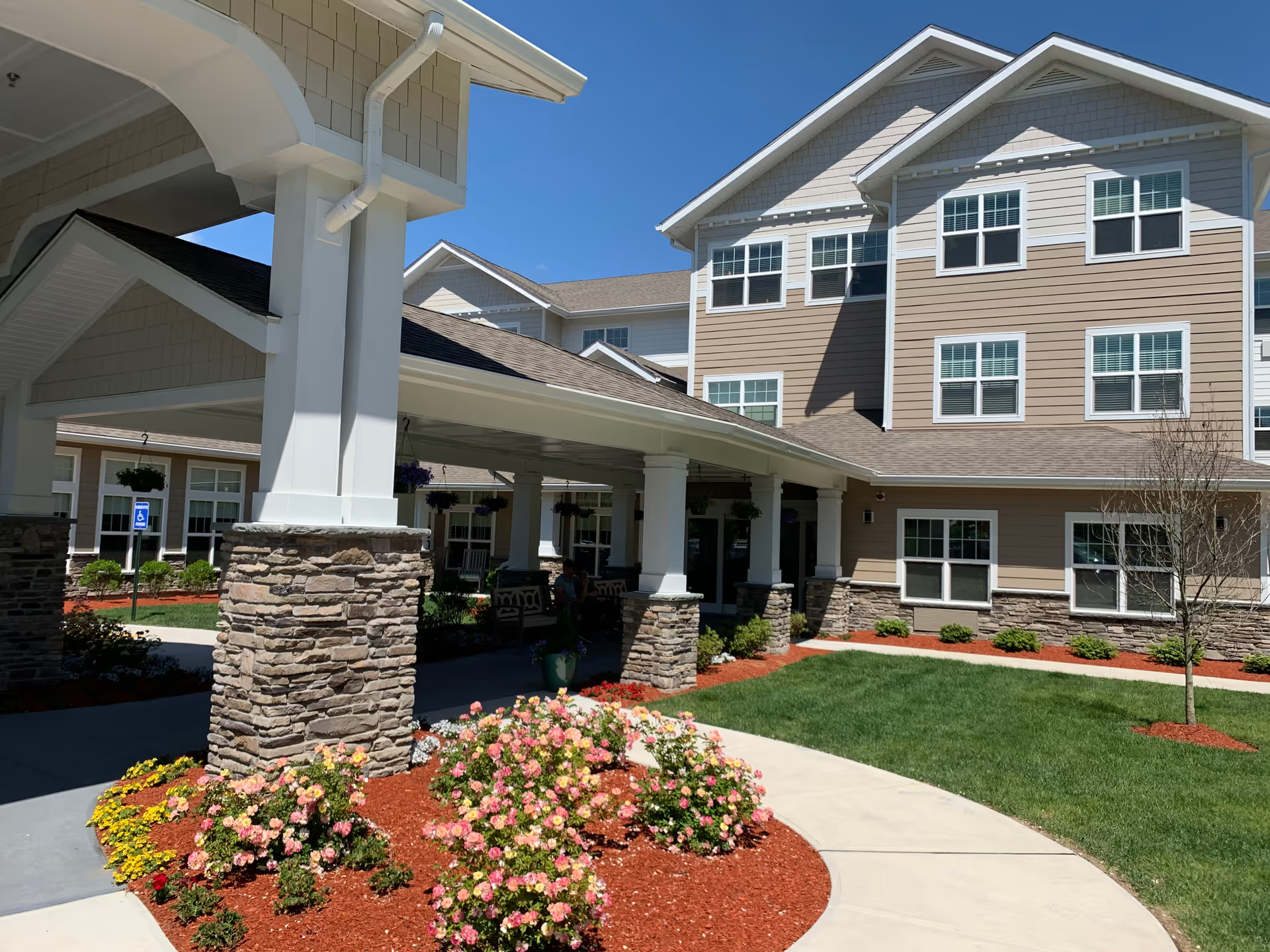
Bayberry at Emerald Court is consistently described as a well-appointed, meticulously maintained assisted living community with a hospitality-oriented approach to daily life. Strengths most consistently highlighted include an engaged caregiving team, accessible leadership, and a high standard of housekeeping and groundskeeping. The physical environment is frequently described as modern and attractive, with amenities such as patios, theater spaces, a bar/pub area, library, and well-landscaped walking paths that support an upscale, comfortable residential experience.
Care quality and staff interactions are prominent positives. Reviewers commonly emphasize compassionate, attentive CNAs and nursing staff who learn residents’ names and preferences, provide personalized care plans, and support resident independence through wellness programming. On-site nursing and coordination with primary-care providers are noted, and many families cite rapid responsiveness and hands-on assistance with activities of daily living. At the same time, a pattern of staffing variability emerges in feedback: memory-care staffing levels and overnight/24-hour skilled-nursing capacity are described as limited at times, and reviewers flagged occasional delays in attention or changes to activity schedules when staffing is constrained.
Dining and activity programming are clear strengths. The dining program—often attributed to an award-winning chef—receives repeated praise for variety, presentation, and taste, alongside flexible dining options and accommodating service. The community offers an extensive activities calendar with daily wellness programs, crafts, excursions, live entertainment, and social events such as happy hour; these programs contribute to a strong sense of community and resident engagement. A minority of comments describe variability in meal quality or continuity, suggesting the dining experience can fluctuate under certain operational conditions.
Facilities and services are described as high quality: apartments of varying sizes, clean common areas, regular housekeeping and laundry services, and amenities that support socialization. Several families pointed to reliable maintenance and thoughtful interior details. A few reviewers did note that some memory-care areas felt darker or less welcoming compared with other parts of the campus.
Management and operations show mixed impressions. Many reviewers praise accessible administration, attentive marketing and social-direction staff, and proactive family communication; others cite inconsistent administrative communication, confusion around level-of-care placement and associated costs, and concerns about pricing transparency and periodic rate increases. There are also isolated but serious accounts of delayed incident notification, unsatisfactory clinical follow-up, and disputes over discharge or incident handling; these accounts indicate gaps in clinical-incident response protocols and family notification processes that prospective families should clarify during a tour. A small number of comments raise concerns about workplace culture and staff turnover, which can affect consistency of care.
Infection-control response garnered both praise and frustration: Bayberry’s COVID protocols were frequently described as protective and well implemented, though strict visitation restrictions during outbreaks created emotional strain for some families who desired more flexibility. Prospective residents and families should weigh the community’s strong infection-control posture against any visitation needs.
Bottom line: Bayberry at Emerald Court presents as an upscale, activity-rich community with strong dining, well-maintained facilities, and a caregiving staff that many families find compassionate and attentive. Key areas for due diligence are staffing consistency (particularly for memory care and overnight skilled nursing), clarity around pricing and fee structures, and the community’s incident-notification and clinical follow-up processes. Families considering Bayberry should request current staffing ratios for the unit of interest, written explanations of fee escalation policies, and examples of clinical-incident and family-communication protocols to confirm alignment with their needs and expectations.