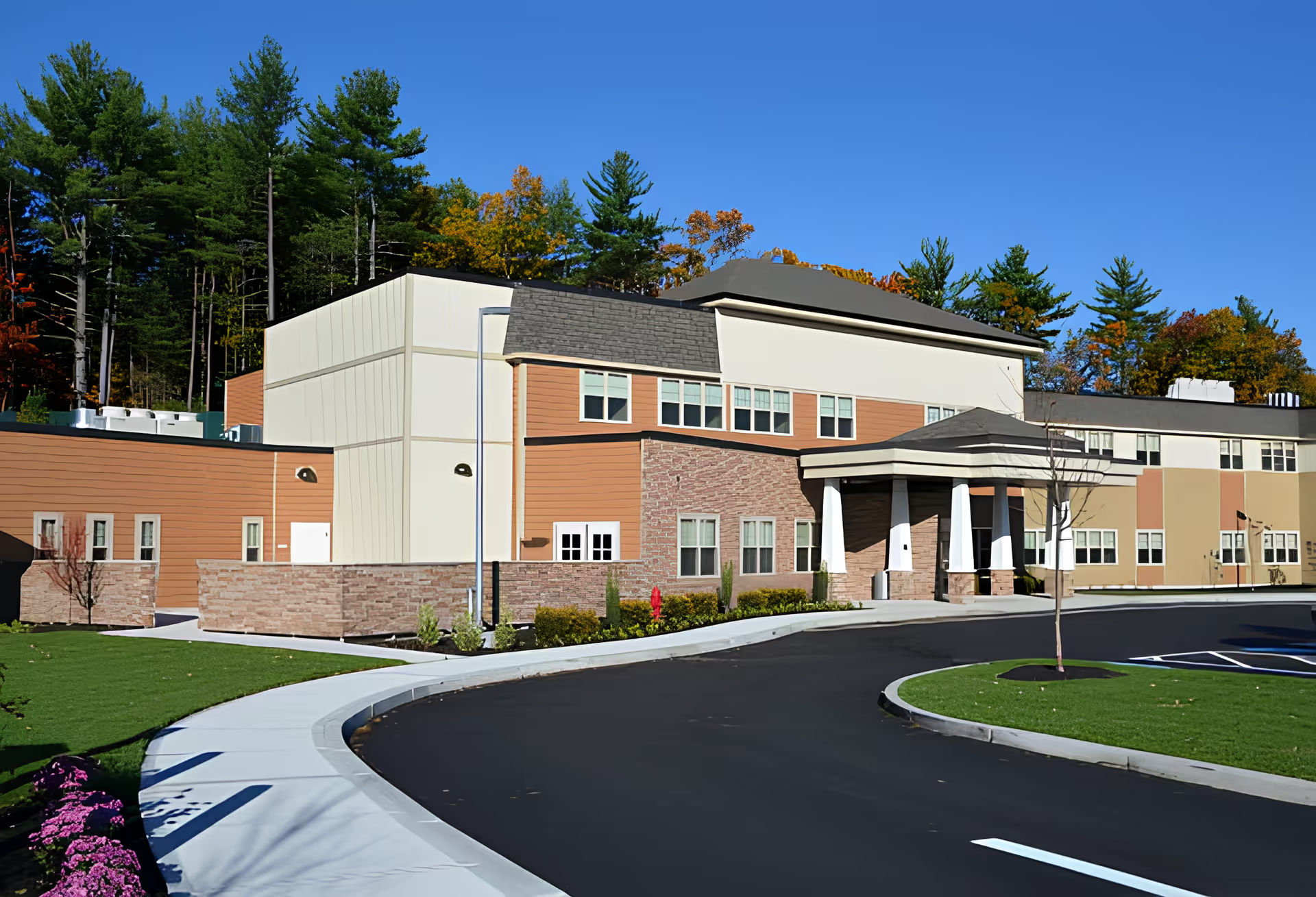
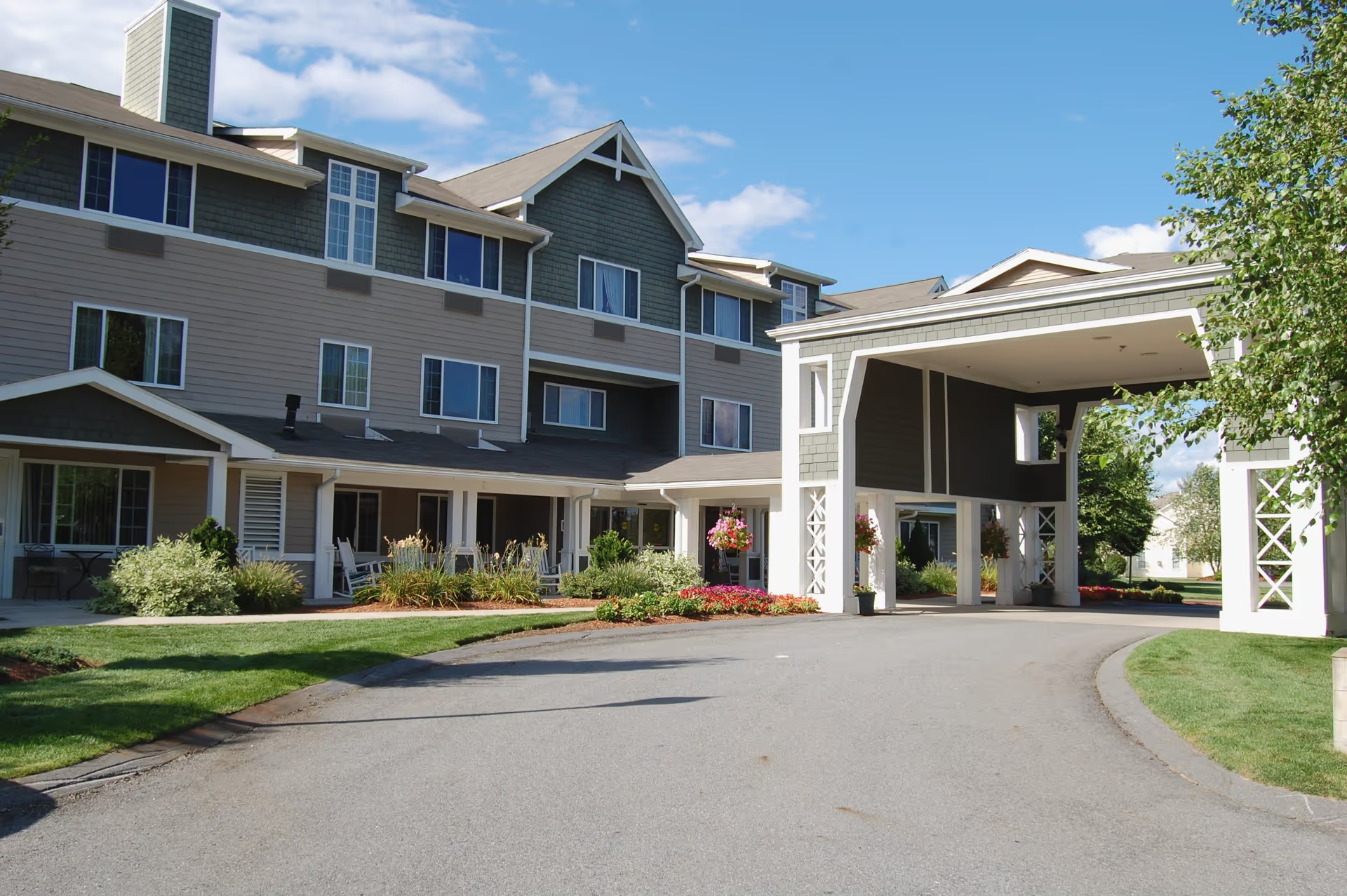
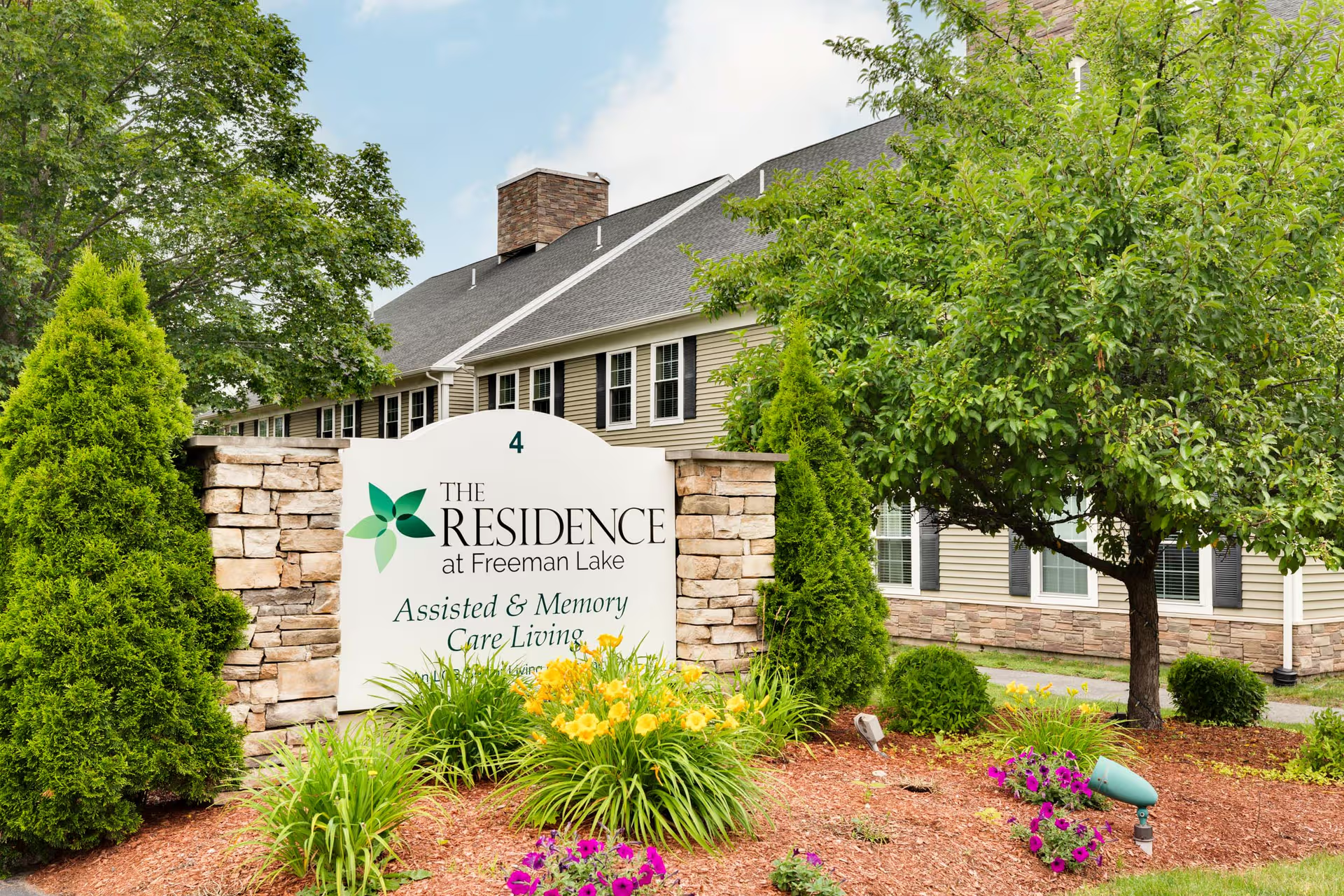
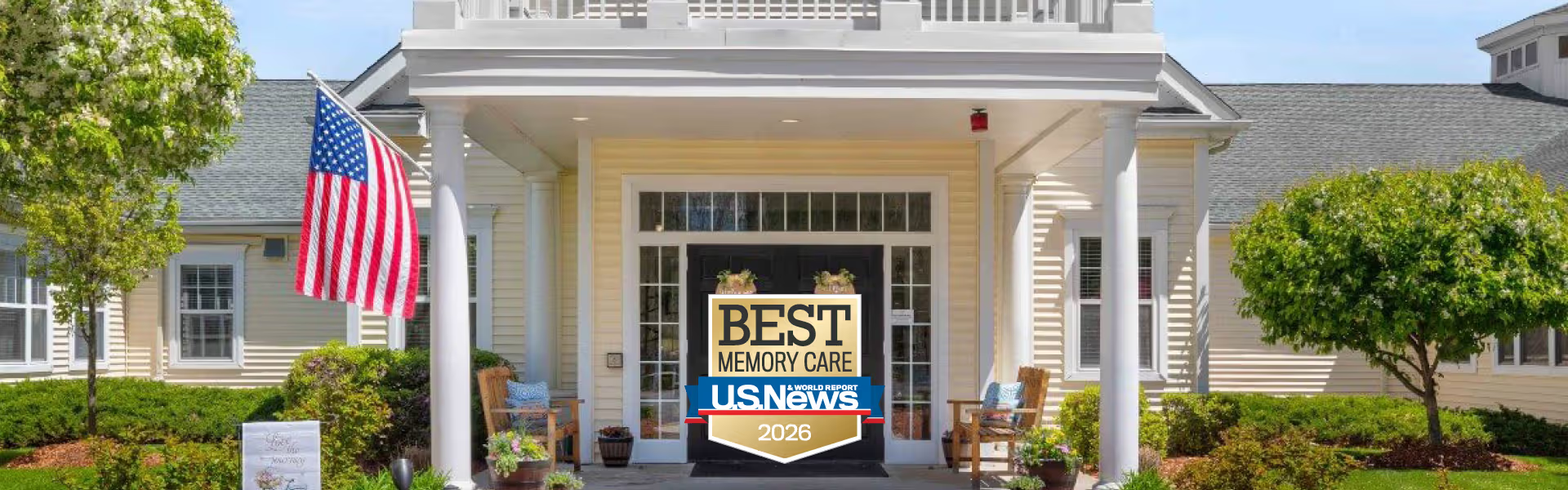
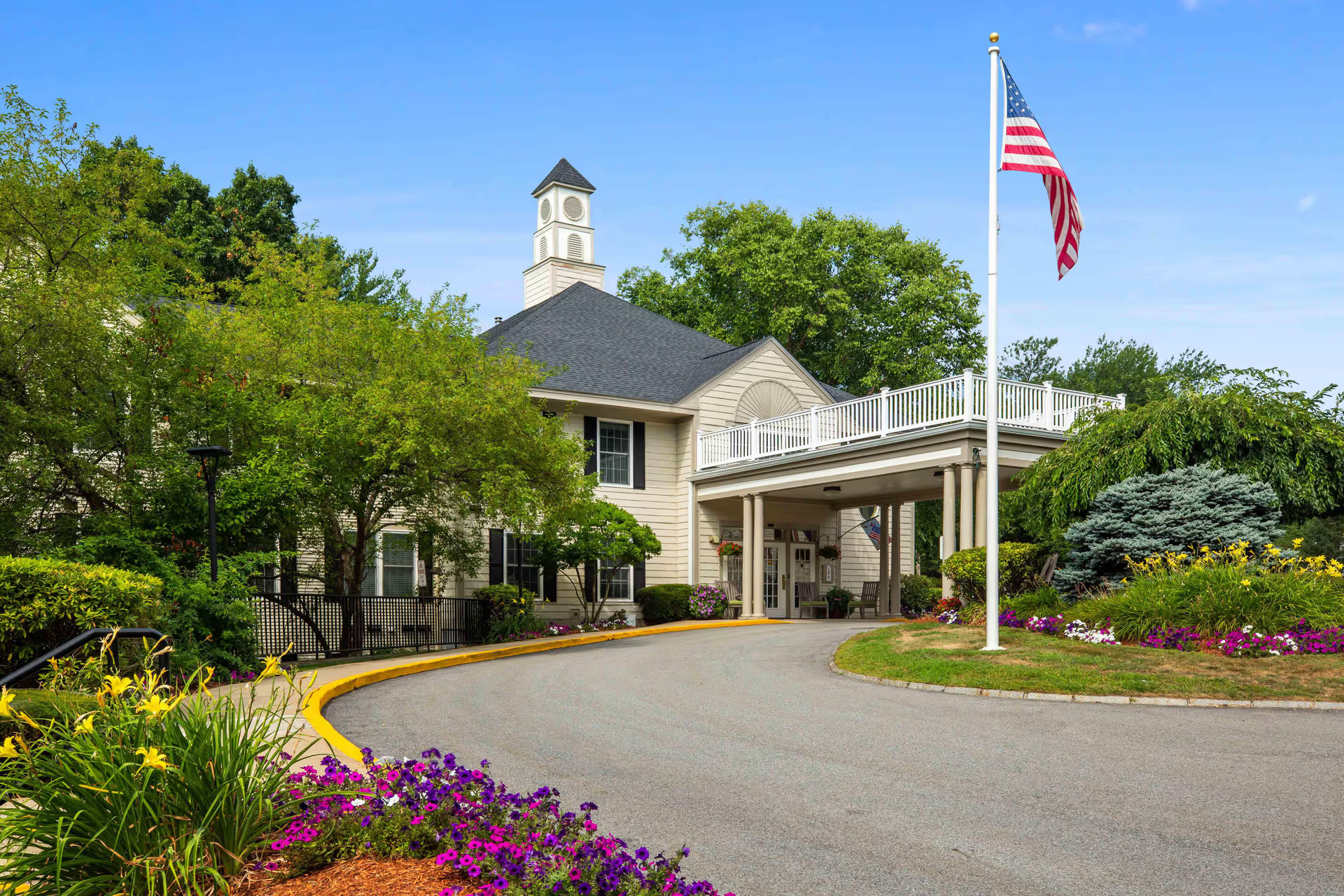
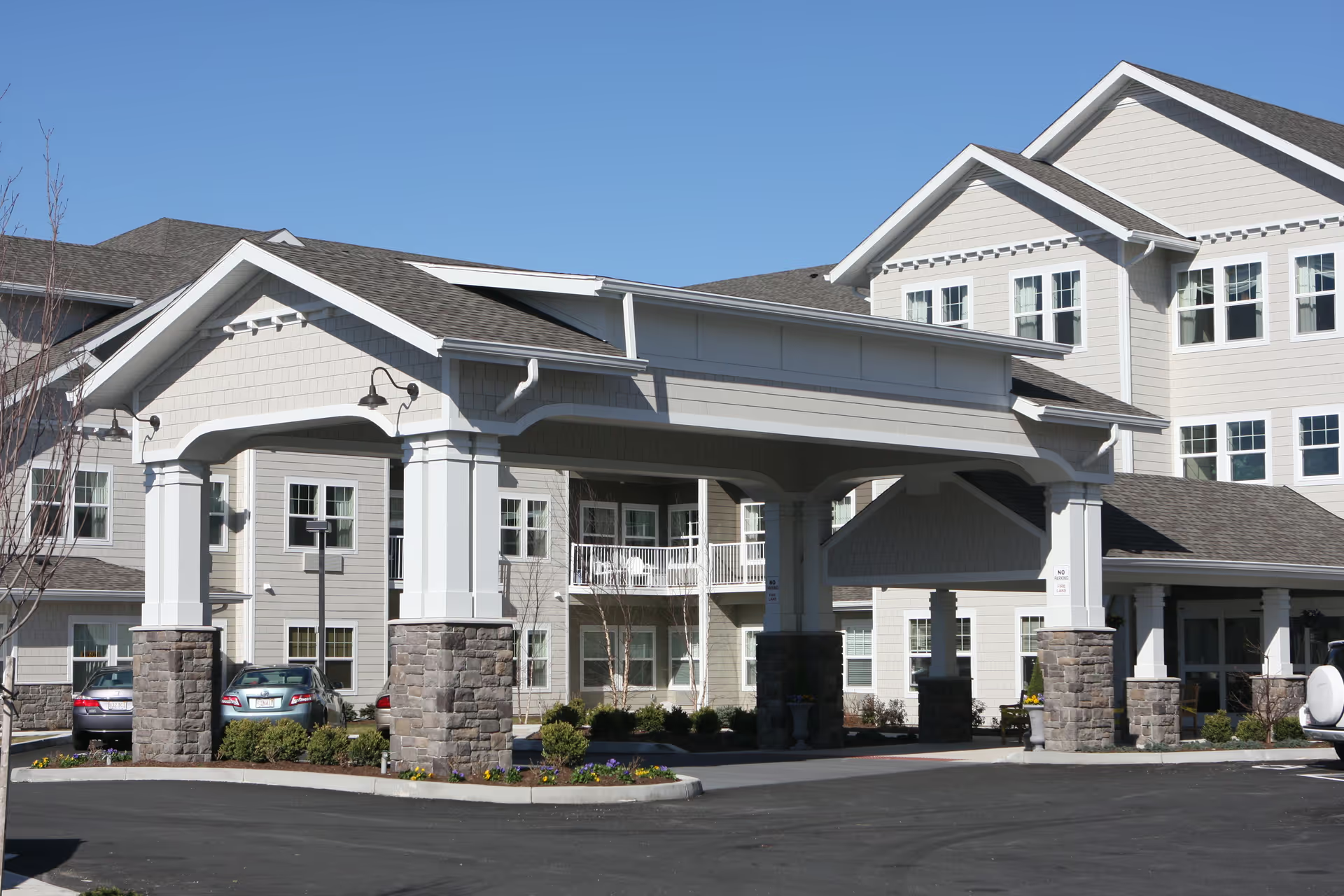
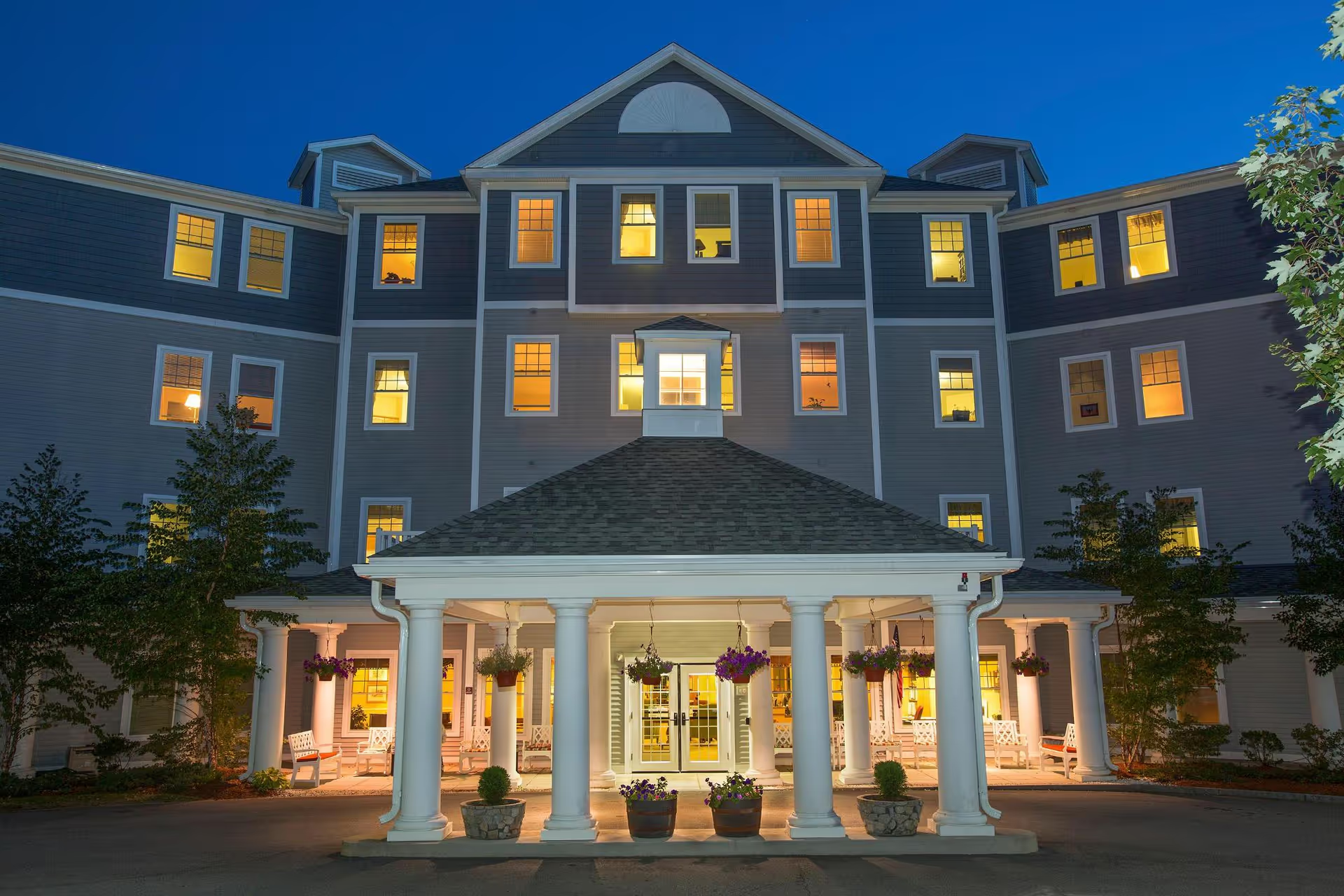
The Arbors at Dracut receives consistent praise for its hospitality-oriented model: reviewers highlight compassionate, attentive caregivers and a management team described as knowledgeable and responsive. Staff are frequently noted to learn residents’ names, provide individualized attention, and create a warm, family-like atmosphere. Nursing and medication-management practices are generally described positively, and the facility’s Resident Ambassador program and proactive admissions staff are credited with creating smooth transitions for new residents.
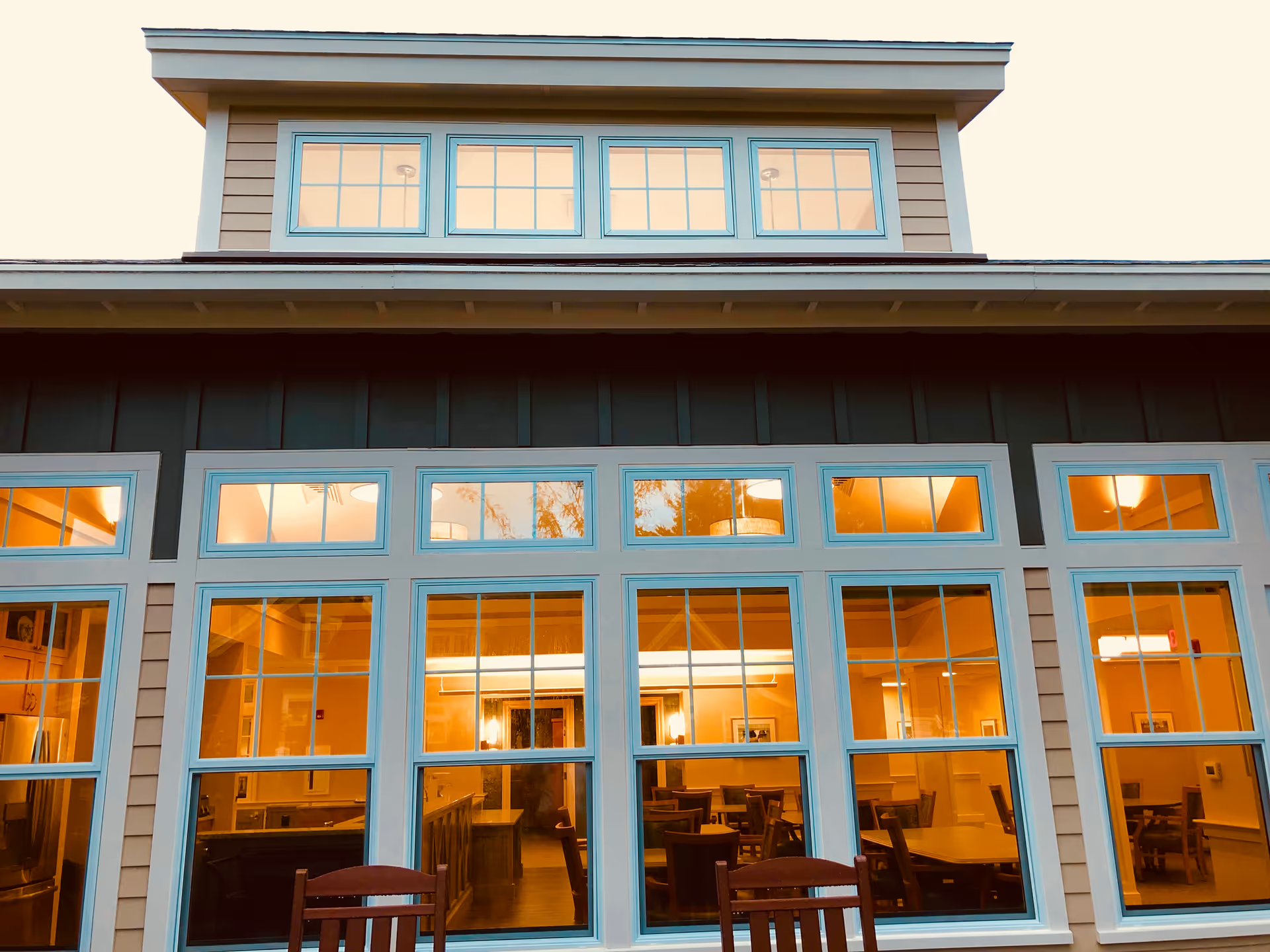
Dining and daily living services are a clear strength. Multiple accounts emphasize high-quality meals with choices at lunch and dinner, flexible meal schedules, and improvements in residents’ appetites and weight. Housekeeping and cleanliness are repeatedly described as excellent, and common areas and apartments are characterized as bright, airy, and immaculately maintained. Apartments range from studios to two-bedrooms with kitchenettes and feature accessible bathrooms with walk-in showers, safety seats, and handrails.
The Arbors offers an active social program with a broad calendar of on-site and off-site activities: crafts, games, entertainers, regular field trips, and frequent transportation to local destinations. The facility’s layout is frequently described as dementia-friendly, with easy circulation and multiple welcoming common areas (library, theater, beauty shop, courtyard, pub-style gathering space). Reviewers also note convenience factors like proximity to a pharmacy and urgent care.
Operationally, the community presents as family-run and hospitality-focused, with non-pressuring tours, clear admissions support, and generally transparent communication. Pricing structures are often described as affordable and inclusive of many services (meals, laundry, religious services), though phone and cable are sometimes excluded.
Notable patterns of concern appear alongside the many positive comments. Several reviewers indicate inconsistent staffing levels—particularly on weekends—which can affect responsiveness. There are identified gaps in clinical-incident response and in communication with families following some events; these create questions about emergency protocols and follow-up procedures. More serious are discrete allegations relating to staff integrity; while not characterized as a facility-wide pattern, these allegations warrant direct inquiry during a tour. The community also appears to have limited capability for higher-acuity rehabilitative or intensive-care needs, so it may be less suitable for residents requiring frequent physical therapy or substantial morning assistance. Finally, the campus surroundings and ongoing construction were mentioned as affecting immediate location appeal in some cases.
For prospective residents and families: The Arbors at Dracut is likely a strong match for older adults seeking an active, social assisted-living environment with attentive caregiving, good dining, and well-maintained living spaces. Families considering placement should verify current staffing ratios (including weekend coverage), review emergency-response and medication-safety protocols, ask about candidate screening and background-check procedures in light of integrity concerns, and confirm the community’s capacity to meet any higher-acuity clinical needs before committing.