Methuen Village receives consistent praise for its caregiving culture and social environment. Reviews frequently highlight a warm, home-like atmosphere supported by staff described as kind, attentive, and proactive; many families pointed to strong admissions support, smooth move-ins, and ongoing responsiveness from management. Clinical coordination is noted as a strength in several accounts, including involvement by visiting physicians and an impressive memory-care program developed in partnership with Boston University. These elements combine to create a setting where residents often feel socially engaged and supported in daily needs.
Dining and activities are prominent positive features. The dining program is frequently described as high-quality, heart-healthy, and family-style, with reviewers calling out an experienced cook and themed menus. Activity programming is broad — from yoga and bus trips to theme nights, bingo, movies, and monthly country themes — and staff are credited with creative efforts to involve residents. That said, reviewers also indicate that activity variety or intensity may not match every resident’s interests, with occasional requests for more programming geared to male residents or higher-activity options.
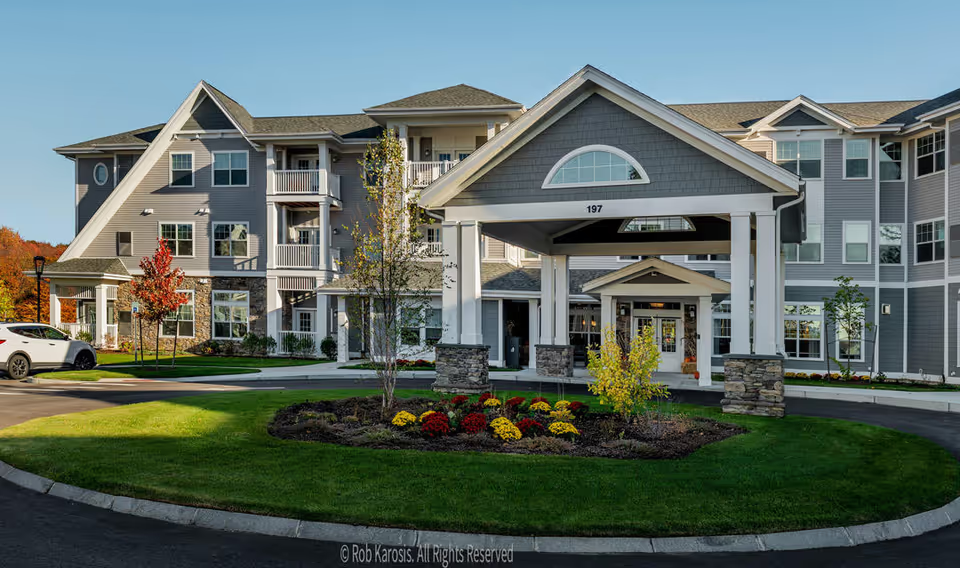
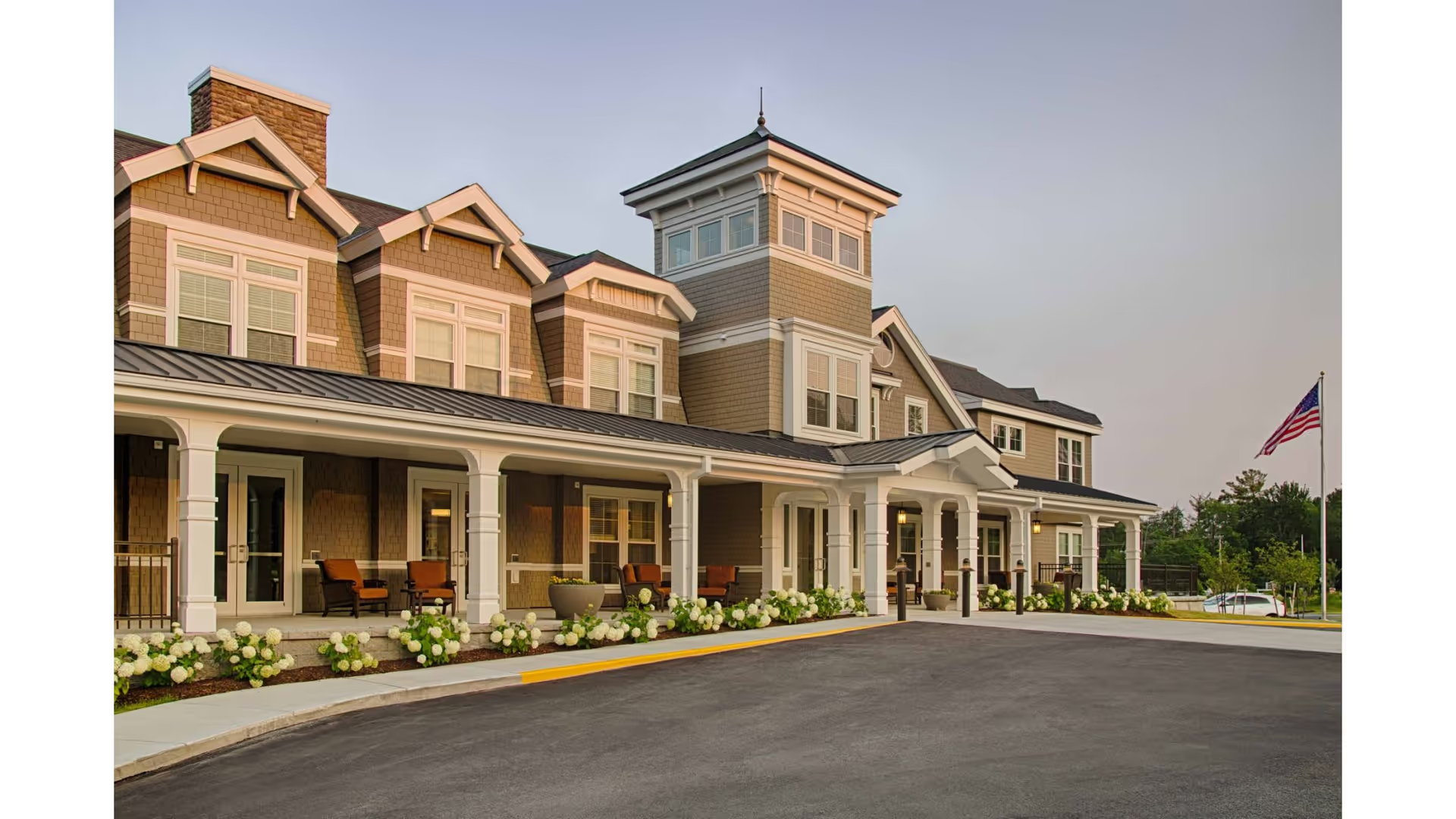
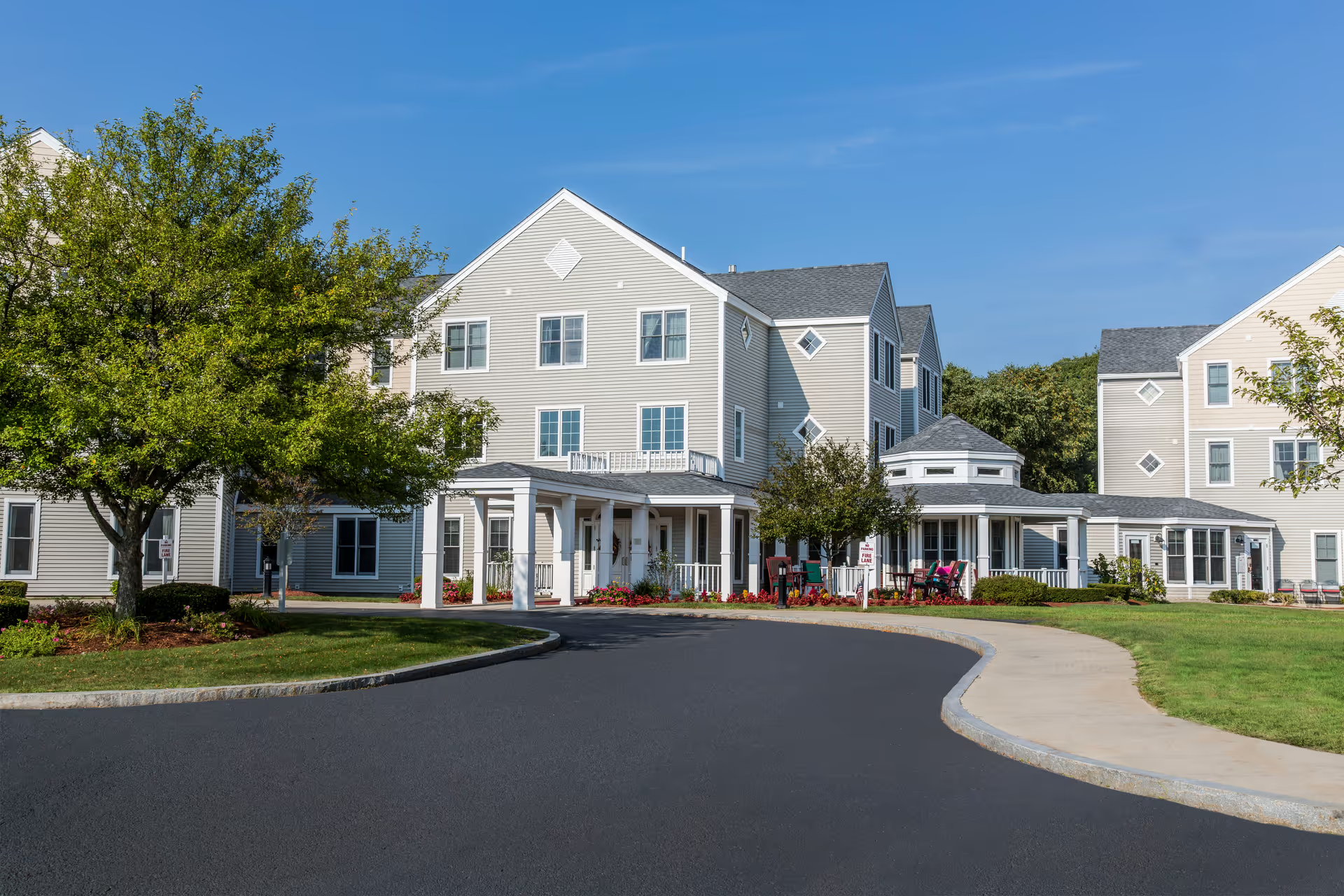
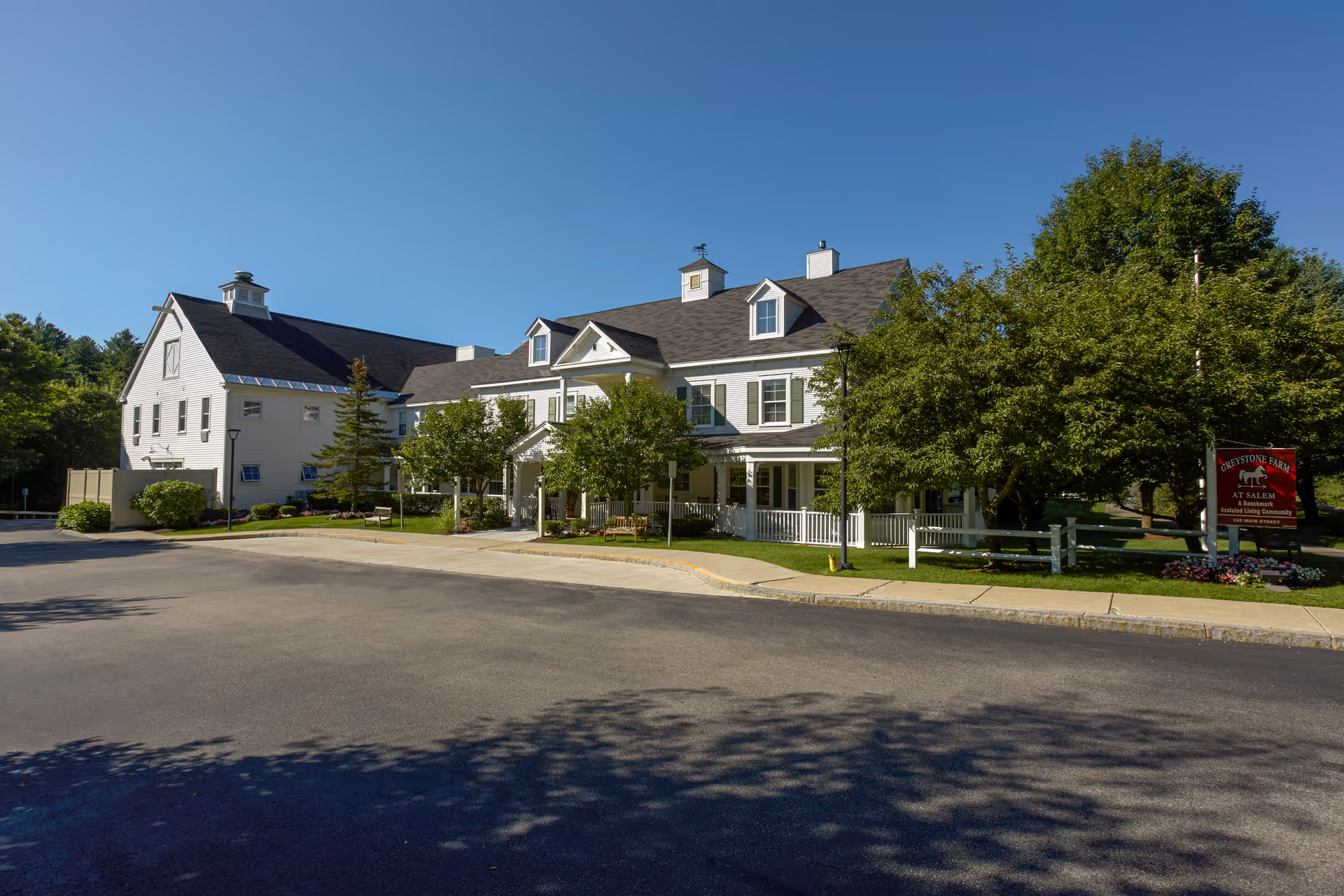
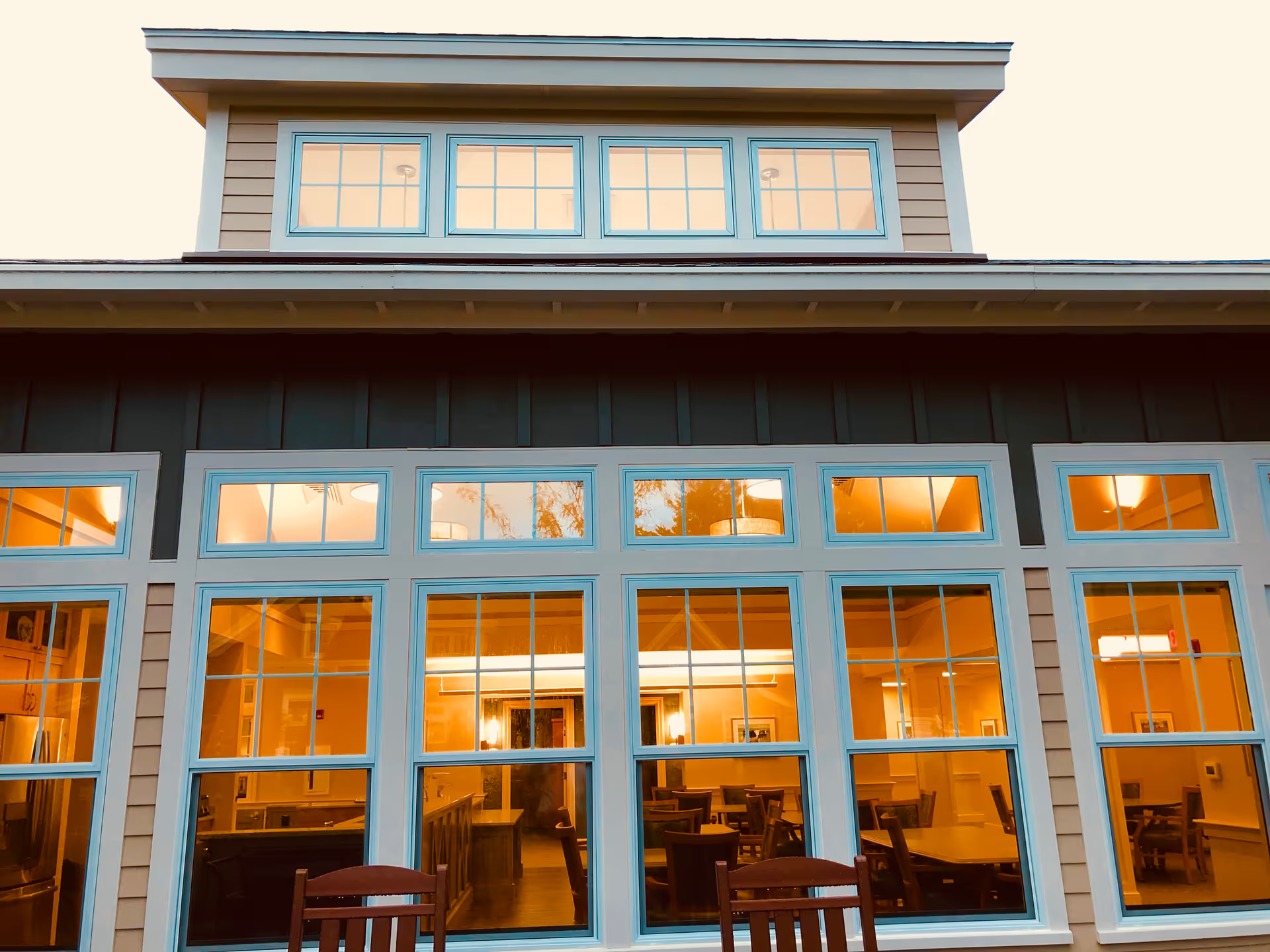
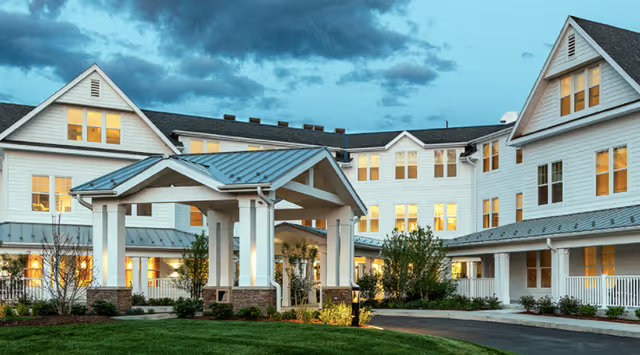
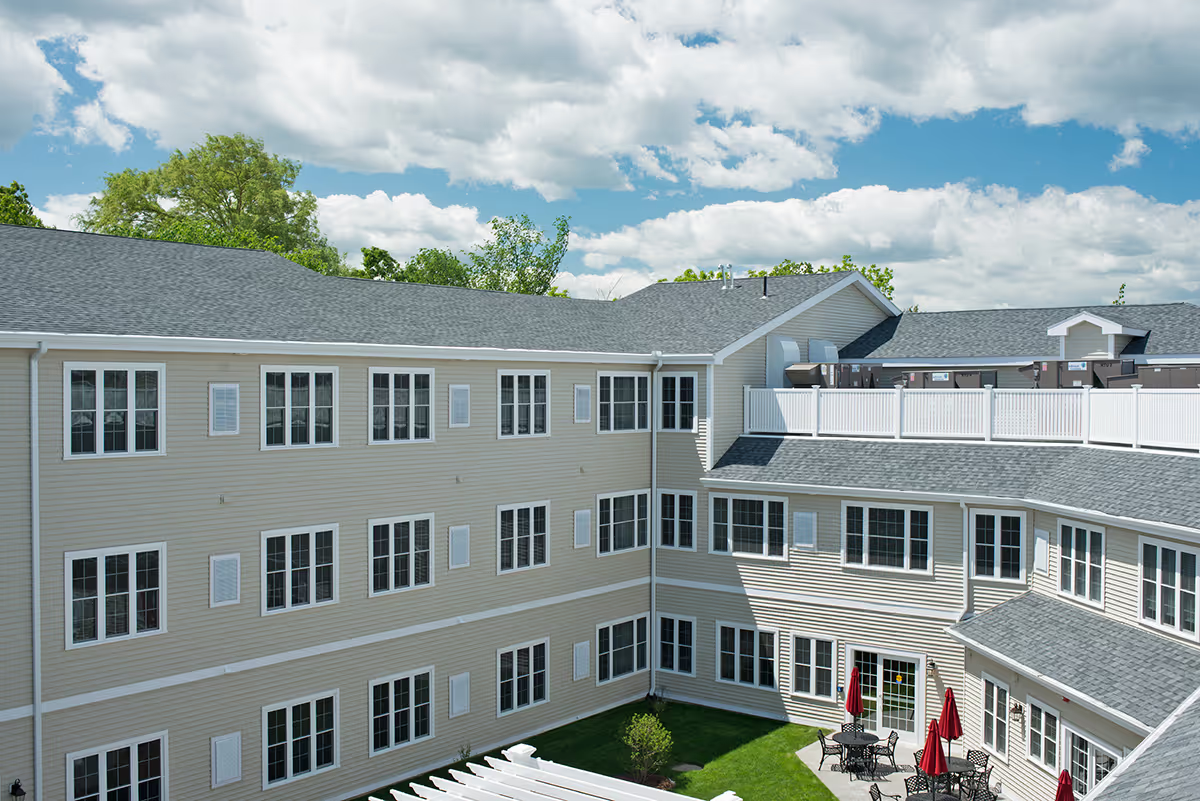
Facility condition and layout receive mixed comments. Many reviewers describe clean, well-maintained common areas and attractive, spacious apartments with comfortable bathrooms and good views. At the same time, some accounts describe dated or dimly lit sections (notably in portions of the dementia unit), occasional cleanliness inconsistencies, and carpeted room choices that complicate incontinence-care logistics. The overall campus is described as smaller and more intimate than some alternatives; while this supports a close-knit community for many residents, a smaller footprint and some compact units lead others to find portions of the facility cramped.
Operational and management patterns are generally favorable but not uniform. Numerous reviewers praise prompt communication, strong administrative support, transparent entry pricing, and the absence of hidden fees. The facility also offers multiple monthly-fee options and predictable long-term pricing, which families find helpful for planning. Conversely, there are operational concerns that prospective families should vet: reports point to ancillary charges (for example, laundry) and occasional ambiguity around shuttle/transport logistics. More seriously, a subset of reviews raise concerns about inconsistent staffing levels and responsiveness, and describe gaps in clinical-incident follow-up and family communication after adverse events.
Taken together, Methuen Village appears to be a well-regarded small community with notable strengths in staff engagement, dining, social programming, and an established memory-care curriculum. Prospective residents and families should weigh those strengths against the facility’s premium price positioning and ask targeted questions during tours about staffing ratios, incident-response protocols, ancillary fee schedules, transportation arrangements, and the specific condition and ambiance of the unit they would occupy. These checks will help confirm whether the community’s operational practices and physical environment match an individual resident’s needs and expectations.