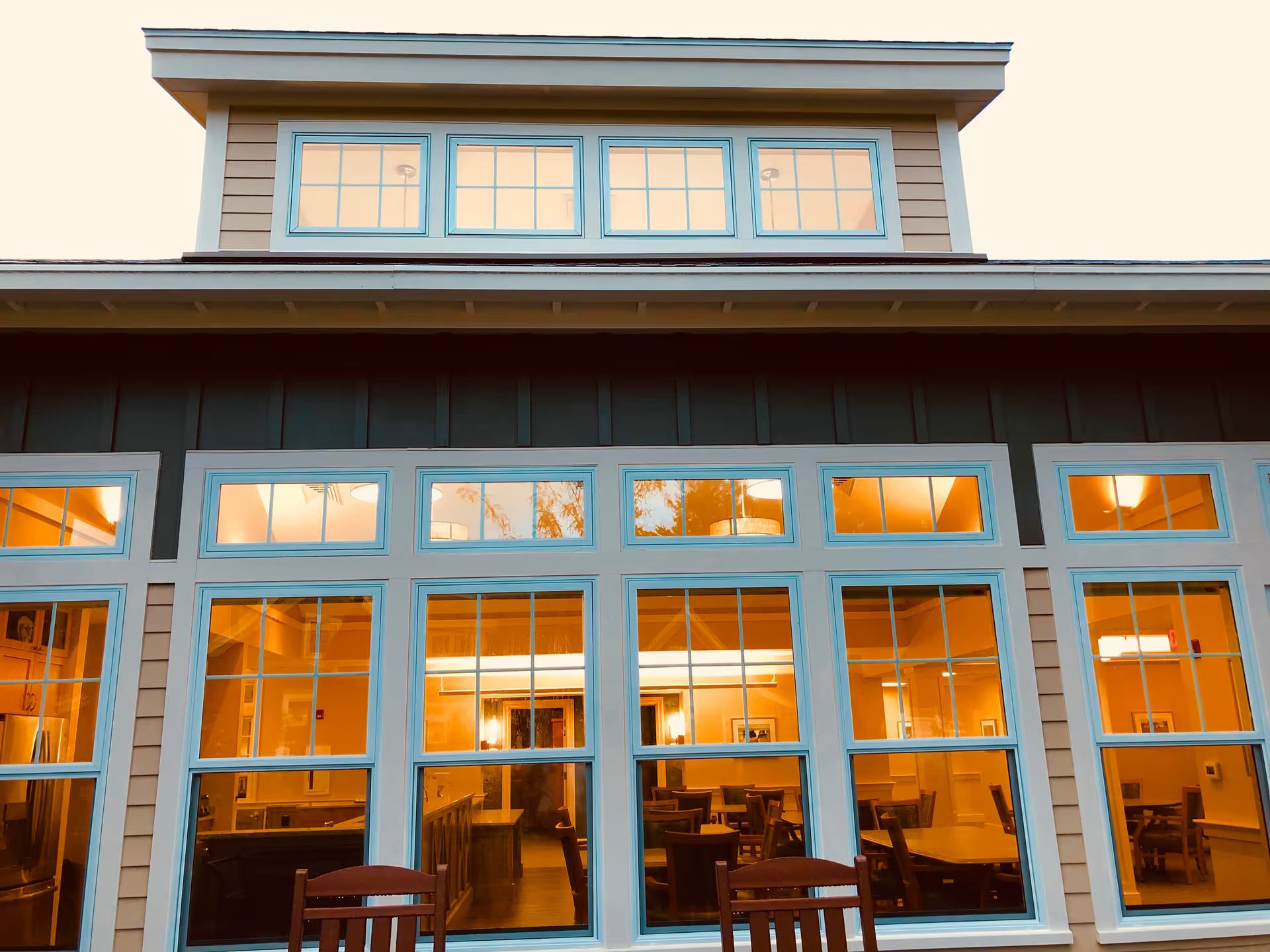
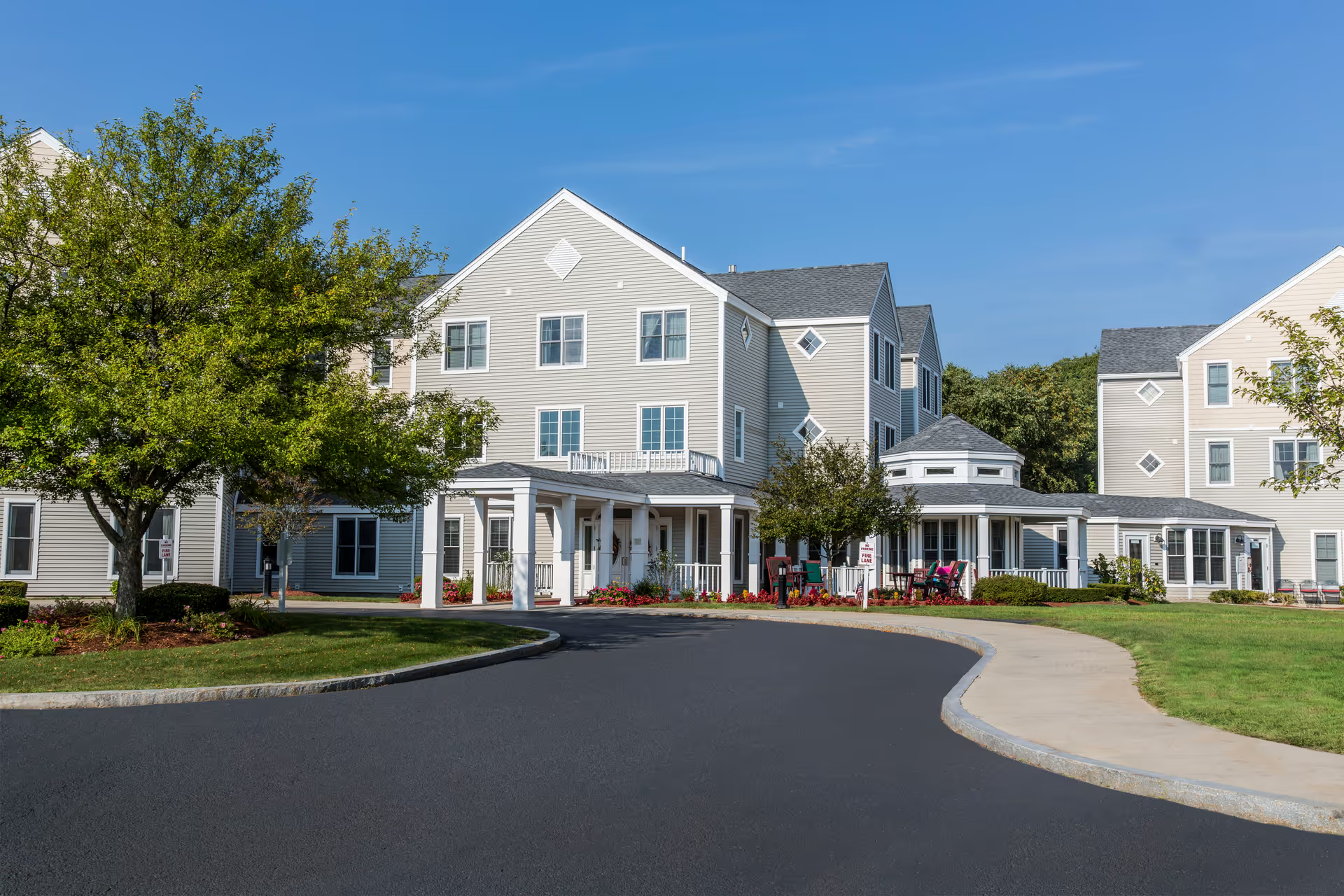
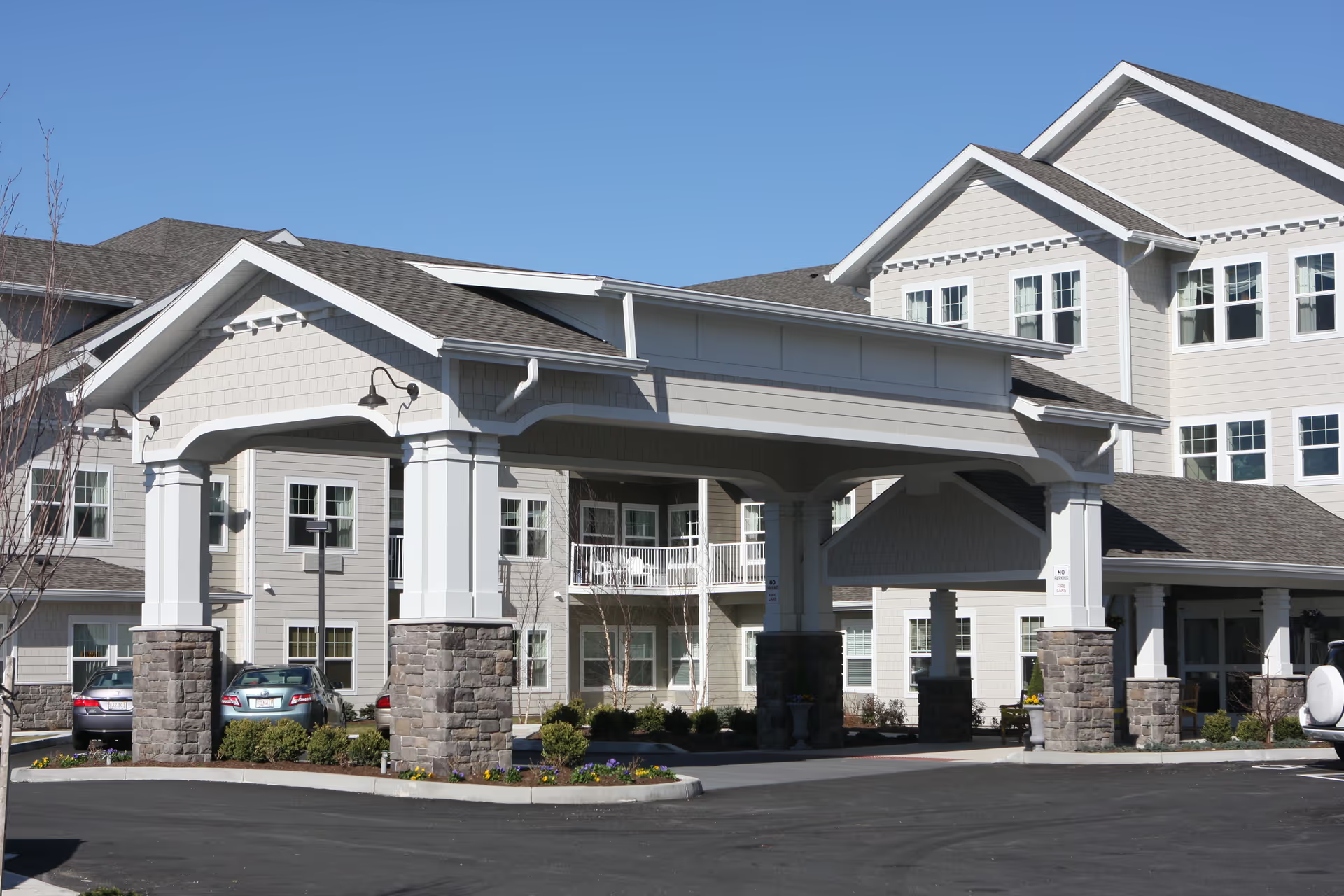
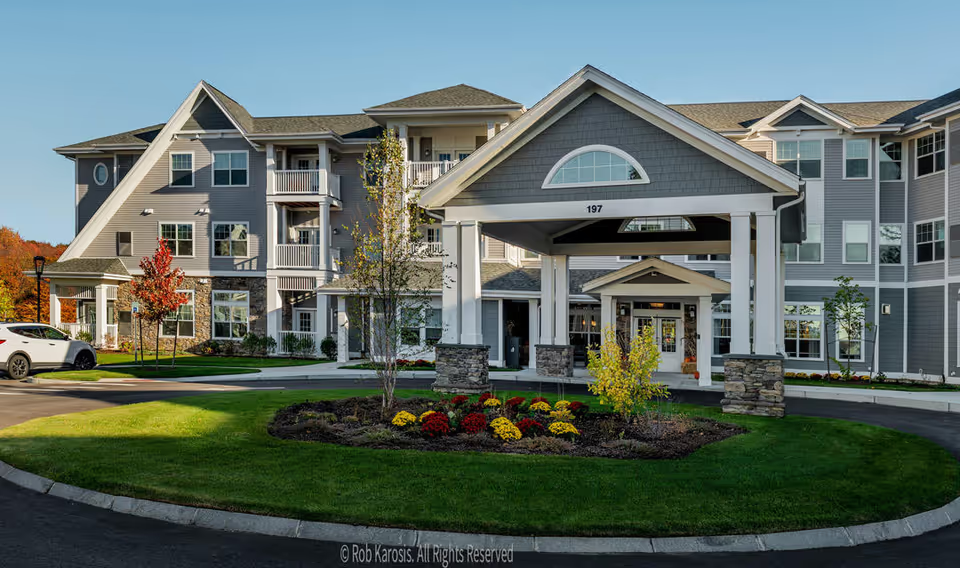
Atria Marland Place presents as a high-amenity, well-renovated senior living community with many consistent strengths. The physical plant — a converted mill with high ceilings, brick details, river views, and hotel-like common areas — is frequently praised. On-site amenities are extensive and diverse: multiple dining venues (main dining room, pub, bistro), a movie theater, salons and a spa, libraries, art and game rooms, and multiple outdoor gathering spaces. Residents and families commonly note spacious one-bedroom apartments, pleasant landscaping, and a welcoming lobby/concierge presence.
Staff and day-to-day care receive substantial positive attention. Direct-care workers, aides, housekeeping, maintenance, and front-desk employees are often described as warm, attentive, and engaged; many reviewers singled out activities staff and certain nurse leaders for being highly responsive and proactive. The community offers a full activities calendar with themed days, outings, live entertainment, and individualized programs that contribute to social engagement and resident satisfaction. Families frequently report that staff learn residents’ names and preferences and that the community creates a strong social culture.
Dining is a notable feature: many reviewers praise the food presentation, variety, and several specific menu items. The presence of multiple dining venues and monthly chef-feedback sessions are strengths. That said, reviewers also describe inconsistencies — meals served at lukewarm temperatures on occasion, variability tied to culinary staff turnover, and a menu rotation that some perceive as carbohydrate-heavy. Prospective residents should ask about current culinary leadership and sample meals during a visit.
Care quality and clinical operations show a mixed pattern. While many families report attentive nursing and reliable medication delivery, the memory-care level emerges as a recurrent area of concern. Comments point to inadequate dementia-specific training, insufficient nighttime supervision, and staffing gaps on the memory-care unit. Related operational themes include missed medications or medication delays, misplaced personal items, and accounts that raise questions about transfer-safety practices. These issues suggest the need for explicit written policies, staffing-ratio clarity, and evidence of dementia-care training before selecting memory services.
Management, policy, and communication present additional variability. Several reviewers cite frequent leadership turnover, billing and fee opacity (including upfront nonrefundable fees and additional charges), and a perceived emphasis on business metrics. Families also describe inconsistent follow-up after clinical events and constrained transportation availability (evenings and weekends). At times the facility’s large scale and institutional layout are described as less home-like, and some families report inconsistent housekeeping or missed scheduled services.
Overall pattern and guidance: Atria Marland Place often delivers a high-quality amenity package, a lively activities program, and many compassionate direct-care staff, making it a strong option for independent and assisted living residents who prioritize social engagement and facility amenities. However, the community shows recurrent operational weaknesses in its memory-care services, consistency of clinical practices, and leadership stability. Prospective residents and families, especially those considering memory care or higher clinical needs, should request current staffing ratios by unit/shift, written medication and transfer-safety protocols, evidence of dementia-care training, recent incident and complaint summaries, clarification of all fees and transportation schedules, and to conduct multiple mealtimes/shift observations before making a placement decision.