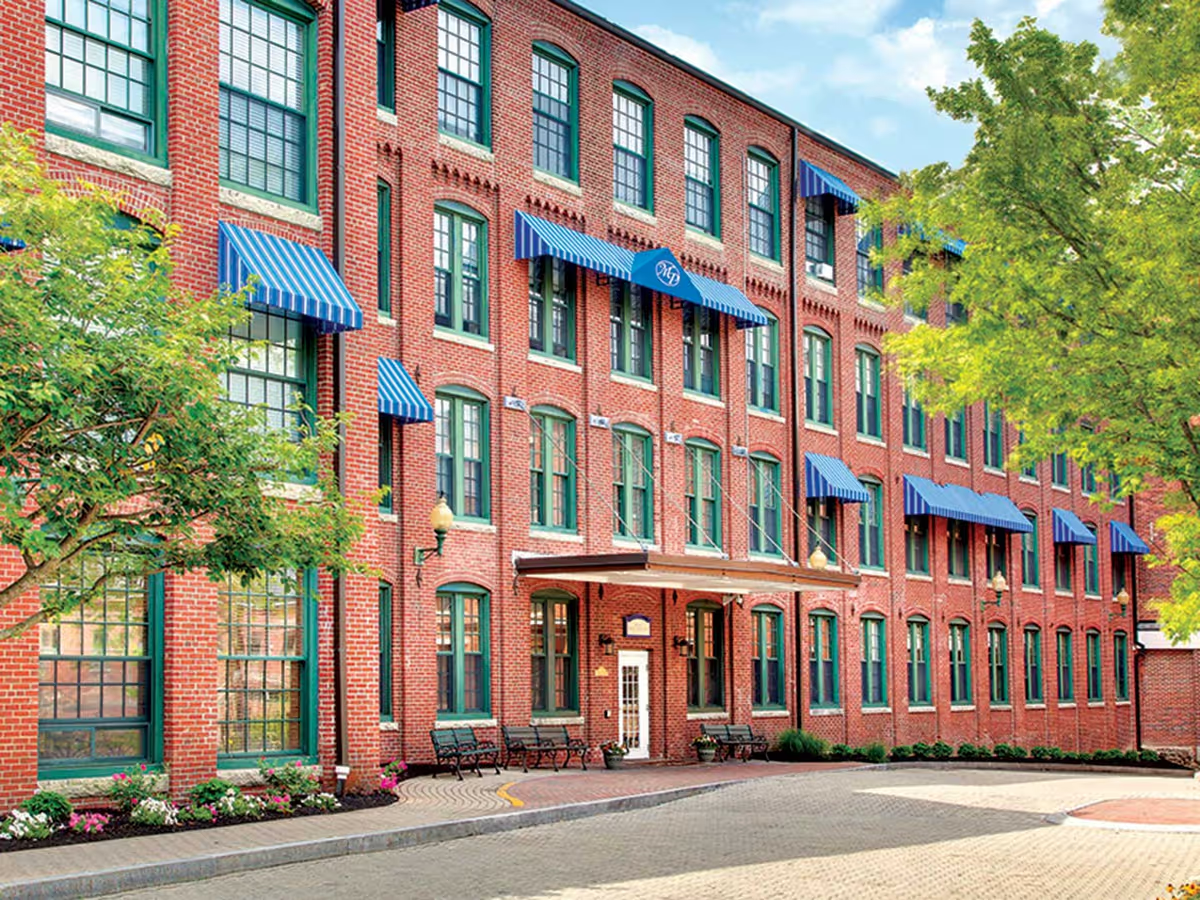
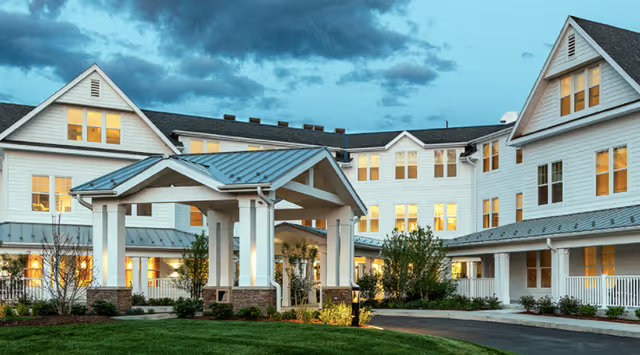
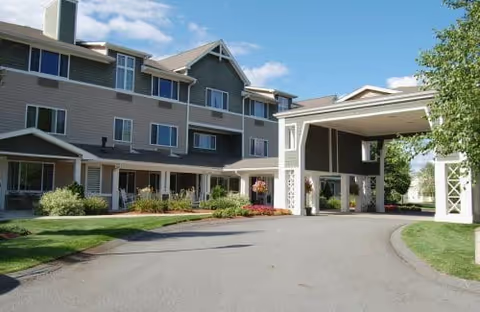
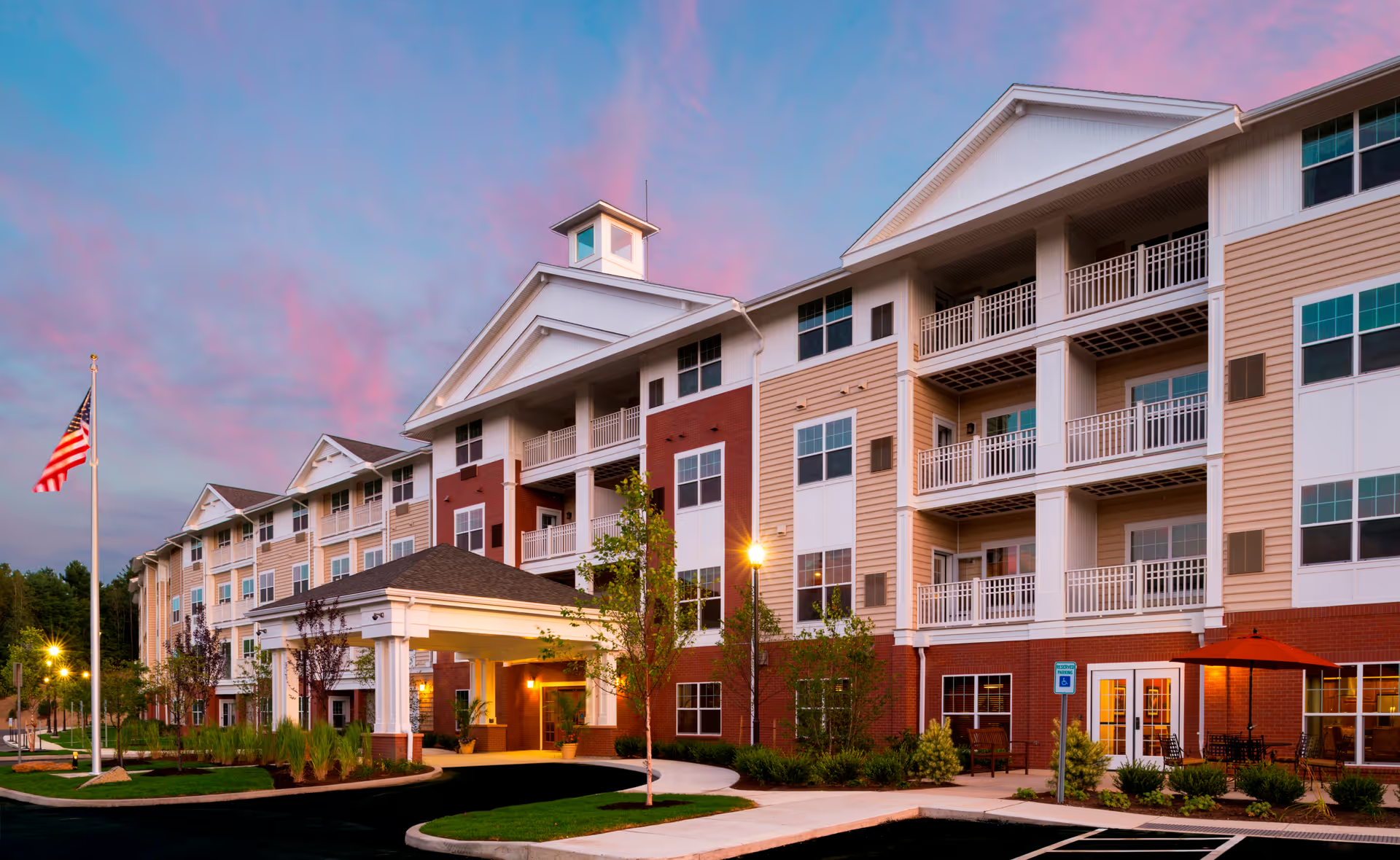
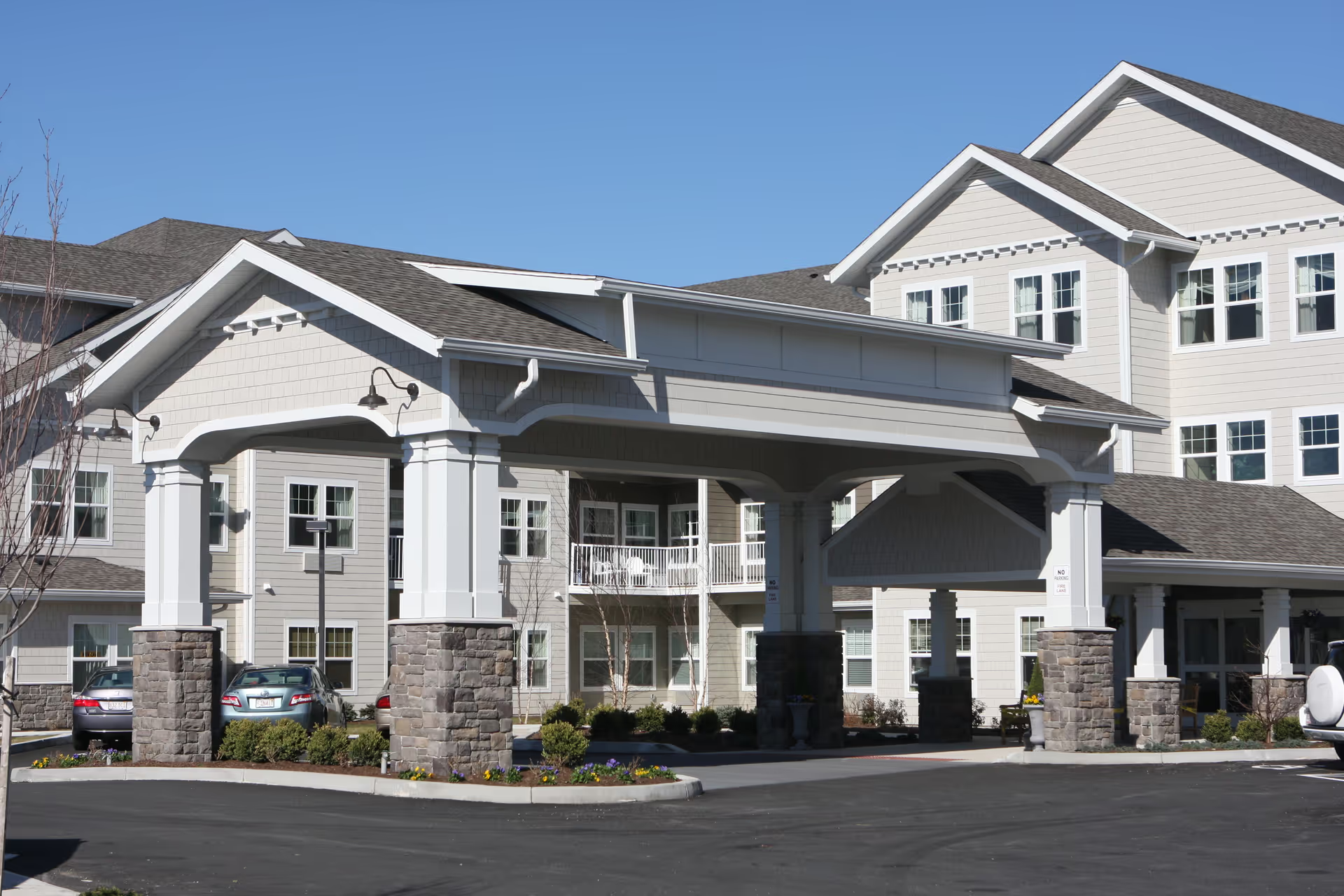
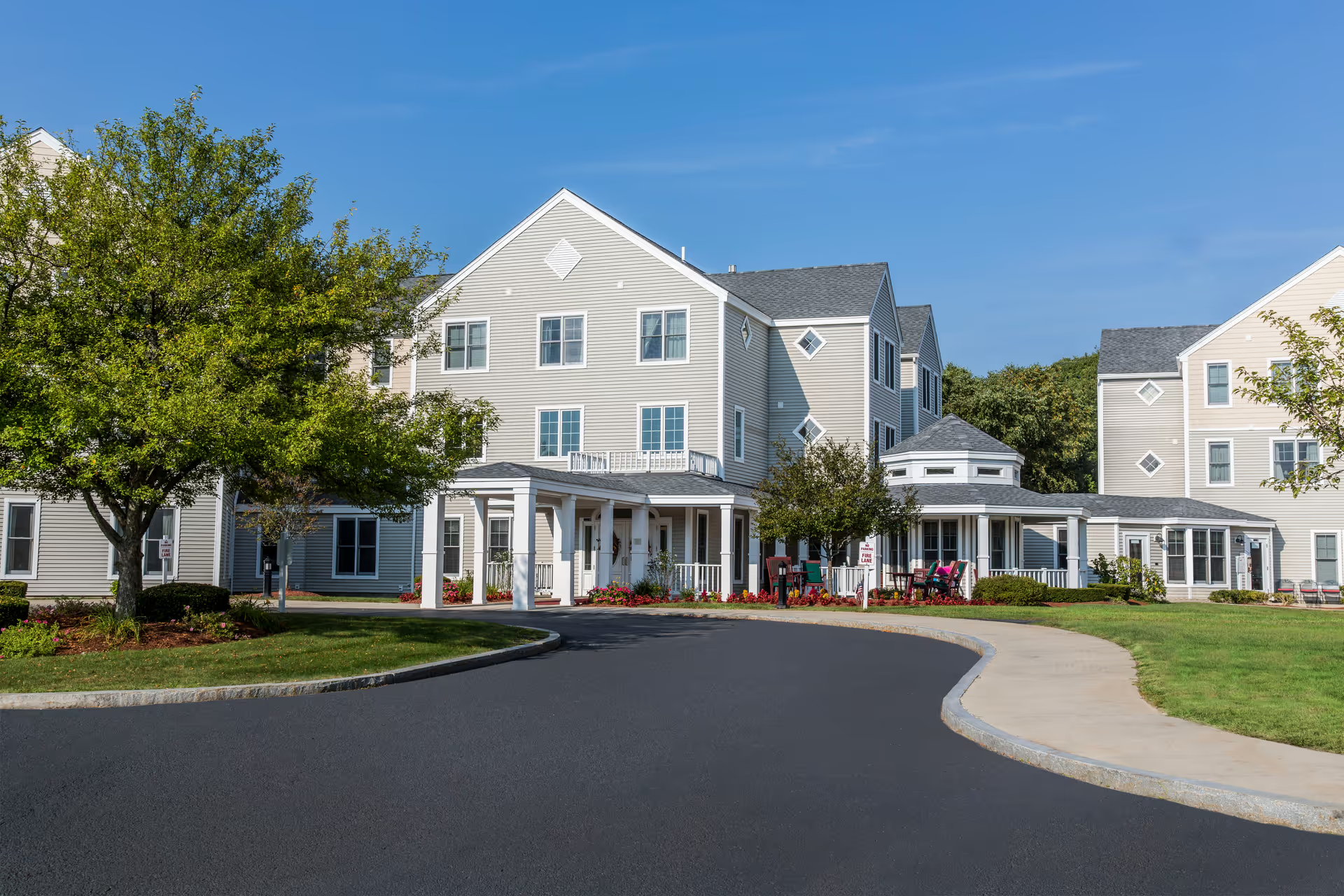
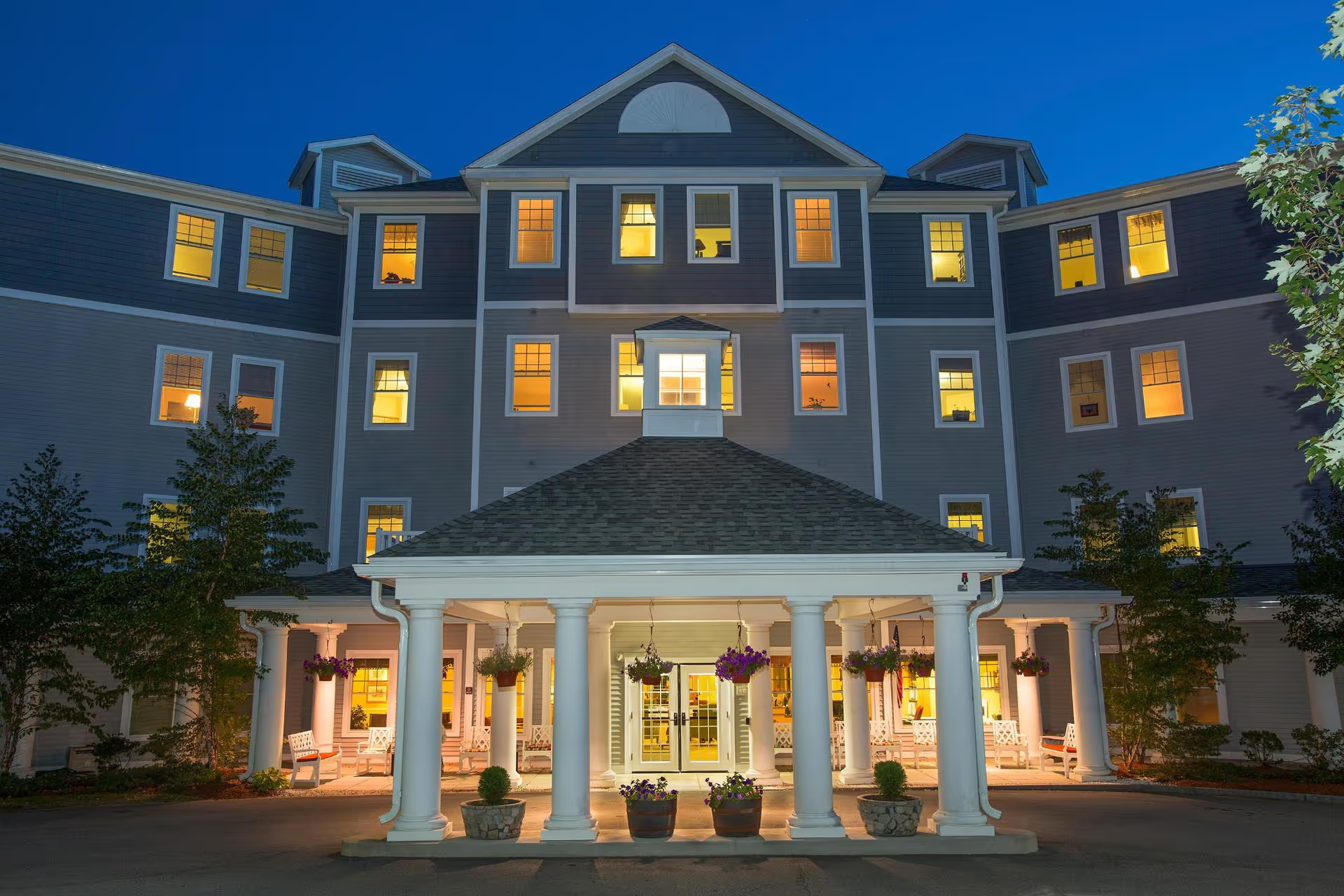
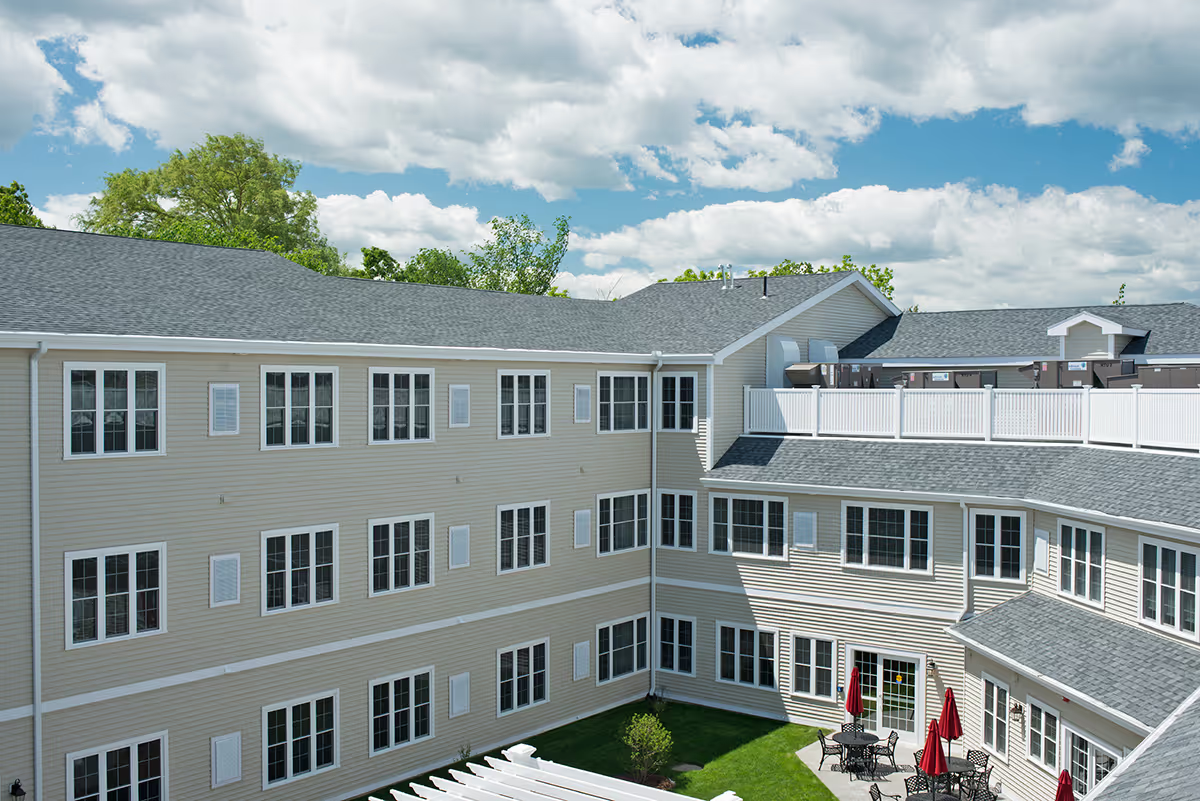
Bridges by EPOCH at Andover receives consistent praise for its physical environment and many elements of clinical and social programming. The campus is frequently described as new, attractive, and well-laid-out with pleasant courtyard landscaping, raised flowerbeds, and a resort-like atmosphere. Rooms are reported to be spacious and comfortable, and the household-model layout with secure outdoor access supports a more residential feel for memory-care residents. Multiple accounts highlight in-house clinical resources—physicians, social workers, and memory-care specialists—which families find reassuring.
Care quality and staff performance are the facility's most-cited strengths and also the source of the most variability. Numerous comments emphasize compassionate, attentive caregivers who go above and beyond, strong dementia expertise, and an organized, team-oriented leadership. These positive reports are balanced by recurring concerns about inconsistent staff conduct and bedside manner, and by references to staffing pressures that can affect responsiveness. Reviewers recommend clarifying staffing ratios, fall-prevention protocols, and transfer-safety approaches during the tour and admissions process.
Dining and programming earn mixed but specific feedback. Many reviewers praise the dining room, holiday meals, and initially strong menus; several also note that food quality changed after a chef transition, producing inconsistent meal experiences. A few families reported needing to provide supplemental nutrition for a resident, indicating that assistance with intake and nutrition planning should be confirmed upfront. Activities and outings are another strong area overall—educational programs, field trips, and social opportunities are described—but engagement appears uneven for some residents, and outings have been described as limited in variety or participation. Prospective families should ask about individualized activity plans and transportation policies for offsite events.
Operational and management patterns present a mixed picture. Some families applaud proactive communication practices such as daily virtual updates with photos and timely outreach during infection events; others describe periods of poor responsiveness, gaps in interdepartmental communication, and inconsistent follow-up after critical events, including bereavement outreach. There are also isolated but notable concerns about privacy and consent practices (for example, use of resident images) that point to a need for clear policies and family consent processes. Cost and perceived value vary: while many find the campus worth consideration given the amenities and clinical supports, others question the value relative to monthly fees when operational inconsistencies occur.
Overall, Bridges by EPOCH at Andover offers strong environmental design, memory-care specialization, and many examples of dedicated staff and quality programming. The recurring patterns to probe during a visit are communication practices, staffing levels and safety protocols, recent dining leadership and menu stability, activity engagement strategy, and privacy/consent policies. Asking for specifics on staffing ratios, recent menu changes, incident communication protocols, and written privacy/consent policies will help families evaluate whether the facility’s strengths align with their expectations for consistent day-to-day operations.