Overall impressions of Benchmark at North Andover emphasize consistent strengths in direct care, activities, dining, and facility presentation, alongside recurring operational concerns that prospective residents and families should weigh.
Care and staff: Families and visitors frequently describe the caregiving team as compassionate, attentive, and personally engaged. Reviewers note long-tenured aides and nursing staff, staff who know residents by name, and many examples where the care team supported functional and emotional improvement. Memory-care services are integrated with the assisted-living neighborhood and reviewers generally find the layout and staff expertise appropriate for residents with cognitive needs. That said, accounts point to variability in staffing and skill mix by shift — nights and some evening hours are singled out as having fewer or less-experienced staff. Leadership turnover is another recurrent theme; while many direct-care employees are praised, management instability has been associated with uneven communication and operational follow-through.
Dining: Dining is repeatedly highlighted as a positive feature. The community offers restaurant-style service, multi-course menus, daily specials, and a range of nutritious options; several reviewers specifically appreciated variety and creative meals. There are also reports of inconsistent meal quality over time and differences between daytime and evening kitchen performance. Families should ask about current dining oversight and any recent changes in kitchen leadership when evaluating the community.
Activities and social life: Activity programming is a major strength. The community maintains a full weekly calendar with live entertainers, outings, exercise classes, games, and regular social events; the activities leadership receives frequent praise for creativity and resident engagement. Outdoor gardens, common rooms, music programs, and transportation for offsite trips contribute to an active social environment that many residents and families describe as restoring social engagement and quality of life.
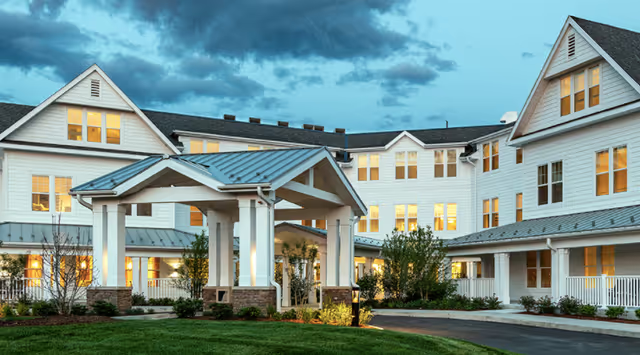
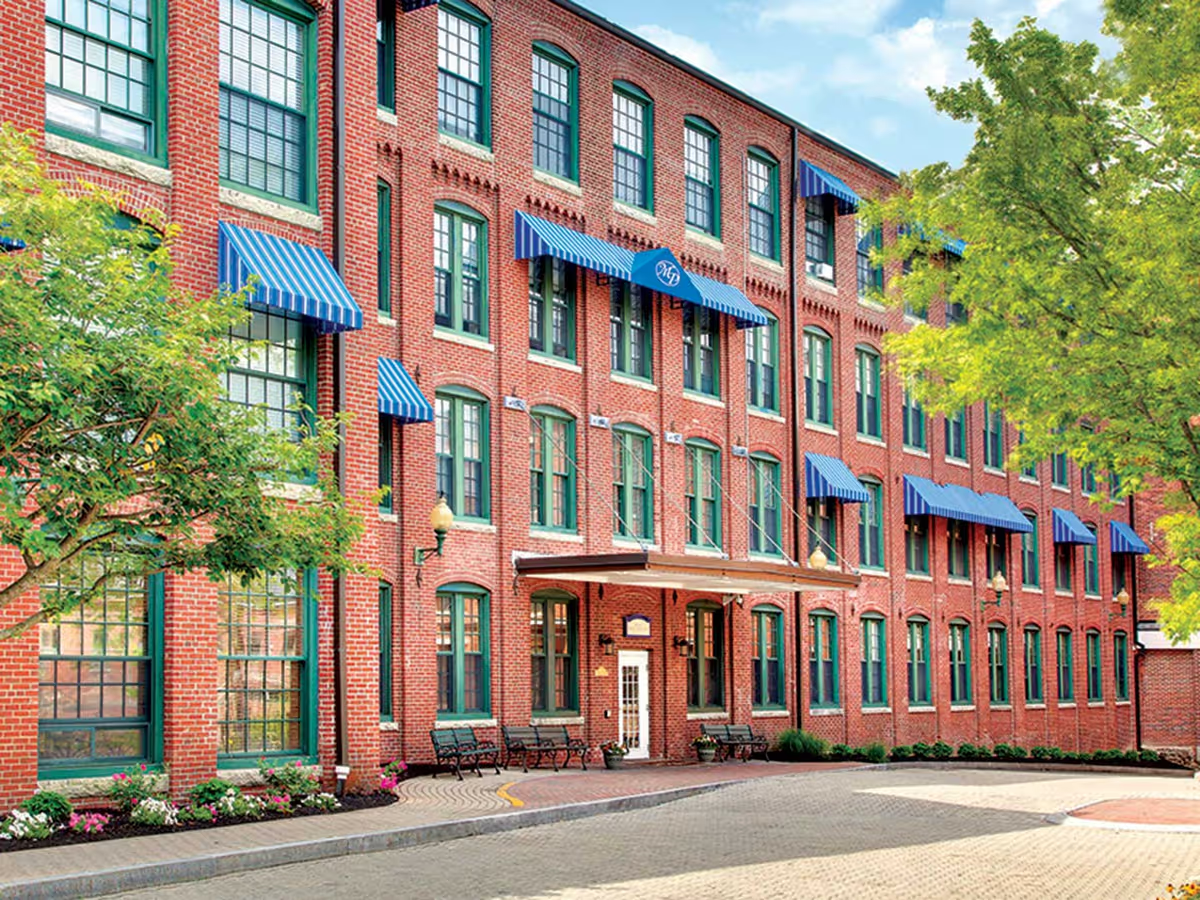
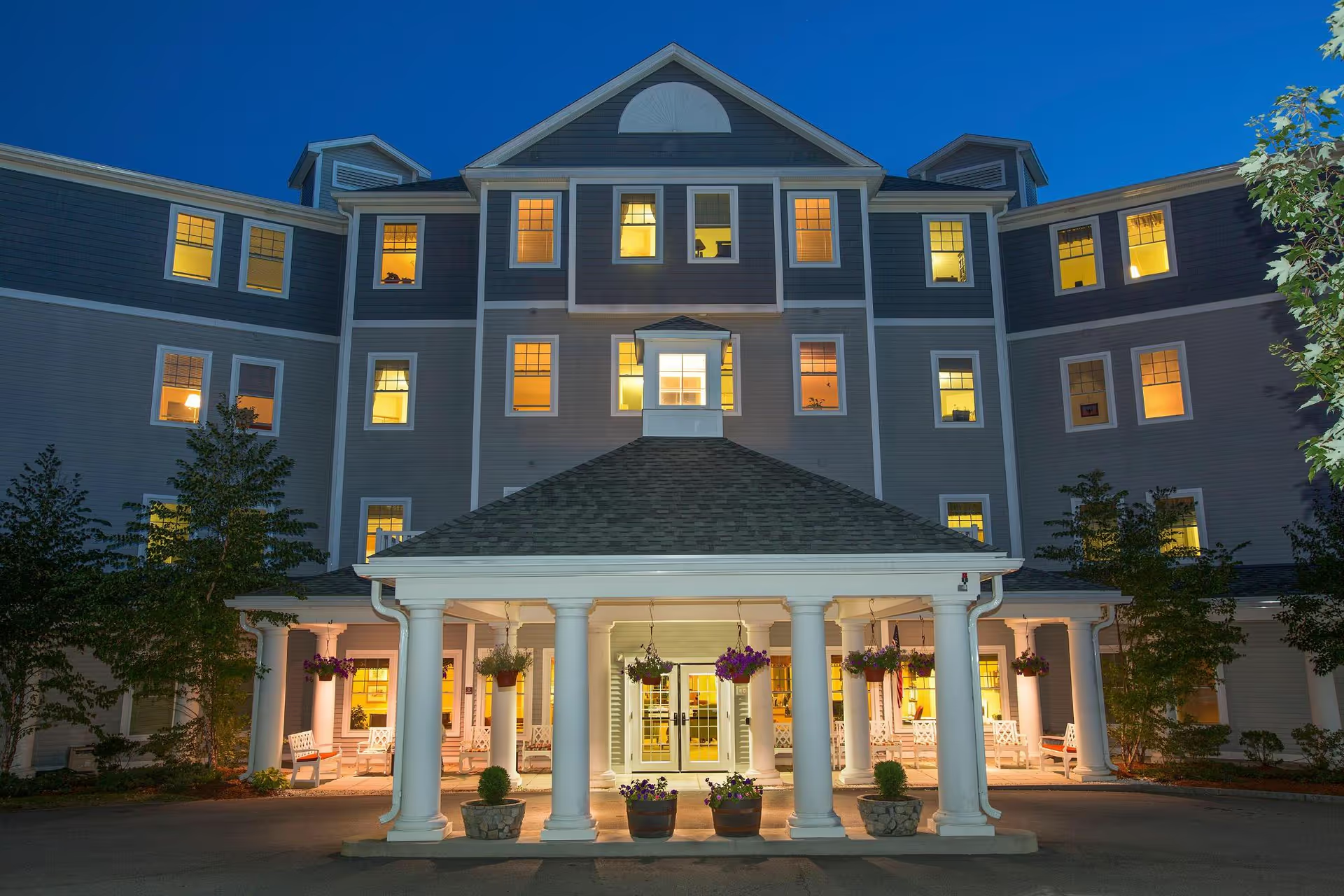
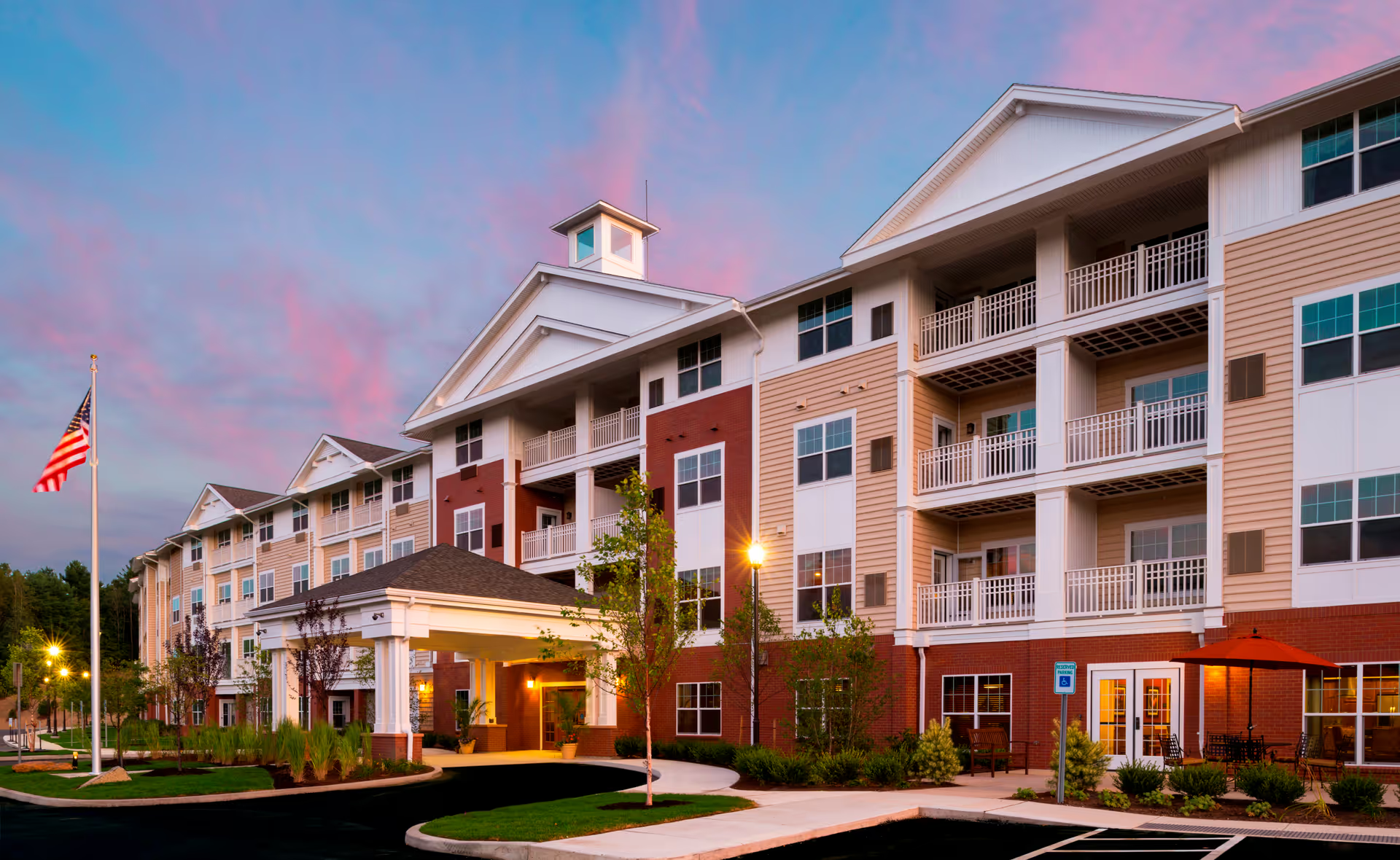
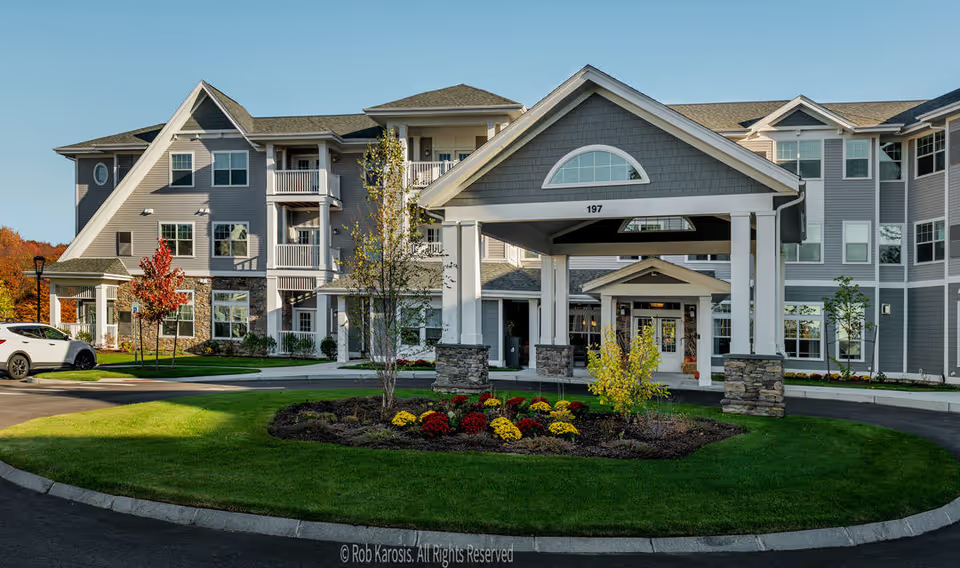
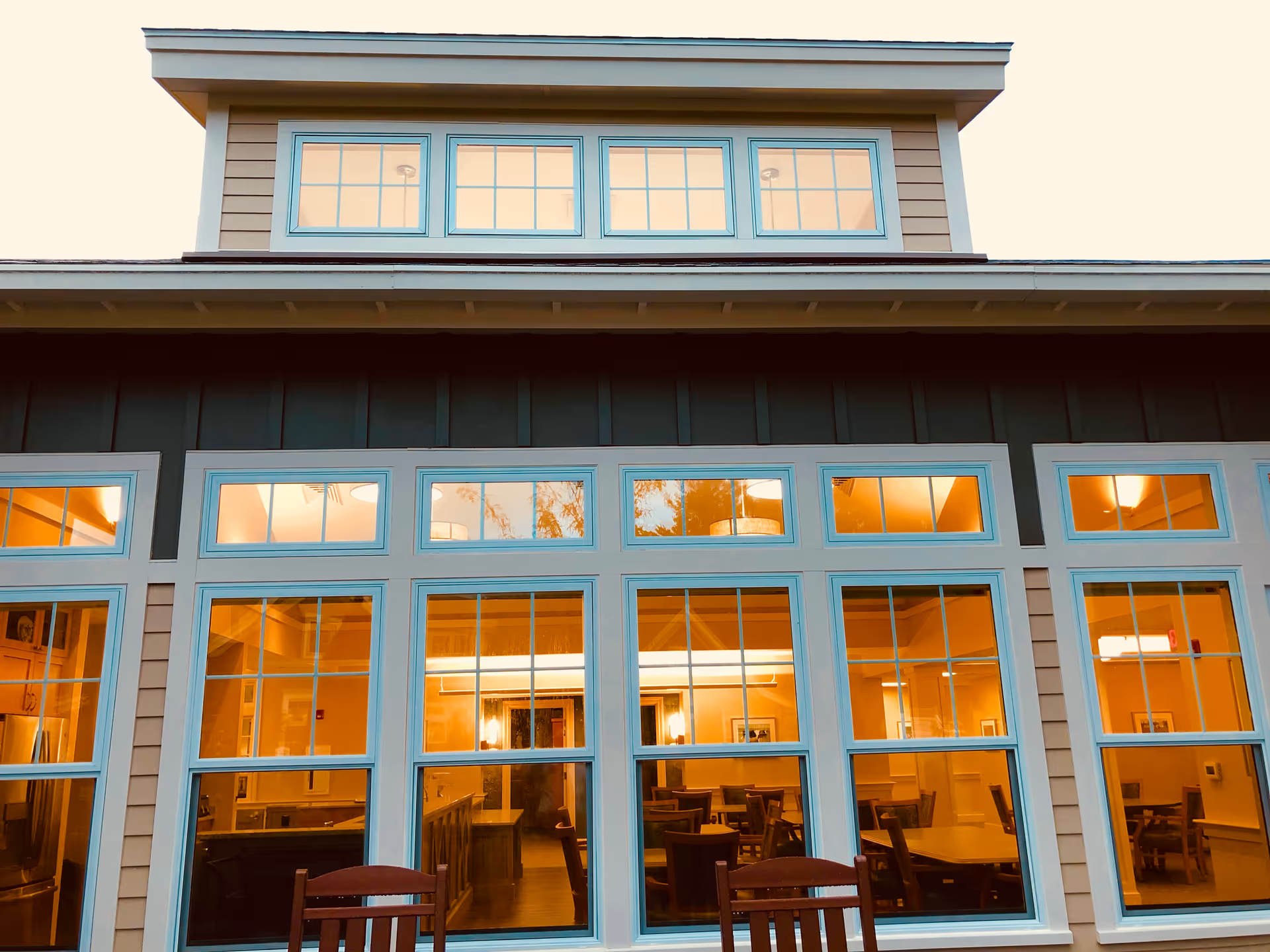
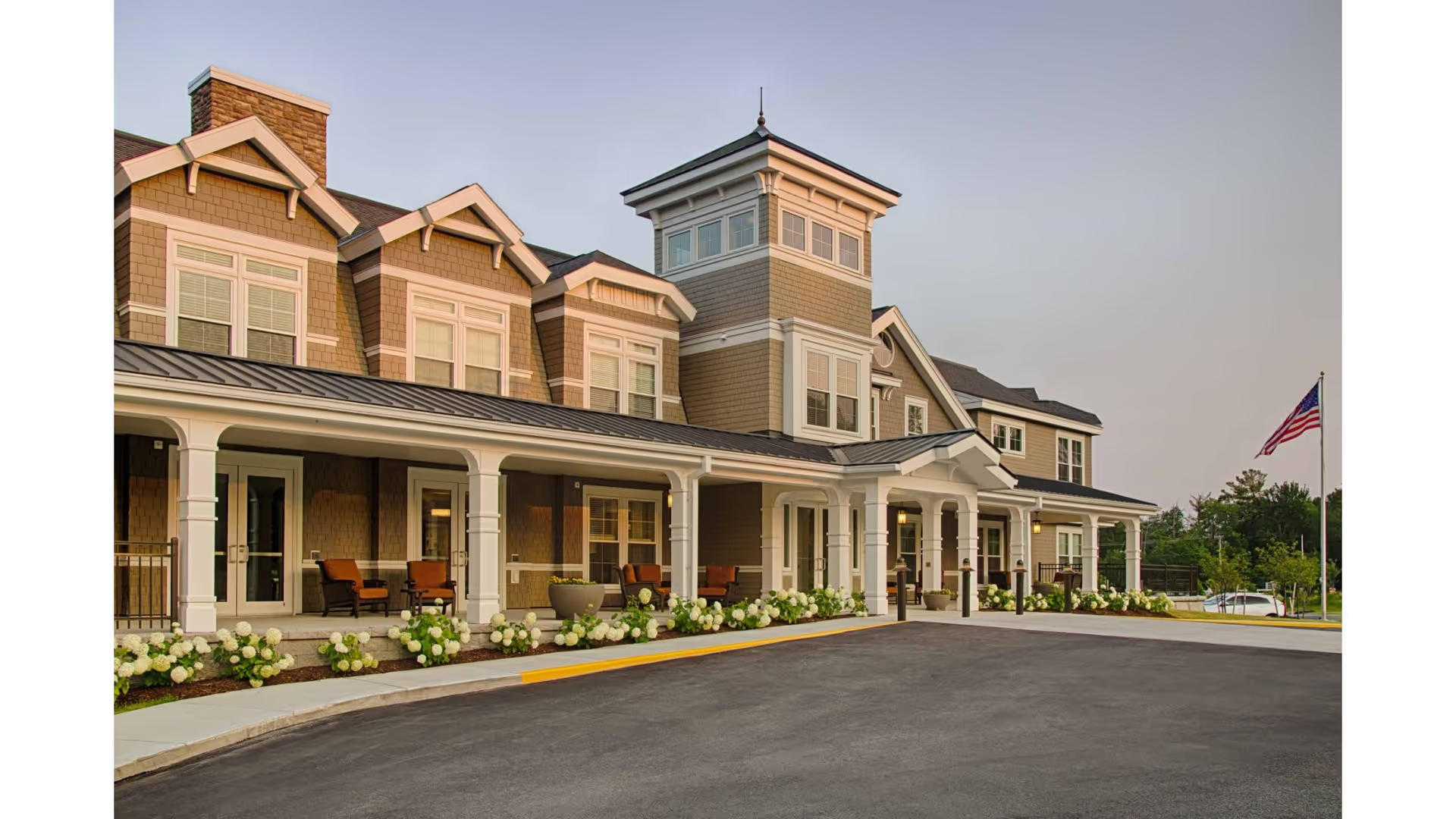
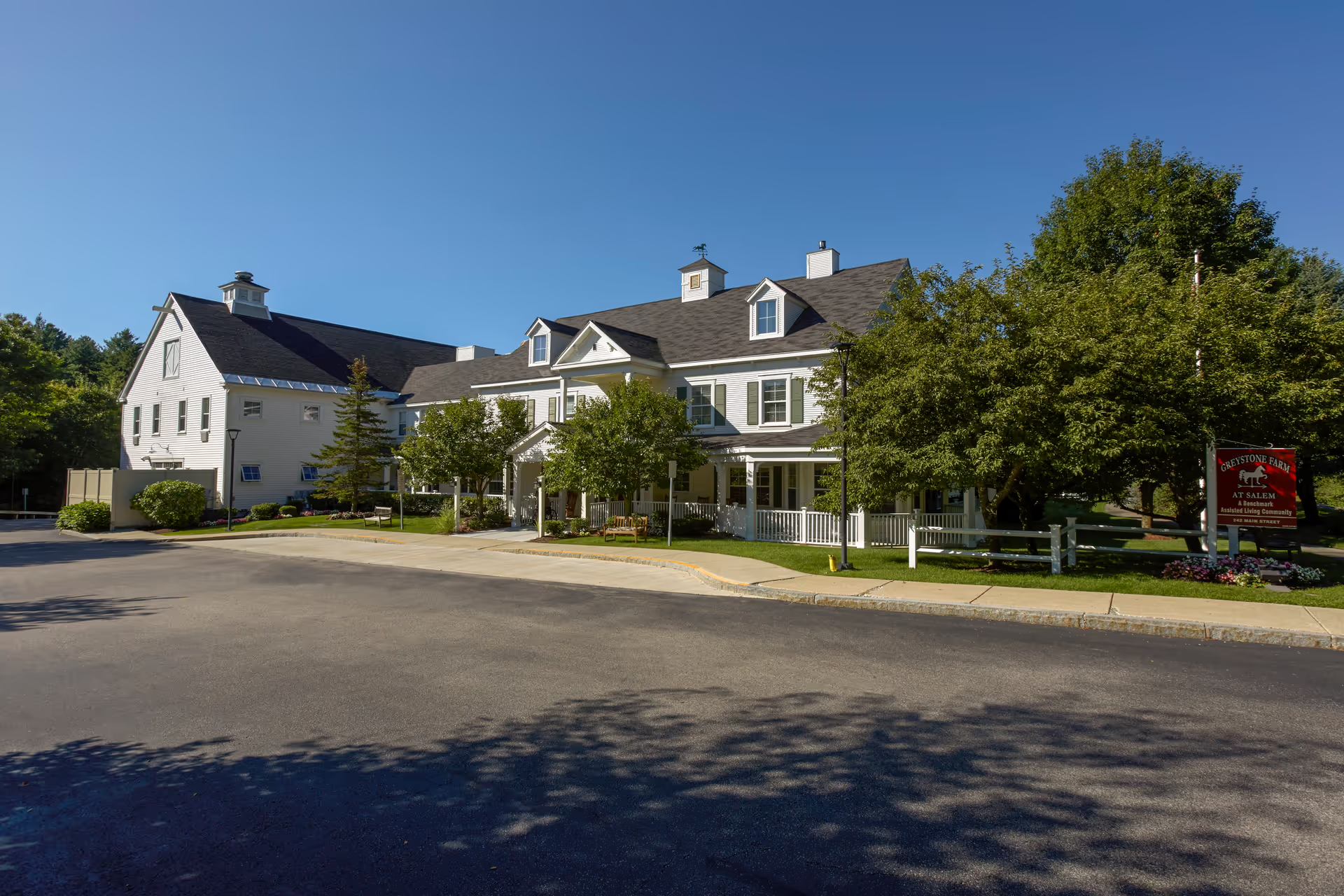
Facilities and safety: The physical environment is generally described as attractive, clean, and homelike, with tasteful décor, bright common areas, and accessible outdoor spaces. Safety features such as emergency cords and grab bars are in place. Some reviewers raised facility-level maintenance issues, most notably exterior walkway conditions and cracked sidewalks; prospective residents should verify current maintenance plans and any recent repairs.
Management, rules, and billing: A clear pattern in the feedback concerns management and administrative practices. Positive accounts describe smooth move-ins, supportive transition assistance, and inclusion of families in care planning. However, other families reported inconsistent responsiveness from management, problems with billing, prorating at move-out, and opaque fee structures — including unbundled personal-care charges not included in base pricing. There are also descriptions of front-desk coverage gaps in evening hours and occasional restrictive access, which can affect visiting flexibility. Several reviewers described adversarial complaint-handling or poor communication tone in specific interactions; these indicate that dispute-resolution processes and family communication protocols may vary depending on leadership and staff on duty.
Notable patterns and recommendation guidance: The strongest, consistent positives are the caregiving culture, the active activities program, and the attractive communal environment. These strengths support socialization and day-to-day quality of life for many residents, and hospice/end-of-life coordination is noted as compassionate and seamless when needed. Main trade-offs to consider are cost (and the clarity of what is included for that cost), variability in management stability, and uneven coverage or training across shifts — particularly evenings and nights. Before committing, families may want to request a current fee schedule with line-itemized services, inquire about night-staffing levels and training, tour during an evening period, and review recent maintenance logs and complaint-resolution policies to ensure expectations align with the community’s operations.