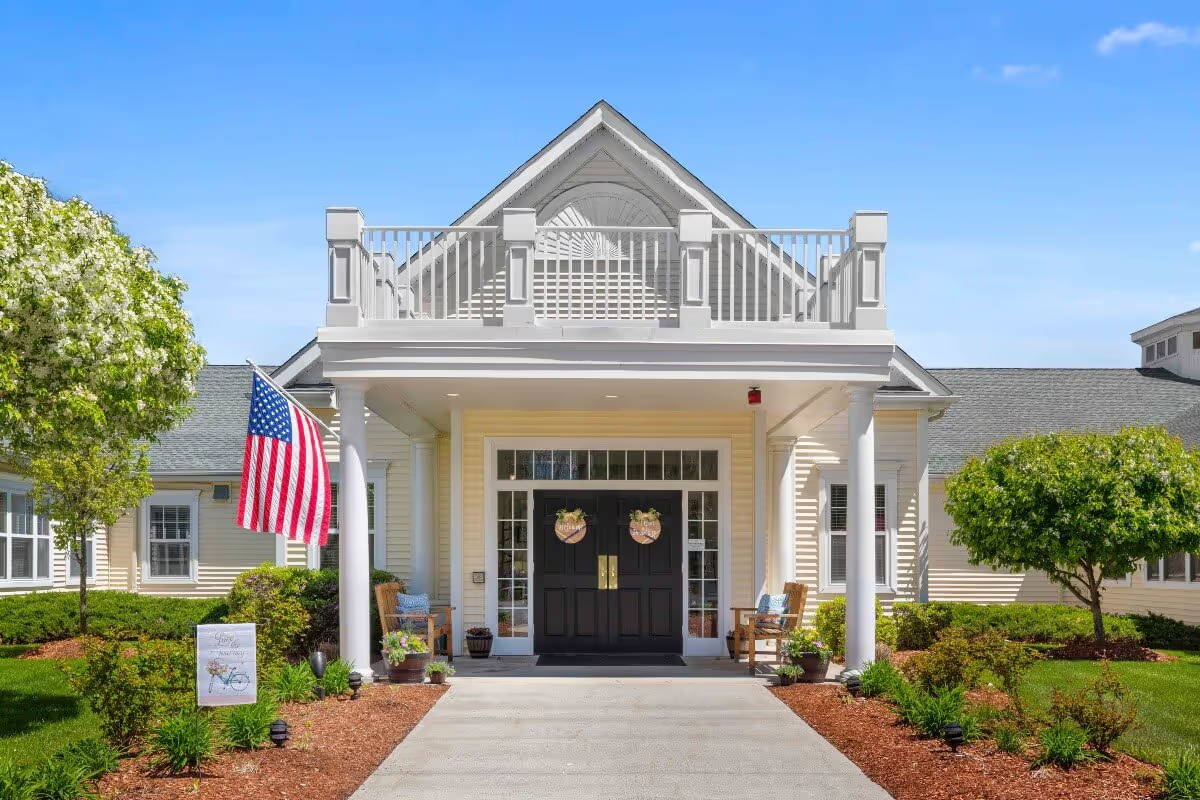
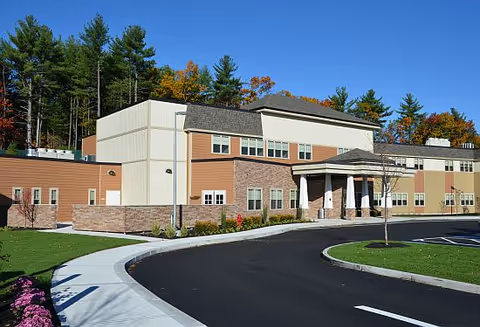
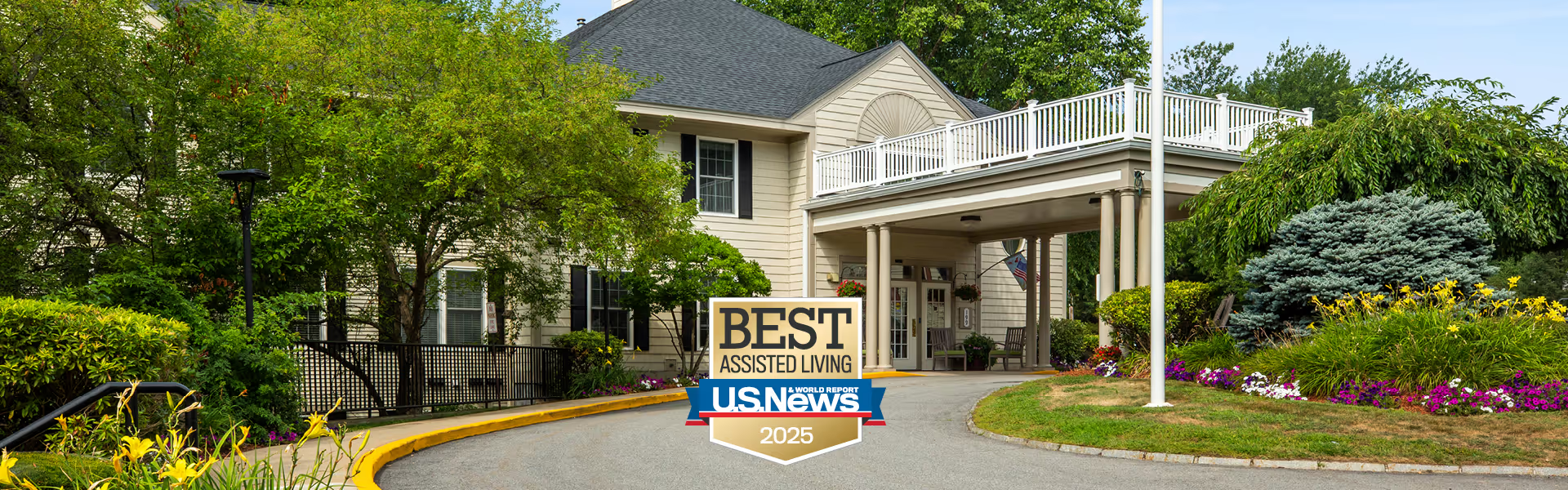
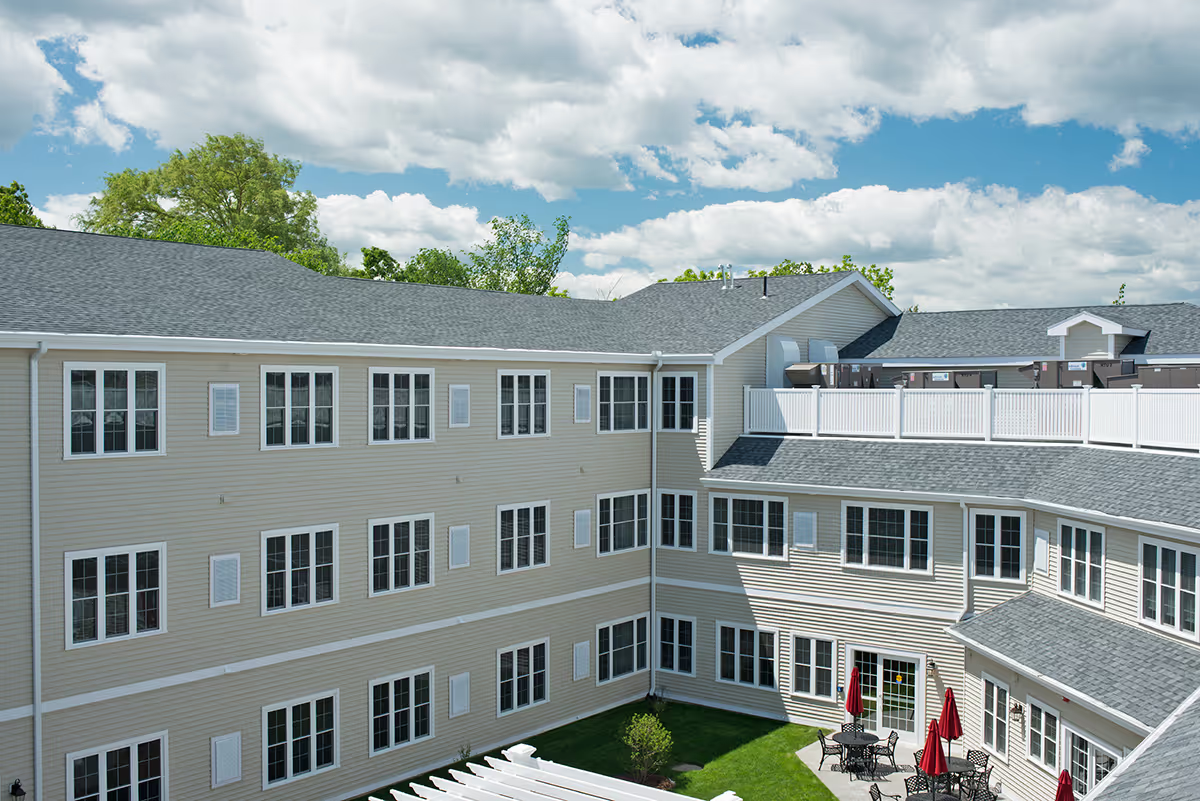
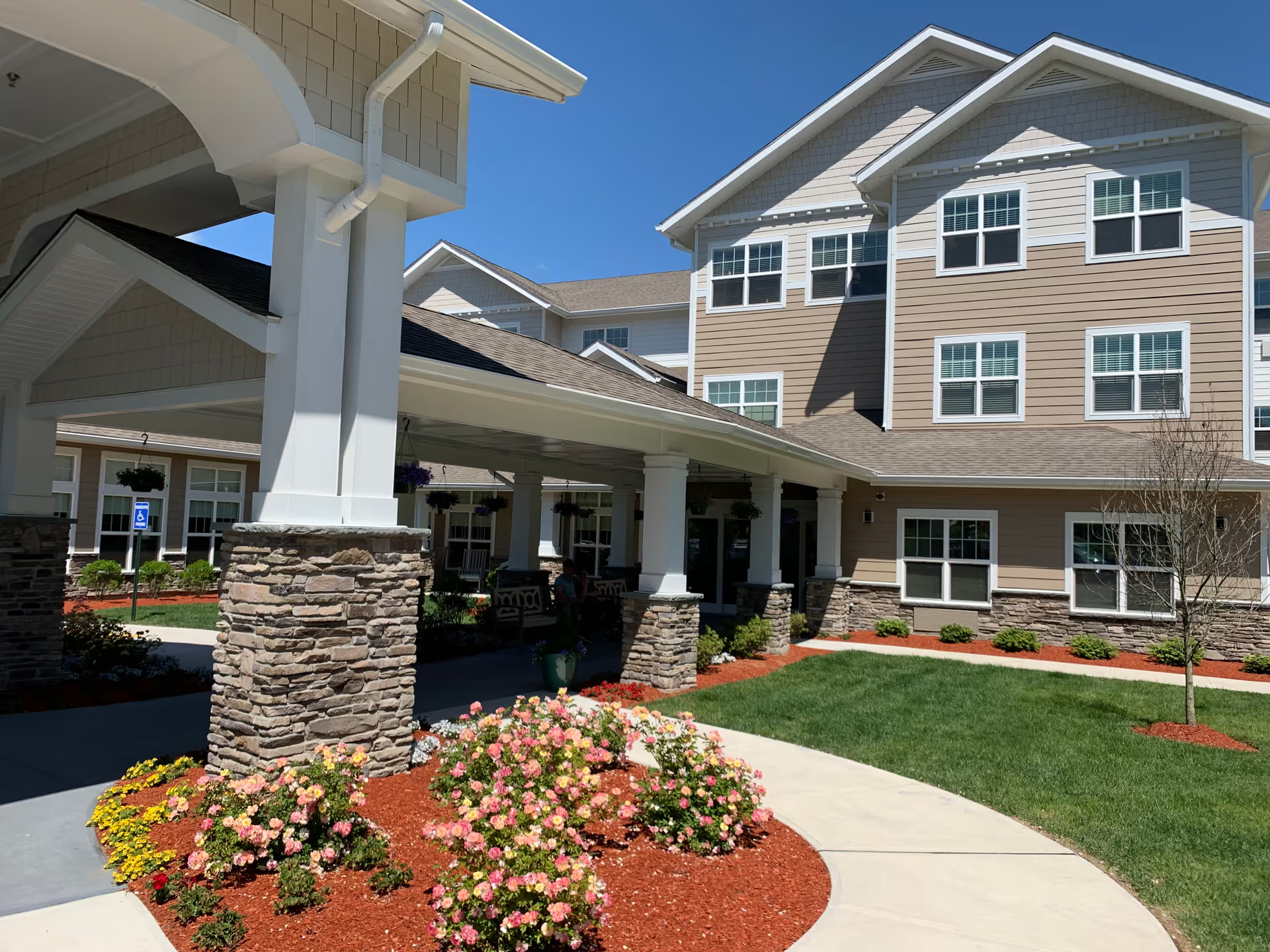
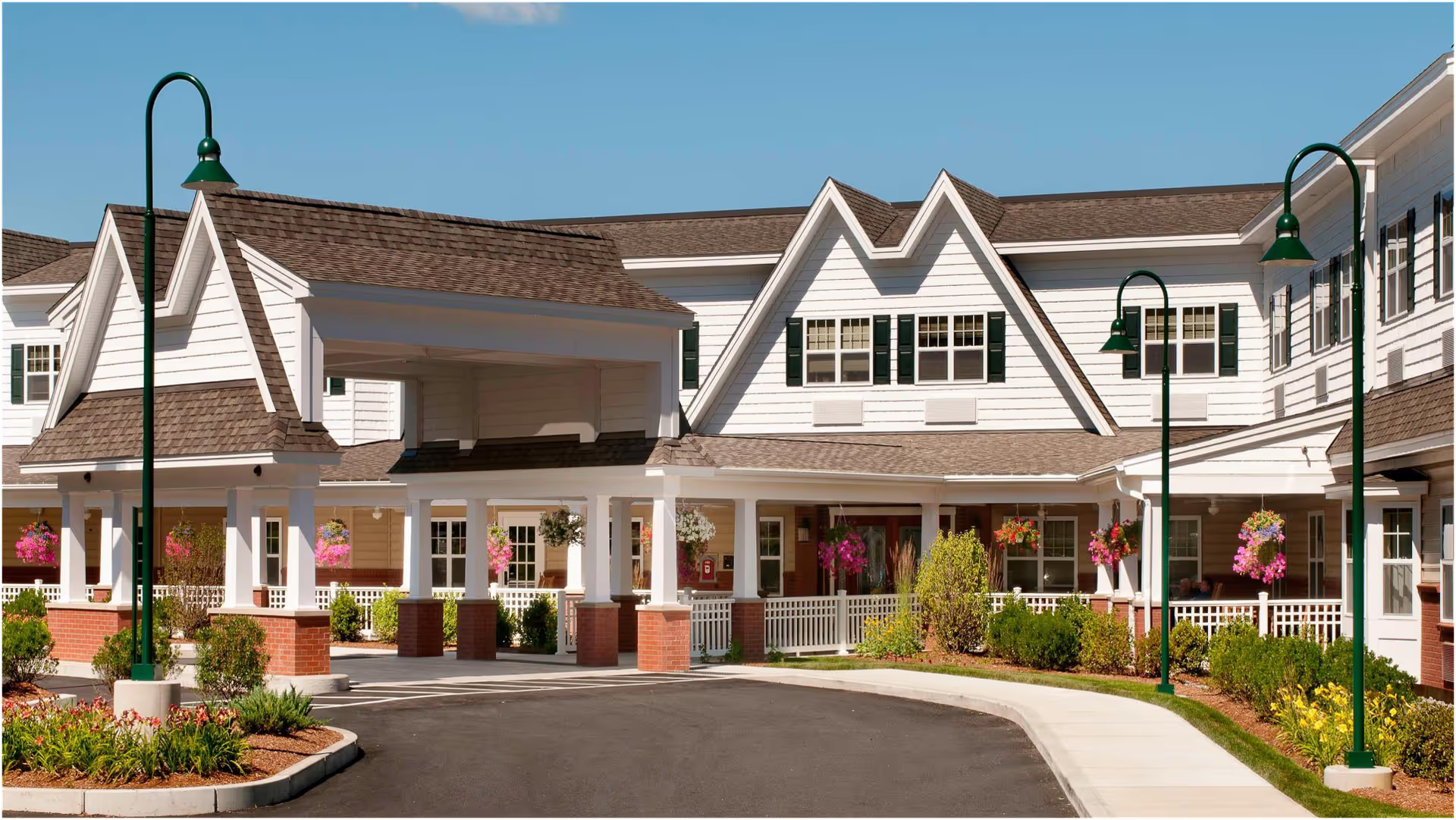
The reviews for The Residence at Freeman Lake present a mixed but clarifying picture. Many families and visitors praise the community’s strengths: a warm, welcoming atmosphere with visible resident engagement; a well-appointed lobby and dining room; attractive landscaping and proximity to Freeman Lake; and a program of activities and entertainment that includes live music, outings, and animal visits. The dining program is often described as restaurant-style and chef-led, and several accounts emphasize personalized attention from front‑line staff, strong resident socialization, and particular memory-care staff who are viewed as highly competent and compassionate.
At the same time, there is a consistent pattern of operational concerns centered on clinical continuity and facility services. Nursing coverage and staff turnover are recurring themes: reviewers describe periods when staffing levels are inconsistent, use of agency or temporary nurses increases, and night coverage is limited. These staffing patterns correlate with reported problems in medication administration and documentation, delays in responding to clinical incidents, and variability in the implementation of individualized care plans. For families this has translated into unpredictable personal-care routines (for example, irregular bathing or dressing cueing), late or missed medications, and concerns about timely clinical oversight.
Housekeeping and physical plant issues also appear uneven. Many visitors find public spaces clean and well kept, but others note sanitation concerns within some residential areas, deferred maintenance items such as carpeting and water-damage remediation, and occasional operational failures related to laundry and room upkeep. Food quality is another area of divergence: while several reviewers praise the chef and menu variety, others describe repetitive or poorly executed meals after administrative changes. Activity programming likewise receives generally positive remarks, but several accounts indicate lapses in activity engagement in particular care units or during staff transitions.
Management and communication emerge as a notable axis of variability. Positive reports describe accessible leadership, timely follow-up, and strong family liaison work. Conversely, other families report difficulty obtaining documentation, unresolved complaints, unexpected fee increases, and inconsistent follow-through on corrective actions. These management-level issues often amplify clinical and service concerns for families trying to navigate billing, reimbursement, or incident resolution.
In summary, The Residence at Freeman Lake offers clear strengths—compassionate direct-care staff, attractive communal spaces, an active calendar of events, and chef-led dining—making it appealing for many residents and families. Prospective residents should, however, verify current nursing-staffing levels, medication-administration procedures, night coverage, housekeeping practices in the intended unit, and the community’s approach to billing and incident follow-up during a tour and in follow-up conversations. Asking for recent staffing rosters, medication-administration policies, examples of care-plan documentation, and references from current families in the specific care level being considered can help families assess whether the community’s operational practices match the needs of their loved one.