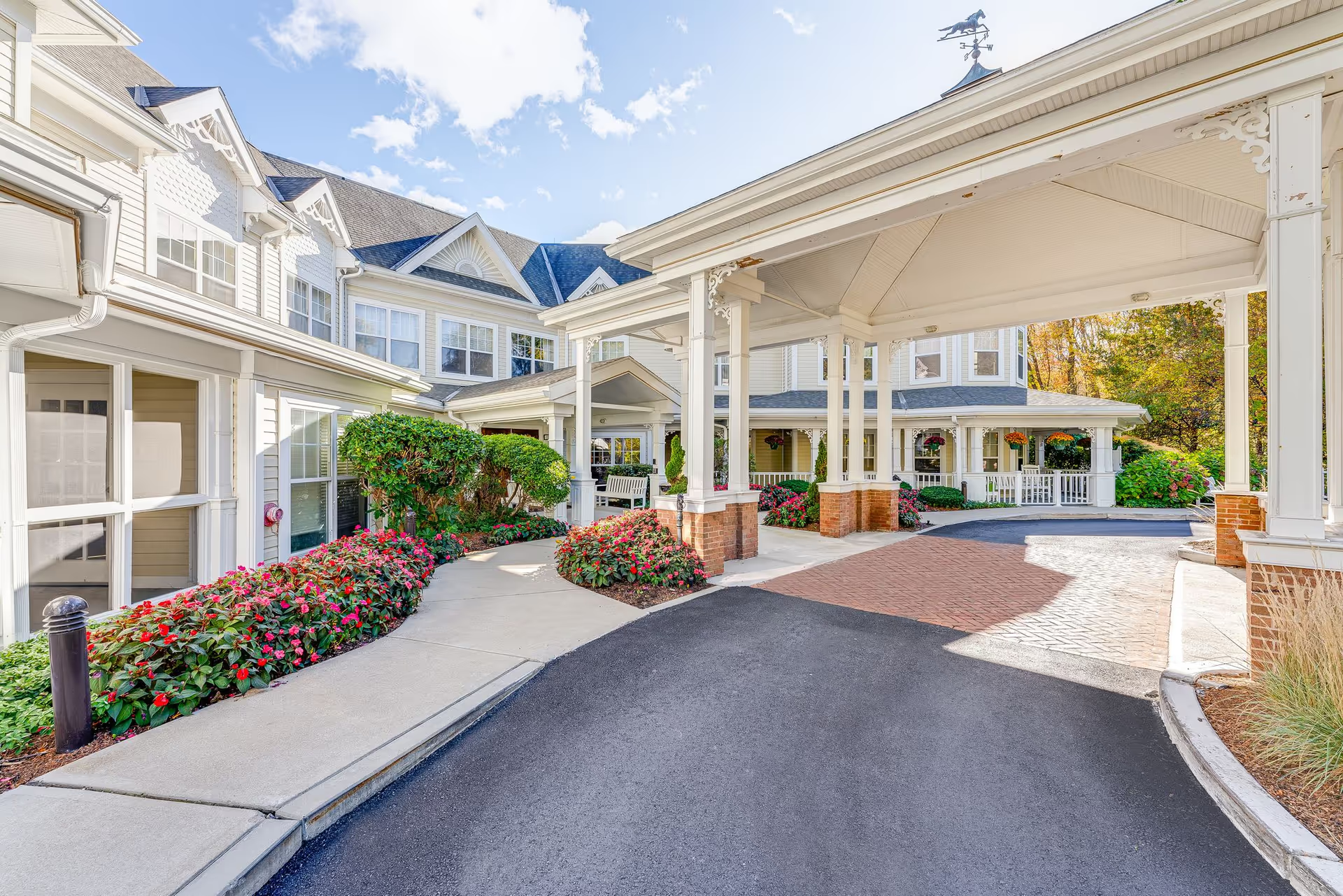
Whitney Place - Natick elicits a broadly mixed but largely positive picture centered on strengths in daily caregiving, social programming, and the convenience of an on-site clinical continuum. Many families describe compassionate, resident-focused aides and nurses, a highly regarded activities team that offers intergenerational programs, outings, and social events, and clean, well-maintained common areas that feel home-like. The facility's integrated services — including memory care, short-term rehab, and skilled nursing — are frequently cited as a practical advantage for residents who may need changing levels of care.
Care quality is characterized by strong personal attention from many long-tenured staff and positive examples of nursing and therapy outcomes; rehabilitation services and skilled-therapy teams receive specific praise. At the same time, several operational patterns raise concerns: staffing levels are described as inconsistent with periodic reliance on agency personnel, and reviewers cite delays or variability in medication administration and clinical follow-through. These issues are associated with family stress and, in some accounts, with outcomes that prompted heightened scrutiny of nutrition, hydration, and wound-care monitoring. Communication gaps — especially difficulty reaching unit staff by phone and uneven family updates — are a recurring theme.
Dining and activities are overall strengths, but the experience is uneven across the building. The kitchen is noted for accommodating preferences and providing multiple meal choices; some residents and families praise the food and dining atmosphere. Other families, however, perceive the dining quality to vary between units (memory-care dining described as less satisfactory) and express a desire for more challenging, engagement-appropriate programming for higher-functioning residents. The activities department is frequently recognized for creativity and resident engagement, yet some reviewers call for expanded or more frequent offerings.
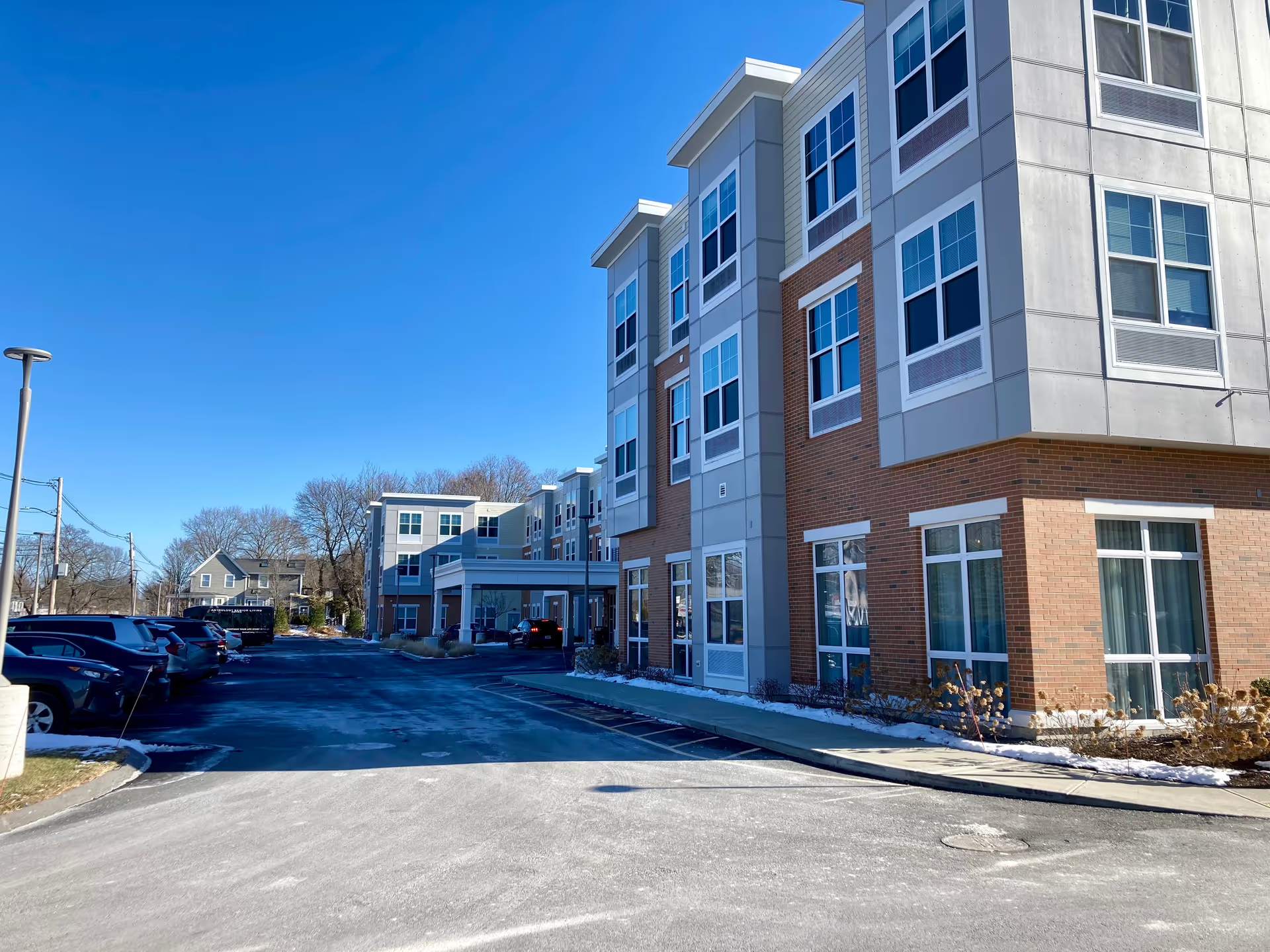
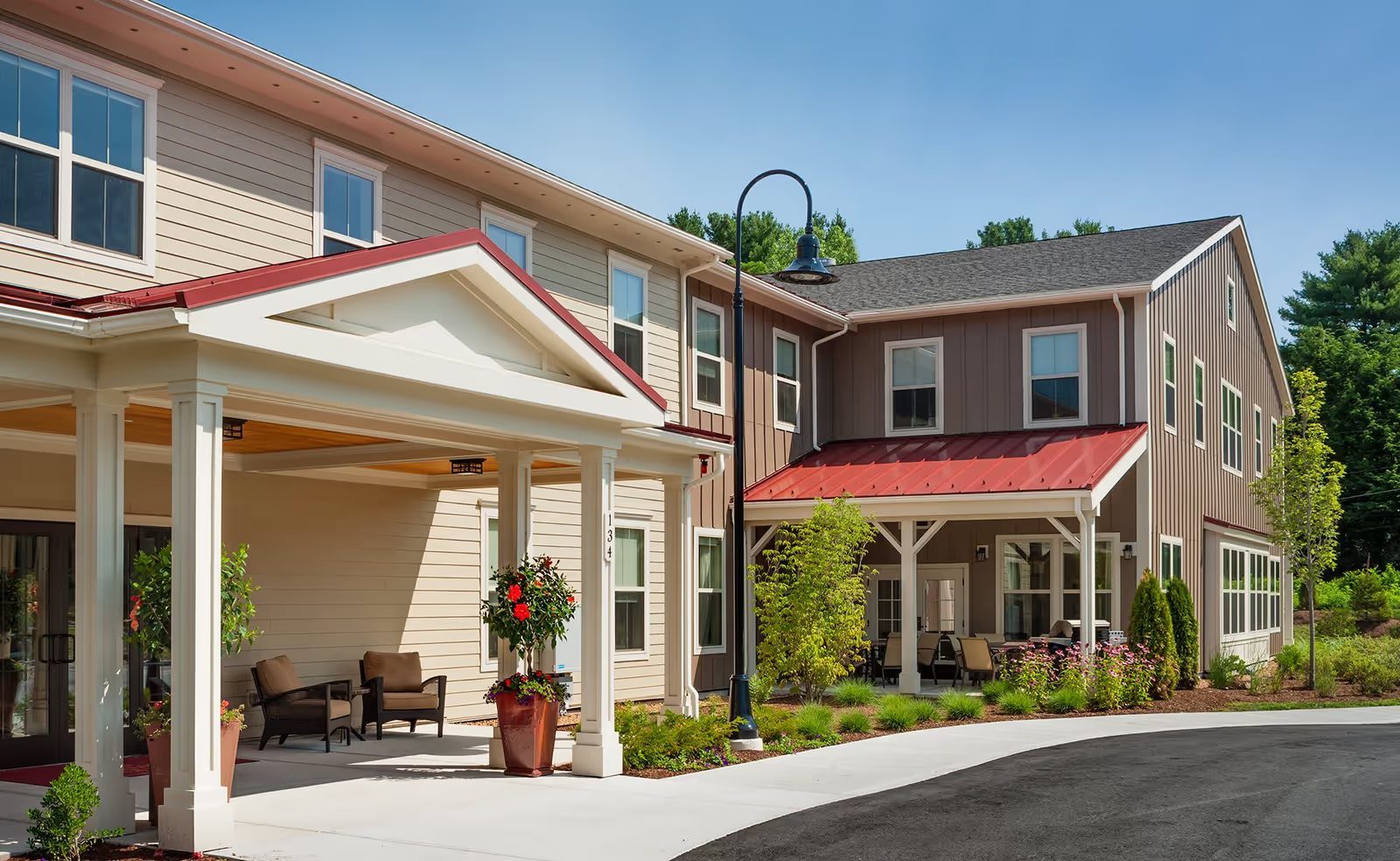
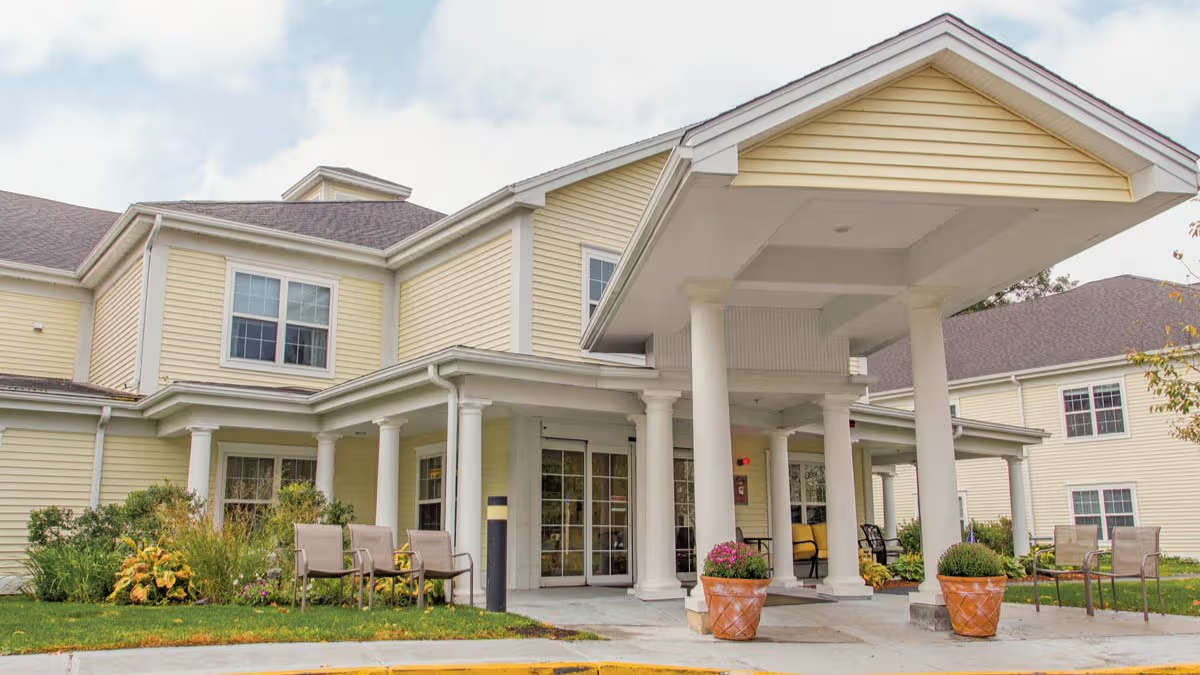
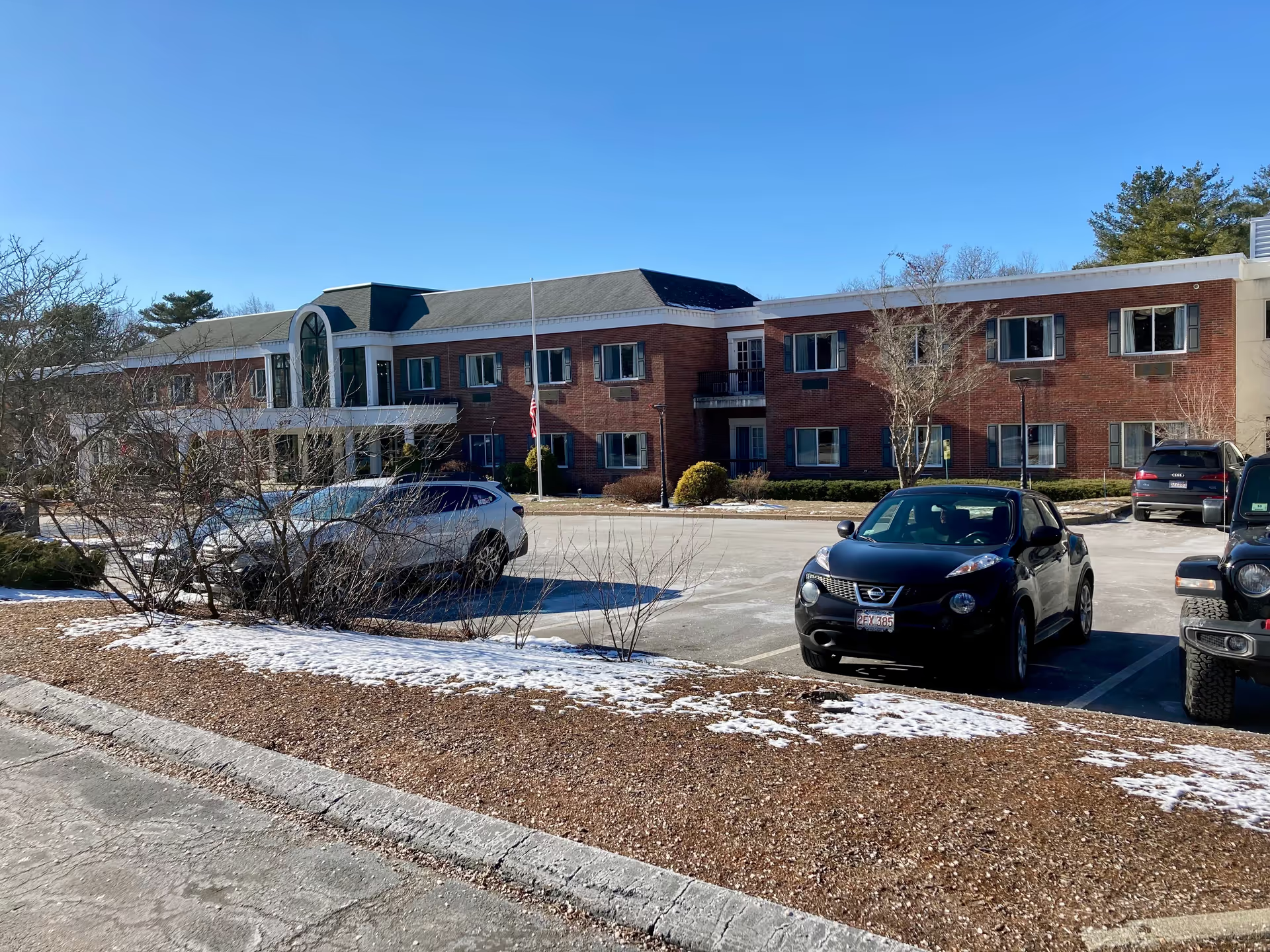
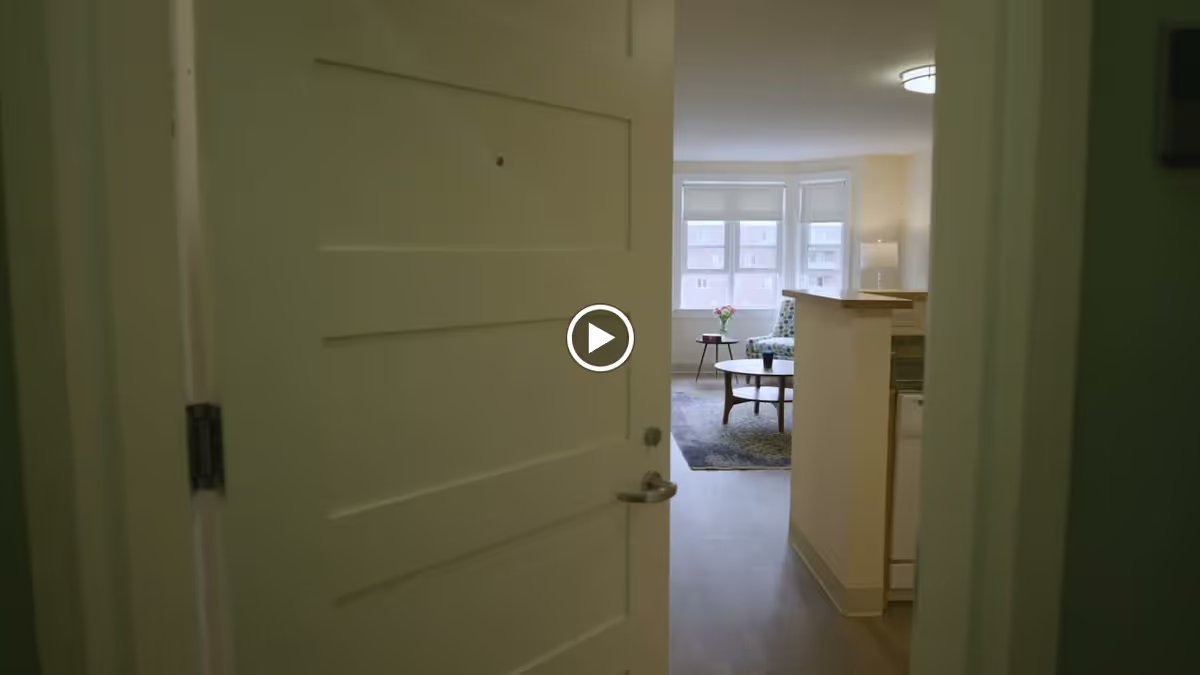
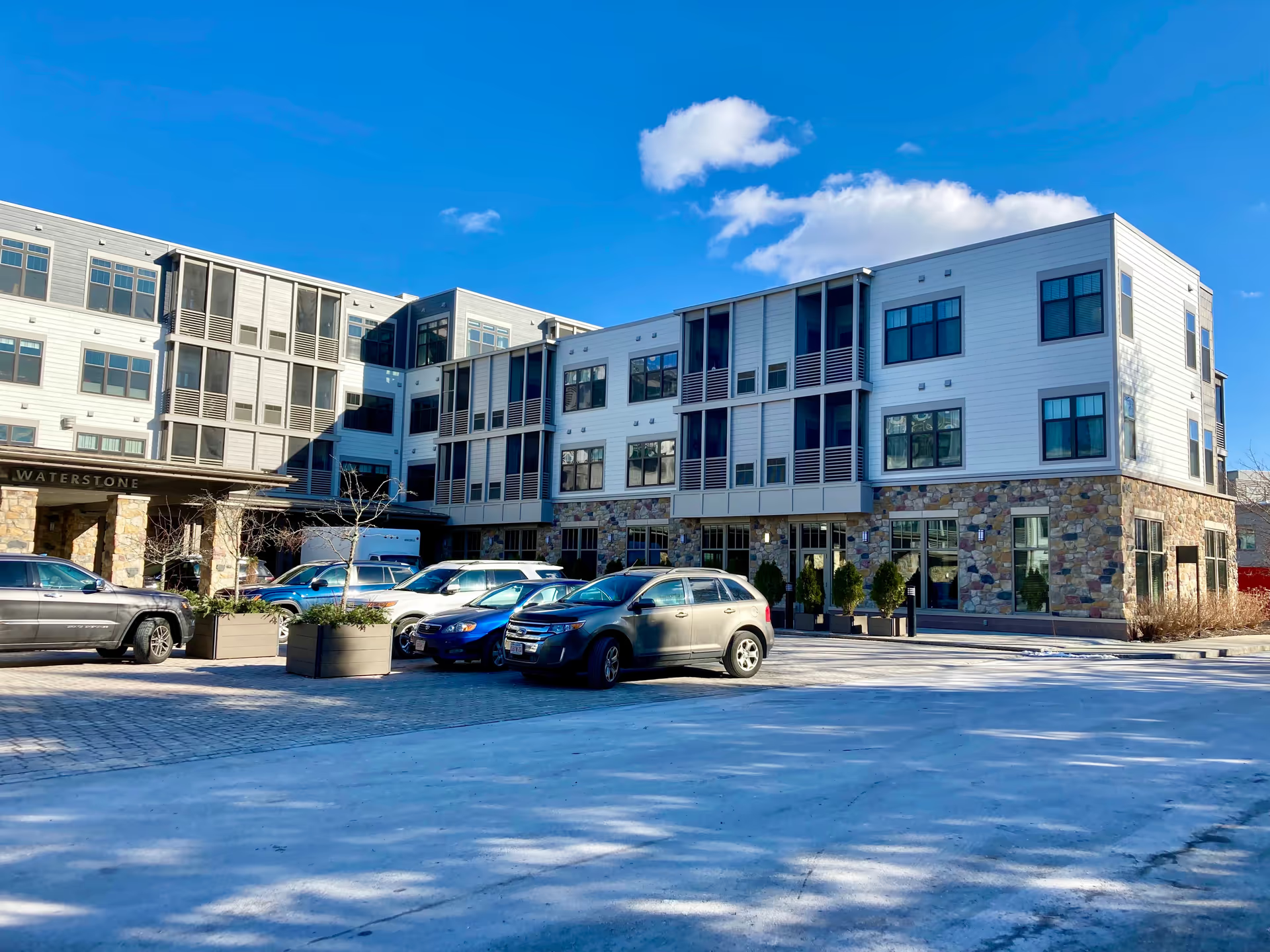
Facility features are appealing in many respects: private apartments with baths, attractive communal rooms, inclusive personal-care services in some pricing plans, and ample on-site parking. At the same time, the property lacks significant outdoor green space and memory-care secure outdoor areas, and local public-transport access is limited. Operationally, families have also flagged billing and contract-clarity problems, occasional sanitation and incontinence-care concerns in specific instances, and safety-system variability (for example, bed-alarm coverage) that warrant clarification during touring and contracting.
Management and admissions receive mixed but notable praise: several families commend admissions staff and administrators for responsiveness, smooth transitions, and hands-on support during move-in and lockdown periods. Conversely, others describe delayed responses to serious concerns and request clearer communication workflows. For prospective residents and families, Whitney Place may be a good fit if priority is placed on warm caregiving, strong rehabilitation services, and an active activities program, but it will be important to assess staffing consistency, clinical oversight protocols (medication and wound care), communication practices, dining variation between units, and contract/billing terms during the tour and prior to signing.